
Procurement guides
Importing Fire & Ambulance Fleets: LHD vs RHD Guide
25 November 2026
When importing fire trucks, ambulances, and sanitation fleets across Africa and the Middle East, steering orientation is a strict statutory border gatekeeper: Nigeria, Ghana, and all Middle Eastern Gulf states (UAE, Saudi Arabia, Oman, Qatar) mandate Left-Hand Drive (LHD), whereas Kenya, Tanzania, Zambia, and Zimbabwe mandate Right-Hand Drive (RHD) under road traffic laws. Beyond steering side, avoiding port demurrage or customs seizure requires aligning each destination country's pre-shipment conformity regime (such as SONCAP, KEBS PVoC, TBS PVoC, ZABS, or GCC GSO/SASO SABER), local diesel emission tolerance, and primary Ro-Ro gateway port before signing chassis production orders.
Regional Import Resources & Country Desk
Primary Action: Request 10-Country Public Fleet Import & Port Checklist — LHD/RHD Matrix, Conformity Agencies, Ports & Lead Times for Africa & Middle East (Requires: Email or WhatsApp, Destination Country, Fleet Category)*
Secondary Action: Request Bid Quotation — Get port-specific CIF/DAP estimates and pre-shipment compliance guidance*
10-Country Public Fleet Import Matrix (Africa 6 + Middle East 4)
Use the consolidated regional reference table below to verify steering orientation, primary maritime gateway ports, statutory conformity/pre-shipment inspection programs, and fuel/climate engineering baselines across ten major public-service vehicle procurement markets. Browse individual destination dossiers on our country procurement hubs.
| Destination Country | Mandatory Steering | Primary Sea Gateway Ports | Common Conformity / Pre-Shipment Regime | Typical Fuel / Climate Spec Baseline | Est. Factory + Transit Lead Time | Actions |
|---|---|---|---|---|---|---|
| Nigeria | LHD | Lagos (Apapa & Tin Can Island), Lekki Deep Sea Port, Onne (Port Harcourt) | SONCAP (Product Certificate + SC via SGS/BV/Intertek), Form M, PAAR | Euro II / Euro III diesel or petrol vans; heavy primary fuel-water separator; tropical dual A/C | 40–65 days build + 32–45 days sea transit | Country Hub | Get Quote |
| Ghana | LHD | Tema Port, Takoradi Port | GSA / ICUMS pre-arrival valuation & classification; PSI where specified in tender | Euro II / Euro III diesel; tropical cooling radiator; reinforced rough-road springs | 40–65 days build + 32–42 days sea transit | Country Hub | Get Quote |
| Kenya | RHD | Port of Mombasa | KEBS PVoC Certificate of Conformity (QISJ / SGS / Intertek / BV), IDF, strict age rules (brand-new compliant) | Euro III / Euro IV diesel; high-altitude derating check (Nairobi ~1,795 m); 4x4 rural capability | 55–85 days RHD build + 22–32 days sea transit | Country Hub | Get Quote |
| Tanzania | RHD | Port of Dar es Salaam, Tanga Port | TBS PVoC Certificate of Conformity (SGS / BV / Intertek / TUV), TRA customs clearance | Euro II / Euro III diesel; heavy fuel-water separator; dust-sealed rural cabins & lockers | 55–85 days RHD build + 24–35 days sea transit | Country Hub | Get Quote |
| Zambia (Landlocked) |
RHD | Transit via Dar es Salaam (TZ), Walvis Bay (NA), or Durban (ZA) | ZABS Pre-Export Verification of Conformity (PVoC) + transit corridor bond (ZRA) | Euro II / Euro III diesel; dual fuel tanks for long cross-border haulage; heavy suspension | 55–85 days RHD build + 30–45 days sea + 7–14 days inland | Country Hub | Get Quote |
| Zimbabwe (Landlocked) |
RHD | Transit via Beira (MZ), Durban (ZA), or Walvis Bay (NA) | CBCA (Consignment Based Conformity Assessment via BV/Cotectna where applicable) + ZIMRA clearance | Euro II / Euro III diesel; high-clearance chassis; primary water-separator & heavy springs | 55–85 days RHD build + 30–45 days sea + 5–12 days inland | Country Hub | Get Quote |
| United Arab Emirates (UAE) | LHD | Jebel Ali Port (Dubai), Khalifa Port (Abu Dhabi) | GCC GSO conformity / MoIAT / Civil Defence technical approval (for fire & EMS); 50°C Gulf spec | Euro IV / Euro V diesel (ULSD available); 50°C+ oversized desert cooling & heavy A/C | 45–75 days build + 16–24 days sea transit | Country Hub | Get Quote |
| Saudi Arabia (KSA) | LHD | Jeddah Islamic Port, King Abdulaziz Port (Dammam) | SASO SABER platform (PCoC + SCoC), GCC GSO vehicle rules, SFDA check for medical devices; 60 Hz for gensets | Euro IV / Euro V diesel; 50°C+ Gulf desert cooling; 60 Hz electrical spec on mobile power/clinics | 45–75 days build + 18–28 days sea transit | Country Hub | Get Quote |
| Oman | LHD | Port of Sohar, Port of Salalah, Duqm | GCC GSO compliance, Royal Oman Police (ROP) vehicle registration & Civil Defence spec check | Euro IV / Euro V diesel; 50°C Gulf cooling package; anti-corrosion coastal coating | 45–75 days build + 16–25 days sea transit | Country Hub | Get Quote |
| Qatar | LHD | Hamad Port (Doha) | GCC GSO / QGOSM conformity, Civil Defence / Hamad Medical Corp technical alignment | Euro IV / Euro V diesel; 50°C+ extreme ambient A/C & radiator; high-visibility reflective livery | 45–75 days build + 18–26 days sea transit | Country Hub | Get Quote |
Regulatory Note: Statutory import rules, pre-shipment inspection agencies, and duty-exemption procedures are subject to national Finance Acts and Ministry circulars. Last updated November 2026 — always re-confirm active customs codes with your licensed clearing agent prior to Letter of Credit issuance.
West Africa LHD Corridors: Nigeria & Ghana Import Logistics
West Africa's two largest Anglophone B2G fleet markets—Nigeria and Ghana—operate strictly on Left-Hand Drive (LHD) road networks. Because LHD commercial truck and van chassis constitute the majority of export rolling stock, factory chassis availability is faster and more flexible than RHD corridors.
- Nigeria (Apapa, Tin Can Island, Lekki & Onne): Importing public-sector fire apparatus, medical fleets, or municipal refuse trucks into Nigeria involves early documentary coordination. Before vessel loading, the Nigerian importer or registered contractor opens an electronic Form M through an authorized local bank using our Proforma Invoice and HS Code classification. Where regulated equipment or chassis fall under the Standards Organisation of Nigeria Conformity Assessment Programme (SONCAP), our export desk coordinates factory physical inspection with SGS, Intertek, or Bureau Veritas to issue the Product Certificate (PC) and SONCAP Certificate (SC), enabling smooth PAAR (Pre-Arrival Assessment Report) generation. For federal/state Ministries of Health, Fire Services, and UN/NGO consignees, applying early for Import Duty Exemption Certificates (IDEC) prevents heavy terminal demurrage charges at Lagos ports.
- Ghana (Tema & Takoradi): Ghana's Integrated Customs Management System (ICUMS) requires exact alignment between the Commercial Invoice, Packing List, Bill of Lading, and VIN/engine number schedules prior to vessel arrival at Tema. Municipal assemblies and national agencies (such as GNFS or GHS) should verify fuel-system specs carefully: specifying Euro II or Euro III diesel engines with heavy primary fuel-water separators guarantees reliable operation across both coastal and northern regional districts.
- Freight Mode Optimization: Standard-roof patient transport vans ship securely inside 40-foot High Cube containers (2 units per container), shielding medical interiors from port humidity and pilferage. High-roof BLS/ICU ambulances, fire tankers, and garbage compactors ship via direct Ro-Ro vessels into Lagos and Tema with anti-rust chassis waxing and tamper-evident cabin seals.
East & Southern Africa RHD Corridors: Kenya, Tanzania, Zambia & Zimbabwe
Across Commonwealth East and Southern Africa—Kenya, Tanzania, Zambia, and Zimbabwe—Right-Hand Drive (RHD) steering is legally mandatory for road registration, with narrow exemptions granted only via special Ministerial waivers for ultra-specialized airport crash tenders or off-highway machinery.
- Planning for RHD Chassis Allocation Lead Times: Unlike LHD chassis that are stocked in bulk, RHD fire truck chassis (4x2 18T, 6x4 25T, 8x4 35T), RHD 4x4 ambulance pickups, and RHD refuse trucks are scheduled in dedicated factory batches. Procurement committees and contractors must build an extra 2 to 4 weeks of production lead time into tender delivery schedules—targeting 55 to 85 days factory build time plus 22 to 35 days ocean transit into Mombasa or Dar es Salaam.
- Kenya (Mombasa) & Tanzania (Dar es Salaam) — Mandatory PVoC Discipline: Both KEBS (Kenya Bureau of Standards) and TBS (Tanzania Bureau of Standards) enforce strict Pre-Export Verification of Conformity (PVoC) programs. Every vehicle and accompanying medical/firefighting equipment lot must pass physical inspection by an accredited agency (QISJ, SGS, Intertek, or Bureau Veritas) at the exporting factory before vessel loading to secure a Certificate of Conformity (CoC). Shipping without a CoC triggers punitive destination inspection penalties (typically 15% of CIF value) and months of port storage fees. Additionally, procuring brand-new, zero-mileage units effortlessly clears statutory vehicle age caps (such as Kenya's 8-year registration ceiling).
- Landlocked Corridors — Zambia & Zimbabwe: Public fleet deliveries to Lusaka, the Copperbelt, Harare, or Bulawayo combine ocean Ro-Ro shipping to a coastal gateway (Dar es Salaam, Walvis Bay, Durban, or Beira) with bonded cross-border road transit via low-bed carrier or driven convoy. Tender pricing should clearly delineate CIF Coastal Port versus DAP Destination Capital, confirm ZABS PVoC (Zambia) or CBCA (Zimbabwe) applicability prior to sailing, and ensure transit bond insurance plus temporary export plates are arranged with the consignee's regional clearing partner.
- Altitude & Terrain Engineering: High-elevation capitals such as Nairobi (~1,795 m), Harare (~1,490 m), and Lusaka (~1,280 m) reduce naturally aspirated engine and generator air density; specifying turbocharged Euro III/IV diesel engines with altitude-adjusted cooling and reinforced springs preserves hill-climbing torque and fire-pump pressure.
Middle East LHD Corridors: UAE, Saudi Arabia, Oman & Qatar
Public-sector procurement across Gulf Cooperation Council (GCC) states—UAE, Saudi Arabia, Oman, and Qatar—combines strict Left-Hand Drive (LHD) compliance with some of the world's most demanding ambient heat, emission, and regulatory standards.
- 50°C+ Extreme Gulf Desert Engineering: Summer tarmac temperatures across Dubai, Riyadh, Sohar, and Doha routinely exceed 50°C–55°C. Standard temperate-climate ambulances, mobile clinics, and fire trucks will overheat during stationary pumping or urban traffic idling. Every Middle East specification must mandate Gulf-spec oversized radiators, high-capacity transmission/PTO oil coolers, dual-compressor tropical medical A/C systems, thick 50 mm polyurethane cabin insulation, UV-resistant exterior gaskets, and Euro IV or Euro V diesel engines (fully supported by regional ultra-low-sulfur diesel networks).
- Regulatory Portals & Electrical Frequency:
- Saudi Arabia (Jeddah & Dammam): Commercial and municipal imports pass through the SASO SABER electronic conformity system (requiring Product Certificate of Conformity [PCoC] and Shipment Certificate [SCoC] prior to customs release), while onboard medical devices require SFDA compliance verification. Critically, Saudi Arabia operates on 60 Hz utility power (230V/400V or 220V/380V 60 Hz)—meaning mobile emergency power vehicles, mobile clinic shore-power inlets, and ICU battery chargers must be specified for 60 Hz, whereas UAE, Oman, and Qatar operate on 50 Hz.
- UAE (Jebel Ali / Khalifa), Oman (Sohar / Salalah) & Qatar (Hamad): Municipal fleets and Civil Defence agencies reference GCC Standardization Organization (GSO) vehicle safety rules alongside national Civil Defence or Health Ministry technical inspections. Short ocean transit times (16 to 26 days direct Ro-Ro or container sailings into Jebel Ali, Sohar, Dammam, and Hamad) enable rapid fleet mobilization once factory technical drawings are approved.
Regional Country Procurement Hubs & Dedicated Spec Guides
Explore dedicated local steering, port, and fleet specification summaries across six key regional procurement hubs linked from our countries directory.
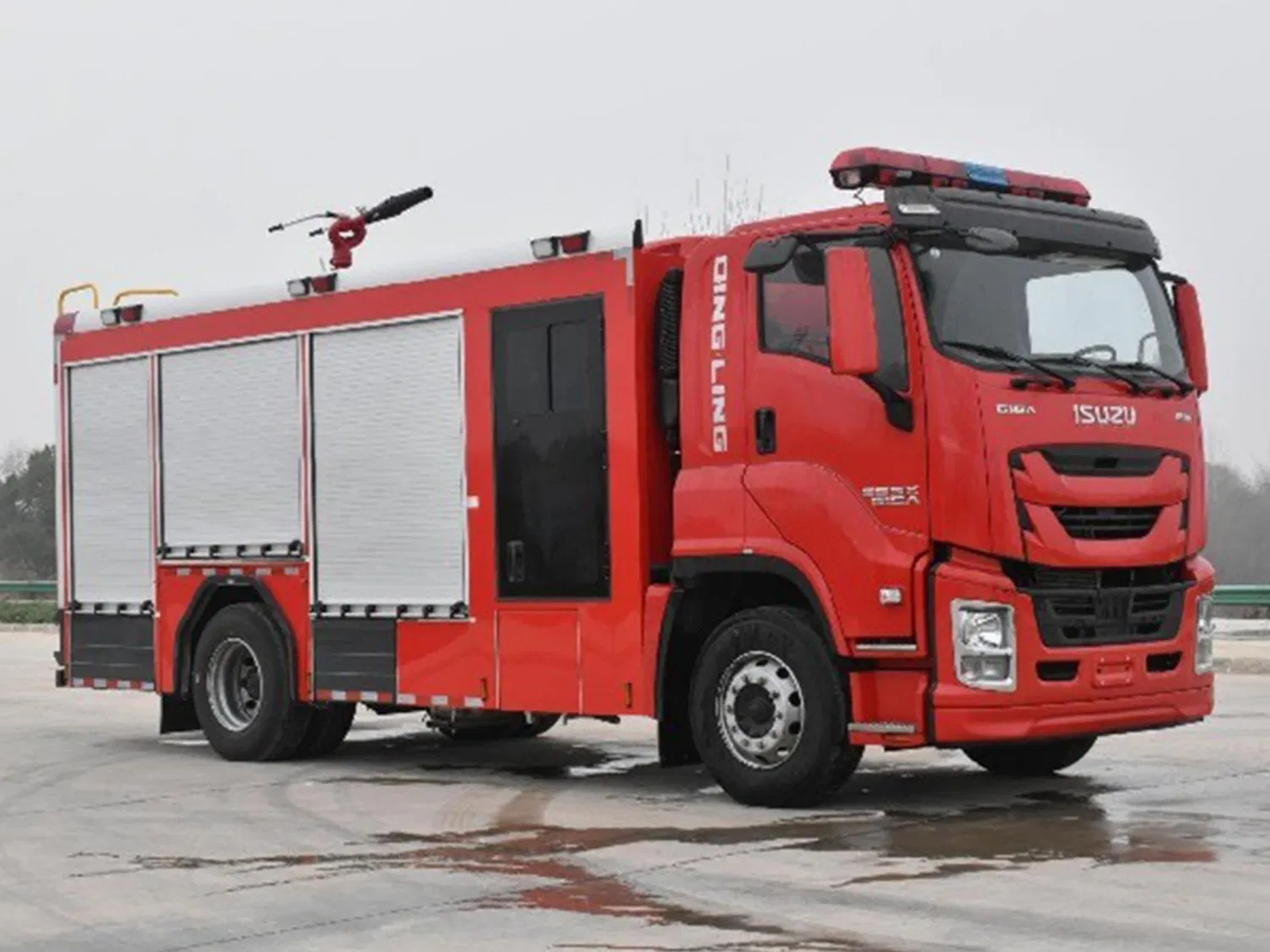
Nigeria (LHD · West Africa)
|

Kenya (RHD · East Africa)
|
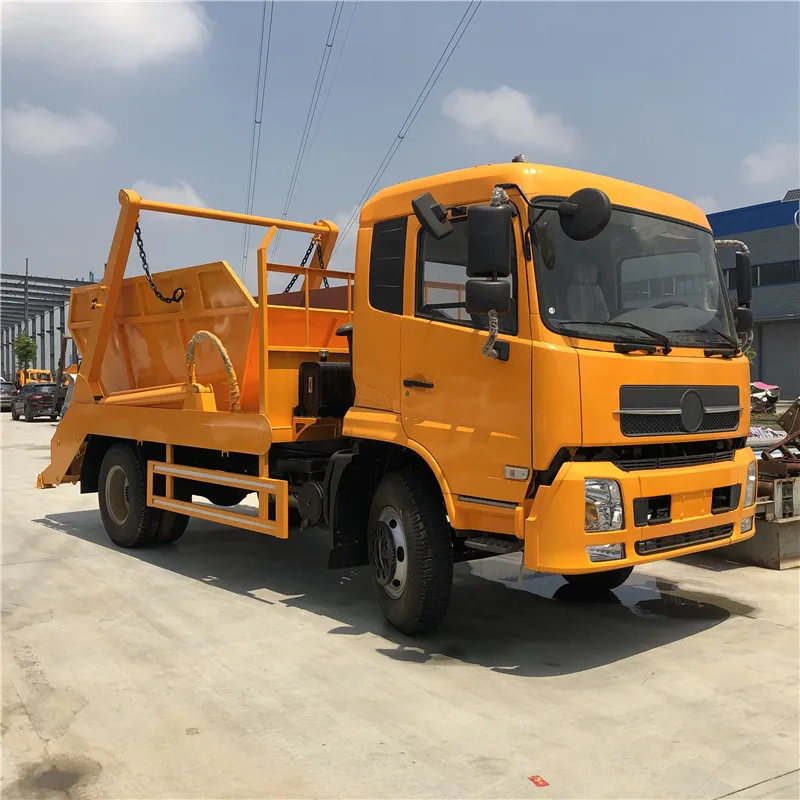
Ghana (LHD · West Africa)
|
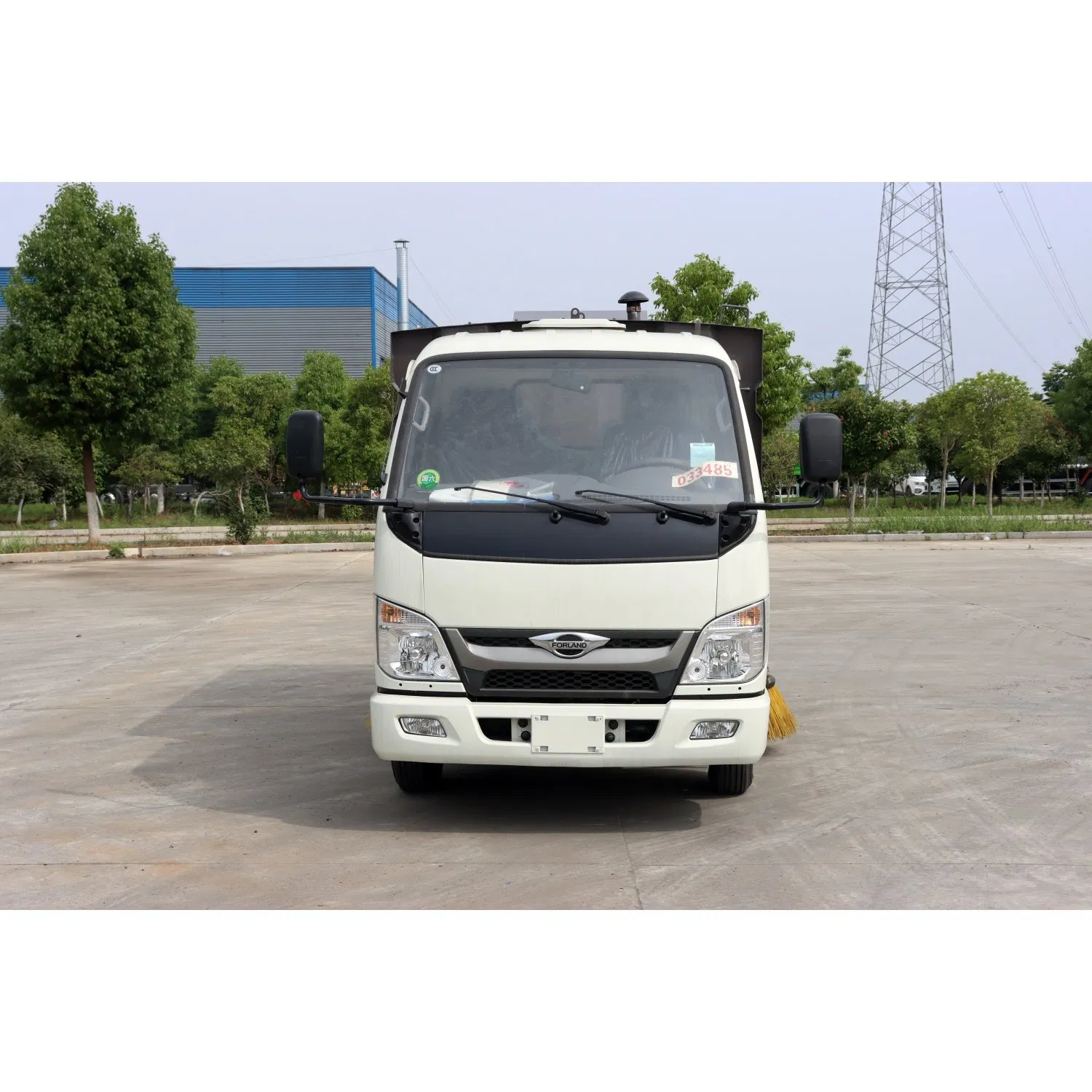
Tanzania & Zambia Corridor (RHD)
|
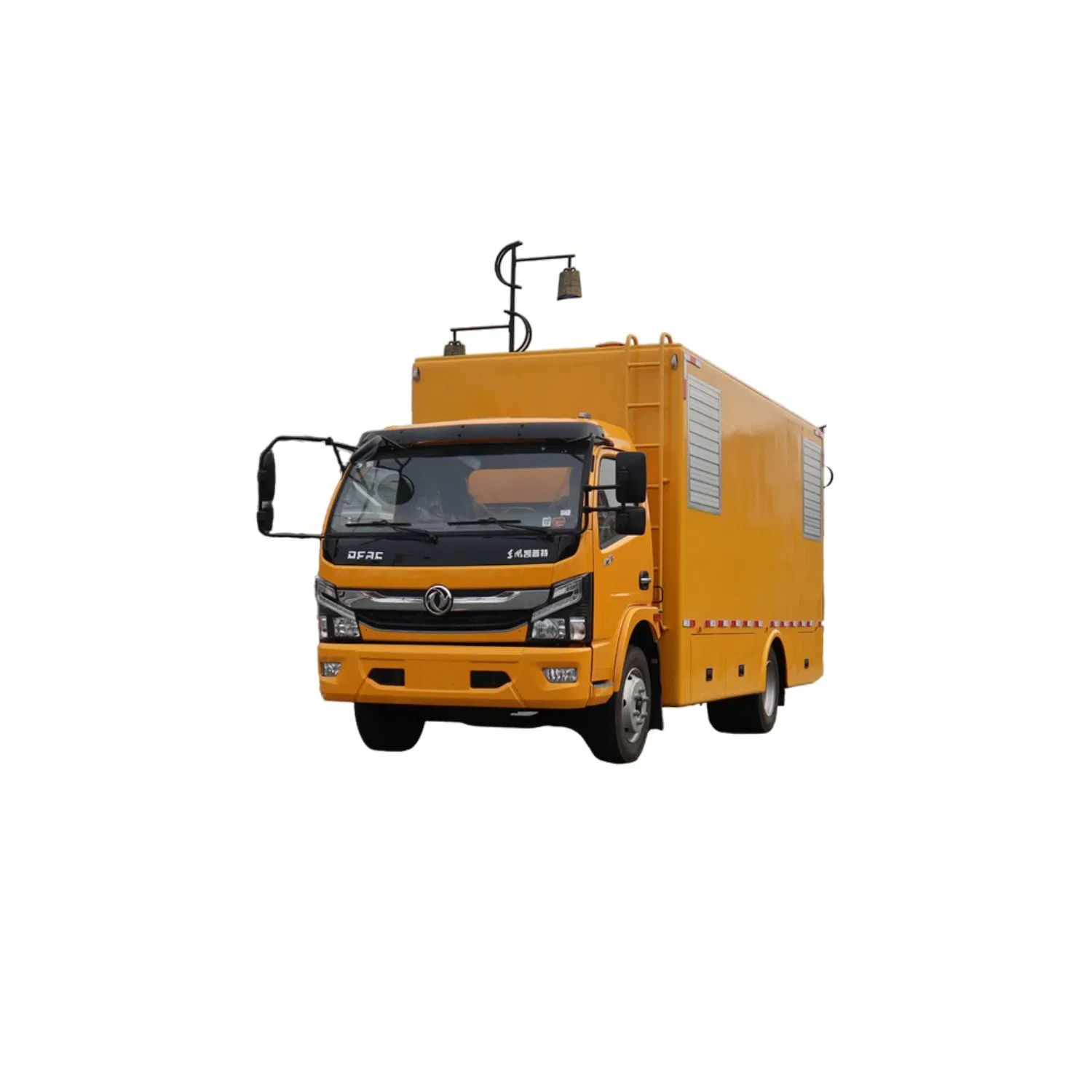
UAE & Oman (LHD · GCC 50 Hz)
|
Saudi Arabia & Qatar (LHD · GCC)
|
Export Preparation, Ro-Ro vs Container Packing & Compliance Checkpoints
Executing a trouble-free cross-border public fleet delivery hinges on four export-control disciplines handled before the ship leaves origin port:
- Complete Export & Bid Dossier: Tender-specific Manufacturer's Authorisation Form (MAF), Chamber-endorsed Certificate of Origin (CO), Commercial Invoice, Packing List, Clean On-Board Bill of Lading, Marine Insurance Certificate (for CIF/CIP contracts), VIN/Engine Number Schedule, and factory functional test certificates (hydrostatic, pump curve, oxygen/electrical, or load-bank).
- Pre-Shipment Conformity Coordination: Early inspection booking (minimum 10 days before vessel cut-off) with SGS, Bureau Veritas, Intertek, or QISJ ensures SONCAP, KEBS PVoC, TBS PVoC, ZABS, or SABER certificates clear cleanly without delaying sailing schedules.
- Ro-Ro vs. Container Protection & Spares Crating: Standard vans fit cleanly into 40' HC containers; oversized fire apparatus, high-roof ambulances, and sanitation trucks travel below deck on specialized Ro-Ro car-carrier vessels to shield electronics from salt spray. Bundled 2-year preventive spare parts kits are packed in ISPM-15 fumigated/plywood export crates with itemized packing lists matching customs declarations.
- Standards Alignment & Commissioning: Superstructures are engineered to match buyer-cited tender clauses referencing EN 1789, EN 1846, NFPA, or EN 1501 functional parameters upon request (formal third-party type-approval certificates are verified in writing only where explicitly contracted), supported by English, French, or Arabic manuals and optional on-site crew commissioning.
Compliance & Regulatory Note: Last updated November 2026. Customs tariff bands, VAT/duty waivers for Ministries and NGOs, and pre-shipment agency mandates are verified prior to shipment against current national regulations.
Frequently Asked Questions
1. Which African countries require Left-Hand Drive (LHD) vs. Right-Hand Drive (RHD) public vehicles?
In West and Central Africa—including Nigeria, Ghana, Senegal, Ivory Coast, and Cameroon—Left-Hand Drive (LHD) is legally required. In East and Southern Africa—including Kenya, Tanzania, Zambia, Zimbabwe, Uganda, Malawi, and South Africa—Right-Hand Drive (RHD) is legally required for road registration.
2. Why do RHD fire trucks and ambulances take longer to deliver than LHD units?
Commercial truck and 4x4 chassis factories produce LHD rolling stock in higher continuous volumes. RHD chassis require dedicated factory build slots, RHD dashboards, steering boxes, and RHD-beam headlamps—typically adding 2 to 4 weeks to factory production time (55–85 days total build for RHD vs. 40–65 days for LHD).
3. Can an LHD vehicle be converted to RHD before shipping to Kenya or Tanzania?
No—and public procurement authorities strictly prohibit aftermarket LHD-to-RHD steering conversions. Conversions fail KEBS/TBS pre-shipment inspections, void chassis warranties, and introduce severe steering-safety liabilities. Always specify genuine factory-built RHD chassis directly from the production line.
4. What happens if a public fleet ships without SONCAP, KEBS PVoC, or SABER certification?
Cargo arriving at Lagos, Mombasa, Dar es Salaam, or Jeddah/Dammam without mandatory pre-shipment conformity clearance faces customs holds, heavy daily port demurrage fees, punitive destination inspection fines (often 15% of CIF value), or forced re-export. Always complete accredited SGS, BV, Intertek, or QISJ inspection before vessel loading.
5. What special technical adjustments are needed for Middle East (GCC) vs. Sub-Saharan Africa fleets?
Sub-Saharan African fleets prioritize Euro II/III fuel tolerance, heavy primary fuel-water separators, high ground clearance, and reinforced suspension for unpaved feeder roads. GCC Middle East fleets prioritize Euro IV/V emission compliance, 50°C+ desert cooling radiators and dual-compressor A/C, GCC GSO/SASO SABER alignment, and 60 Hz electrical systems specifically for Saudi Arabia.
Download 10-Country Import Checklist or Request Port-Delivered Quotation
Request Tender Technical Schedule & Bid Support
Share your target vehicle capacity, steering side (LHD/RHD), destination port and tender timeline to receive model technical schedules, dimensional drawings and clause-by-clause bid support.
Request Bid Quotation & Technical Schedule | Review Tender Documents We Provide
Vehicle models to compare
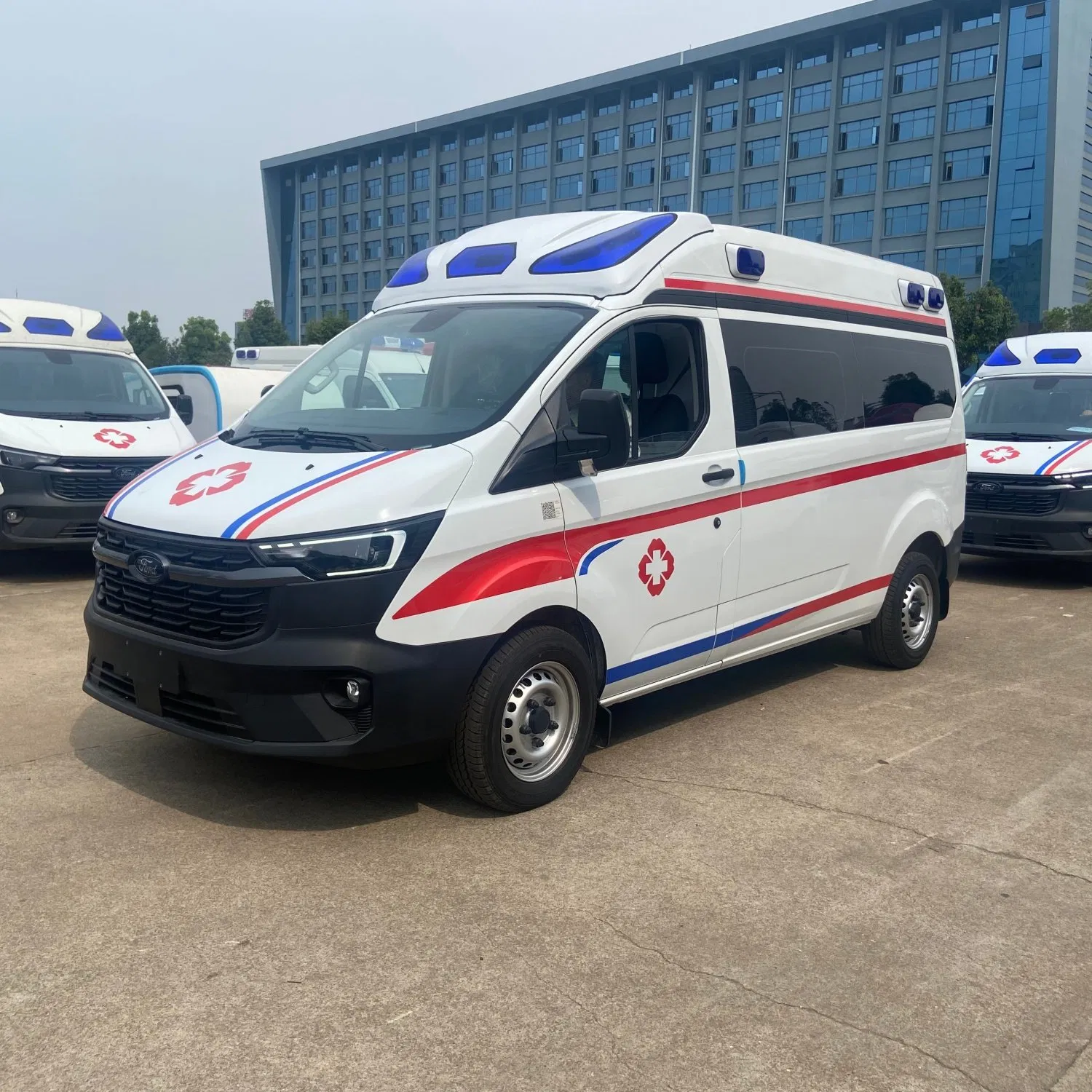
Patient Transport Ambulance CLW5030XJHCDP
The CLW5030XJHCDP is a patient transport ambulance built by Chengli Automobile Group for ministries of health, public hospitals and humanitarian NGOs. Its manufacturer record lists a 3,300 kg GVW class and 162 kW engine output. Right-hand-drive availability, final equipment fit-out and export documentation are confirmed per contract for government and donor-funded tenders.
Patient Transport Ambulance CL5030XJH6AYS
The CL5030XJH6AYS is a 4x2 patient transport ambulance built by Chengli Automobile Group for ministries of health, public hospitals and humanitarian NGOs. Its manufacturer record lists a 2,900 kg GVW class and 186.4 kW engine output. Right-hand-drive availability, final equipment fit-out and export documentation are confirmed per contract for government and donor-funded tenders.
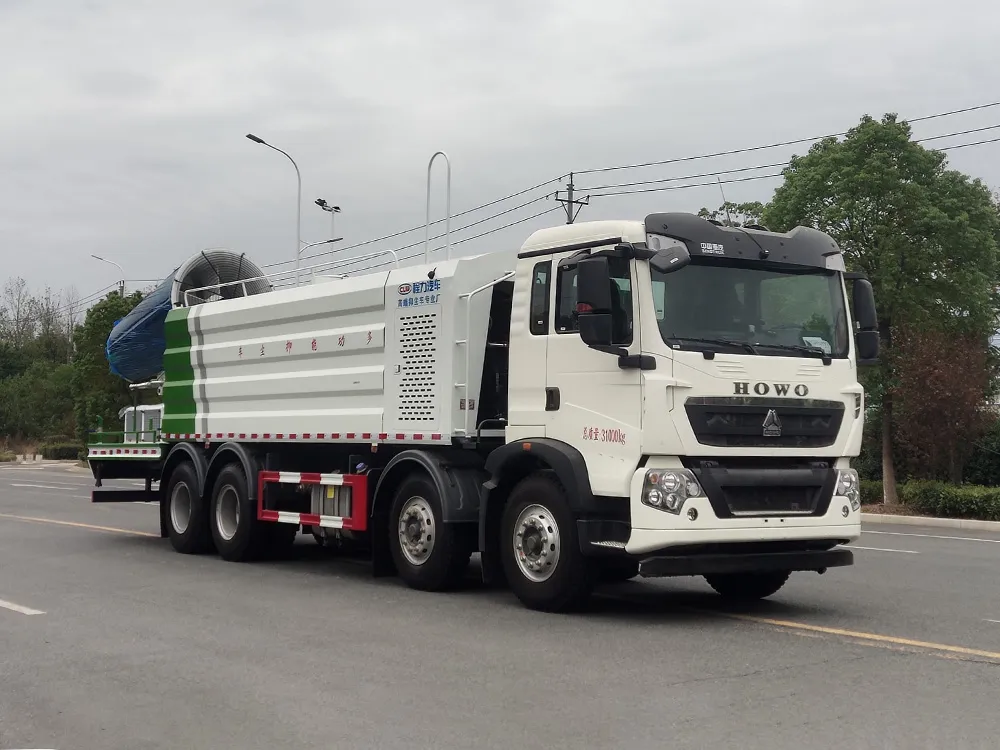
Dust Suppression Truck CL5310TDYZ6YC
The CL5310TDYZ6YC is a 8x4 Sinotruk-chassis dust suppression truck built by Chengli Automobile Group for city councils, municipal sanitation departments and public-works contractors. Its manufacturer record lists a 21 m³ key specification, a 31,000 kg GVW class and 257 kW engine output. Right-hand-drive availability, final equipment fit-out and export documentation are confirmed per contract for government and donor-funded tenders.
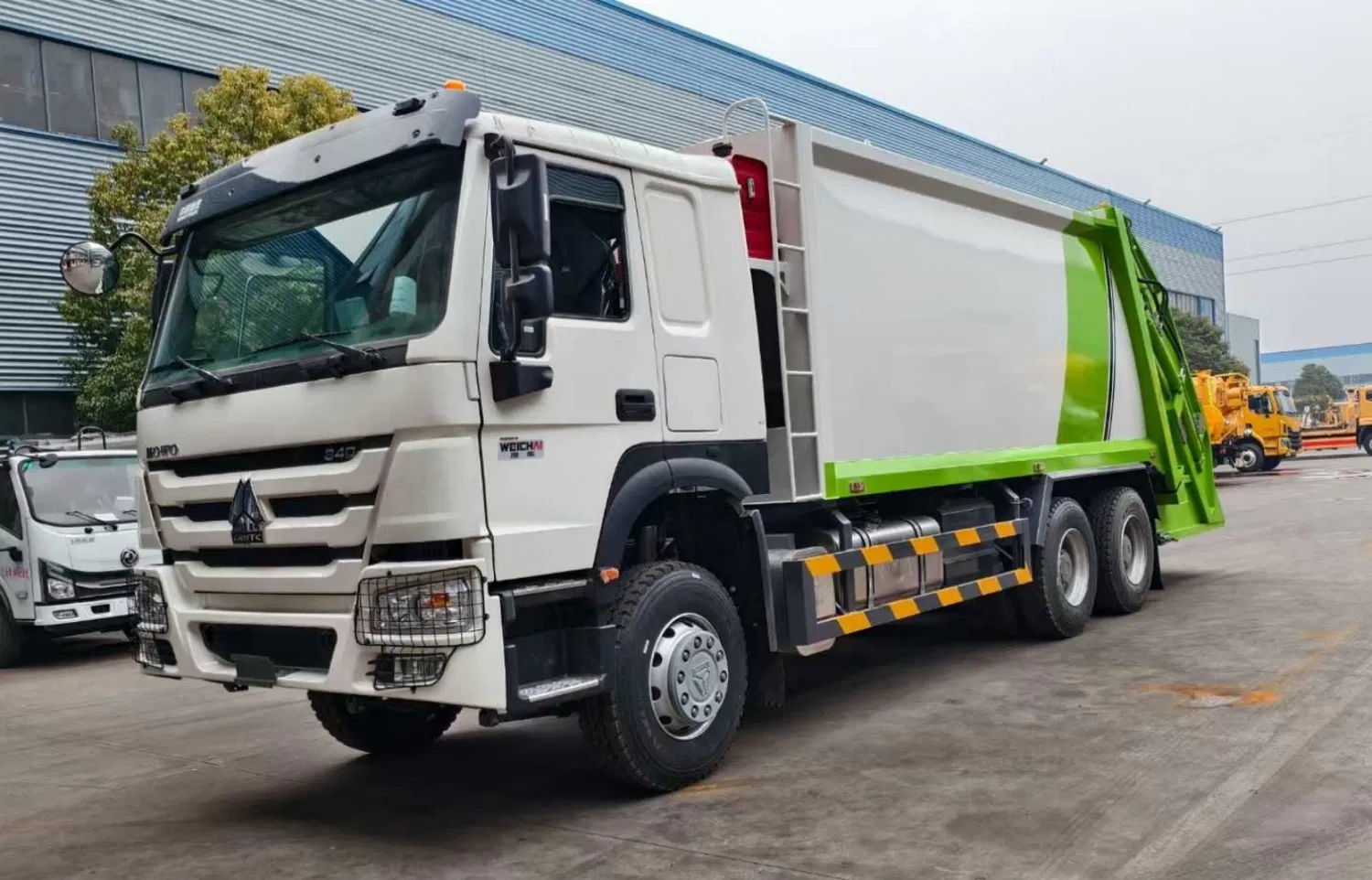
Refuse Compactor CLW5250ZYSAHJ
The CLW5250ZYSAHJ is a 6x4 refuse compactor built by Chengli Automobile Group for city councils, municipal sanitation departments and public-works contractors. Its manufacturer record lists a 20–23 m³ key specification and a 25,000 kg GVW class. Right-hand-drive availability, final equipment fit-out and export documentation are confirmed per contract for government and donor-funded tenders.
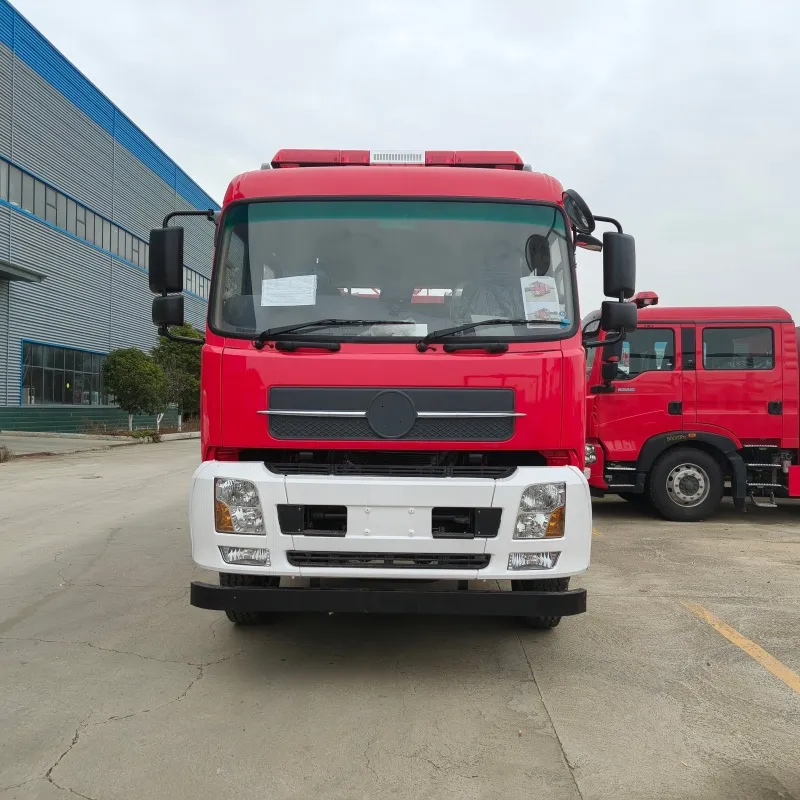
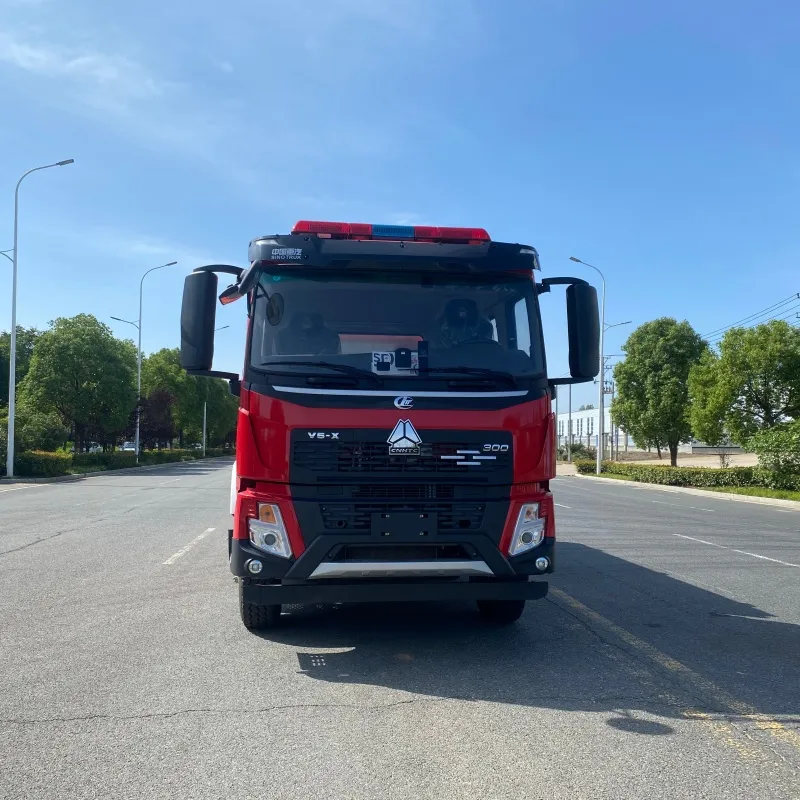
Foam Fire Truck CLW5190GXFPM50
The CLW5190GXFPM50 is a 4x2 foam fire truck built by Chengli Automobile Group for municipal fire brigades, civil defence agencies and industrial safety fleets. Its manufacturer record lists a 19,100 kg GVW class and 149.1 kW engine output. Right-hand-drive availability, final equipment fit-out and export documentation are confirmed per contract for government and donor-funded tenders.
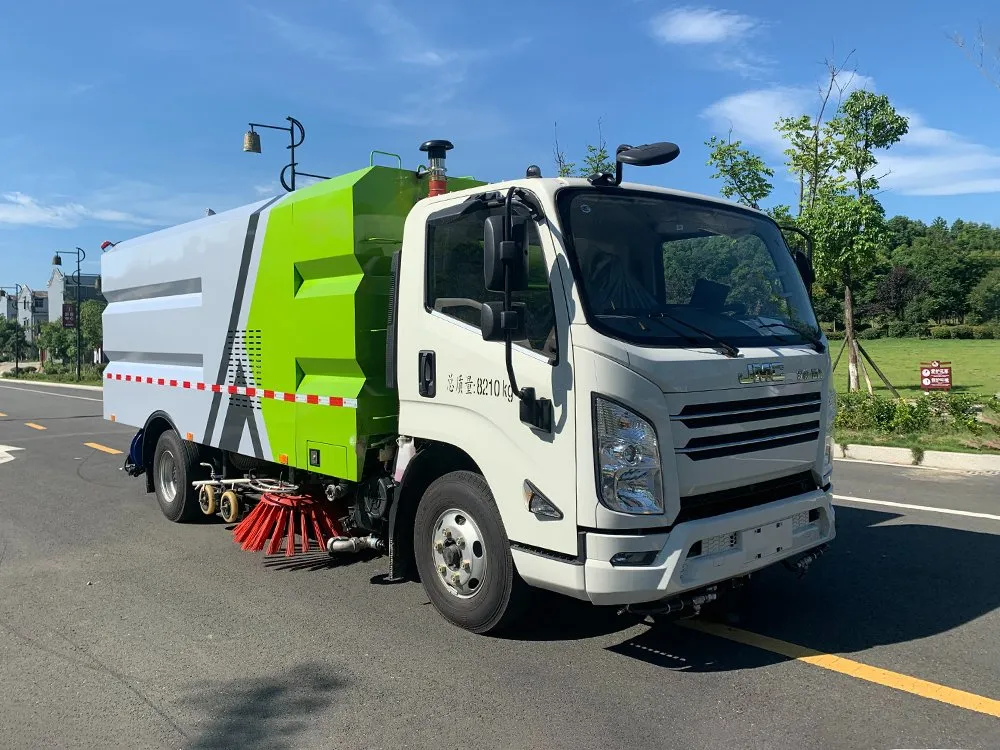
Washing-Sweeping Truck CLW5080TXSJ6
The CLW5080TXSJ6 is a 4x2 JMC-chassis washing-sweeping truck built by Chengli Automobile Group for city councils, municipal sanitation departments and public-works contractors. Its manufacturer record lists a 3 m cleaning width key specification, the JX1083TK26 chassis and a 8,210 kg GVW class. Right-hand-drive availability, final equipment fit-out and export documentation are confirmed per contract for government and donor-funded tenders.
TECHNICAL DOCUMENT REQUEST
Get the specification conversation started
Tell us your destination and vehicle requirement. PDF availability and the specification scope will be confirmed for the proposed model.