Public sector fleet procurement · Africa · Middle East · International tenders
[email protected]
PublicSectorVehicles

PUBLIC PROCUREMENT RESOURCES

Guides for vehicle procurement decisions

Procurement decision guides for government ministries, city councils and humanitarian NGOs preparing special-vehicle tenders. Covers specification comparison criteria, chassis and LHD/RHD selection, cost drivers, pre-shipment inspection planning and destination import considerations without speculative pricing or unverified claims.

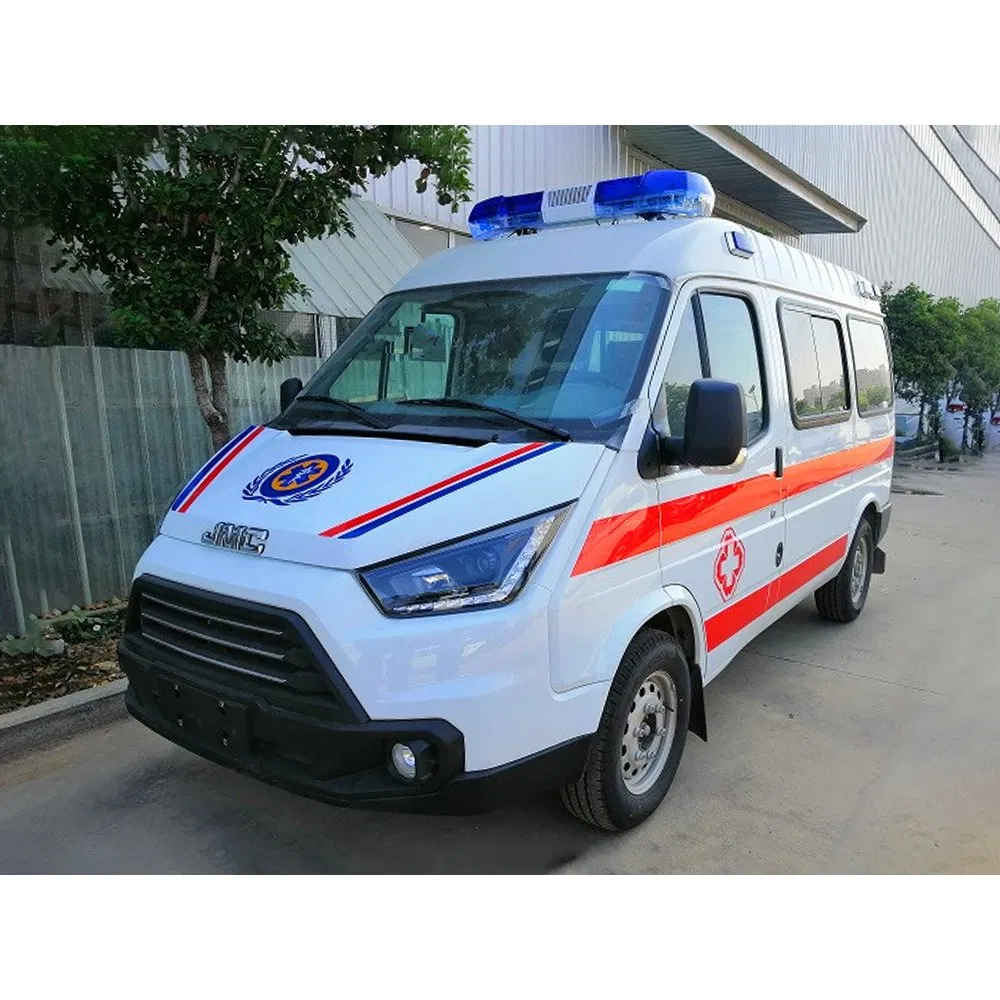
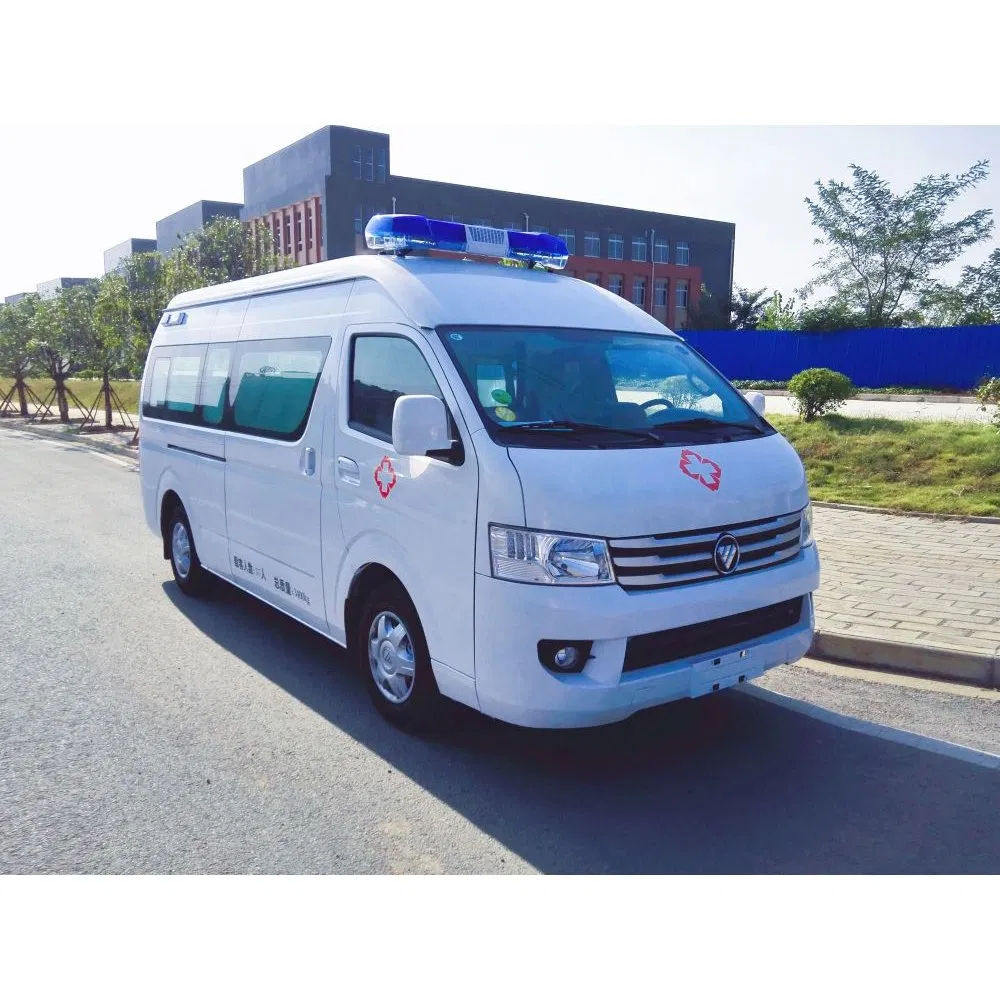
Standard Medical Equipment in a BLS Ambulance

Standard Medical Equipment in a BLS Ambulance

A standard Basic Life Support (BLS) ambulance—whether built on a Hiace-class van or a long-wheelbase high-roof chassis—includes five core operational subsystems: patient handling (auto-loading main stretcher, folding scoop stretcher, and spine board), dual-cylinder medical oxygen with regulators and outlets, auxiliary...

Potable Water Tanker Price: 5,000 L to 25,000 L

Potable Water Tanker Price: 5,000 L to 25,000 L

The FOB acquisition price of a food-grade potable water tanker from 5,000 L to 25,000 L is determined by five engineering variables: tank volume and chassis axle class (4x2, 4x4, 6x4, 8x4, or articulated semi-trailer), stainless steel grade (SUS 304 vs. marine/chlorine-resistant SUS 316L), sanitary pump and multi-tap...

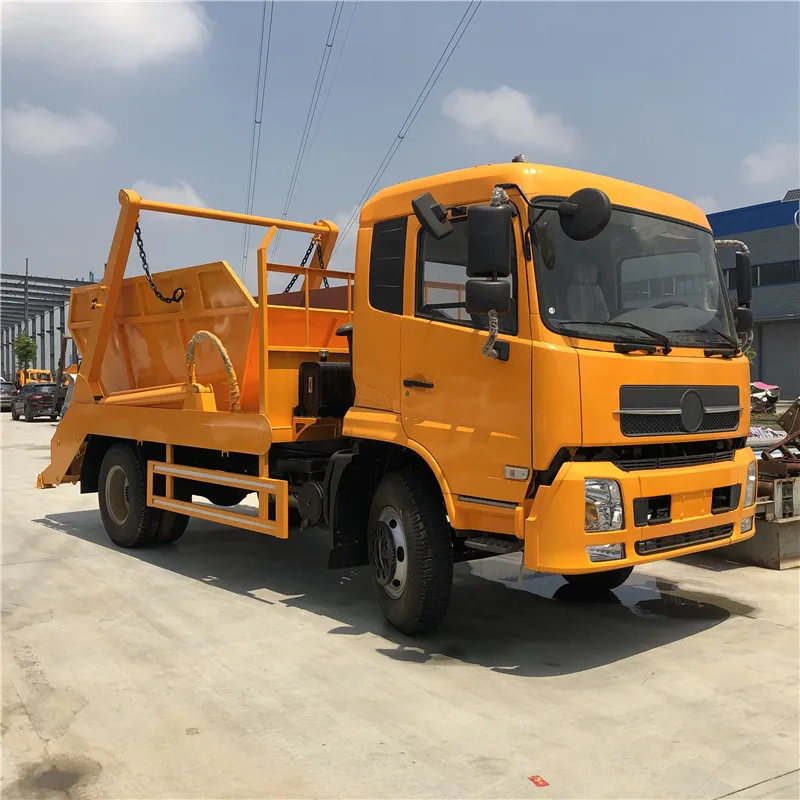
How to Specify a Food Waste Collection Truck

How to Specify a Food Waste Collection Truck

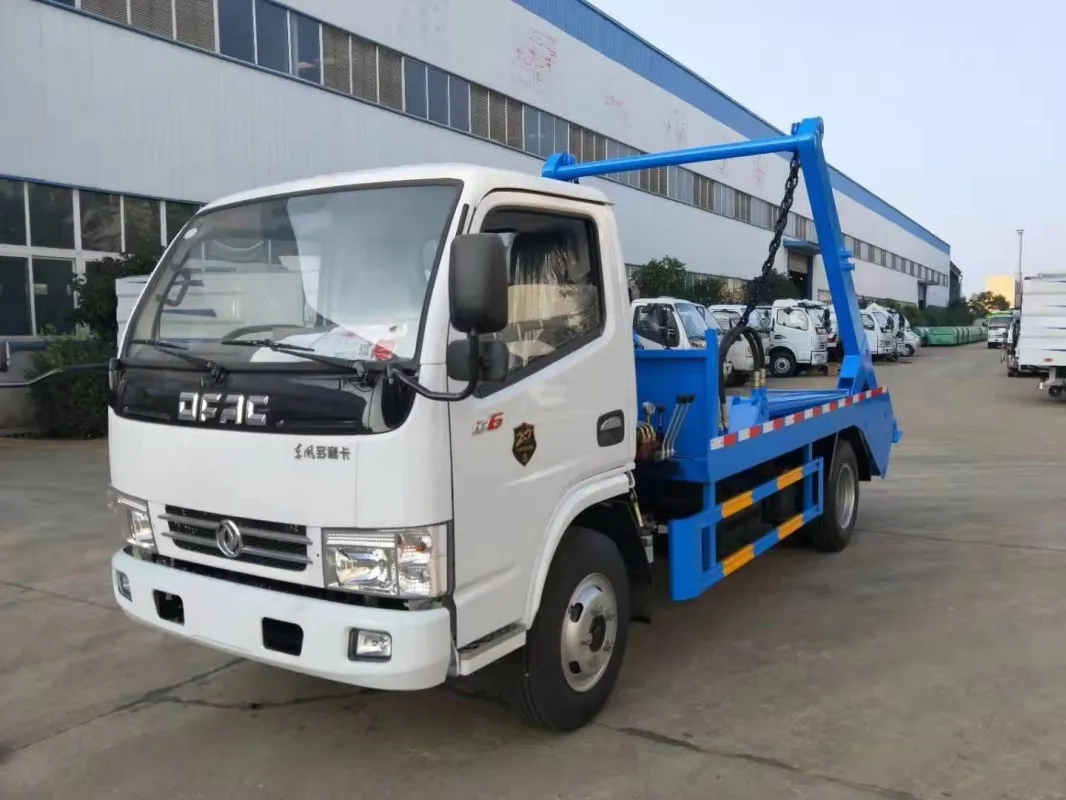
A tender-ready food waste collection truck specification must mandate five specialized engineering features that standard dry-refuse compactors lack: a fully sealed SUS 304 stainless steel tank or corrosion-proof body, a labyrinth silicone/EPDM rear-door seal with hydraulic locking hooks to eliminate odor and street...

How Many Garbage Trucks Does a City Need?

How Many Garbage Trucks Does a City Need?

As a baseline planning benchmark, a city requires approximately 1 active 12 m³ rear-loading compactor truck (carrying ~8 metric tons per trip across 2 daily trips) for every 20,000 to 25,000 urban residents—plus a mandatory 15% to 20% mechanical standby reserve—meaning a city of 500,000 residents generating 0.65...

4x4 Off-Road vs Van Ambulance for Rural Health

4x4 Off-Road vs Van Ambulance for Rural Health

For rural health networks, specify a 4x4 off-road ambulance whenever referral routes cross unpaved laterite tracks, seasonal floodplains, steep mountain gradients, or sandy arid zones where 4x2 vehicles routinely bog down; specify a 4x2 high-roof van ambulance when rural clinics connect to district hospitals via paved...

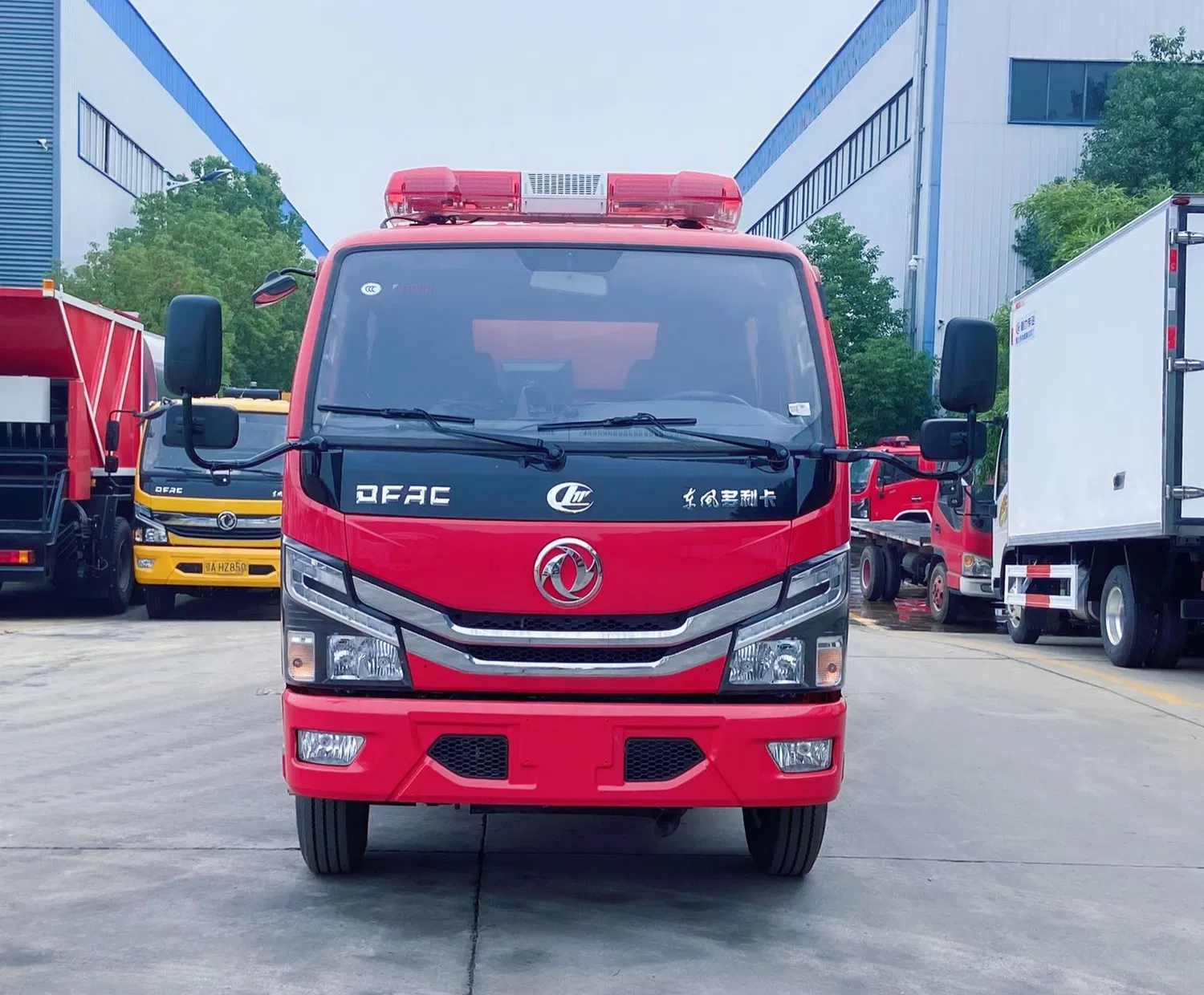
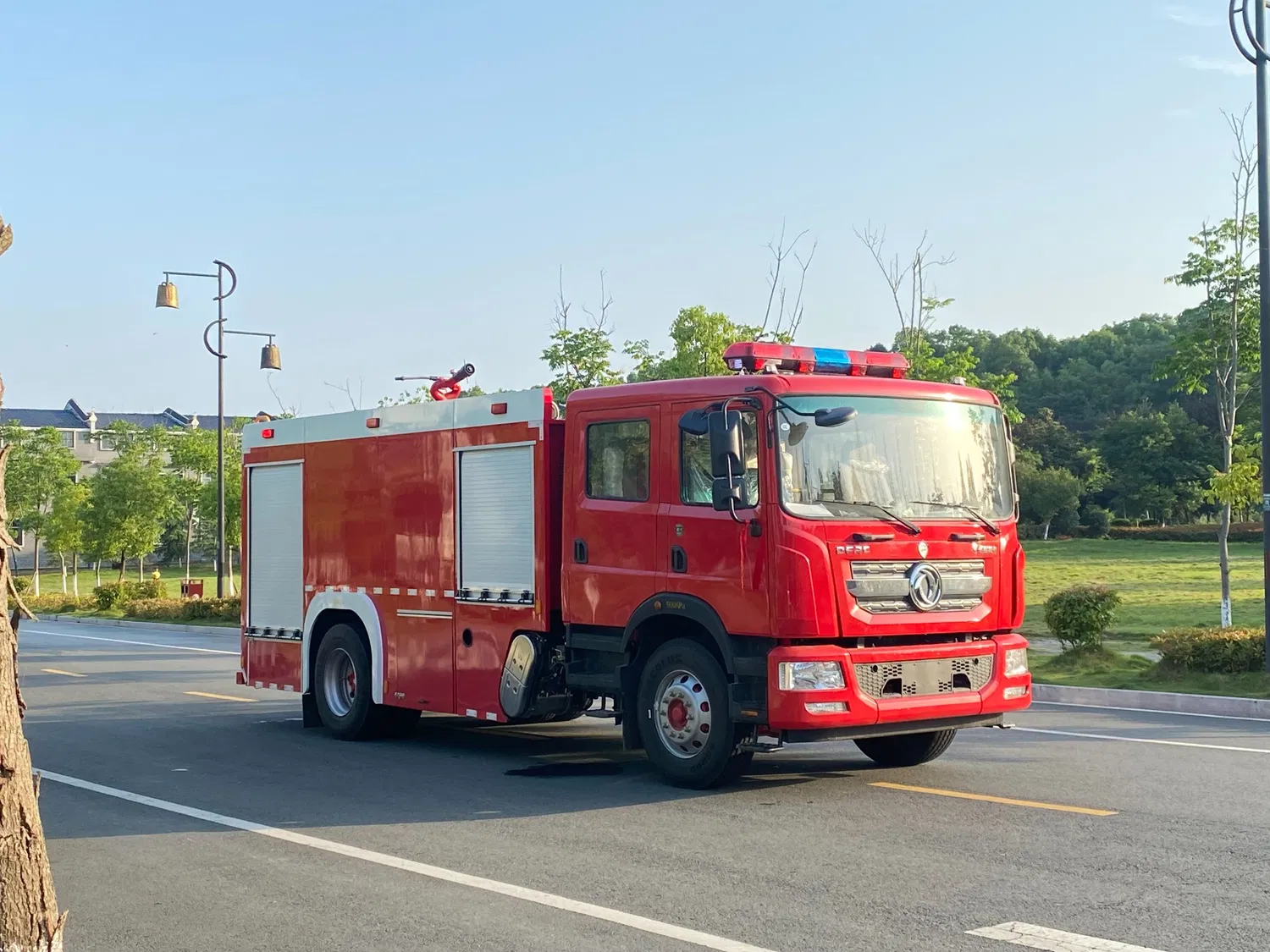
What Size Water Tank Does a Fire Truck Need?

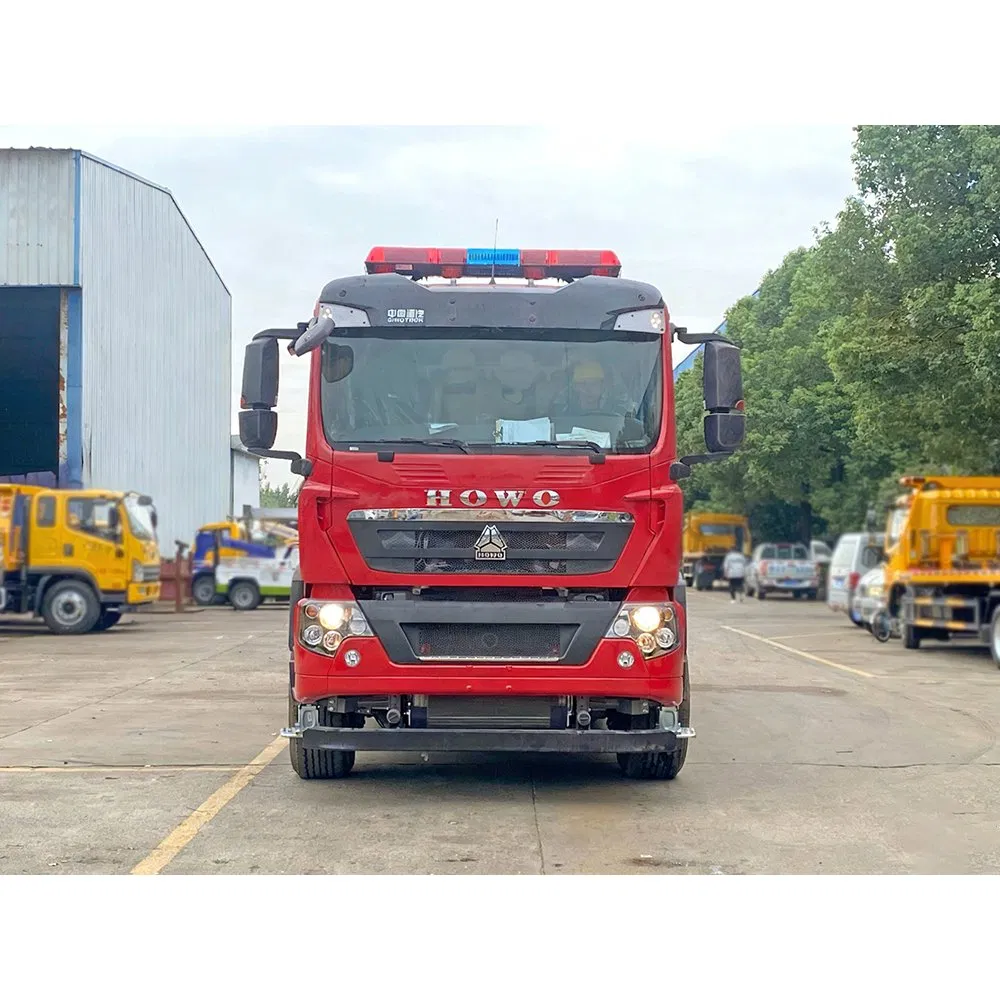
What Size Water Tank Does a Fire Truck Need?

A municipal fire truck needs a 3,000–4,500 L tank for narrow urban alleys and markets, a 6,000–8,000 L tank for standard city and county first-out stations, a 10,000–12,000 L tank for arterial or industrial corridors with limited hydrants, and a 15,000–18,000 L tank for bulk water-relay tankers serving non-hydrant...

TECHNICAL DOCUMENT REQUEST

Get the specification conversation started

Tell us your destination and vehicle requirement. PDF availability and the specification scope will be confirmed for the proposed model.

Your information is used to respond to this procurement enquiry. Privacy policy