
Procurement guides
Potable Water Tanker Price: 5,000 L to 25,000 L
26 November 2026
The FOB acquisition price of a food-grade potable water tanker from 5,000 L to 25,000 L is determined by five engineering variables: tank volume and chassis axle class (4x2, 4x4, 6x4, 8x4, or articulated semi-trailer), stainless steel grade (SUS 304 vs. marine/chlorine-resistant SUS 316L), sanitary pump and multi-tap community distribution hardware, optional thermal insulation for arid heat, and steering orientation (LHD vs. RHD). Because potable drinking water units require certified food-grade stainless steel rather than bare carbon steel used in road-sprinkling bowsers, budget planning must separate hygiene-certified WASH builds from lower-cost industrial irrigation trucks.
WASH Procurement Resources & Bid Support
Primary Action: Request Potable Water Tanker Spec & Budget Matrix — 5,000 L to 25,000 L Food-Grade Stainless Specs & Cost Breakdown (Requires: Email or WhatsApp, Country, Tank Volume)*
Secondary Action: Request Bid Quotation — Get an itemized FOB or CIF budget quote for rigid or semi-trailer potable tankers*
Potable Water Tanker Cost Tiers: 5,000 L to 25,000 L
Water utilities, drought-relief directorates, and humanitarian WASH programs across East and West Africa and the Middle East procure drinking-water bowsers across four standard capacity brackets. Because exact FOB USD quotations fluctuate with chassis brand, stainless steel plate thickness, and LHD/RHD allocations, the table below benchmarks relative capital tiers and hardware cost drivers (confirmed FOB/CIF pricing is issued in writing against your final Bill of Quantities).
| Capacity Tier | Relative Budget Index | Chassis & Axle Layout | Food-Grade Tank Spec | Pump & Discharge Architecture | Primary Public Deployment | Actions |
|---|---|---|---|---|---|---|
| 5,000 L – 6,000 L (Compact & Rural WASH) |
1.0x Baseline (4x4 adds +25%–35%) |
4x2 or 4x4 Light/Medium Duty (9–12 Ton GVW) | 4 mm SUS 304 stainless steel, 2 internal baffles, 1 lockable sanitary manhole | 304 SS centrifugal water pump (30–40 m³/h) + rear gravity valve + 4–6 community tap bar | Rural villages, mountainous health posts, narrow peri-urban lanes, NGO camp distribution | View Models | Get Spec/Quote |
| 10,000 L – 12,000 L (Municipal Standard) |
1.35x – 1.65x | 4x2 Heavy Duty (16–18 Ton GVW | 220–270 HP) | 4–5 mm SUS 304 or 316L stainless steel, food-grade weld passivation, level sight gauge | Sanitary stainless steel pump (45–60 m³/h), self-priming suction + 30 m food-grade hose reel | Municipal water utilities, town rationing relief, school & hospital emergency water supply | View Models | Get Spec/Quote |
| 15,000 L – 20,000 L (Heavy Bulk Distribution) |
1.85x – 2.25x | 6x4 Tandem Rear Axle (25–31 Ton GVW | 336–380 HP) | 5 mm SUS 304 or 316L stainless steel, 3–4 surge baffles, dual sanitary manholes, optional insulation | High-flow 304/316L pump (60–80 m³/h), elevated tank-fill discharge + gravity manifold | Regional drought emergencies, refugee camp bladders, municipal reservoir replenishment | View Models | Get Spec/Quote |
| 25,000 L (Maximum Rigid / Semi-Trailer) |
2.35x – 2.85x+ (8x4 Rigid vs. 6x4 Tractor + Tanker Trailer) |
8x4 Heavy Rigid (35–40 Ton GVW) or 6x4 Prime Mover + 3-Axle Tanker Semi-Trailer | 5–6 mm SUS 304/316L food-grade stainless steel, multi-compartment anti-surge baffles, optional 50 mm PU insulation | PTO-driven or independent auxiliary diesel sanitary pump (60–90 m³/h) + flow meter + bottom-loading option | Long-distance inter-county bulk water haulage, desalination plant transport, arid highway corridors | View Models | Get Spec/Quote |
Tank Material Cost Drivers: 304 vs 316L Stainless Steel vs Lined Carbon Steel
The single largest pricing gap buyers notice when comparing water tanker quotations online—often 20% to 40% on the exact same chassis—comes down to what metal touches the drinking water.
- Why Bare Carbon Steel Is Disqualified for Potable Water: Standard municipal road-sprinkling and construction dust-suppression trucks use Q235 mild carbon steel tanks. Even with basic interior paint, mild steel rusts rapidly when exposed to chlorinated municipal drinking water, failing WHO/UNICEF turbidity and iron-content thresholds.
- Food-Grade Epoxy-Lined Carbon Steel (Budget Compromise Only): Some entry-level municipal bids accept heavy carbon steel tanks blasted to Sa 2.5 and coated with NSF/ANSI 61-referenced potable epoxy resin. While this reduces initial tank fabrication cost by roughly 20%–30% compared to stainless steel, internal coatings can chip over rough unpaved roads or crack near welded baffles after 3 to 5 years, requiring expensive sandblasting and recoating.
- SUS 304 Food-Grade Stainless Steel (Global B2G & WASH Benchmark): The standard material across potable water tankers for Ministries of Water, county governments, and NGOs. SUS 304 resists corrosion from treated freshwater, requires zero interior re-coating over a 10- to 15-year service life, and cleans easily with chlorine shock disinfection. Interior longitudinal and circumferential weld seams must be ground smooth and acid-pickled/passivated so bacteria cannot colonize rough weld beads.
- SUS 316L Marine-Grade Stainless Steel (High-Chlorine, Brackish & Coastal Specs): Adding molybdenum to the alloy makes 316L significantly more resistant to chloride pitting—making it essential when hauling heavily chlorinated emergency relief water, coastal desalinated water in Gulf/Middle East climates, or mineral-rich borehole water. Upgrading from 304 to 316L typically adds 10% to 18% to the tank superstructure cost.
- Optional 50 mm Thermal Insulation Cladding: In 45°C–50°C Sahelian or Middle Eastern summers, drinking water inside an uninsulated stainless tank heats rapidly during 4-hour hauls. Adding 50 mm polyurethane foam or rockwool insulation wrapped in a brushed stainless or aluminum outer jacket preserves cool water temperature and adds roughly 8%–12% to tank fabrication cost.
Sanitary Pumps, Distribution Manifolds & 25,000 L Chassis Choices
Beyond the tank shell itself, three mechanical specifications heavily influence both acquisition price and daily delivery speed:
- Sanitary Stainless Steel Pump vs. Cast-Iron Irrigation Pump: A genuine potable tanker must pair its stainless tank with a 304 or 316L stainless steel self-priming centrifugal pump fitted with food-grade mechanical seals, stainless piping, and food-grade PVC/silicone suction and discharge hoses. Installing a cheaper cast-iron pump onto a stainless tank introduces rust contamination into every liter pumped to hospital overhead tanks.
- Community Tap Manifolds & Flow Metering: For drought relief and peri-urban settlements where residents fill 20-liter jerrycans directly from the truck, specify a rear lockable stainless steel gravity distribution bar with 6 to 8 brass/stainless quick-shutoff taps plus a digital or mechanical turbine potable water flow meter so water boards can audit exact delivered volumes per village.
- 25,000 L Format Choice — 8x4 Rigid Truck vs. 6x4 Tractor + Semi-Trailer: Procurement officers frequently ask about the price of a 25,000-liter water tanker. Carrying 25 metric tons of water plus ~5–6 tons of tank and subframe pushes gross combined weight to ~38–42 tons.
- An 8x4 rigid heavy chassis keeps total vehicle length compact (~10.5–11.5 m) for tighter urban hospital courtyards and town refill depots, while remaining within 4-axle legal limits on paved highways.
- A 6x4 tractor head + 3-axle 25,000–30,000 L stainless semi-trailer distributes axle loads even more cleanly across 6 axles (mandatory on strict axle-weighbridge corridors in Kenya, Tanzania, and Nigeria) and lets the fleet swap the tractor head if engine servicing is needed—typically carrying a modestly higher combined FOB cost than an 8x4 rigid unit.
Featured Potable Water Tanker Builds for Public Tenders
Compare four sanitary builds from our potable water tankers range designed for rural WASH access, urban utility distribution, and long-haul bulk relief.

5,000 L Rural & 4x4 WASH Potable Water Tanker
|
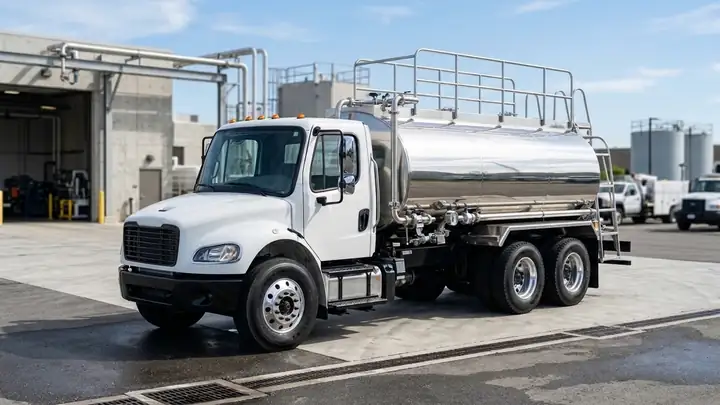
10,000 L Standard Municipal Potable Water Tanker
|
16,000 – 20,000 L Heavy 6x4 Bulk Potable Tanker
|
25,000 L Bulk Potable Tanker (8x4 Rigid / Semi-Trailer)
|
Food-Grade Documentation, Hygiene Testing & Export Compliance
Because potable water fleets directly impact public health, municipal utilities and international WASH agencies verify material provenance before releasing vessel shipment authorization:
- Mandatory Hygiene & Bid Submittals: Tender-specific Manufacturer's Authorisation Form (MAF), Certificate of Origin (CO), certified SUS 304 / 316L Stainless Steel Mill Test Certificate (MTC) verifying alloy chemical composition, tank hydrostatic leak-test certificate, interior weld passivation and sanitization confirmation, pump flow curve, and Pre-Shipment Inspection (SGS, Bureau Veritas, or Intertek) for SONCAP, KEBS PVoC, or TBS PVoC clearance.
- Standards & Engineering Alignment: Tank baffling geometry, sanitary stainless fittings, and food-contact material specifications are built to align with buyer-specified WHO WASH guidelines and national water authority tender clauses upon request. Formal third-party food-contact lab certifications are arranged in writing where explicitly mandated by the tender.
- Commissioning, Manuals & 2-Year Spares: Shipments include English/French/Arabic operating manuals covering tank chlorination and flushing schedules, optional on-site commissioning, and a recommended 2-year preventive spare parts kit (chassis filters, belts, stainless pump mechanical seals, food-grade EPDM manhole gaskets, ball valves, and camlock seals).
Compliance & Pricing Note: Last updated November 2026. Final FOB/CIF quotes are confirmed in writing based on chassis brand, SUS 304 vs. 316L plate grade, steering orientation (LHD/RHD), and destination port freight rates.
Frequently Asked Questions
1. What is the price of a 25,000-liter water tanker?
A 25,000-liter food-grade potable water tanker sits in the upper bulk-haulage budget tier (roughly 2.35x to 2.85x the cost of a baseline 5,000 L unit) because it requires either a heavy 8x4 rigid chassis (35–40 tons GVW) or a 6x4 tractor head paired with a 3-axle stainless steel semi-trailer, 5–6 mm certified SUS 304 or 316L stainless steel plate, and a high-flow sanitary stainless pump. Final landed pricing also varies by LHD/RHD chassis brand and Ro-Ro ocean freight rates.
2. Why is a potable water tanker more expensive than a standard road-sprinkler water truck?
A road-sprinkler truck uses uncoated mild carbon steel, an iron pump, and external spray nozzles unsuitable for human consumption. A potable water tanker uses certified food-grade SUS 304 or 316L stainless steel, ground and passivated internal welds, a stainless steel sanitary pump, food-grade hoses, and lockable tamper-proof manholes—raising superstructure fabrication cost by 25% to 45% while protecting drinking water safety.
3. Should our tender specify SUS 304 or SUS 316L stainless steel?
For treated municipal freshwater and general drought relief, SUS 304 food-grade stainless steel is the proven, cost-effective global standard. Upgrade to SUS 316L if your tanker will transport heavily chlorinated emergency relief water, coastal desalinated water, or high-salinity borehole water where chloride pitting is a risk.
4. For 25,000 L haulage in Kenya or Nigeria, should we specify an 8x4 rigid truck or a semi-trailer?
If your routes pass strict national highway axle-load weighbridges (such as Kenya's KeNHA or Nigeria's arterial corridors) or involve 100+ km bulk haulage, a 6x4 tractor + 3-axle stainless semi-trailer stays comfortably inside legal per-axle load limits. If the tanker must reverse into tighter town depots or unpaved county distribution yards, an 8x4 rigid tanker (or two 12,000–15,000 L trucks) maneuvers far more safely.
5. Can a potable water tanker be supplied with Right-Hand Drive (RHD) and KEBS/TBS inspection?
Yes. All capacities from 5,000 L to 25,000 L are available in both LHD (Nigeria, Ghana, West Africa, Middle East) and RHD (Kenya, Tanzania, Zambia, Zimbabwe) with full SGS, Bureau Veritas, or Intertek pre-shipment conformity inspection prior to vessel departure.
Download Potable Water Tanker Spec Matrix or Request FOB/CIF Quotation
Request Tender Technical Schedule & Bid Support
Share your target vehicle capacity, steering side (LHD/RHD), destination port and tender timeline to receive model technical schedules, dimensional drawings and clause-by-clause bid support.
Request Bid Quotation & Technical Schedule | Review Tender Documents We Provide
Vehicle models to compare
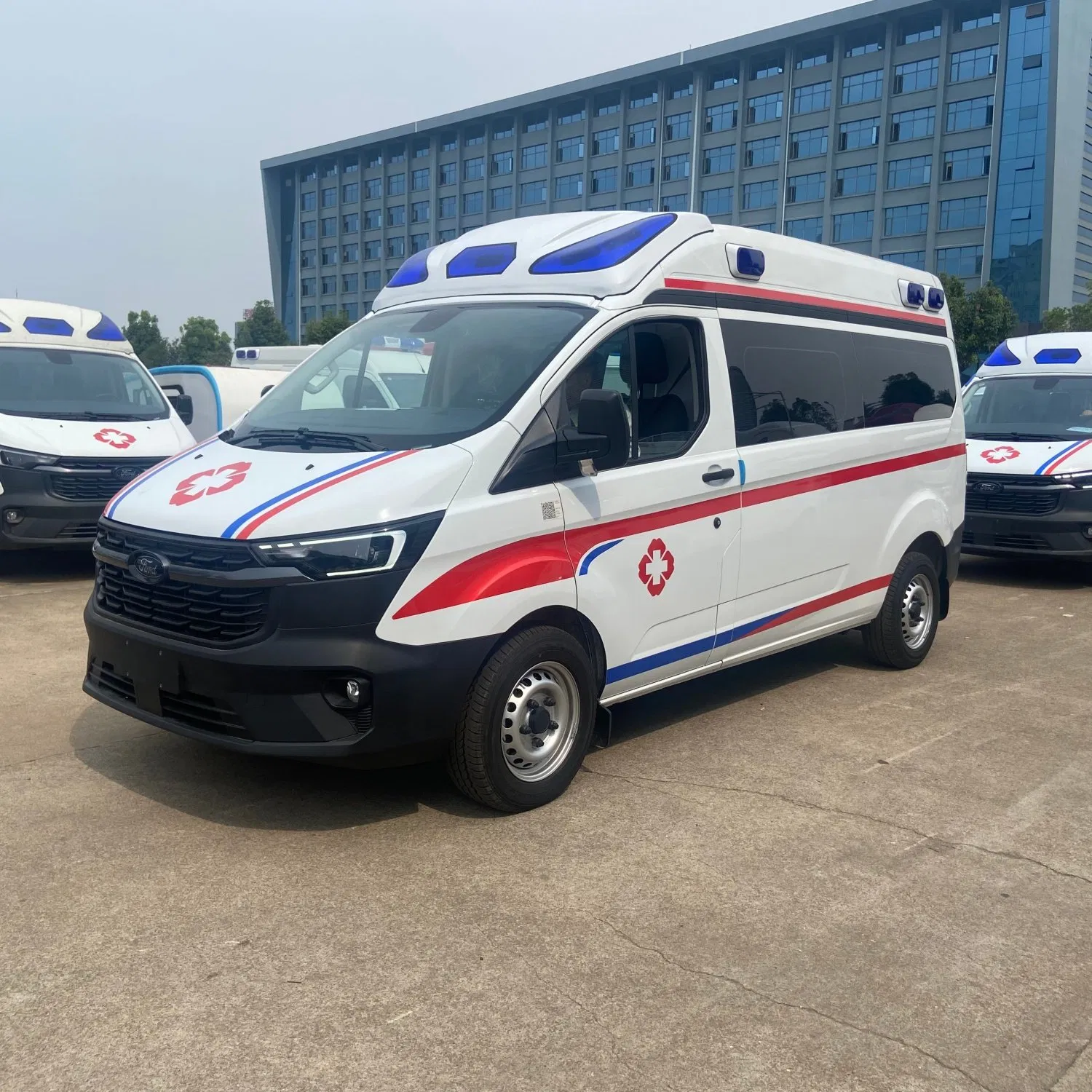
Patient Transport Ambulance CLW5030XJHCDP
The CLW5030XJHCDP is a patient transport ambulance built by Chengli Automobile Group for ministries of health, public hospitals and humanitarian NGOs. Its manufacturer record lists a 3,300 kg GVW class and 162 kW engine output. Right-hand-drive availability, final equipment fit-out and export documentation are confirmed per contract for government and donor-funded tenders.
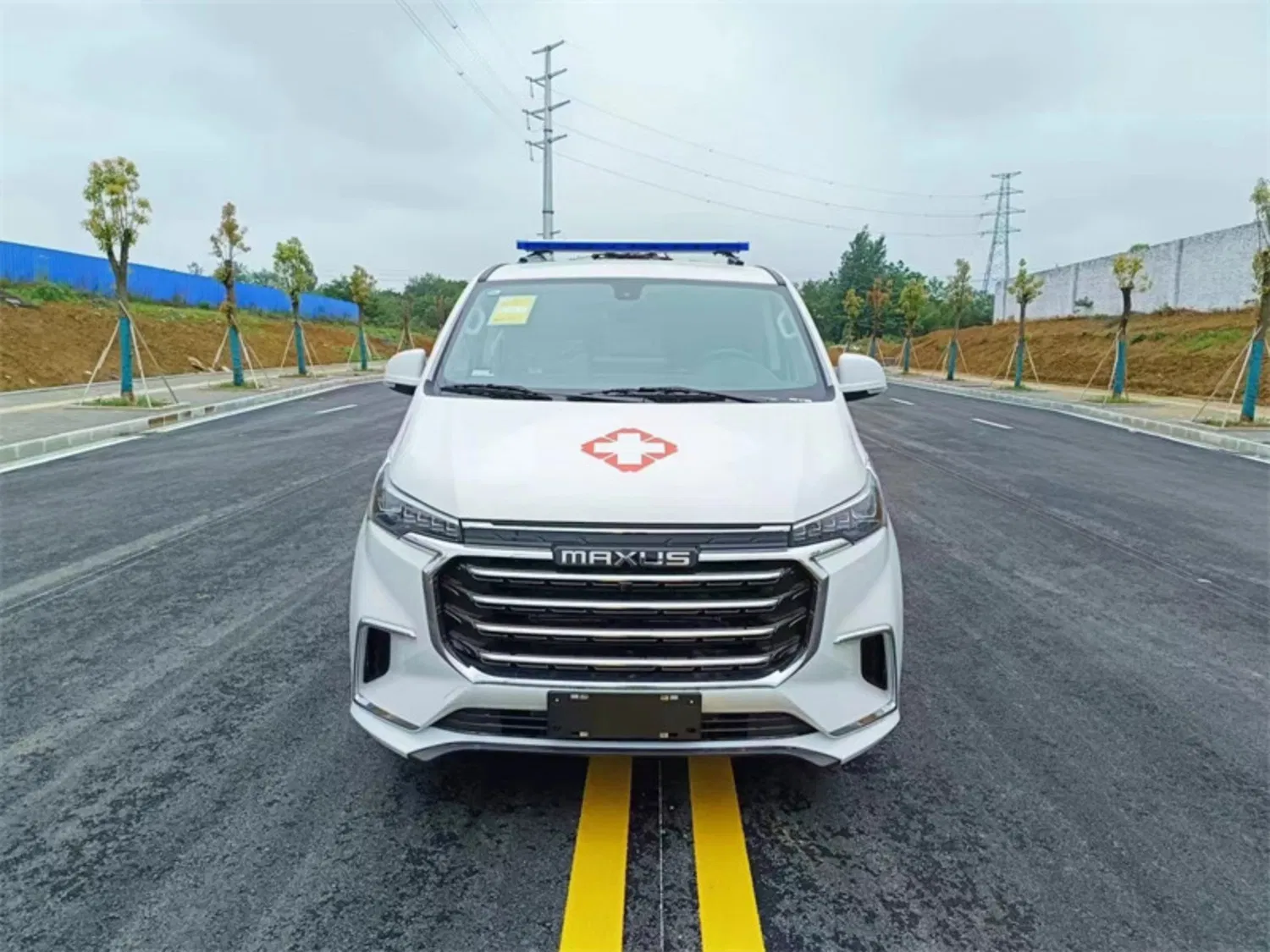
Patient Transport Ambulance CL5030XJH6AYS
The CL5030XJH6AYS is a 4x2 patient transport ambulance built by Chengli Automobile Group for ministries of health, public hospitals and humanitarian NGOs. Its manufacturer record lists a 2,900 kg GVW class and 186.4 kW engine output. Right-hand-drive availability, final equipment fit-out and export documentation are confirmed per contract for government and donor-funded tenders.
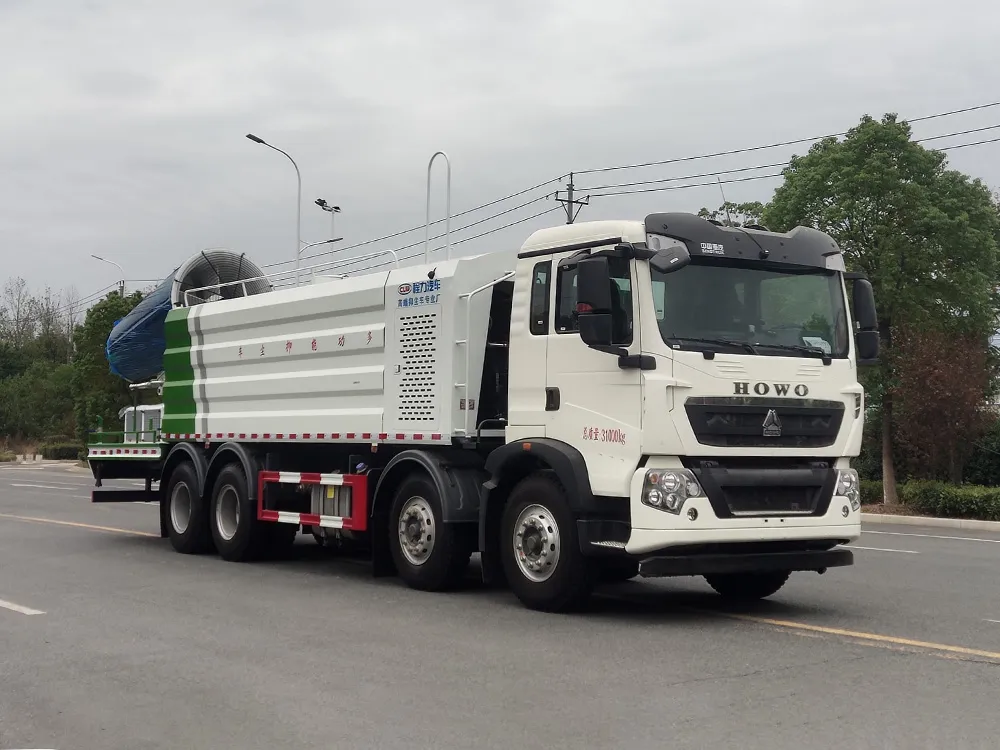
Dust Suppression Truck CL5310TDYZ6YC
The CL5310TDYZ6YC is a 8x4 Sinotruk-chassis dust suppression truck built by Chengli Automobile Group for city councils, municipal sanitation departments and public-works contractors. Its manufacturer record lists a 21 m³ key specification, a 31,000 kg GVW class and 257 kW engine output. Right-hand-drive availability, final equipment fit-out and export documentation are confirmed per contract for government and donor-funded tenders.
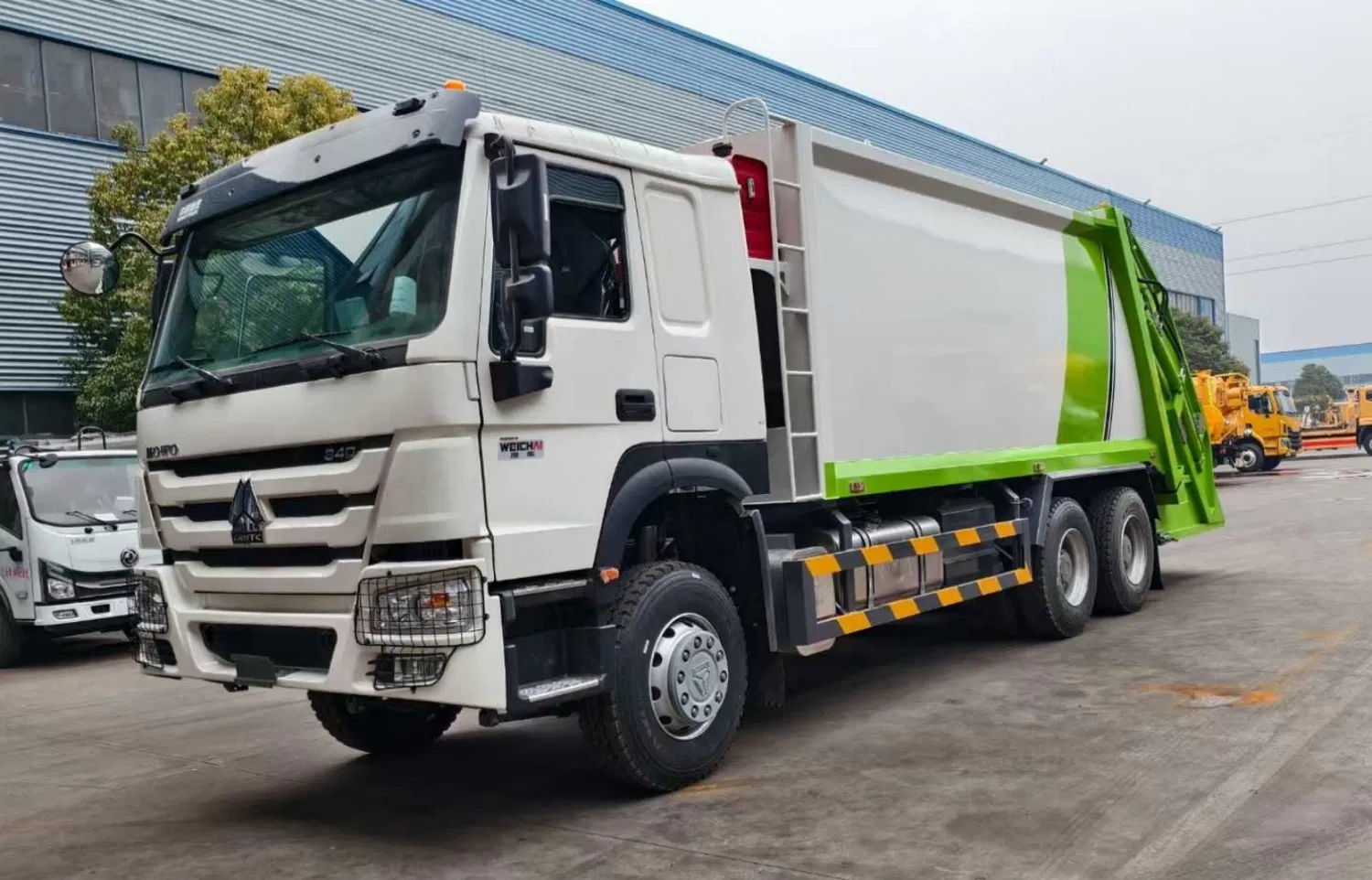
Refuse Compactor CLW5250ZYSAHJ
The CLW5250ZYSAHJ is a 6x4 refuse compactor built by Chengli Automobile Group for city councils, municipal sanitation departments and public-works contractors. Its manufacturer record lists a 20–23 m³ key specification and a 25,000 kg GVW class. Right-hand-drive availability, final equipment fit-out and export documentation are confirmed per contract for government and donor-funded tenders.
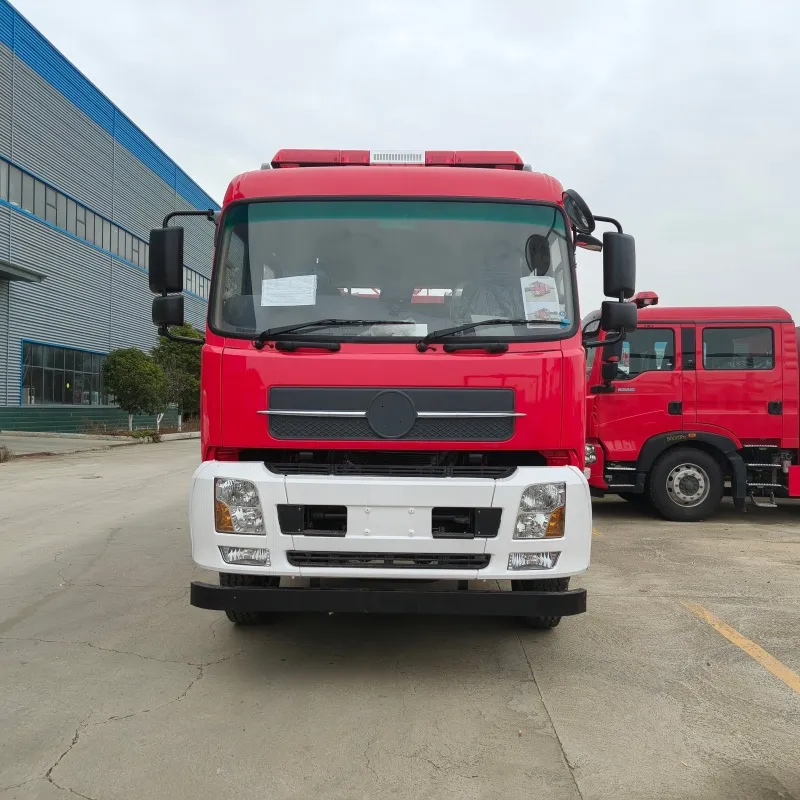
Foam Fire Truck CLW5190GXFPM50
The CLW5190GXFPM50 is a 4x2 foam fire truck built by Chengli Automobile Group for municipal fire brigades, civil defence agencies and industrial safety fleets. Its manufacturer record lists a 19,100 kg GVW class and 149.1 kW engine output. Right-hand-drive availability, final equipment fit-out and export documentation are confirmed per contract for government and donor-funded tenders.
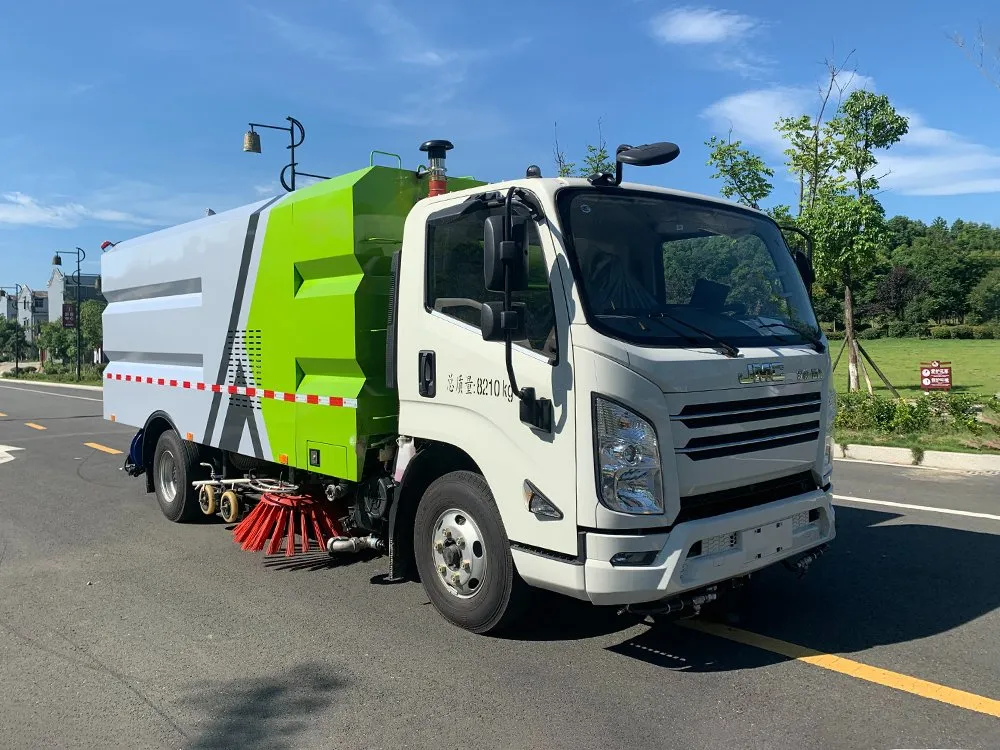
Washing-Sweeping Truck CLW5080TXSJ6
The CLW5080TXSJ6 is a 4x2 JMC-chassis washing-sweeping truck built by Chengli Automobile Group for city councils, municipal sanitation departments and public-works contractors. Its manufacturer record lists a 3 m cleaning width key specification, the JX1083TK26 chassis and a 8,210 kg GVW class. Right-hand-drive availability, final equipment fit-out and export documentation are confirmed per contract for government and donor-funded tenders.
TECHNICAL DOCUMENT REQUEST
Get the specification conversation started
Tell us your destination and vehicle requirement. PDF availability and the specification scope will be confirmed for the proposed model.