
PUBLIC FLEET PROCUREMENT
Plan water, power and medical support for field programmes
A field programme may need water distribution, temporary power and medical access at the same time. These duties should have separate equipment schedules and acceptance checks, even when they form one vehicle order. Begin with the sites being served, available access, local utilities and the team that will operate the equipment.
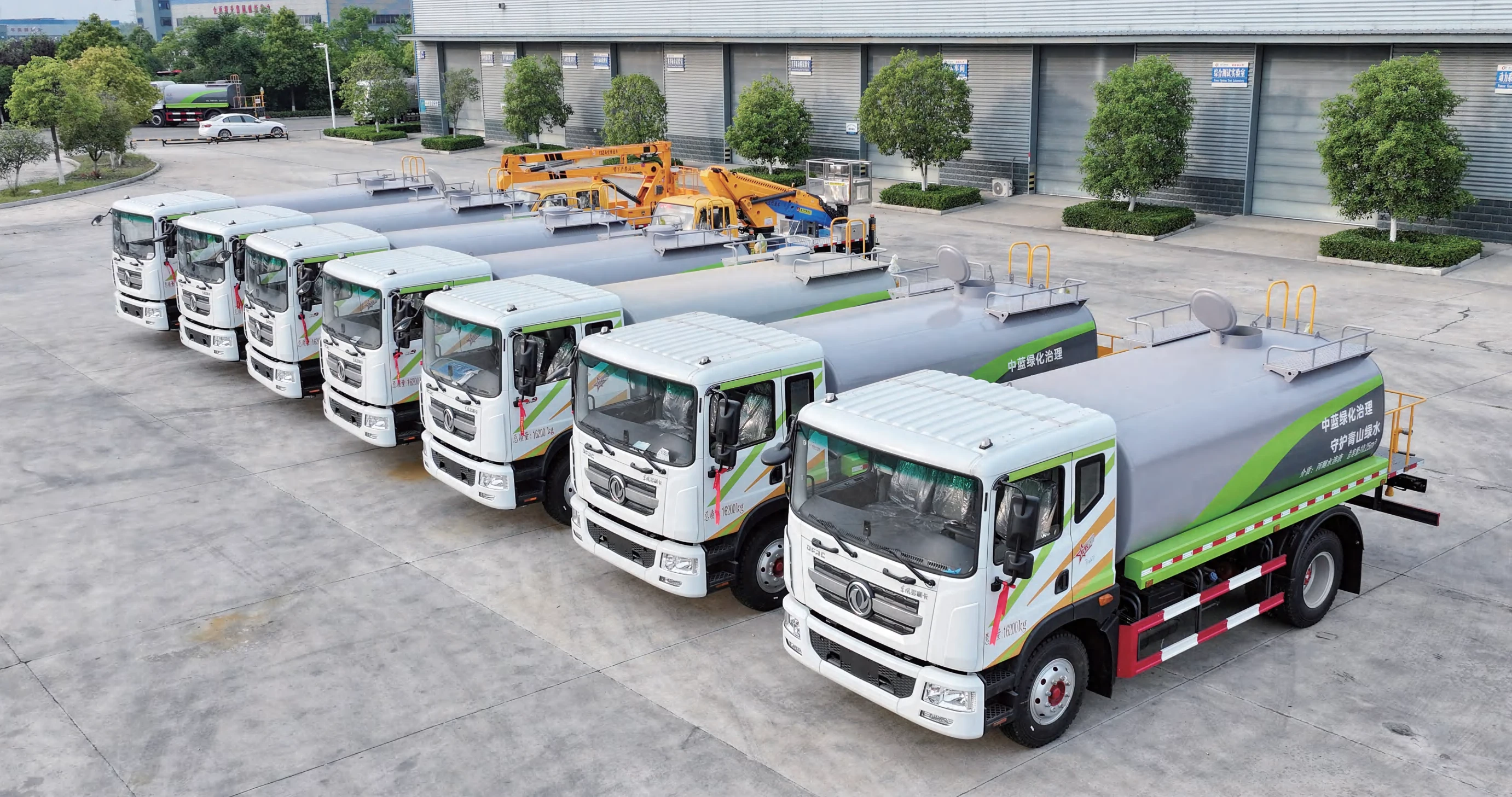
Develop three connected work packages
| Work package | Site information | Vehicle and equipment brief |
|---|---|---|
| Water distribution | Intended water use, source, refill route, delivery points and cleaning arrangements | Tank material, capacity, pump, hoses, outlets and the required records |
| Temporary power | Buyer-prepared load schedule, operating hours and connection arrangements | Generator duty, output, distribution equipment, protection, fuel and access for servicing |
| Medical access | Referral or outreach role, journey conditions and approved clinical equipment | Ambulance or mobile-clinic layout, crew, utility requirements and inventory |
For a drinking-water programme, the responsible water specialist should define the tank-contact materials, cleaning procedure and water-quality controls. For temporary power, the project's qualified electrical team should define the loads and site interfaces. We use these briefs to establish the vehicle supply scope.
Design for access and replenishment
Provide the route surfaces, gradients, bridge or access restrictions and the points where water or fuel can be replenished. Identify whether the vehicle will work from one fixed base or move between sites. These details help determine the proposed chassis, ground clearance, storage and auxiliary equipment.
Keep the field-support package practical
Plan common service items, relevant specialist spares, consumables and the tools needed by the receiving team. Mark locally sourced items separately so there is a clear responsibility for completing the operational package. Include operating manuals, equipment identification and instruction for daily checks and routine maintenance.
Coordinate phased delivery and acceptance
If the programme is delivered in stages, identify which vehicles, parts and training are required in each shipment. Use an inventory for each site or recipient. Agree the inspection records, handover demonstrations and document language before production is completed, particularly when several organisations are involved in receiving the fleet.
Emergency utility & humanitarian deployment matrix
Disaster relief, refugee camp operations and hospital outage preparedness require dependable mobile power and sanitary water logistics with clear donor-ready documentation.
| Relief function | Vehicle class | Critical tender parameters | Operational check |
|---|---|---|---|
| Hospital & shelter backup power | Emergency power supply vehicle | Prime/standby kVA, 50/60 Hz, acoustic canopy, cable reels | Verify peak motor-starting loads and fuel autonomy hours |
| Drinking water distribution | Potable water tanker (on request) | 304/316L food-grade stainless tank, sanitary pump, baffles | Never substitute non-potable sprinkler trucks for drinking water |
| Field primary healthcare | Mobile clinic truck | Consultation bay, vaccine cold-box power, shore/genset supply | Confirm ambient heat cooling and step/ramp accessibility |
| Outbreak patient referral | Negative pressure / transport ambulance | Sealed partition, HEPA filtration, O2 & stretcher layout | Verify road clearance and LHD/RHD steering requirements |
Published emergency power & medical outreach models
The models below are published in our current catalog with manufacturer specifications and can be used as baseline references when preparing tender technical schedules or requesting formal quotations:
| Model code | Vehicle role | Key listed parameters | Specification page |
|---|---|---|---|
| CLW5090XDY6 | Emergency Power Supply Vehicle (9 t class) | 4x2 | mobile backup generator for hospitals & shelters | View specifications |
| CLW5250XDYD6 | Heavy Emergency Power Supply Vehicle (25 t) | 6x4 | high-output utility & disaster site backup | View specifications |
| CL5040XYL6AYS | Mobile Clinic Outreach Unit | 4x2 | rural screening & vaccination outreach | View specifications |
| CL5046XJH6YS | JMC Negative Pressure Ambulance | 4x2 van | infectious isolation transfer | View specifications |
| CL5034XJH6YS | Patient Transport Ambulance (2,800 kg GVW) | 4x2 van | 135 kW | clinic-to-hospital referrals | View specifications |
Humanitarian fleet FAQs
Can generator voltage, frequency and cable lengths be customised?
Yes. 50 Hz (400/230 V) or 60 Hz output, automatic transfer switch (ATS) interfaces, acoustic attenuation and motorised cable reels are confirmed against your tender electrical schedule.
Why are potable water tankers quoted against project specifications?
True potable water delivery requires verified food-grade stainless steel or certified potable tank linings and sanitary pumping components; specifications are confirmed per contract rather than relabelling municipal sprinkler trucks.
Do you support UN, World Bank and international NGO procurement documentation?
Yes. Itemised USD quotations (FCA/FOB/CFR/CIF/DAP/CIP), pre-shipment SGS/BV inspection coordination, packing schedules and multi-language manuals (English, French, Arabic, Spanish, Russian) are supported.
Vehicle models to compare
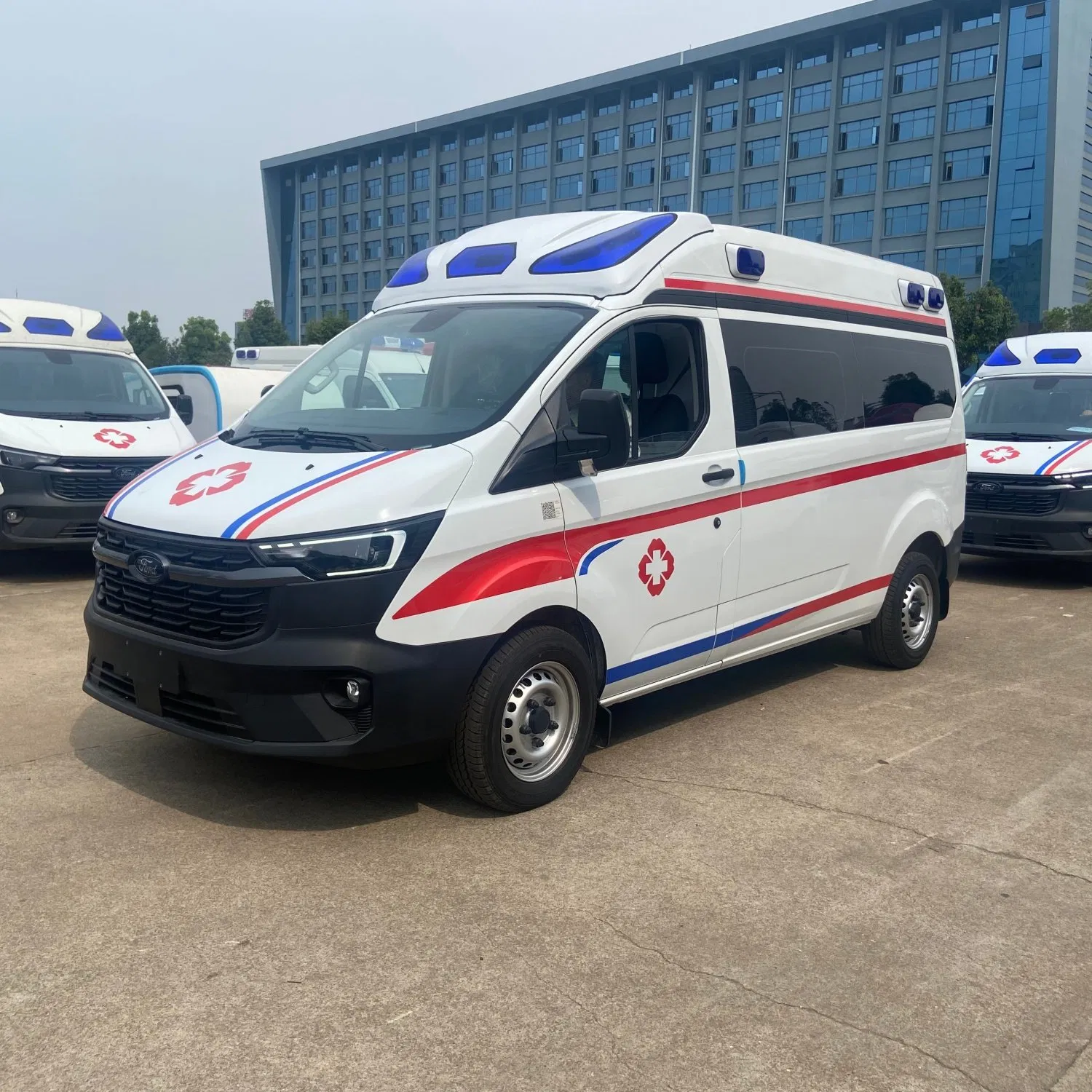
Patient Transport Ambulance CLW5030XJHCDP
The CLW5030XJHCDP is a patient transport ambulance built by Chengli Automobile Group for ministries of health, public hospitals and humanitarian NGOs. Its manufacturer record lists a 3,300 kg GVW class and 162 kW engine output. Right-hand-drive availability, final equipment fit-out and export documentation are confirmed per contract for government and donor-funded tenders.
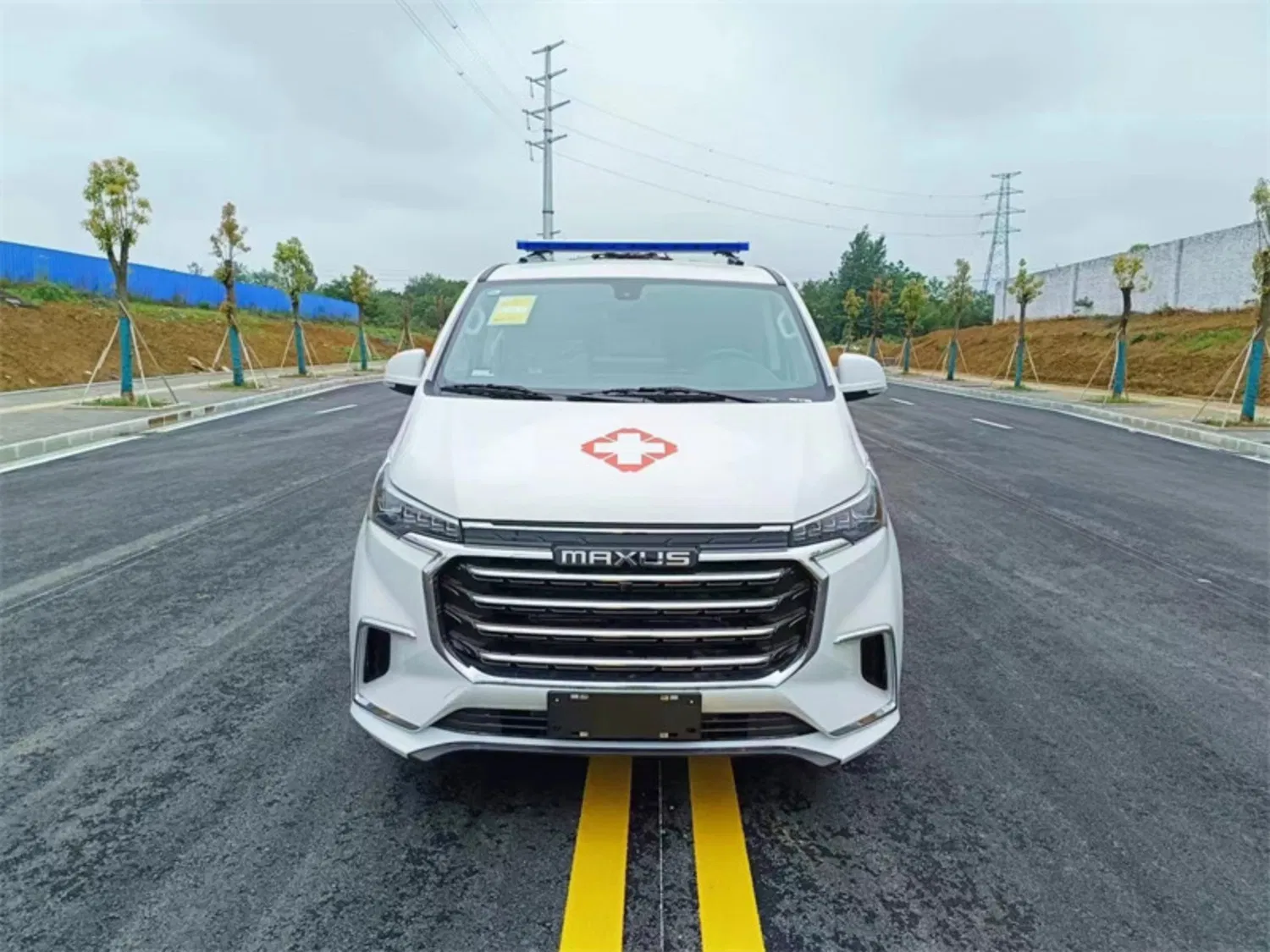
Patient Transport Ambulance CL5030XJH6AYS
The CL5030XJH6AYS is a 4x2 patient transport ambulance built by Chengli Automobile Group for ministries of health, public hospitals and humanitarian NGOs. Its manufacturer record lists a 2,900 kg GVW class and 186.4 kW engine output. Right-hand-drive availability, final equipment fit-out and export documentation are confirmed per contract for government and donor-funded tenders.
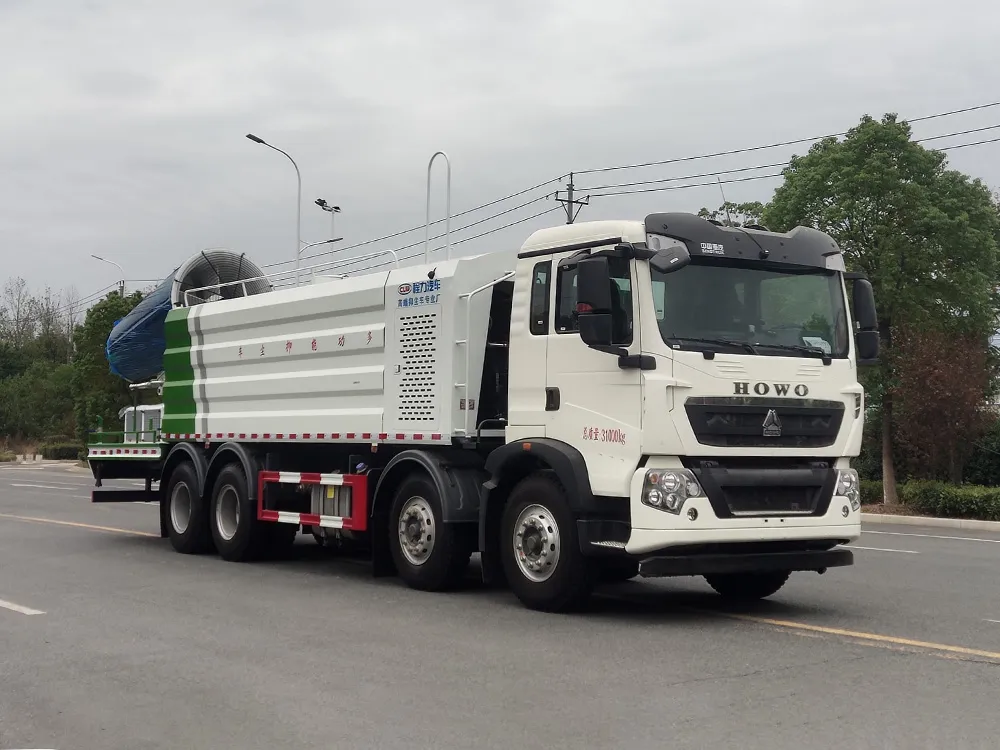
Dust Suppression Truck CL5310TDYZ6YC
The CL5310TDYZ6YC is a 8x4 Sinotruk-chassis dust suppression truck built by Chengli Automobile Group for city councils, municipal sanitation departments and public-works contractors. Its manufacturer record lists a 21 m³ key specification, a 31,000 kg GVW class and 257 kW engine output. Right-hand-drive availability, final equipment fit-out and export documentation are confirmed per contract for government and donor-funded tenders.
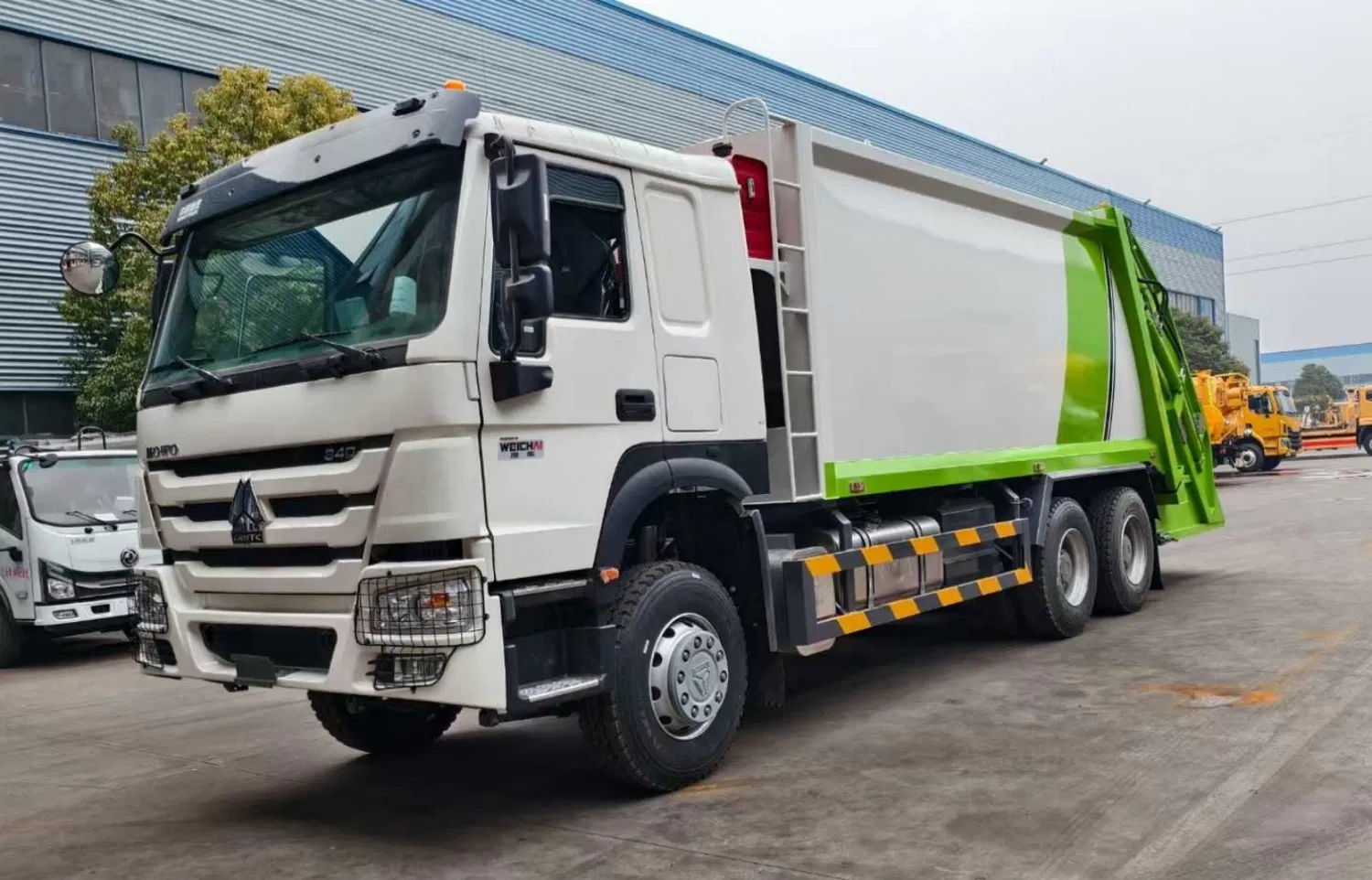
Refuse Compactor CLW5250ZYSAHJ
The CLW5250ZYSAHJ is a 6x4 refuse compactor built by Chengli Automobile Group for city councils, municipal sanitation departments and public-works contractors. Its manufacturer record lists a 20–23 m³ key specification and a 25,000 kg GVW class. Right-hand-drive availability, final equipment fit-out and export documentation are confirmed per contract for government and donor-funded tenders.
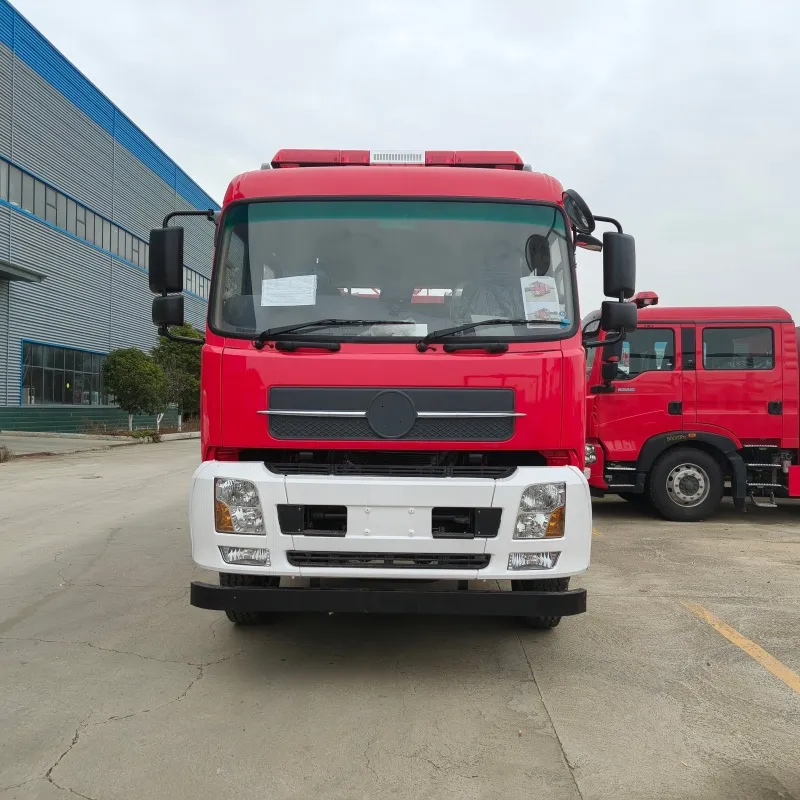
Foam Fire Truck CLW5190GXFPM50
The CLW5190GXFPM50 is a 4x2 foam fire truck built by Chengli Automobile Group for municipal fire brigades, civil defence agencies and industrial safety fleets. Its manufacturer record lists a 19,100 kg GVW class and 149.1 kW engine output. Right-hand-drive availability, final equipment fit-out and export documentation are confirmed per contract for government and donor-funded tenders.
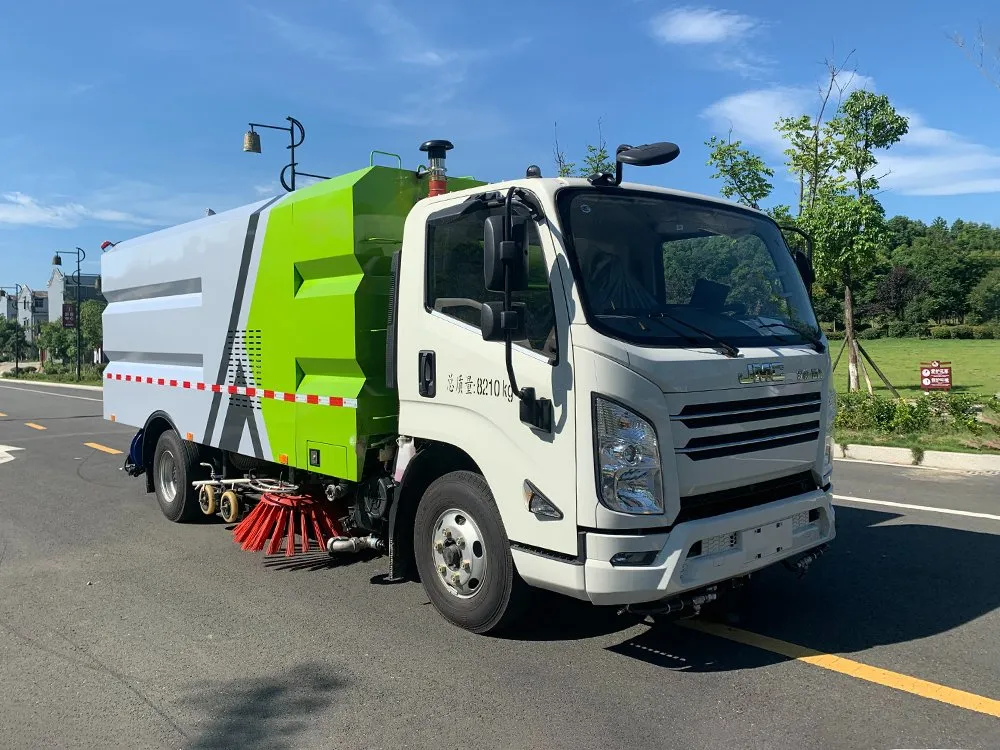
Washing-Sweeping Truck CLW5080TXSJ6
The CLW5080TXSJ6 is a 4x2 JMC-chassis washing-sweeping truck built by Chengli Automobile Group for city councils, municipal sanitation departments and public-works contractors. Its manufacturer record lists a 3 m cleaning width key specification, the JX1083TK26 chassis and a 8,210 kg GVW class. Right-hand-drive availability, final equipment fit-out and export documentation are confirmed per contract for government and donor-funded tenders.
TECHNICAL DOCUMENT REQUEST
Get the specification conversation started
Tell us your destination and vehicle requirement. PDF availability and the specification scope will be confirmed for the proposed model.