
Procurement guides
Supplying Vehicles to UN, World Bank & NGO Tenders
26 November 2026
When procuring specialized public-service fleets under United Nations (UNGM), World Bank (ICB/NCB), or international NGO tenders, evaluation committees scrutinize five mandatory compliance deliverables above all else: a tender-specific Manufacturer's Authorisation Form (MAF), point-by-point technical compliance and material certificates, accredited Pre-Shipment Inspection (PSI) clearance, Incoterms-aligned duty-exempt shipping documentation, and a structured 2-year preventive spare parts and operator training package. Failing to document any single link—particularly food-grade tank certification or in-country warranty support—leads to immediate administrative disqualification regardless of bid price.
Humanitarian Procurement Resources & Bid Desk
Primary Action: Request UN & NGO Vehicle Tender Document Checklist — Complete Compliance Dossier, PSI Matrix & 2-Year Spares Template (Requires: Email or WhatsApp, Destination Country, Fleet Category)*
Secondary Action: Request Bid Support & Quotation — Submit your ITB/RFP specifications for factory MAF and CIF/DAP pricing*
Core Humanitarian Vehicle Types (4x4 Ambulances, Water & Power)
Multilateral development bank projects (World Bank, AfDB, IsDB) and humanitarian response clusters (WHO, UNICEF, UNHCR, WFP, ICRC, and implementing INGOs) concentrate specialized vehicle spending on three mission-critical life-support categories: off-road medical evacuation, potable water trucking (WASH), and mobile emergency power generation. Review the technical specifications and field-durability benchmarks below to align tender submissions with donor requirements.
| Humanitarian Fleet Category | Typical Base Chassis & Drive | Core Functional & Material Specification | Field-Durability Requirements | Mandatory Quality / Safety Submittals | Actions |
|---|---|---|---|---|---|
| 4x4 Off-Road Medical Ambulances (BLS / ICU / Referral) |
Heavy-duty 4x4 hardtop or pickup + insulated modular box (LHD/RHD) | Dust-sealed medical cabin, auto-loading stretcher, 2 x 10–20 L oxygen + manifold, 1,500–2,000 W pure sine inverter, independent rear A/C | High ground clearance (≥215 mm), snorkel, dual fuel tanks (150–180 L), heavy-duty suspension, front electric winch, steel bumper | Electrical load test report, oxygen leak test certificate, medical device datasheets, compliance alignment with buyer-cited EN 1789/WHO specs | View Models | Get Spec/Quote |
| Potable Water Tanker Trucks (WASH & Drought Relief) |
4x2, 4x4, or 6x4 Medium/Heavy Truck (5,000 L to 20,000 L capacity) | SUS 304 or 316L food-grade stainless steel tank, internal sanitary baffles, food-grade stainless centrifugal pump, rear gravity manifold & hose reel | Euro II/III engine with primary fuel-water separator, reinforced springs for unpaved camp tracks, lockable tamper-proof manholes | 304/316L stainless steel mill test certificate (MTC), tank hydrostatic pressure & sanitization certificate, pump flow curve | View Models | Get Spec/Quote |
| Emergency Power Supply Vehicles (Hospital & Camp Backup) |
4x2 or 4x4 Rigid Truck (50 kW to 300 kW mobile generator set) | Acoustic weatherproof canopy (≤72–75 dBA @ 7 m), prime-rated diesel genset, AVR, ATS/distribution panel, motorized cable reels (50–100 m) | High-ambient 50°C cooling radiator, 8–12 hour integrated belly fuel tank, hydraulic leveling jacks, grounding rod kit & fire extinguisher | Factory load-bank test report (25%/50%/75%/100%/110% load), acoustic noise test, electrical insulation & earthing certificate | View Models | Get Spec/Quote |
| Mobile Medical & Vaccination Clinics (Outreach Health) |
4x2 / 4x4 Box Truck or Van Conversion (6–9 m medical shelter) | Partitioned consultation, lab/triage, and WHO-grade vaccine cold-chain storage zones; onboard silent genset + shore power + fresh/grey water tanks | Insulated FRP composite sandwich panels, dust-tight step entry, awning for shaded triage queue, heavy-duty stabilizer jacks | Thermal insulation & generator load test, cold-chain refrigerator datasheets, interior layout CAD drawings | View Models | Get Spec/Quote |
For integrated multi-vehicle disaster relief lots, explore our humanitarian water and power fleet solutions designed for rapid camp deployment and Ministry of Health emergency stockpiles.
Featured Humanitarian & Aid-Ready Vehicle Builds
Benchmark technical parameters across three core vehicle classes routinely included in UN, World Bank, and INGO invitations to bid.
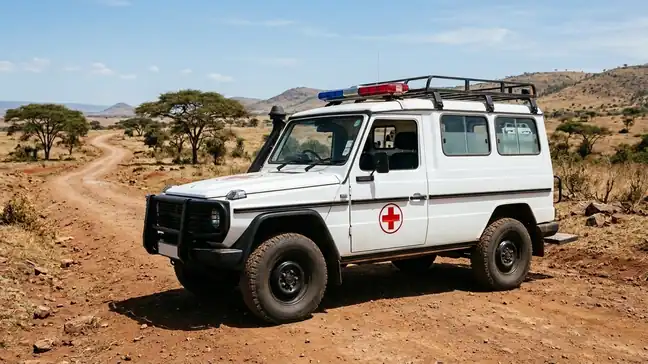
4x4 Field Humanitarian Ambulance
|
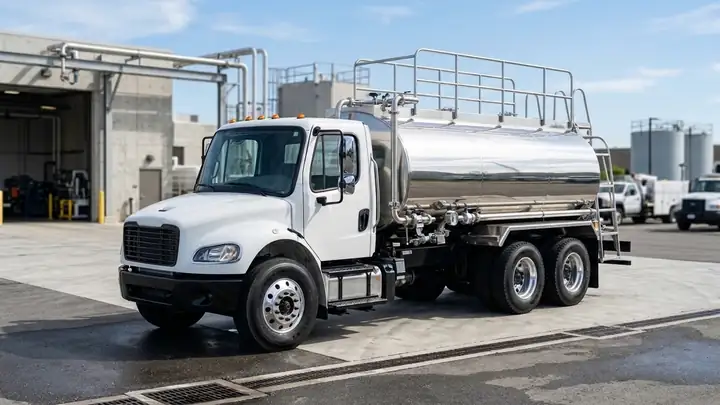
10,000 L Food-Grade Potable Water Tanker
|
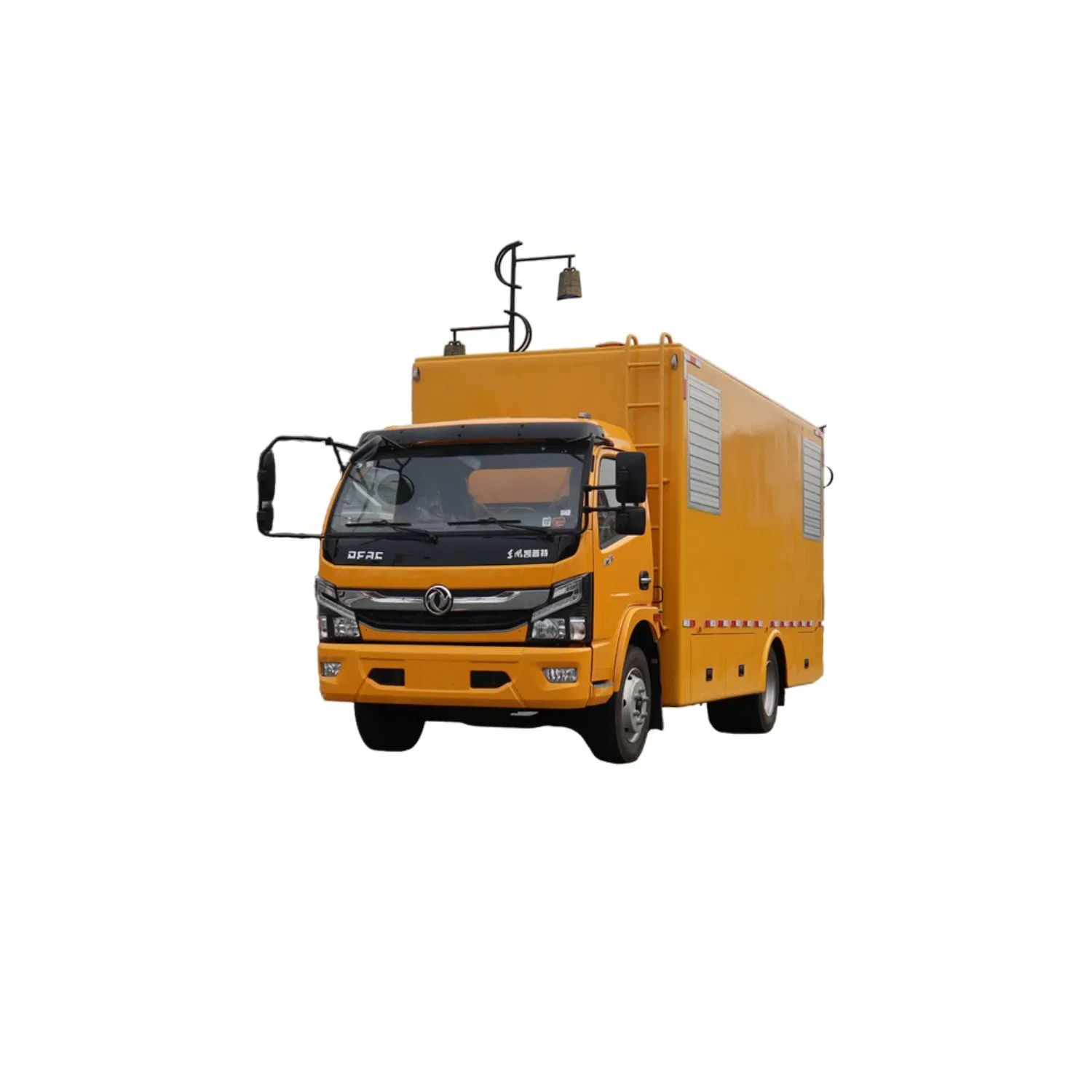
100–200 kW Emergency Power Supply Vehicle
|
Export Documentation, Pre-Shipment Inspection & Incoterms
Unlike commercial B2B sales, donor-funded vehicle deliveries operate under strict audit trails enforced by World Bank procurement guidelines, UN Financial Regulations, and host-government duty-exemption protocols. Detailed preparation prevents demurrage charges at port and payment holds under irrevocable Letters of Credit (LC) or milestone bank transfers.
- Incoterms 2020 Alignment (FCA, CIF, CIP, DAP):
- UN Agencies (UNHCR, UNICEF, WFP, UNOPS): Frequently solicit FCA (Named Port/Airport) when using UN global freight forwarders, or CIP / CIF (Named Port of Destination) with 110% all-risk marine insurance naming the agency as beneficiary.
- World Bank & Development Bank PIUs: Typically award CIF (Port) for international bidders or CIP / DDP (Project Site) where a local implementing contractor handles customs clearance and inland haulage to a regional hospital or Ministry depot. Note that diplomatic and humanitarian consignees generally secure tax and customs duty exemptions, which is why DAP (Delivered at Place — Unloaded/Cleared by Consignee with Exemption Letter) is preferred over full DDP in aid contracts.
- Mandatory Export & Donor Audit Documentation:
- Commercial Invoice and Packing List carrying exact Contract / PO Number, Donor Grant Reference, VIN/Chassis Number, Engine Number, and HS Code matching the award letter verbatim.
- Clean On-Board Bill of Lading (or Air Waybill for urgent spares), Certificate of Origin (Chamber of Commerce endorsed), Marine Insurance Policy (for CIF/CIP), and Fumigation / Non-Wood Packaging declaration (ISPM-15 compliance for crated spare parts).
- Pre-Shipment Inspection (PSI) & Verification of Conformity: Independent third-party factory inspection by SGS, Bureau Veritas, Intertek, or agency-appointed surveyors verifying physical quantities, VIN plates, operational tests (pump flow, generator load bank, oxygen pressure, negative-pressure/A/C cooling), and national PVoC/SONCAP/COC certificates prior to vessel loading.
- Donor Visibility & Livery Guidelines: Many humanitarian contracts specify white base paint (`RAL 9003` or `RAL 9010`), reflective safety striping, roof identification numerals for aerial visibility, and removable magnetic or vinyl donor/agency emblems applied strictly per the project visibility manual.
For dedicated multilateral tender rules and payment structures, review our UN and development bank procurement hub.
Operator Training, Manuals & 2-Year Recommended Spares List
Donor-funded assets undergo post-delivery sustainability audits 12 to 24 months after handover. Vehicles grounded for lack of basic filters, fuses, or operator familiarity jeopardize future grant disbursements—which is why humanitarian tenders score lifecycle support heavily.
- Comprehensive Technical Documentation Pack (2 Hard Copies + USB per Unit):
- Base chassis driver's handbook and workshop service manual (English, plus French or Arabic translation where required by West/North African or Middle Eastern missions).
- Superstructure operation manual covering medical electrical distribution, oxygen changeover valves, potable tank chlorination/flushing procedures, or generator paralleling/ATS control.
- Complete as-built electrical wiring diagrams, hydraulic/plumbing schematics, and an illustrated spare parts catalog cross-referencing OEM part numbers so field logisticians can re-order locally.
- Structured 2-Year Recommended Preventive Spares Package: Rather than offering an undefined "spares allowance," compliant bids attach an itemized 2-year wear-parts schedule divided into two categories:
- Chassis Preventive Spares (24 months / 40,000–60,000 km): Oil, air, and fuel filters; primary fuel-water separator elements; fan/alternator drive belts; front and rear brake pads/shoes; clutch kit (manual chassis); shock absorbers; wiper blades; fuses; and relay kits.
- Superstructure Mission-Critical Spares:
- Ambulances: Pure sine inverter replacement fuses, oxygen flowmeters/regulators, suction tubing/filters, door latch assemblies, LED lightbar modules, and stretcher locking pins.
- Potable Water Tankers: Mechanical water pump seals, food-grade manifold gaskets, sanitary ball valves, manhole lid seals, and discharge hose couplings.
- Emergency Power Vehicles: AVR module, genset coolant/fuel/oil filter kits, starter battery charger, circuit breakers, and industrial power plug connectors.
- Commissioning & Hands-On Crew Training: Upon arrival at the Ministry depot or NGO logistics base, factory or authorized regional technicians conduct formal Site Acceptance Testing (SAT) followed by a 3- to 5-day practical training program (typically 60% hands-on field drills, 40% preventive maintenance), culminating in signed attendance sheets and completion certificates required to release the final contract retention milestone.
How Local Contractors Prepare Compliant Bid Submissions
A large share of World Bank National Competitive Bidding (NCB), Ministry of Health, and regional NGO tenders are awarded to registered in-country engineering firms and local fleet integrators partnering with an export factory. To pass Stage 1 technical responsiveness checks without preventable omissions, local contractors should assemble their bid package in five sequential steps:
- Extract the Compliance Matrix on Day 1: Share the full technical section (Schedule of Requirements / BoQ), delivery Incoterm, destination port, and steering orientation (LHD/RHD) with the factory engineering desk immediately after purchasing the tender dossier—ideally at least 10 to 14 days prior to bid closing.
- Secure a Tender-Specific MAF & Warranty Letter: Confirm the exact legal name of the procuring entity, tender reference number, and bidding entity so the factory issues a properly notarized or stamped Manufacturer's Authorisation Form (MAF) and 12- to 24-month Warranty Commitment Letter. Generic, undated MAFs are routinely rejected by World Bank PIUs.
- Audit Non-Negotiable Material & Test Proofs: Verify whether the tender requires third-party certifications (such as food-grade 304/316L stainless steel mill certificates for water tankers, load-bank reports for power trucks, or written EN 1789 / EN 1846 functional alignment statements) and attach factory sample certificates inside the technical envelope.
- Lock Down Realistic Production & Transit Gantt Charts: Over-promising an impossible 30-day CIF delivery on an RHD 4x4 ambulance or 200 kW power truck triggers liquidated damages penalties after award. Present a transparent milestone schedule separating chassis allocation, superstructure fabrication, PSI verification, ocean transit, and on-site commissioning.
- Define Local After-Sales & Spares Custody: Include your local workshop address, service bay photos, certified technician roster, and a letter confirming stocked fast-moving spares—demonstrating to evaluators that the fleet will remain operational throughout the warranty period and beyond.
Compliance & Regulatory Note: Last updated November 2026. Vehicle build configurations, third-party PSI agencies, and certification deliverables are confirmed in writing against each specific Invitation to Bid (ITB) or Request for Proposals (RFP).
Frequently Asked Questions
1. What documents do UN agencies and World Bank tenders require from vehicle suppliers?
Most UNGM, World Bank, and INGO tenders require five core documents: a tender-specific Manufacturer's Authorisation Form (MAF), a line-by-line technical compliance matrix with CAD drawings, ISO 9001 and material/test certificates (e.g., 304/316L stainless steel MTC or load-bank reports), an itemized 2-year spare parts list with OEM part numbers, and a warranty plus on-site training commitment letter.
2. Why must humanitarian potable water tankers use 304 or 316L stainless steel?
WASH guidelines from UNICEF, UNHCR, and national water ministries require food-grade SUS 304 or 316L stainless steel tanks to prevent rust contamination, biofilm buildup, and chlorine degradation when transporting drinking water to refugee camps or drought-affected communities. Mild carbon steel tanks are disqualified in potable water tenders.
3. Can local contractors obtain a tender-specific MAF for World Bank or Ministry bids?
Yes. Registered local contractors and fleet integrators bidding on World Bank, AfDB, UN, or Ministry tenders can receive a tender-specific MAF, compliance matrix, factory capability profile, and itemized CIF/FOB quotation once the official tender notice and technical BoQ are shared.
4. Which Incoterm is typically used for duty-exempt UN and NGO vehicle shipments?
Humanitarian agencies commonly contract under FCA (Origin Port) when using their own contracted freight forwarders, or CIF / CIP (Destination Port) and DAP (Project Site) where the recipient agency applies its diplomatic or humanitarian duty-exemption certificate to clear customs without paying local import tariffs.
5. What is included in a standard 2-year spare parts package for field aid fleets?
A compliant 2-year spares package covers scheduled preventive maintenance items for both the base chassis (filters, belts, brake pads, shock absorbers, fuses) and the mission superstructure (oxygen regulators and inverter fuses for 4x4 ambulances; pump mechanical seals and sanitary gaskets for water tankers; AVR modules and genset filters for power trucks).
Download UN & NGO Tender Document Checklist or Request Bid Support
Request Tender Technical Schedule & Bid Support
Share your target vehicle capacity, steering side (LHD/RHD), destination port and tender timeline to receive model technical schedules, dimensional drawings and clause-by-clause bid support.
Request Bid Quotation & Technical Schedule | Review Tender Documents We Provide
Vehicle models to compare
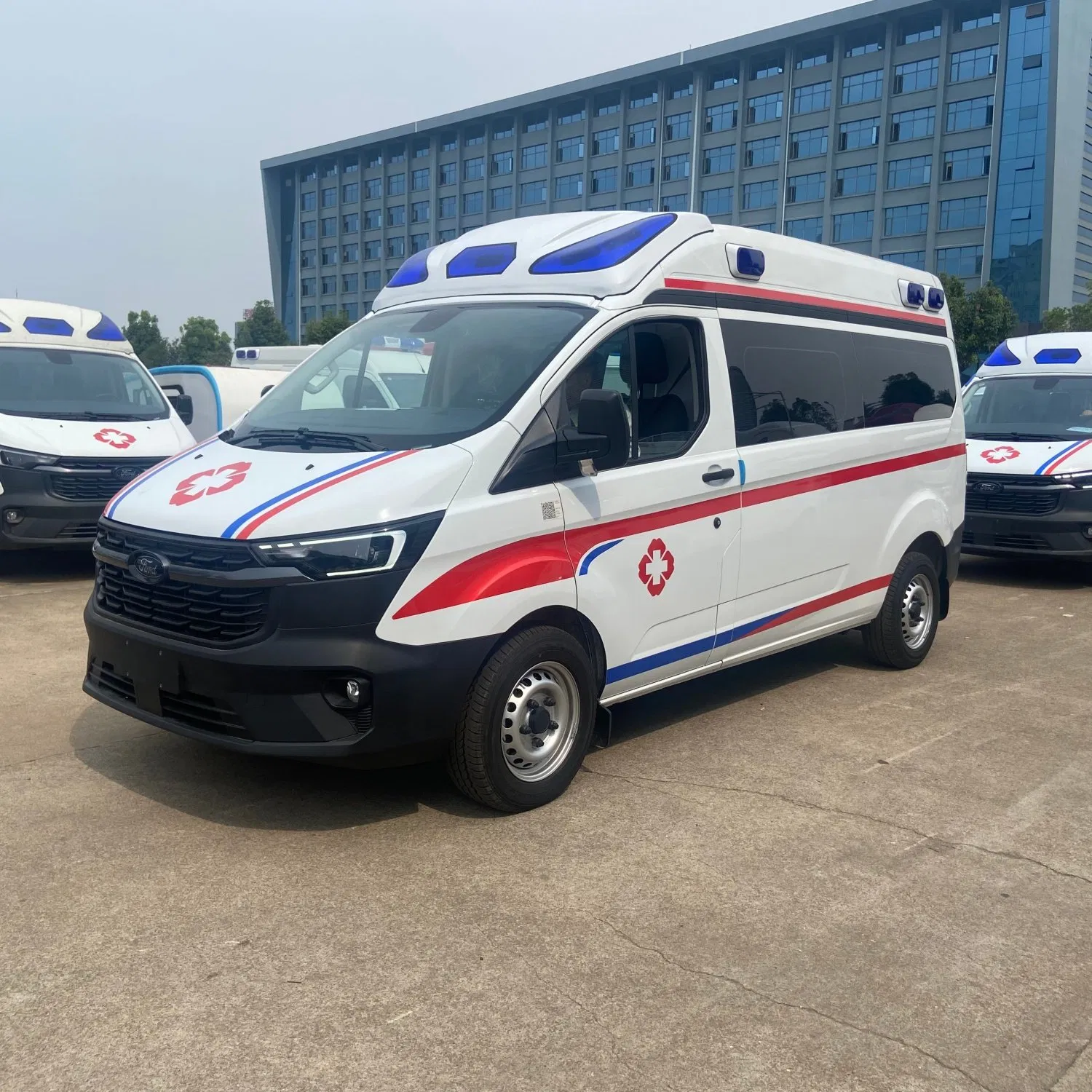
Patient Transport Ambulance CLW5030XJHCDP
The CLW5030XJHCDP is a patient transport ambulance built by Chengli Automobile Group for ministries of health, public hospitals and humanitarian NGOs. Its manufacturer record lists a 3,300 kg GVW class and 162 kW engine output. Right-hand-drive availability, final equipment fit-out and export documentation are confirmed per contract for government and donor-funded tenders.
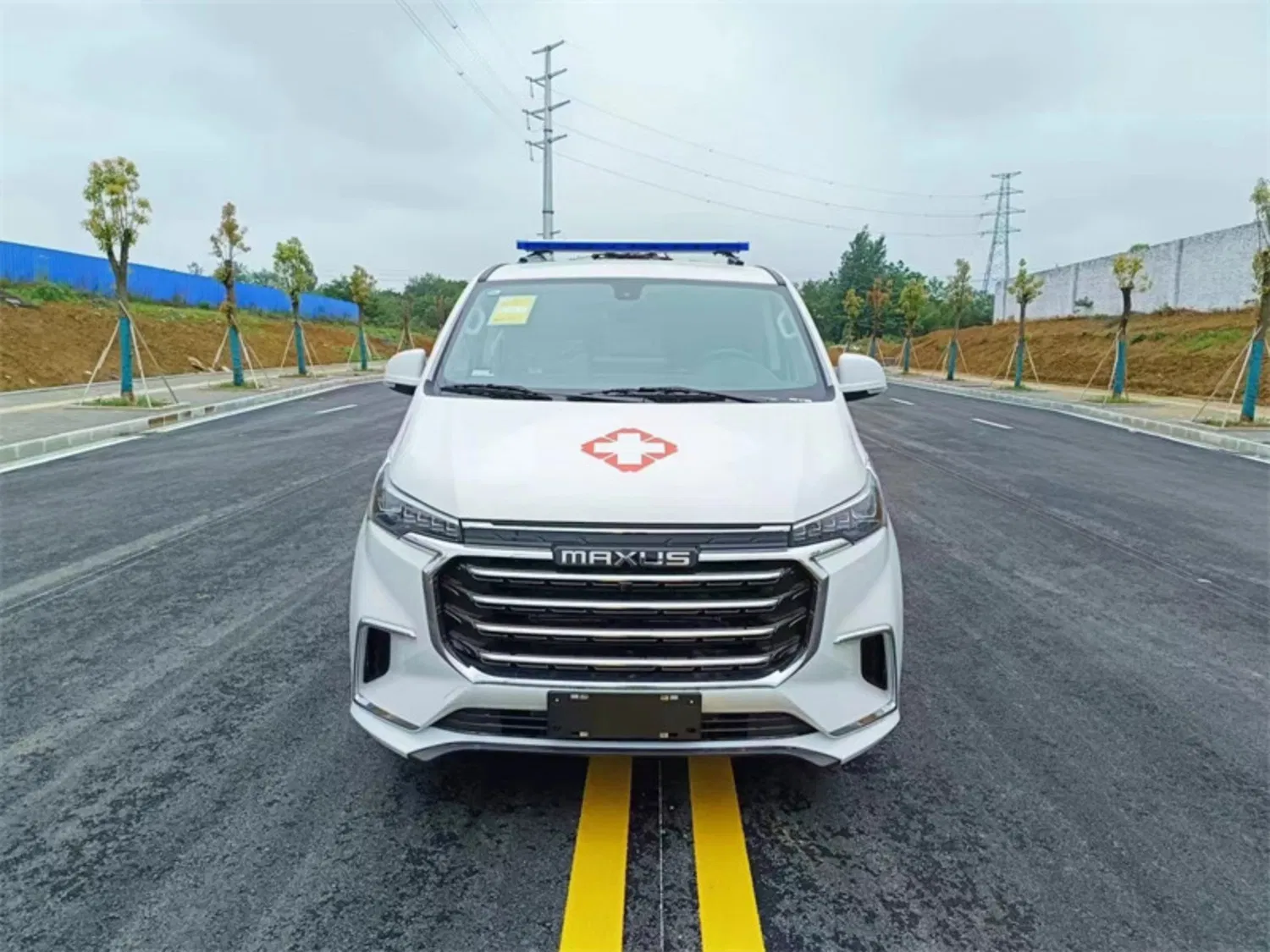
Patient Transport Ambulance CL5030XJH6AYS
The CL5030XJH6AYS is a 4x2 patient transport ambulance built by Chengli Automobile Group for ministries of health, public hospitals and humanitarian NGOs. Its manufacturer record lists a 2,900 kg GVW class and 186.4 kW engine output. Right-hand-drive availability, final equipment fit-out and export documentation are confirmed per contract for government and donor-funded tenders.
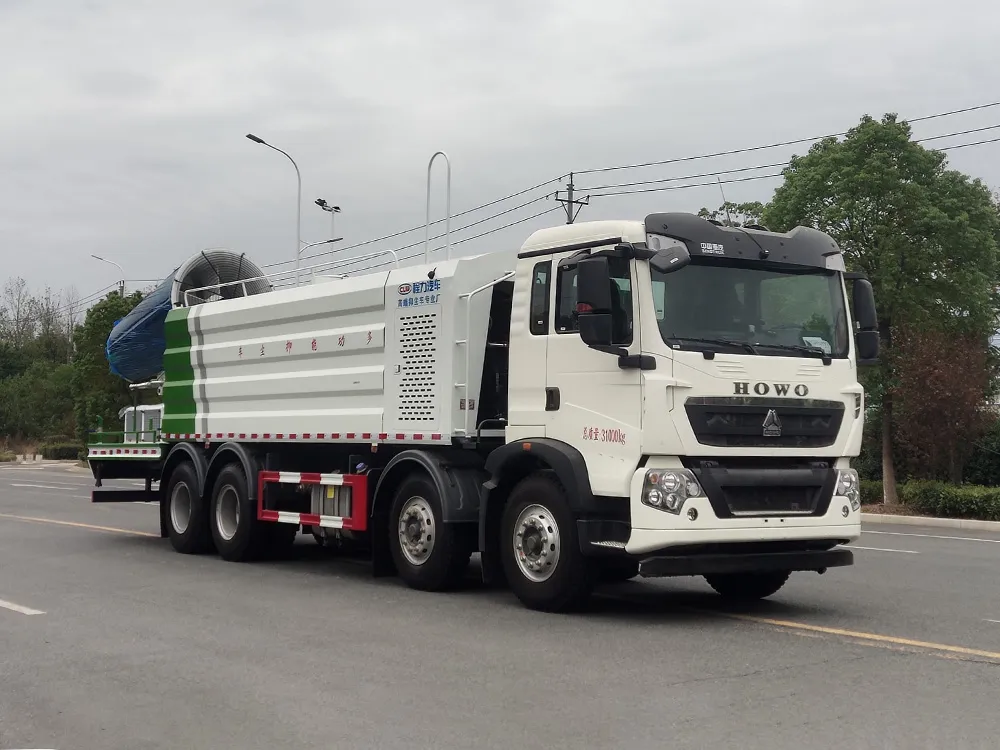
Dust Suppression Truck CL5310TDYZ6YC
The CL5310TDYZ6YC is a 8x4 Sinotruk-chassis dust suppression truck built by Chengli Automobile Group for city councils, municipal sanitation departments and public-works contractors. Its manufacturer record lists a 21 m³ key specification, a 31,000 kg GVW class and 257 kW engine output. Right-hand-drive availability, final equipment fit-out and export documentation are confirmed per contract for government and donor-funded tenders.
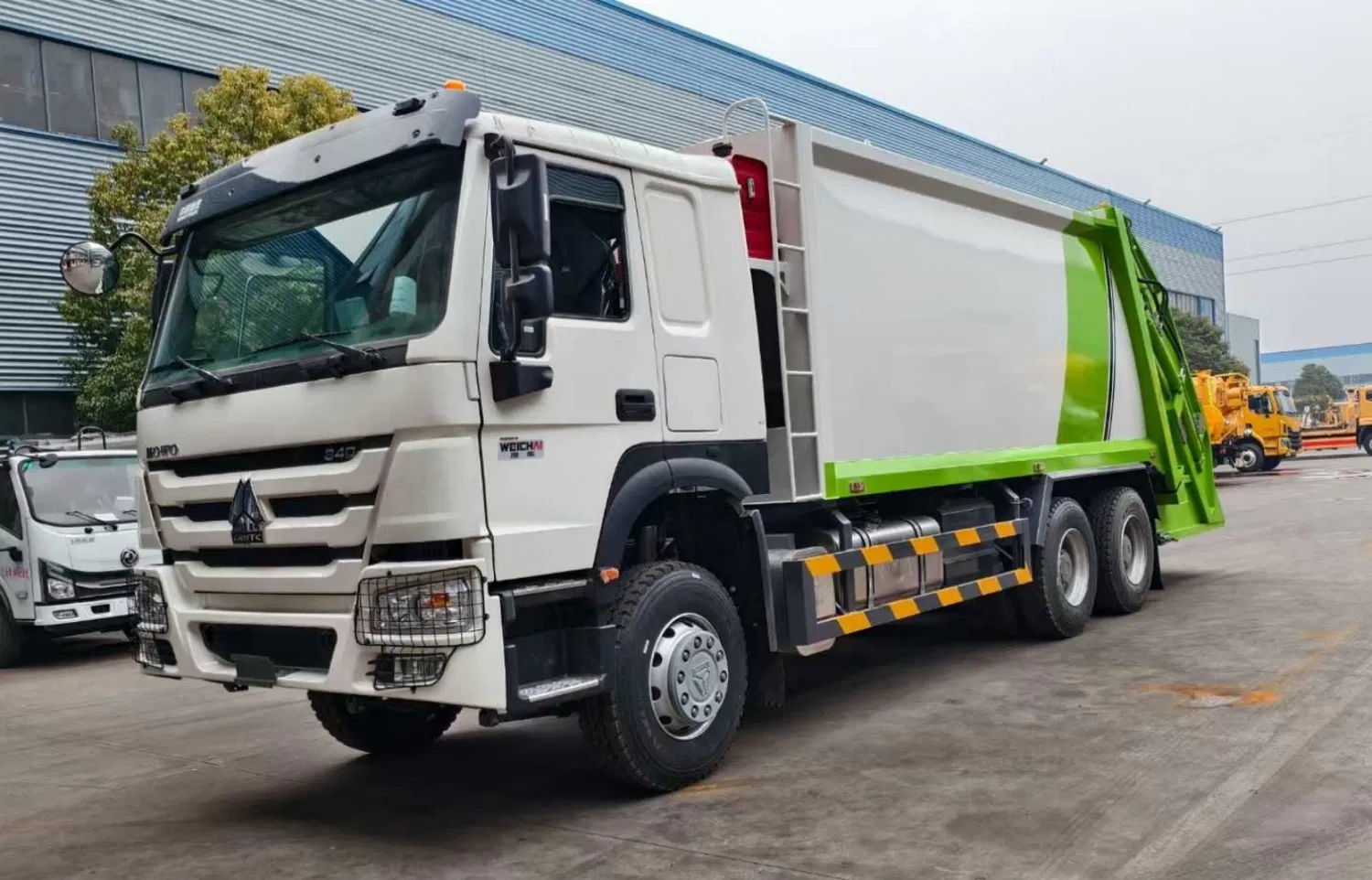
Refuse Compactor CLW5250ZYSAHJ
The CLW5250ZYSAHJ is a 6x4 refuse compactor built by Chengli Automobile Group for city councils, municipal sanitation departments and public-works contractors. Its manufacturer record lists a 20–23 m³ key specification and a 25,000 kg GVW class. Right-hand-drive availability, final equipment fit-out and export documentation are confirmed per contract for government and donor-funded tenders.
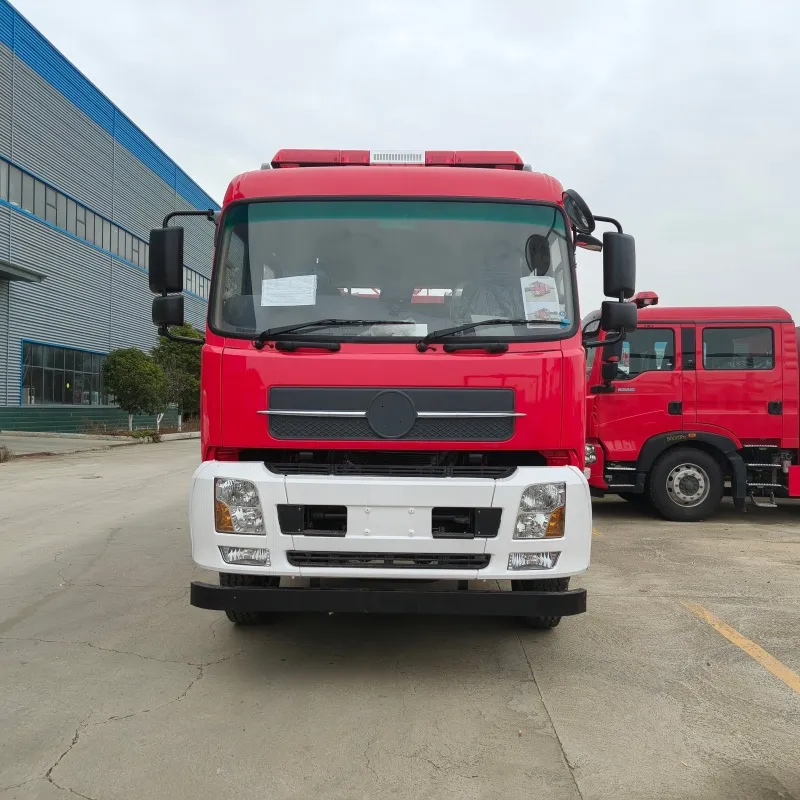
Foam Fire Truck CLW5190GXFPM50
The CLW5190GXFPM50 is a 4x2 foam fire truck built by Chengli Automobile Group for municipal fire brigades, civil defence agencies and industrial safety fleets. Its manufacturer record lists a 19,100 kg GVW class and 149.1 kW engine output. Right-hand-drive availability, final equipment fit-out and export documentation are confirmed per contract for government and donor-funded tenders.
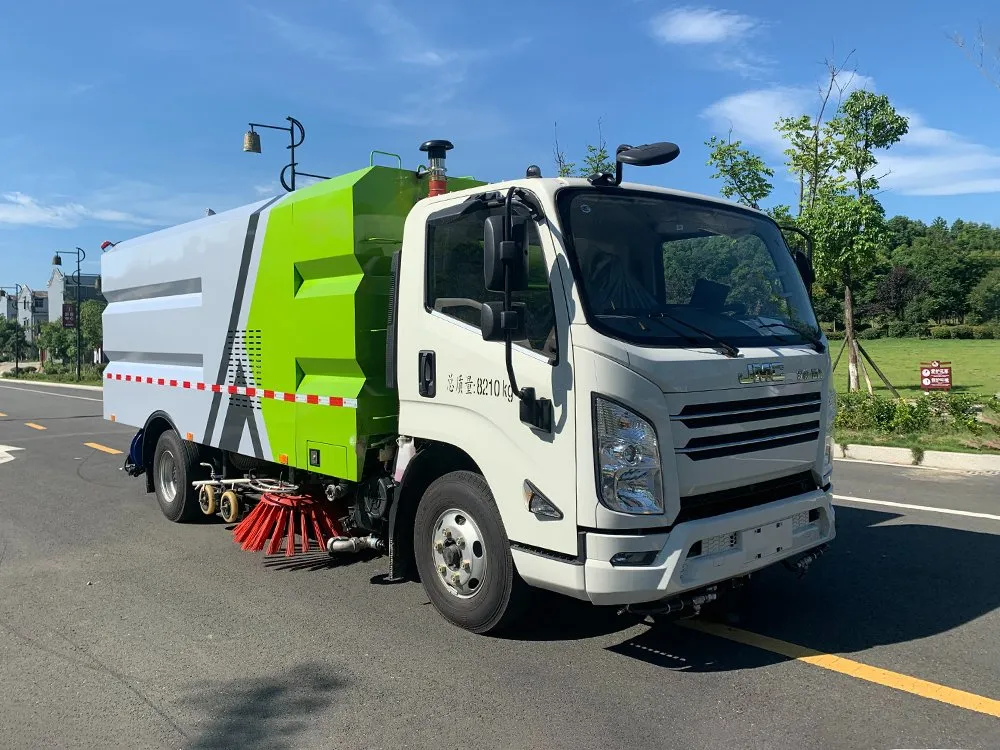
Washing-Sweeping Truck CLW5080TXSJ6
The CLW5080TXSJ6 is a 4x2 JMC-chassis washing-sweeping truck built by Chengli Automobile Group for city councils, municipal sanitation departments and public-works contractors. Its manufacturer record lists a 3 m cleaning width key specification, the JX1083TK26 chassis and a 8,210 kg GVW class. Right-hand-drive availability, final equipment fit-out and export documentation are confirmed per contract for government and donor-funded tenders.
TECHNICAL DOCUMENT REQUEST
Get the specification conversation started
Tell us your destination and vehicle requirement. PDF availability and the specification scope will be confirmed for the proposed model.