
Procurement guides
4x4 Off-Road vs Van Ambulance for Rural Health
25 November 2026
For rural health networks, specify a 4x4 off-road ambulance whenever referral routes cross unpaved laterite tracks, seasonal floodplains, steep mountain gradients, or sandy arid zones where 4x2 vehicles routinely bog down; specify a 4x2 high-roof van ambulance when rural clinics connect to district hospitals via paved or well-graded tarmac roads and maximizing standing medical headroom per budget dollar is the priority. Choosing the wrong chassis for local terrain leads directly to broken suspension mounts, grounded fleets during rainy seasons, or unnecessarily cramped patient bays on long highway transfers.
Rural Fleet Resources & Bid Support
* Primary Action: Request 4x4 vs. Van Rural Ambulance Spec Sheet — Ground Clearance, Cabin Dimensions & Maintenance Cost Matrix
* Secondary Action: Request Bid Quotation — Compare itemized FOB/CIF estimates for 4x4 hardtop, 4x4 modular box, and 4x2 van builds
Side-by-Side Comparison: 4x4 Off-Road vs 4x2 Van Ambulances
Rural procurement boards actually choose among three distinct mechanical architectures rather than two: a 4x4 hardtop troop-carrier conversion, a 4x4 pickup/light-truck with a mounted modular medical box, and a 4x2 unibody high-roof van. Use the engineering comparison below to evaluate passability, interior ergonomics, and total lifecycle cost before locking your tender BoQ.
| Evaluation Criterion | 4x4 Hardtop Off-Road Build (e.g., Land Cruiser 78 Class) |
4x4 Pickup / Light-Truck Modular Box (e.g., Hilux / Isuzu / 4x4 Truck) |
4x2 High-Roof Van Build (e.g., Hiace / Transit / Maxus) |
Actions |
|---|---|---|---|---|
| Terrain Passability & Clearance | Highest: 225–240 mm clearance, low-range 4WD, locking differentials, 700 mm wading depth with snorkel | High: 210–230 mm clearance, low-range 4WD, heavy-duty leaf springs; watch rear overhang on extreme gullies | Limited: 165–185 mm clearance, 4x2 traction; suitable for tarmac and compacted dry gravel only | View 4x4 Models | Get Spec/Quote |
| Patient Cabin Space & Headroom | Compact: ~1,350–1,450 mm headroom (seated care); tight lateral clearance around stretcher | Spacious: 1,750–1,880 mm standing headroom inside insulated square aluminum composite box | Optimal for Budget: 1,635–1,900 mm headroom with low floor loading height (~550–620 mm) | View Van Models | Get Spec/Quote |
| Ride Comfort for Trauma Patients | Firm rigid-axle leaf/coil ride; best stabilized with hydraulic shock upgrades and thick stretcher foam | Balanced when box weight is properly matched to upgraded parabolic springs and anti-roll bars | Smoothest on Paved Roads: Lower center of gravity, softer suspension, reduced noise/vibration | View BLS Models | Get Spec/Quote |
| Fuel Autonomy & Field Range | Up to 180 L dual fuel tanks (1,000+ km remote range without refueling) | 80–140 L (optional auxiliary tank); strong diesel torque under full medical payload | 70–80 L standard tank; lowest L/100 km fuel burn on highway inter-hospital transfers | View 4x4 Models | Get Spec/Quote |
| Relative Acquisition Budget | 1.7x – 2.2x baseline (high base chassis demand, especially in RHD) | 1.45x – 1.85x baseline (chassis + fabricated insulated modular medical box) | 1.0x – 1.4x baseline (lowest capital cost per unit deployed) | View Van Models | Get Spec/Quote |
| Rural Workshop Maintenance | Exceptionally High Serviceability: Simple mechanical/Euro II–III diesel drivetrains familiar to rural mechanics | High Serviceability: Widely stocked pickup chassis parts (filters, brakes, ball joints) in regional towns | Moderate in remote villages; front-wheel/unibody suspension wears faster if driven chronically on rough corrugated dirt | View 4x4 Models | Get Spec/Quote |
Terrain Passability & Suspension vs Medical Cabin Ergonomics
The core engineering trade-off in rural emergency medical services is reaching the patient versus treating the patient in transit. Understanding how road surface conditions interact with medical workflow helps health directors avoid fleet mismatches.
Where 4x4 Off-Road Chassis Prove Essential
In rural counties across East, West, and Southern Africa—such as northern Kenya, rural Tanzania, parts of northern Nigeria, Zambia, and humanitarian border corridors—unpaved murram and clay feeder roads turn into deep mud ruts during rainy months. A 4x2 commercial van has low front bumper clearance, open rear differentials, and light unibody suspension engineered for smooth asphalt. When pushed daily over washboard tracks and dry riverbeds, 4x2 vans suffer torn oil sumps, cracked unibody shock towers, and frequent immobilization right when obstetric or malaria emergencies peak.
By contrast, body-on-frame 4x4 ambulances mount the cab and medical compartment onto heavy steel ladder frames with solid axles, low-range transfer cases, underbody steel skid plates, raised air-intake snorkels, and front electric recovery winches (9,500–12,000 lbs). Even when fully loaded with two medical oxygen cylinders, battery banks, cabinetry, and a four-person crew, a properly sprung 4x4 maintains traction on steep, slippery grades.
Solving the Space Limitation: 4x4 Hardtop vs. 4x4 Modular Box
- 4x4 Hardtop Troop-Carrier Conversions excel in ultra-narrow bush tracks, dense forests, and rocky hills where vehicle height and width must stay minimal to clear low branches and steep embankments. However, interior ceiling height (~1,400 mm) forces the paramedic to sit while attending the patient, making these builds best suited to rural primary evacuation and BLS stabilization rather than full ICU ventilation.
- 4x4 Pickup / Light-Truck Modular Box Conversions bridge the gap between off-road traction and hospital-grade ergonomics. By removing the standard pickup cargo bed and installing a lightweight, dust-sealed aluminum-composite or FRP insulated medical shelter (~2,600–3,200 mm length × 1,800 mm interior height), rural district hospitals gain full standing headroom, organized wall cabinetry, and 2 x 20 L oxygen capacity—while retaining 4WD capability and lower-cost pickup chassis servicing.
Where 4x2 High-Roof Vans Outperform 4x4 Units
If 85% to 100% of your district's clinic-to-hospital network runs on paved tarmac highways, buying 4x4 ambulances across the entire fleet reduces how many vehicles your health budget can fund. A 4x2 patient transport or BLS ambulance offers a lower rear step-in height (reducing back strain on EMTs loading heavy stretchers), quieter highway cruising at 90–110 km/h, lower tire and drivetrain fuel consumption, and up to 40% lower upfront capital cost.
Lifecycle Maintenance, Fuel Quality & Rural Referral Models
In rural public health fleets, five-year fleet uptime depends far more on local spare-parts ecosystems and fuel tolerance than on brochure horsepower figures.
- Parts Availability in Up-Country Towns: Rural health districts rarely maintain dealer-level diagnostic computers. Platforms built on widely circulating commercial 4x4 pickups (Land Cruiser 70 Series, Hilux, Isuzu D-Max) or proven export vans (Hiace-class, Transit, Iveco) allow district mechanics to source brake pads, clutch plates, shock absorbers, belts, and filters locally within 24 hours rather than grounding an ambulance for three months waiting for air-freighted proprietary parts.
- Fuel-Water Separation & Cooling: Both 4x4 and van rural ambulances must be specified with Euro II or Euro III fuel systems (where permitted by national law), a heavy-duty primary fuel-water separator with clear drain bowl, and tropicalized dual-compressor rear medical A/C so the patient compartment stays below 24°C during 42°C+ afternoon transfers.
- The Hub-and-Spoke Mixed Rural Fleet Strategy: Rather than standardizing 100% on one chassis, high-performing county and Ministry of Health programs adopt a two-tier dispatch model:
- Spoke Units (Remote Village Clinics & Hard-to-Reach Sub-Counties): Deploy 4x4 off-road ambulances to extract obstetric, pediatric, and trauma patients across rough feeder tracks to the nearest paved junction or sub-district health center.
- Hub Units (District & Regional Referral Hospitals): Deploy 4x2 high-roof BLS or ICU vans for rapid, smooth, long-distance highway transfers (50–200 km) from district hospitals to tertiary teaching centers.
Featured Rural 4x4 & Van Ambulance Configurations
Compare four field-proven builds spanning rural off-road extraction, modular 4x4 standing-height care, and paved-corridor referral transfers.
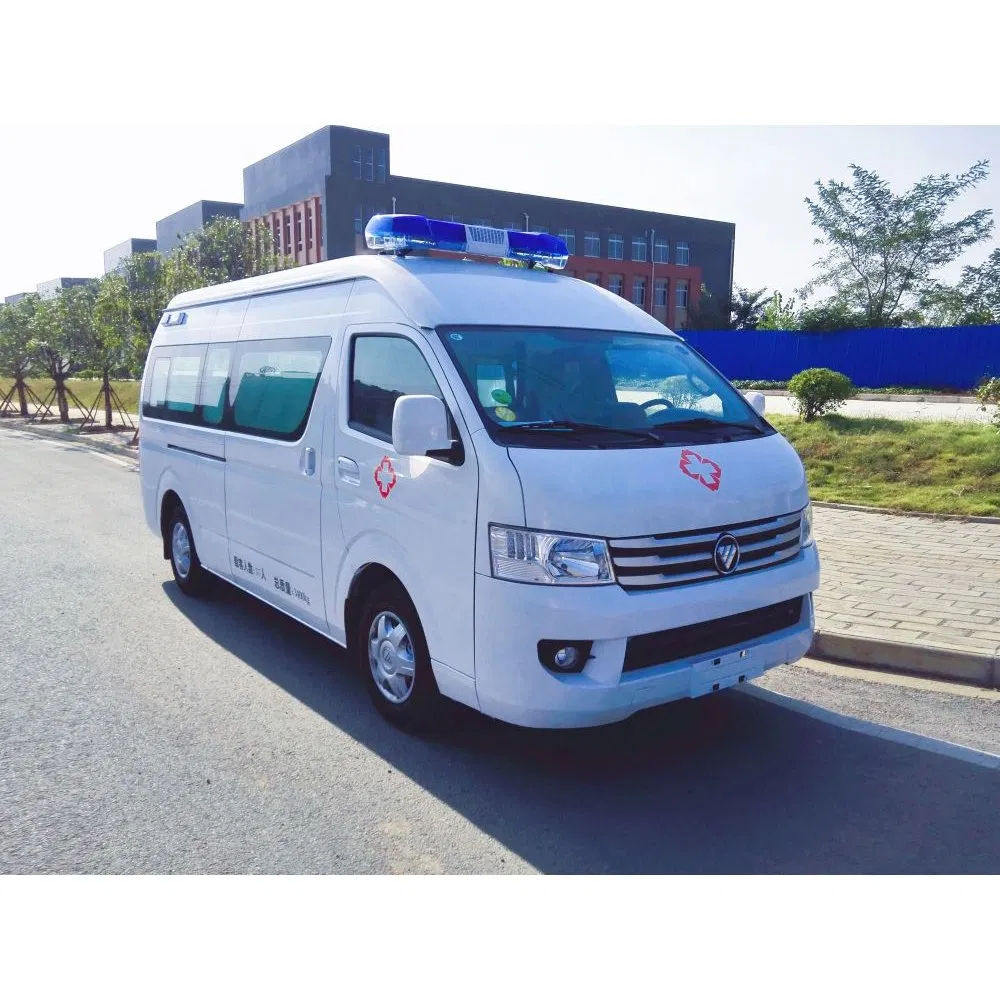
4x4 Hardtop Off-Road Ambulance (LHD / RHD)
|
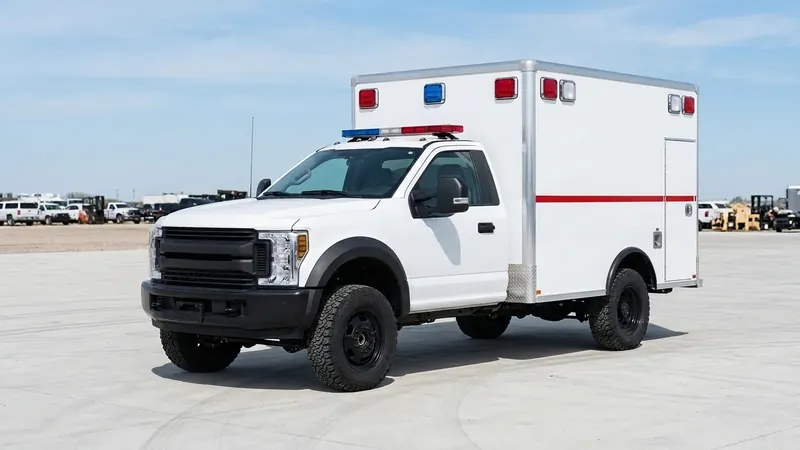
4x4 Pickup Modular Box Ambulance (BLS / ICU)
|
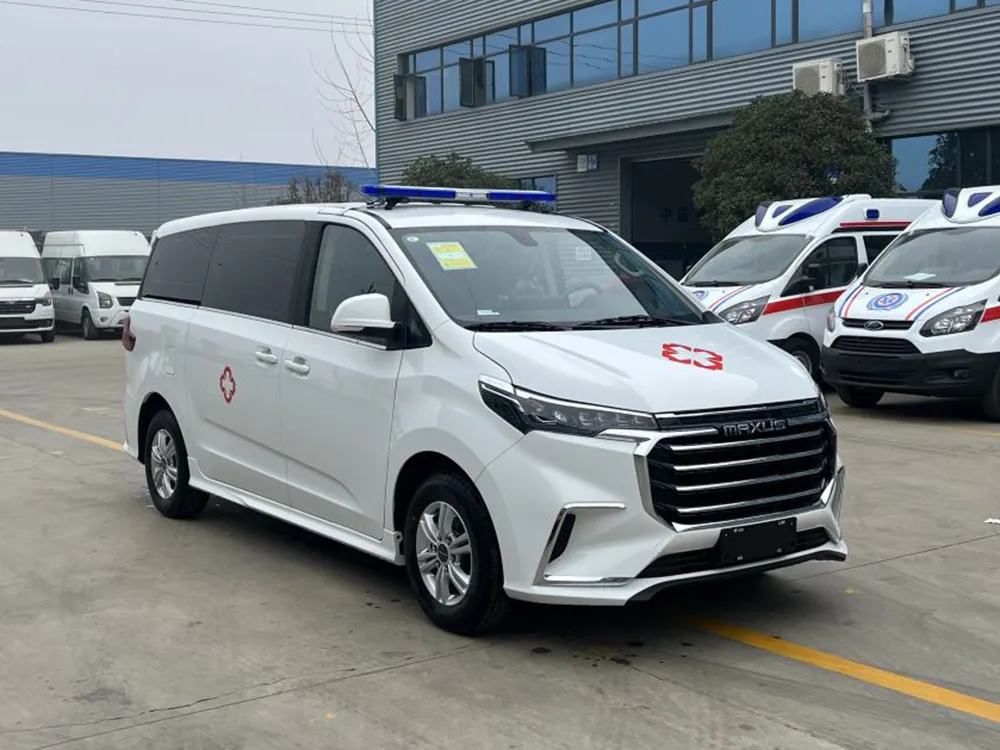
4x2 Economy Patient Transport Van Ambulance
|
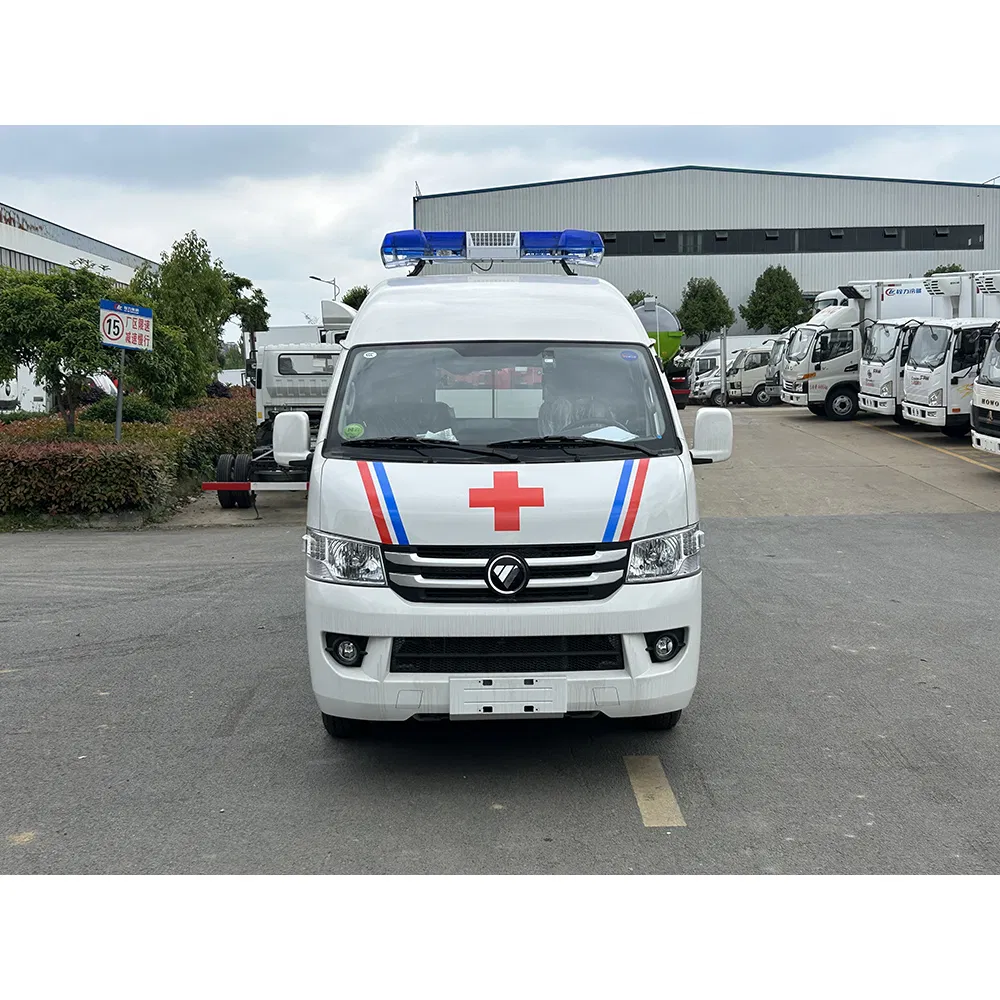
4x2 High-Roof BLS Referral Van Ambulance
|
Export Compliance, Rough-Road Testing & Preventive Spares
Every rural ambulance tender should lock down clear quality, export, and lifecycle deliverables prior to contract award:
- Bid & Customs Documentation: Tender-specific Manufacturer's Authorisation Form (MAF), Certificate of Origin (CO), electrical load and oxygen leak-test reports, dimensional GA drawings (confirming steering orientation LHD/RHD), and Pre-Shipment Inspection (SGS, Bureau Veritas, or Intertek) for SONCAP, KEBS PVoC, or TBS PVoC clearance.
- Engineering Standards Reference: Medical cabin layouts, stretcher floor-lock geometry, and electrical isolation circuits are constructed in alignment with buyer-specified tender clauses referencing EN 1789 or KKK-A-1822F upon request. Where formal third-party vehicle type-approval certificates are explicitly mandated by a tender, certifiable configurations are verified in writing prior to bid submission.
- Training & 2-Year Rural Spares Kit: Deliveries can bundle driver and mechanic orientation (covering 4WD low-range engagement, differential locks, auxiliary inverter care, and oxygen changeover safety) alongside a 2-year preventive maintenance kit (oil/air/fuel and primary water-separator filters, belts, brake pads, heavy-duty shock bushings, fuses, and lightbar modules).
Compliance Note: Last updated November 2026. Chassis availability and lead times for RHD 4x4 platforms are confirmed in writing at tender inquiry stage.
Frequently Asked Questions
1. When does a rural health district truly need a 4x4 ambulance instead of a 4x2 van?
Specify a 4x4 ambulance whenever clinic access routes include unpaved clay or laterite roads that become muddy during rainy seasons, unbridged stream crossings, deep sand, or steep mountain grades. On paved highways and well-maintained tarmac corridors, a 4x2 high-roof van delivers more medical space at a lower unit cost.
2. What is the difference between a 4x4 hardtop ambulance and a 4x4 modular box ambulance?
A 4x4 hardtop ambulance converts a factory steel SUV/troop-carrier body, giving maximum bush-track durability and compact exterior dimensions but seated-only interior height (~1,400 mm). A 4x4 modular box ambulance mounts a wider, standing-height (~1,800 mm) insulated aluminum-composite medical cabin onto a 4x4 pickup or light-truck chassis, offering far better clinical ergonomics and cabinet space.
3. Are 4x4 ambulances available in Right-Hand Drive (RHD) for Kenya, Tanzania, and Zambia?
Yes. Both 4x4 hardtop and 4x4 pickup modular-box ambulances are built in Right-Hand Drive (RHD) for East and Southern Africa as well as Left-Hand Drive (LHD) for West/Central Africa and the Middle East. Because RHD 4x4 chassis require scheduled factory allocations, plan 45 to 75 days for production and conversion.
4. How can a county with a limited budget balance 4x4 capability with fleet size?
Use a hub-and-spoke fleet mix: allocate 4x4 off-road ambulances exclusively to remote sub-counties with unpaved feeder tracks, and allocate lower-cost 4x2 patient transport or BLS high-roof vans to paved highway hubs and inter-hospital referral transfers.
5. What rough-road suspension and protection upgrades should be written into a rural ambulance tender?
Specify heavy-duty reinforced leaf springs or upgraded coil/shock absorbers tuned for continuous medical payload, steel engine/transfer-case skid plates, raised air-intake snorkel, EPDM dust-sealed rear doors, recessed vibration-proof cabinet latches, and dual spare wheels.
Download 4x4 vs. Van Spec Sheet or Request Bid Quotation
Request Tender Technical Schedule & Bid Support
Share your target vehicle capacity, steering side (LHD/RHD), destination port and tender timeline to receive model technical schedules, dimensional drawings and clause-by-clause bid support.
Request Bid Quotation & Technical Schedule | Review Tender Documents We Provide
Vehicle models to compare
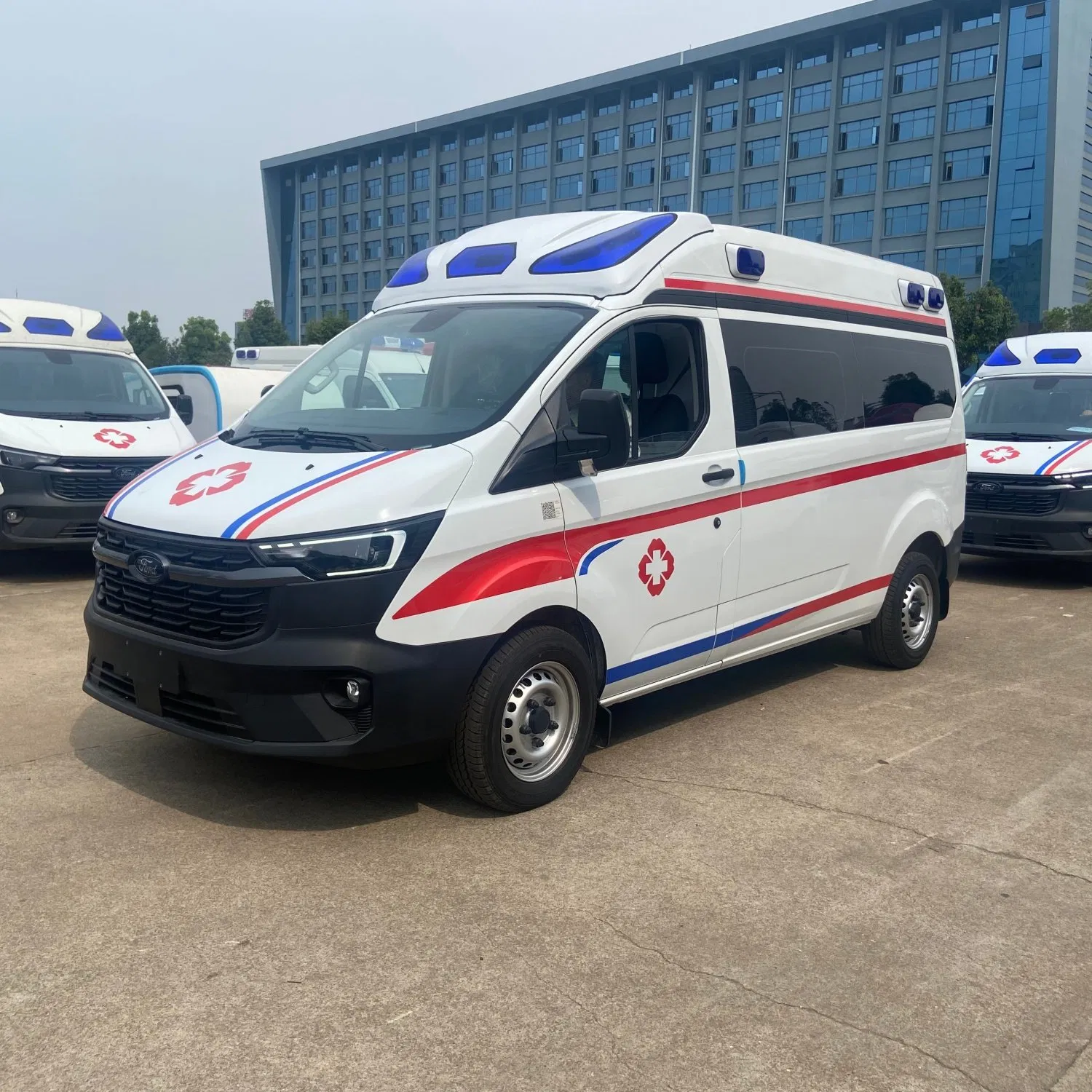
Patient Transport Ambulance CLW5030XJHCDP
The CLW5030XJHCDP is a patient transport ambulance built by Chengli Automobile Group for ministries of health, public hospitals and humanitarian NGOs. Its manufacturer record lists a 3,300 kg GVW class and 162 kW engine output. Right-hand-drive availability, final equipment fit-out and export documentation are confirmed per contract for government and donor-funded tenders.
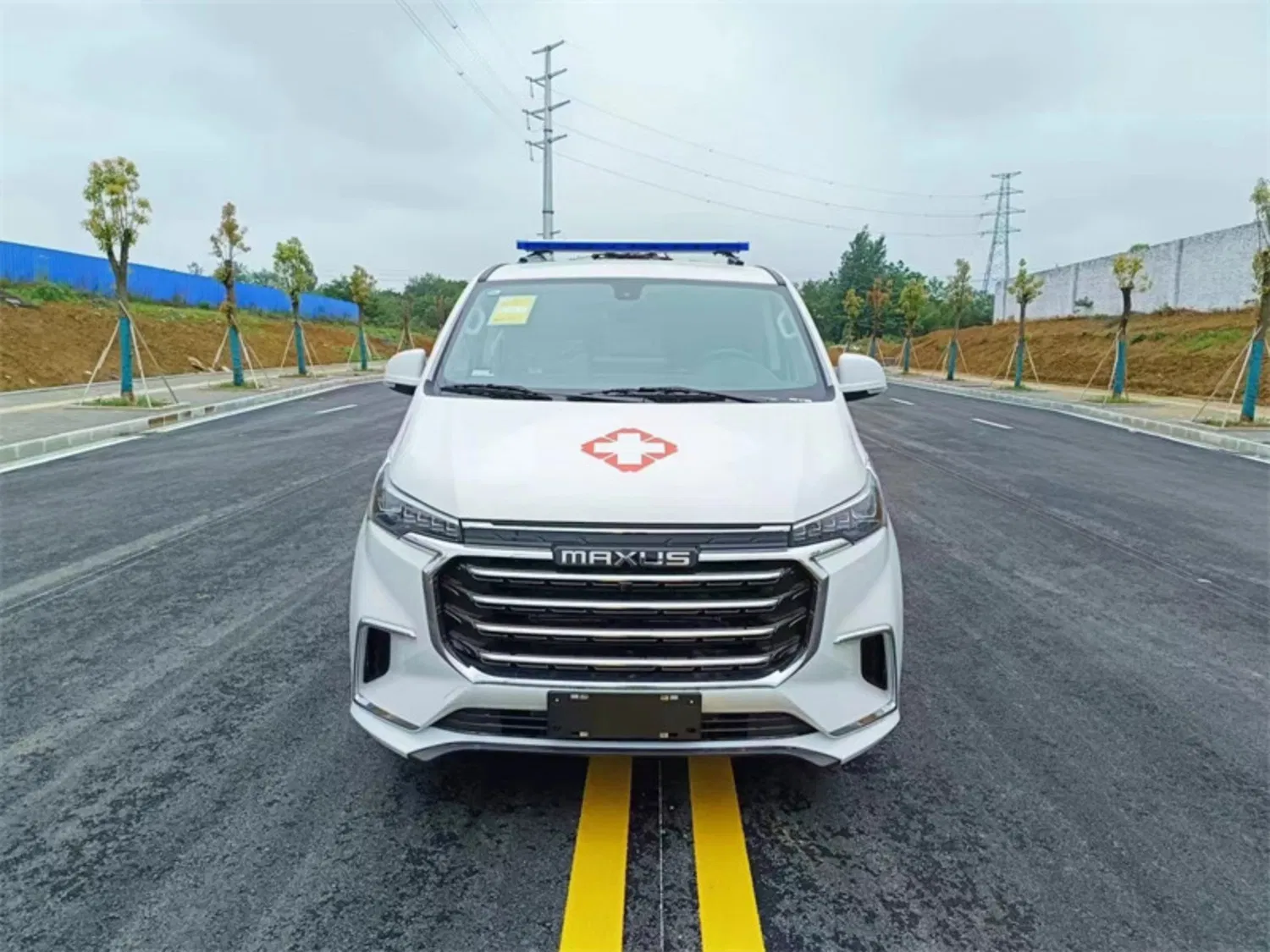
Patient Transport Ambulance CL5030XJH6AYS
The CL5030XJH6AYS is a 4x2 patient transport ambulance built by Chengli Automobile Group for ministries of health, public hospitals and humanitarian NGOs. Its manufacturer record lists a 2,900 kg GVW class and 186.4 kW engine output. Right-hand-drive availability, final equipment fit-out and export documentation are confirmed per contract for government and donor-funded tenders.
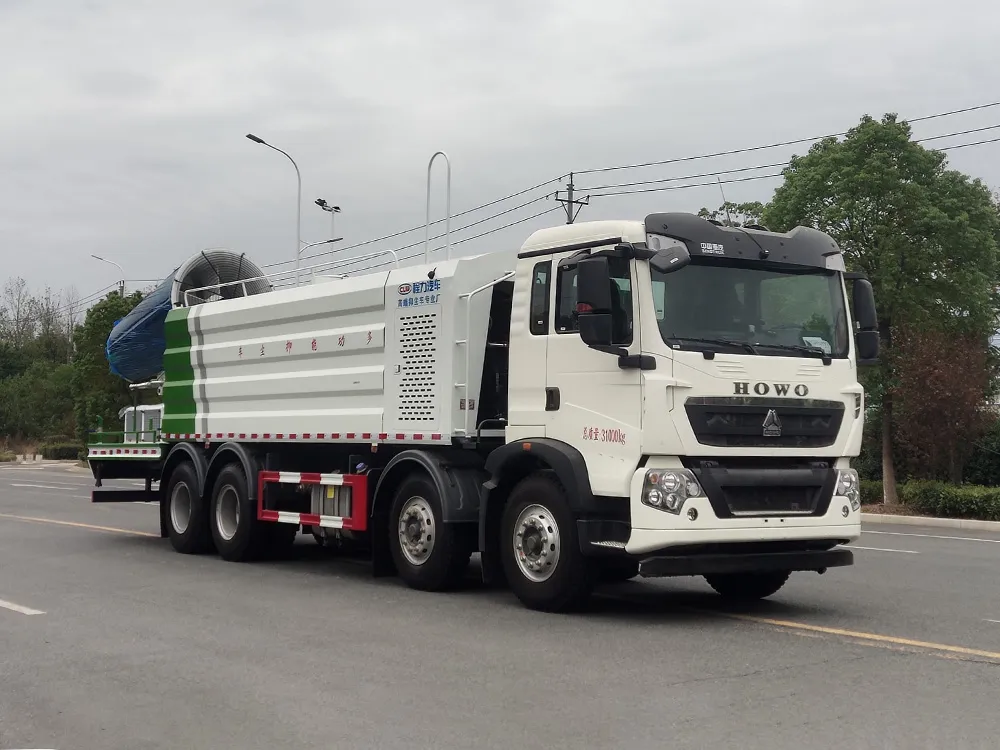
Dust Suppression Truck CL5310TDYZ6YC
The CL5310TDYZ6YC is a 8x4 Sinotruk-chassis dust suppression truck built by Chengli Automobile Group for city councils, municipal sanitation departments and public-works contractors. Its manufacturer record lists a 21 m³ key specification, a 31,000 kg GVW class and 257 kW engine output. Right-hand-drive availability, final equipment fit-out and export documentation are confirmed per contract for government and donor-funded tenders.
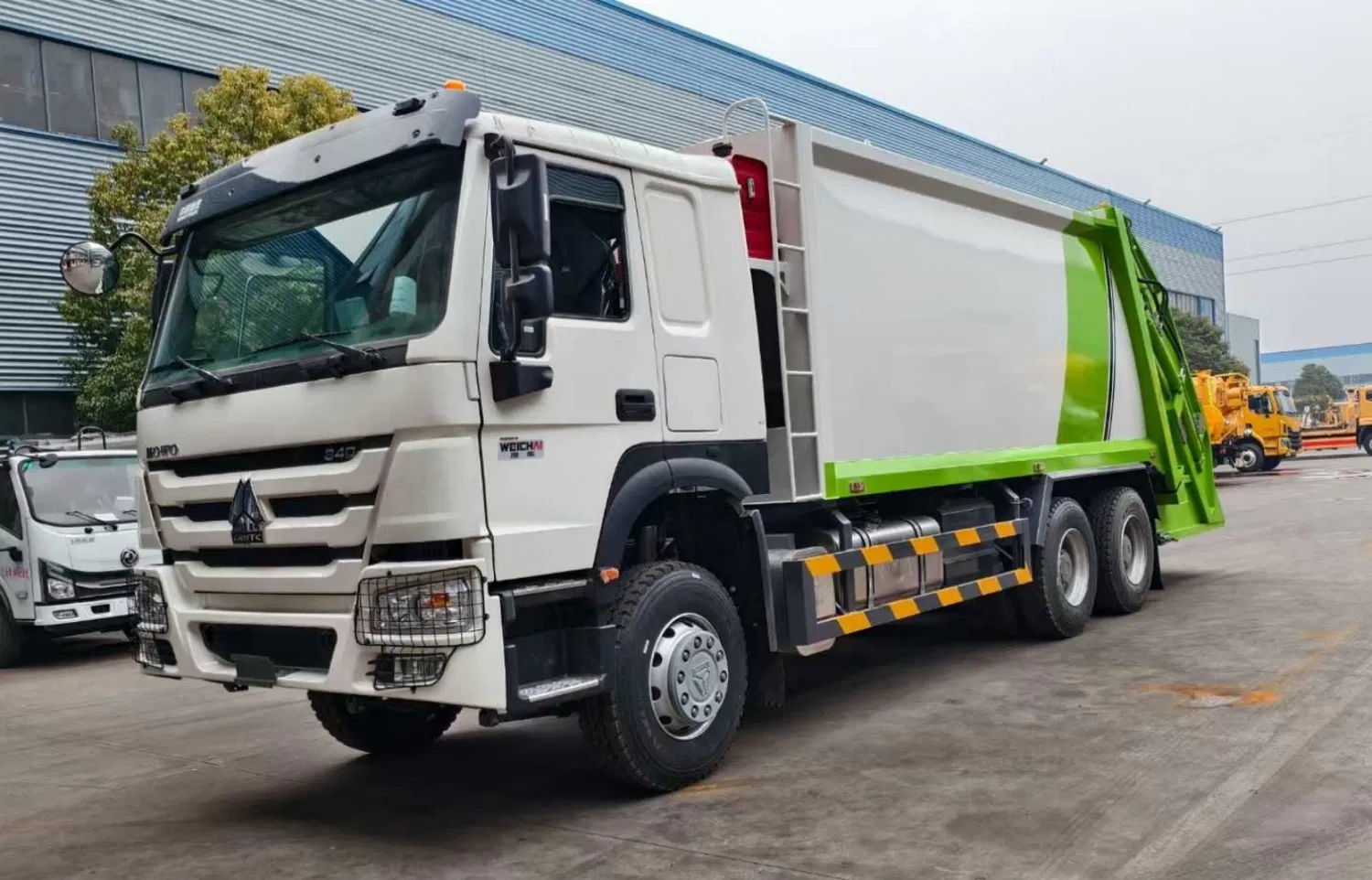
Refuse Compactor CLW5250ZYSAHJ
The CLW5250ZYSAHJ is a 6x4 refuse compactor built by Chengli Automobile Group for city councils, municipal sanitation departments and public-works contractors. Its manufacturer record lists a 20–23 m³ key specification and a 25,000 kg GVW class. Right-hand-drive availability, final equipment fit-out and export documentation are confirmed per contract for government and donor-funded tenders.
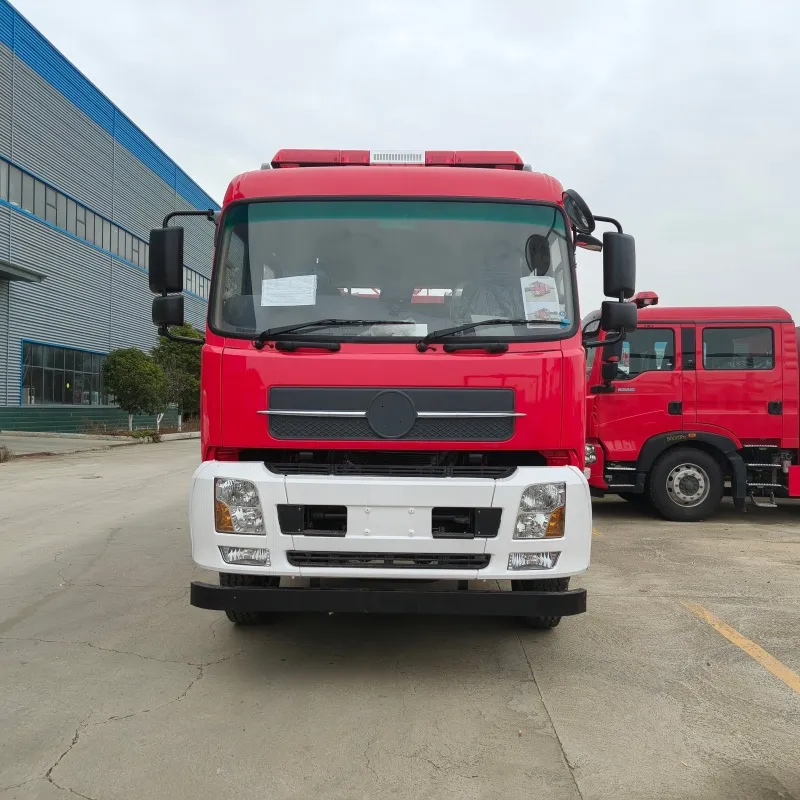
Foam Fire Truck CLW5190GXFPM50
The CLW5190GXFPM50 is a 4x2 foam fire truck built by Chengli Automobile Group for municipal fire brigades, civil defence agencies and industrial safety fleets. Its manufacturer record lists a 19,100 kg GVW class and 149.1 kW engine output. Right-hand-drive availability, final equipment fit-out and export documentation are confirmed per contract for government and donor-funded tenders.
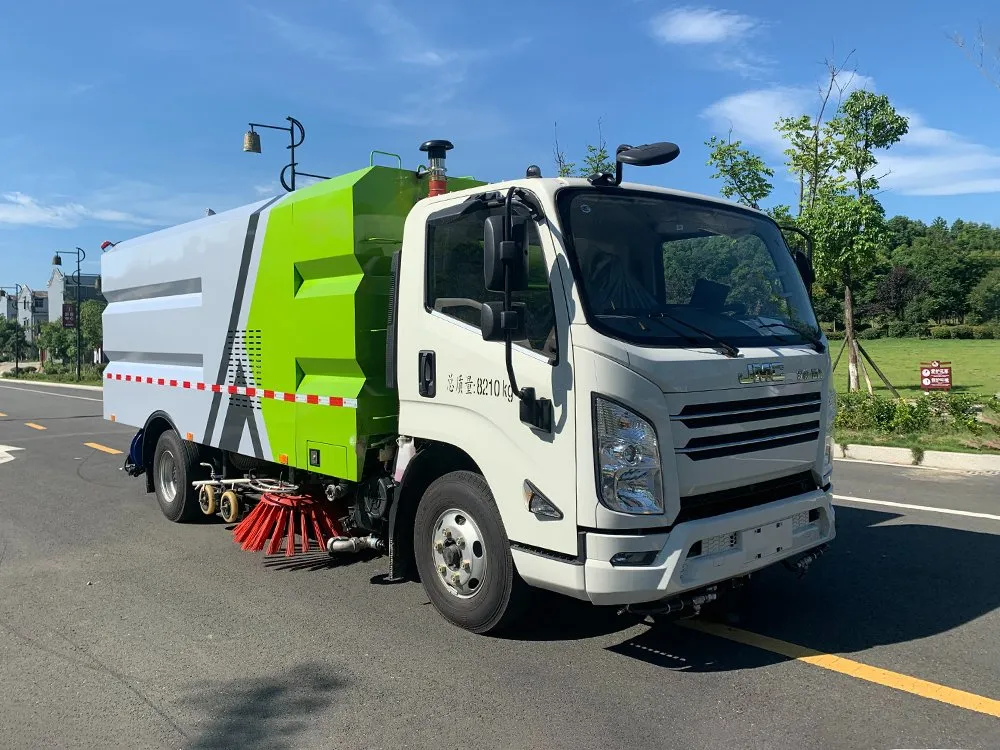
Washing-Sweeping Truck CLW5080TXSJ6
The CLW5080TXSJ6 is a 4x2 JMC-chassis washing-sweeping truck built by Chengli Automobile Group for city councils, municipal sanitation departments and public-works contractors. Its manufacturer record lists a 3 m cleaning width key specification, the JX1083TK26 chassis and a 8,210 kg GVW class. Right-hand-drive availability, final equipment fit-out and export documentation are confirmed per contract for government and donor-funded tenders.
TECHNICAL DOCUMENT REQUEST
Get the specification conversation started
Tell us your destination and vehicle requirement. PDF availability and the specification scope will be confirmed for the proposed model.