
Procurement guides
Negative Pressure Ambulance: Filtration & Spec Guide
25 November 2026
A compliant negative pressure isolation ambulance relies on four verifiable engineering subsystems: a hermetically sealed bulkhead separating the driver cab from the patient bay, an exhaust filtration unit maintaining a continuous -10 Pa to -30 Pa pressure differential (typically ≥20 air changes per hour), a certified HEPA H14 exhaust filter (99.995% efficiency at 0.3 microns), and independent non-recirculating cabin air conditioning with seamless chemical-washdown interior surfaces. Because infectious-disease transport vehicles are specialized environmental containment platforms—not clinical treatment devices—tender specifications must focus strictly on measurable airflow, sealing integrity, filtration efficiency, and filter replacement safety.
Isolation Fleet Resources & Bid Support
Primary Action: Request Negative Pressure Spec Sheet & Tender Clauses — Airflow Diagrams, HEPA H14 Filtration Specs & BoQ Reference Clauses (Requires: Email or WhatsApp, Country, Chassis Preference)*
Secondary Action: Request Bid Quotation — Submit your CDC, Ministry of Health, or port quarantine BoQ for formal technical proposals*
Technical Specification Matrix: Filtration, Airflow & Sealing
Standard ambulances upgraded with an off-the-shelf roof fan do not qualify as true isolation transport units. Use the engineering matrix below to verify the mandatory airflow, pressure, electrical, and decontamination parameters required in negative pressure ambulances procured by public health agencies.
| Subsystem | Mandatory Technical Parameter | Recommended Tender Clause Benchmark | Verification / Acceptance Test | Actions |
|---|---|---|---|---|
| 1. Negative Pressure Differential | Continuous patient-bay pressure below exterior atmospheric pressure | -10 Pa to -30 Pa adjustable range (standard operational setpoint: -15 Pa to -25 Pa) with digital cab/cabin display & low-pressure audible alarm | Calibrated digital differential manometer test with doors closed and A/C running | View Models | Get Spec/Quote |
| 2. Air Exchange Rate & Directional Flow | Exhaust airflow capacity and top-to-bottom laminar airflow path | ≥20 Air Changes per Hour (ACH) (typically 200–400 m³/h exhaust flow depending on cabin volume); clean intake near ceiling/front, exhaust draw near floor/stretcher head | Anemometer airflow calculation + visual smoke-pencil directional flow test | View Models | Get Spec/Quote |
| 3. Exhaust Filtration Media | Multi-stage pre-filter + high-efficiency terminal particulate arrestor | Primary G4/F7 dust pre-filter + EN 1822 HEPA H14 filter (≥99.995% efficiency at 0.3 μm MPPS) in leak-free clamped housing with differential pressure clogging indicator | Factory HEPA filter certificate (MPPS test report) + housing gasket seal check | View Models | Get Spec/Quote |
| 4. Bulkhead Sealing & Independent HVAC | Zero air leakage between patient bay and driver compartment | Hermetically sealed solid partition bulkhead with fixed tempered-glass observation window, hands-free two-way intercom, and completely independent rear A/C loop (no shared ducts) | Door/bulkhead smoke-seal inspection; verify cab remains at positive/ambient pressure | View Models | Get Spec/Quote |
| 5. Washdown Interior & Power Autonomy | Chemical-resistant surfaces + dedicated power for filtration & ICU gear | One-piece thermoformed ABS/FRP walls, welded coved vinyl floor, seamless joints for chlorine/peroxide spray washdown; 200Ah+ battery bank + 2,500–3,000 W pure sine inverter + shore power | 4-hour continuous stationary run test of negative pressure blower + lighting + A/C | View Models | Get Spec/Quote |
How Negative Pressure Differential & Directional Airflow Work
To evaluate contractor bids accurately, procurement officers need a clear grasp of the physical airflow mechanics inside an isolation compartment—without conflating vehicle engineering with clinical treatment promises.
- Creating the Pressure Gradient (-10 Pa to -30 Pa): A dedicated brushless DC or AC exhaust blower continuously extracts air from the sealed medical compartment at a higher rate than conditioned outside air enters through calibrated intake vents. This controlled imbalance lowers internal cabin pressure to between -10 Pascals and -30 Pascals relative to ambient atmospheric pressure. Consequently, whenever a small seal gap exists or a service hatch opens momentarily, ambient air flows inward into the cabin rather than unfiltered contaminated cabin air escaping outward toward the driver or bystanders.
- Directional "Clean-to-Dirty" Airflow Path: Simply sucking air out of the roof ceiling creates stagnant air pockets around the patient stretcher and pulls aerosols past the attending paramedic's breathing zone. Properly engineered negative pressure ambulances position filtered fresh-air intake louvers near the upper front bulkhead (behind the medical attendant's head) and place the negative-pressure exhaust intake low along the rear/side wall adjacent to the patient's head on the stretcher. This diagonal laminar sweep continuously pushes fresh air across the crew first, then over the patient, and directly into the HEPA filtration plenum.
- Why HEPA H14 Filtration & Safe Filter Servicing Matter: Before extracted air exits the roof or rear exterior vent, it passes through a coarse pre-filter (capturing lint and dust to prolong main filter life) and an H14-grade HEPA cartridge rated to trap 99.995% of 0.3-micron airborne particulates. Tender specs should mandate a filter clogging pressure gauge and bag-in / bag-out or rear-exterior access doors so maintenance personnel wearing PPE can replace spent HEPA cartridges without entering the patient compartment or contaminating interior cabinetry.
Sealed Bulkhead, Dual HVAC & Rapid Decontamination Surfaces
Even the highest-rated HEPA blower fails its containment objective if cabin construction allows cross-leakage or traps biohazardous fluids inside porous trim panels.
- Zero Cross-Contamination Between Cabins: Unlike standard transport vans that feature a sliding pass-through window or walk-through door between driver and patient zones, isolation builds require a permanently sealed, non-opening bulkhead fitted with a flush-mounted tempered safety glass viewing window and a hands-free wired intercom. Critically, the rear medical air-conditioning system must draw solely from its own isolated rear loop—never sharing air ducts or return vents with the front driver cab.
- Chemical Washdown & Drainage Architecture: Between high-consequence infectious disease transfers (such as viral hemorrhagic fevers, MDR-TB, or novel respiratory outbreaks), decontamination teams spray interior walls with 0.5% sodium hypochlorite (bleach) or vaporized hydrogen peroxide (VHP). Specify non-porous thermoformed ABS or gel-coated FRP seamless panels, silicon-sealed stainless steel fasteners, IP65 waterproof LED ceiling fixtures, welded coved vinyl flooring, and an optional flushable floor drain plug so runoff liquids do not corrode chassis wiring underneath.
- Optional Portable Negative-Pressure Stretcher Chamber: For Ministries of Health operating mixed-duty fleets, an isolation ambulance can also carry a portable battery-powered negative-pressure isolation stretcher hood (equipped with its own mini HEPA blower and glove ports), enabling double-layer containment during loading/unloading across hospital emergency corridors.
Featured Negative Pressure Isolation Builds
Review three specialized configurations from our negative pressure ambulances lineup engineered for national CDCs, tertiary infectious-disease centers, and port quarantine units.
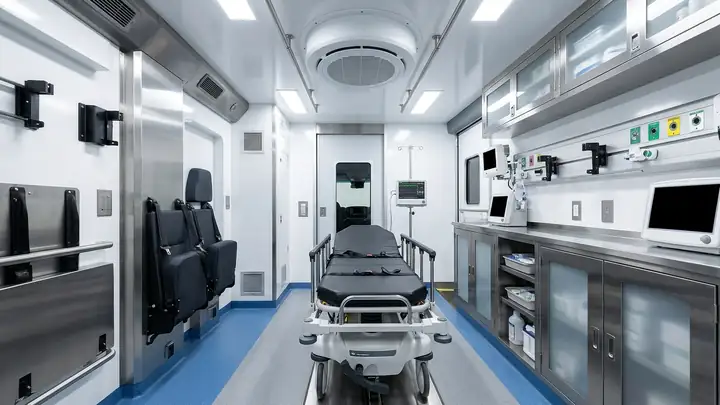
High-Roof BLS Negative Pressure Ambulance
|
ICU Critical-Care Negative Pressure Ambulance
|

4x4 Rural Modular Box Isolation Ambulance
|
Drafting Defensible Tender Clauses, Testing & Spares Compliance
When preparing isolation vehicle tenders, avoid unverified medical claims (such as claiming a vehicle "cures" or "eliminates 100% of disease transmission"). Instead, write objective, testable engineering acceptance criteria backed by complete export documentation:
- Important Functional Scope Statement: Negative pressure isolation ambulances are engineered strictly to support infection-control environmental containment and airflow management protocols during patient transport. They do not replace clinical PPE, hospital triage protocols, or regulatory medical treatment standards.
- Factory Acceptance & Export Submittals: Every bid package includes a tender-specific Manufacturer's Authorisation Form (MAF), Certificate of Origin (CO), HEPA H14 filter factory efficiency test sheet, cabin negative-pressure differential test report (recording stabilization time to -20 Pa and minimum ACH airflow), oxygen leak-test certificate, electrical load test sheet, and Pre-Shipment Inspection (SGS, Bureau Veritas, or Intertek) coordination.
- Standards Alignment: Cabin restraint geometry, bulkhead crash integrity, and electrical safety harnesses are built to align with buyer-specified tender requirements referencing EN 1789 or KKK-A-1822F upon request. Where formal third-party vehicle type-approval certificates are explicitly required by a tender, certifiable configurations are confirmed in writing prior to bid submission.
- Operator Training & 2-Year Filter/Spares Package: Because clogged HEPA filters rapidly degrade negative-pressure stability, tenders should include a 2-year replacement filter and preventive spares bundle (spare HEPA H14 cartridges, G4/F7 pre-filters, blower fuses, differential pressure sensor spares, UV-C lamps, and chassis service filters) plus hands-on commissioning training covering pressure-alarm checks and safe filter changeout procedures.
Compliance Note: Last updated November 2026. Final airflow ratings, medical equipment BoQs, and LHD/RHD chassis allocations are confirmed against each procuring agency's signed technical schedule.
Frequently Asked Questions
1. What negative pressure level should a public health tender specify for an isolation ambulance?
Most international and Ministry of Health specifications require a stable negative pressure differential between -10 Pa and -30 Pa inside the sealed patient cabin relative to exterior ambient pressure, paired with an automatic digital pressure monitor and audible low-pressure warning alarm visible to both the medical attendant and driver.
2. How many air changes per hour (ACH) and what filter grade are required?
A properly sized negative pressure system delivers at least 20 air changes per hour (ACH) through a multi-stage filtration unit terminating in a certified HEPA H14 filter (rated at 99.995% particulate capture efficiency at 0.3 microns).
3. Can a negative pressure ambulance also be used for regular BLS or ICU emergencies when there is no outbreak?
Yes. The negative pressure exhaust blower operates via an independent dashboard/cabin switch. During routine non-infectious emergencies, crews can leave the negative pressure module turned off and deploy the vehicle as a standard high-roof BLS or ICU ambulance—maximizing public fleet utilization year-round.
4. How often must the HEPA H14 filter be replaced in a negative pressure ambulance?
Filter service intervals depend on operational hours, dust exposure, and national CDC infection-control protocols. Typically, coarse pre-filters are replaced every 3 to 6 months, while the primary HEPA H14 cartridge is replaced every 12 months (or 1,000–2,000 operating hours), whenever the differential clogging indicator signals restriction, or immediately following transport of specified high-consequence pathogens per Ministry protocol.
5. Is a timed UV-C disinfection lamp safe to run while patients or staff are inside the cabin?
No. UV-C germicidal lamps must only operate when the patient compartment is completely unoccupied during post-transfer decontamination cycles. Compliant installations wire the UV-C fixture through an interlocked door-safety cut-off switch and external timer so the lamp shuts off instantly if any rear or side door opens.
Download Negative Pressure Spec Sheet or Request Bid Quotation
Request Tender Technical Schedule & Bid Support
Share your target vehicle capacity, steering side (LHD/RHD), destination port and tender timeline to receive model technical schedules, dimensional drawings and clause-by-clause bid support.
Request Bid Quotation & Technical Schedule | Review Tender Documents We Provide
Vehicle models to compare
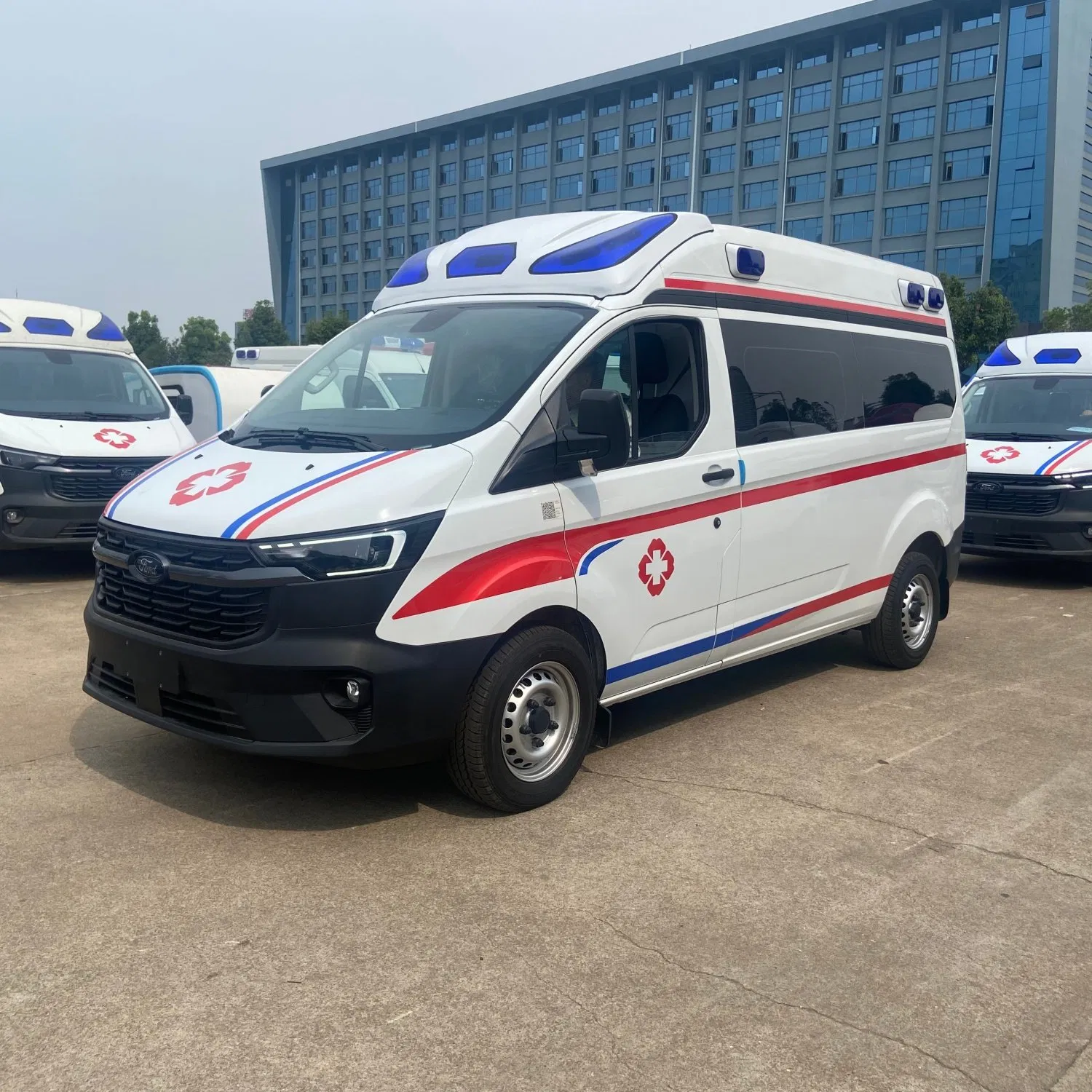
Patient Transport Ambulance CLW5030XJHCDP
The CLW5030XJHCDP is a patient transport ambulance built by Chengli Automobile Group for ministries of health, public hospitals and humanitarian NGOs. Its manufacturer record lists a 3,300 kg GVW class and 162 kW engine output. Right-hand-drive availability, final equipment fit-out and export documentation are confirmed per contract for government and donor-funded tenders.
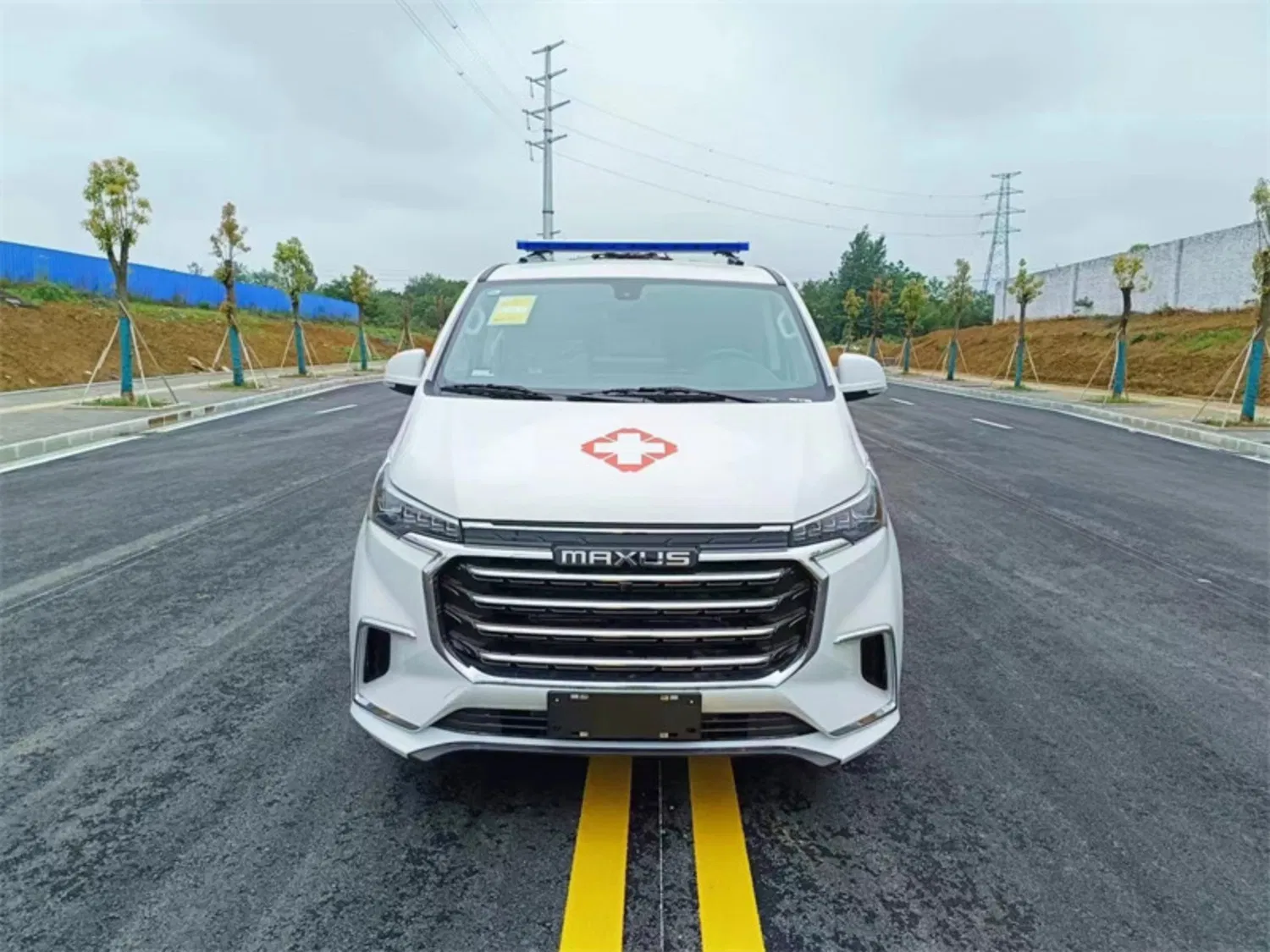
Patient Transport Ambulance CL5030XJH6AYS
The CL5030XJH6AYS is a 4x2 patient transport ambulance built by Chengli Automobile Group for ministries of health, public hospitals and humanitarian NGOs. Its manufacturer record lists a 2,900 kg GVW class and 186.4 kW engine output. Right-hand-drive availability, final equipment fit-out and export documentation are confirmed per contract for government and donor-funded tenders.
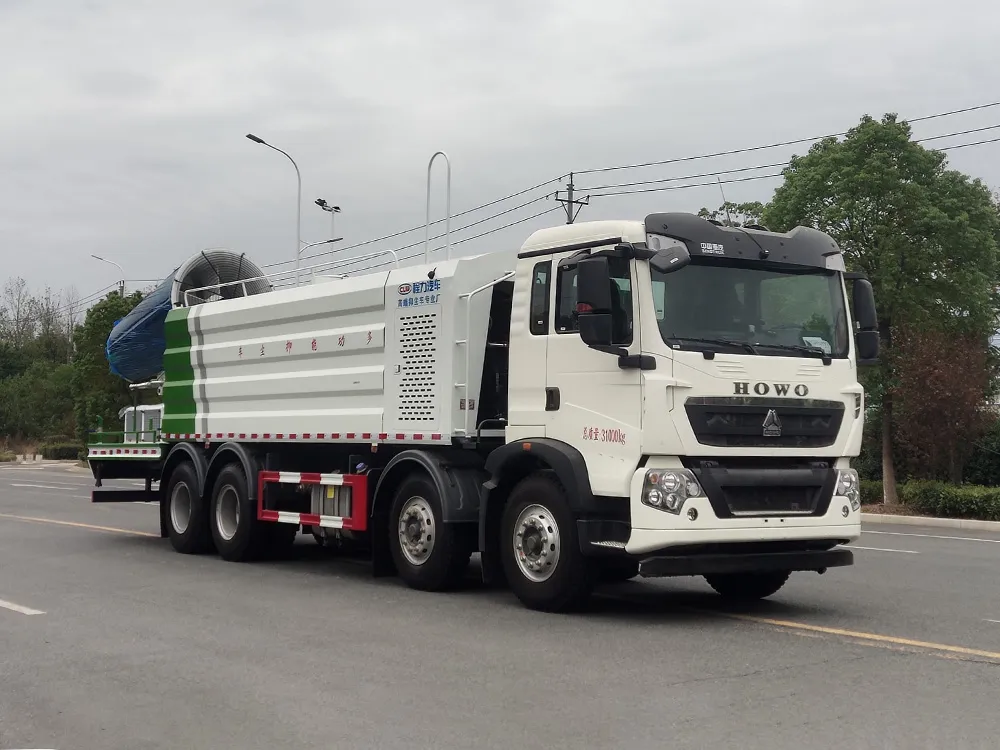
Dust Suppression Truck CL5310TDYZ6YC
The CL5310TDYZ6YC is a 8x4 Sinotruk-chassis dust suppression truck built by Chengli Automobile Group for city councils, municipal sanitation departments and public-works contractors. Its manufacturer record lists a 21 m³ key specification, a 31,000 kg GVW class and 257 kW engine output. Right-hand-drive availability, final equipment fit-out and export documentation are confirmed per contract for government and donor-funded tenders.
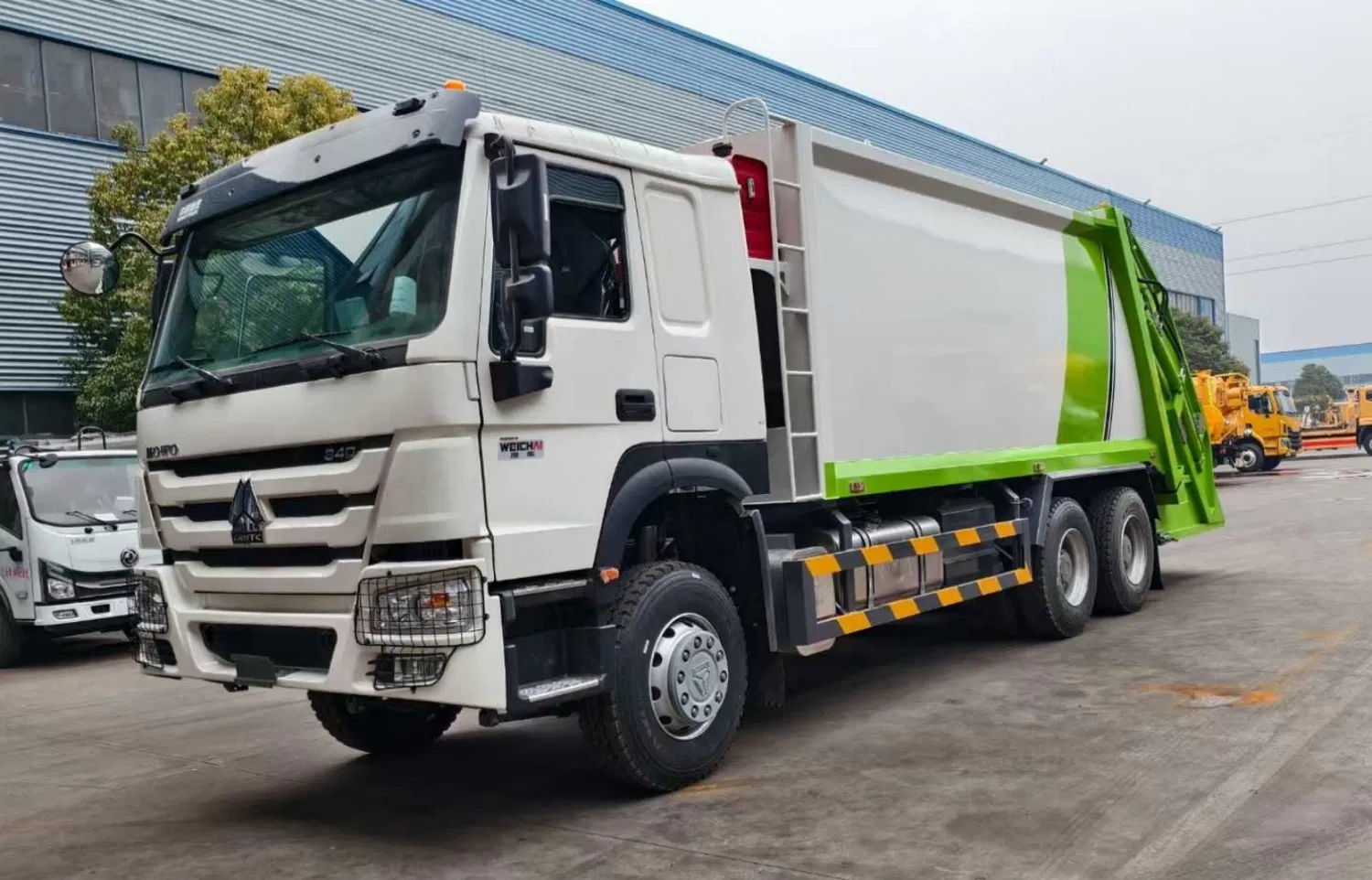
Refuse Compactor CLW5250ZYSAHJ
The CLW5250ZYSAHJ is a 6x4 refuse compactor built by Chengli Automobile Group for city councils, municipal sanitation departments and public-works contractors. Its manufacturer record lists a 20–23 m³ key specification and a 25,000 kg GVW class. Right-hand-drive availability, final equipment fit-out and export documentation are confirmed per contract for government and donor-funded tenders.
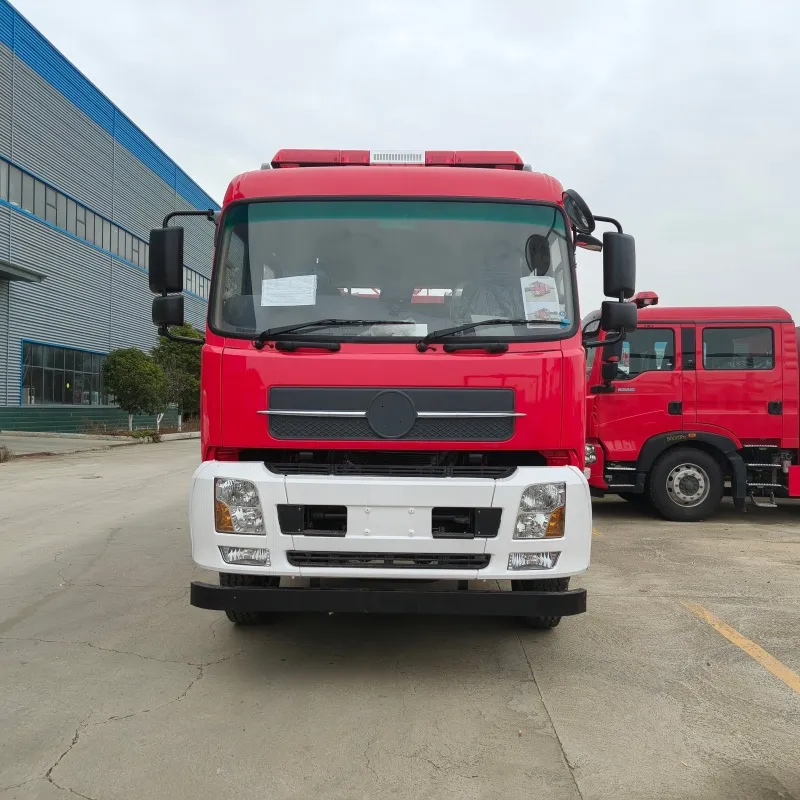
Foam Fire Truck CLW5190GXFPM50
The CLW5190GXFPM50 is a 4x2 foam fire truck built by Chengli Automobile Group for municipal fire brigades, civil defence agencies and industrial safety fleets. Its manufacturer record lists a 19,100 kg GVW class and 149.1 kW engine output. Right-hand-drive availability, final equipment fit-out and export documentation are confirmed per contract for government and donor-funded tenders.
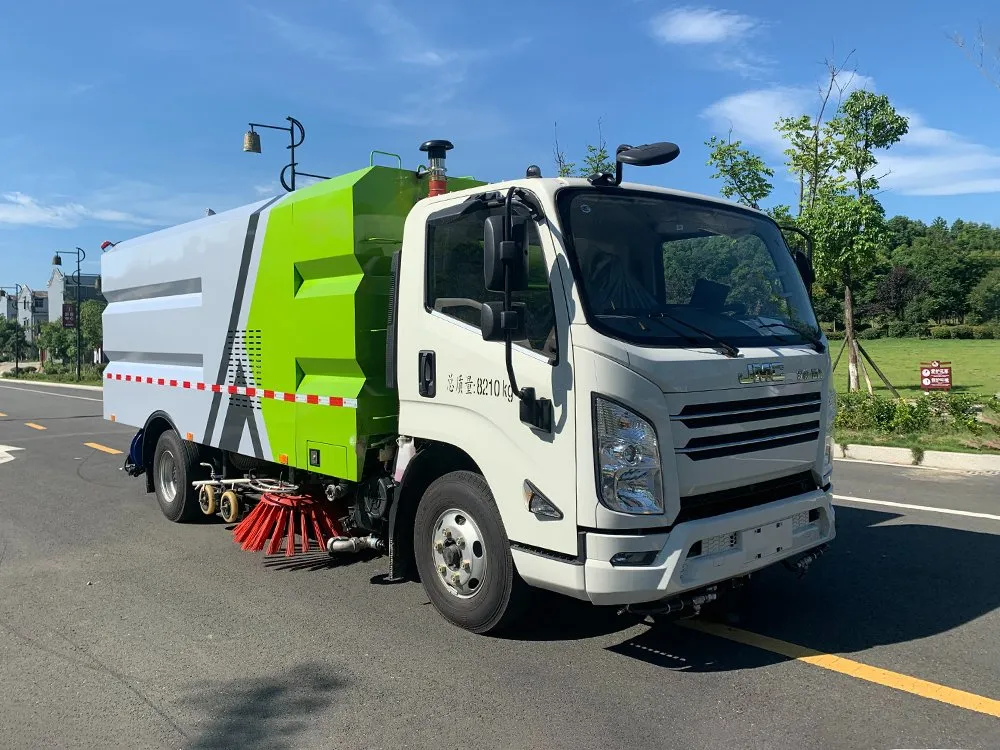
Washing-Sweeping Truck CLW5080TXSJ6
The CLW5080TXSJ6 is a 4x2 JMC-chassis washing-sweeping truck built by Chengli Automobile Group for city councils, municipal sanitation departments and public-works contractors. Its manufacturer record lists a 3 m cleaning width key specification, the JX1083TK26 chassis and a 8,210 kg GVW class. Right-hand-drive availability, final equipment fit-out and export documentation are confirmed per contract for government and donor-funded tenders.
TECHNICAL DOCUMENT REQUEST
Get the specification conversation started
Tell us your destination and vehicle requirement. PDF availability and the specification scope will be confirmed for the proposed model.