
Procurement guides
How to Specify a Food Waste Collection Truck
26 November 2026
A tender-ready food waste collection truck specification must mandate five specialized engineering features that standard dry-refuse compactors lack: a fully sealed SUS 304 stainless steel tank or corrosion-proof body, a labyrinth silicone/EPDM rear-door seal with hydraulic locking hooks to eliminate odor and street leakage, an internal solid-liquid separation screen with a dedicated dirty-liquid holding tank, a choice between horizontal push-plate ejection or hydraulic rear tipping matched to unloading site height, and an automated side or rear 120 L / 240 L bin-lifting hoist with optional onboard weighing. Standard painted carbon-steel garbage trucks corrode rapidly under acidic kitchen swill (pH 4.0–5.5) and drip grease onto municipal roads within months of service.
Organic Waste Tender Resources & Bid Support
Primary Action: Request Food Waste Truck Specification Checklist — SUS 304 Tank Clauses, Solid-Liquid Separation Schematics & Bin Lifter Specs (Requires: Email or WhatsApp, Country, Tank Volume)*
Secondary Action: Request Bid Quotation — Submit your municipal organic waste or market-collection BoQ for factory drawings and FOB pricing*
Essential Food Waste Truck Specification Matrix
When drafting public tenders for source-separated kitchen waste, hotel/restaurant organics, or wet produce-market collection, procurement engineers should define exact material grades, sealing mechanisms, and unloading geometry rather than buying modified dry compactors. Review the specification matrix below.
| Technical Subsystem | Mandatory Specification Parameter | Recommended Tender Clause Benchmark | Why It Prevents Premature Failure | Actions |
|---|---|---|---|---|
| 1. Tank / Body Material & Geometry | Acid-resistant interior shell, thickness, and smooth cylindrical/arc corners | 4–5 mm SUS 304 stainless steel circular or arc-shaped tank (3–15 m³) with zero sharp bottom corners; internal anti-surge baffles for liquid slosh | Organic acids, salt, and animal fats rapidly pit mild carbon steel and trap rotting residue in square corners | View Models | Get Spec/Quote |
| 2. Rear Door Sealing & Locking | Liquid-tight rear door compression seal and positive hydraulic latches | Heavy-duty replaceable oil- and acid-resistant EPDM/silicone labyrinth gasket compressed by 2–4 hydraulic locking hooks + safety relief valve | Eliminates foul liquid dripping on city avenues and prevents odor nuisance during summer collection | View Models | Get Spec/Quote |
| 3. Solid-Liquid Separation System | Perforated drainage screen, dewatering press, and separate liquid holding tank | Built-in 304 SS perforated filter plate / spiral or push-plate dewatering screen draining into a separate 304 SS bottom wastewater tank (15%–25% of total volume) with 100 mm ball drain valve | Increases solid organic payload per trip, stabilizes vehicle center of gravity, and streamlines biogas or composting intake | View Models | Get Spec/Quote |
| 4. Unloading Method (Push-Plate vs. Tipping) | Horizontal hydraulic ejector blade vs. rear hydraulic tipping cylinders | Push-plate ejection for indoor composting/biogas bays with low roofs (<4.5 m) or uneven landfill ground; 45°–50° rear tipping for fast gravity dump into deep pits | Prevents rollovers on soft landfill embankments and avoids roof collisions inside enclosed treatment plants | View Models | Get Spec/Quote |
| 5. Bin Lifting, Washdown & Weighing | Side/rear 120–240 L bin hoist, top sealed hatch, high-pressure wash reel, optional RFID/scale | Side-mounted chain-and-rail or arm hoist for 120 L / 240 L EN 840 bins with interlocking hydraulic top lid; 300–500 L clean water tank + 15 m high-pressure wash hose | Allows fast curbside bin emptying by 1–2 crew, rinses sticky grease on-route, and supports pay-as-you-throw billing | View Models | Get Spec/Quote |
Sealed Leak-Proof Body & Solid-Liquid Separation Engineering
Food and organic market waste differs fundamentally from dry municipal trash: it averages 70% to 85% moisture by weight, carries a high density of 0.95 to 1.05 metric tons per cubic meter (nearly the weight of pure water), and ferments rapidly in tropical or Middle Eastern heat. Three engineering details separate high-uptime food waste trucks from chronic street-nuisance vehicles:
- Full SUS 304 Stainless Steel Tank & Slosh Control: Never specify carbon steel with interior paint for wet kitchen swill. Specify SUS 304 food-grade/industrial stainless steel for the main vessel, push-plate face, internal drainage screens, and bottom liquid tank. Because 8,000 liters of sloshing slurry shifts weight dangerously during braking or cornering, tanks of 6 m³ and above must incorporate internal perforated baffle plates or a forward-positioned push-plate that doubles as a dynamic surge barrier.
- True Liquid-Tight Rear Door Engineering: A standard garbage truck tailgate sits closed via gravity or simple side latches that weep dirty water under slosh pressure. A dedicated food waste tender requires a heavy reinforced rear dome door pressing against a recessed double-lip silicone or oil-resistant EPDM seal, clamped tightly by hydraulic wedge locks that remain mechanically locked even if hydraulic line pressure drops.
- Onboard Solid-Liquid Separation (Two-Stage Dewatering): As the side hoist tips 240 L restaurant bins through the hydraulic top loading hatch, the internal push-plate periodically strokes backward to gently press solid food scraps toward the rear while free broth, cooking oil, and wash water filter through a stainless steel slotted wedge-wire screen into a sealed under-belly wastewater tank. At the biogas digester or composting yard, the driver discharges dewatered solids cleanly into the receiving hopper and drains liquid grease/wastewater directly into the enclosed oil-water separator pit via a large-bore stainless quick-coupling valve.
Push-Plate Ejection vs Hydraulic Tipping & Bin Lifter Selection
Procurement teams often overlook how the truck will actually unload at the receiving treatment facility—leading to safety incidents once deliveries begin.
Choosing the Discharge Mechanism
- Horizontal Push-Plate Ejection (Recommended for Modern Enclosed Facilities & Solid-Liquid Separation): A multi-stage telescopic hydraulic cylinder pushes a full-section stainless steel ejector plate horizontally from front to rear to expel compacted organic solids. Key advantages: (1) The vehicle height never rises during unloading, making it safe inside enclosed indoor biogas/composting halls with overhead pipes or cranes; (2) zero tip-over risk on uneven ground; and (3) the same push-plate provides onboard squeezing for solid-liquid separation.
- Rear Hydraulic Tipping (Best for High-Fluid Slurry & Simple Open Pits): Dual under-body hydraulic hoist cylinders tilt the entire sealed tank to 45°–50°. Key advantages: Fewer internal moving parts, lower acquisition cost, and faster gravity flow when hauling extremely soupy liquid restaurant swill—though it requires ≥5.5 m overhead clearance and flat, firm concrete unloading aprons.
Side-Mounted vs. Rear-Mounted Bin Lifters & Smart Tracking
- Side-Mounted Pull-Rod / Chain-Rail Bin Hoist (Most Popular for Urban Food Waste): Positioned along the curb side of the truck, this hoist lifts standard 120 L and 240 L lidded plastic bins vertically up the side wall and flips them directly through an automatically opening hydraulic top hatch. The top hatch closes tightly immediately after each bin empties, trapping odors inside and allowing the rear door to remain 100% sealed throughout the entire route.
- Onboard High-Pressure Washdown & Digital Weighing: Include a 300–500 L stainless clean-water tank paired with a PTO-driven high-pressure washer (12–16 MPa) and retractable 15-meter hose reel so operators can rinse sticky bin rims, rear seals, and street spills immediately. For commercial hotel/restaurant billing or municipal diversion audits, specify an optional load-cell bin weighing system with RFID bin-tag reader and cab thermal printer (logging date, GPS coordinate, restaurant ID, and net kilograms per lift).
Featured Food & Organic Waste Collection Builds
Review four stainless steel configurations from our refuse trucks lineup engineered for restaurant districts, municipal produce markets, and biogas feedstocks.
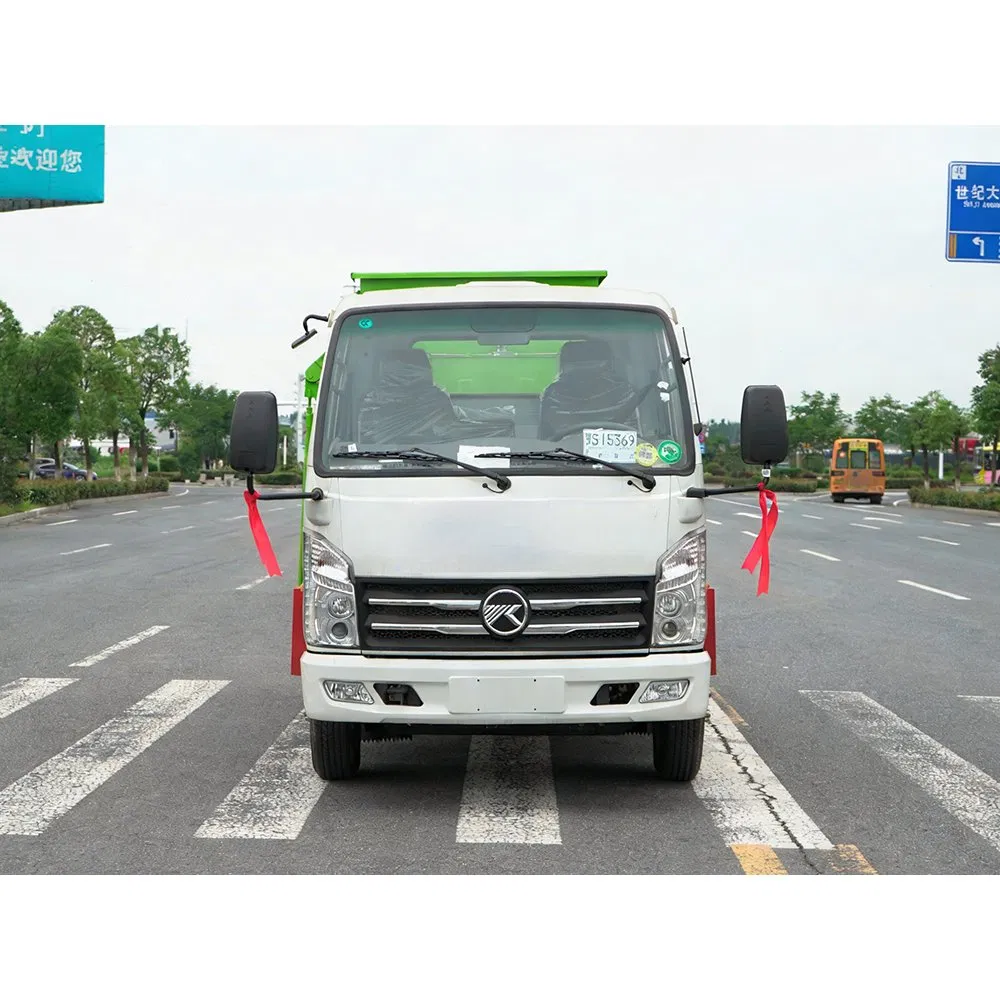
5 m³ Compact Urban Food Waste Truck (4x2)
|
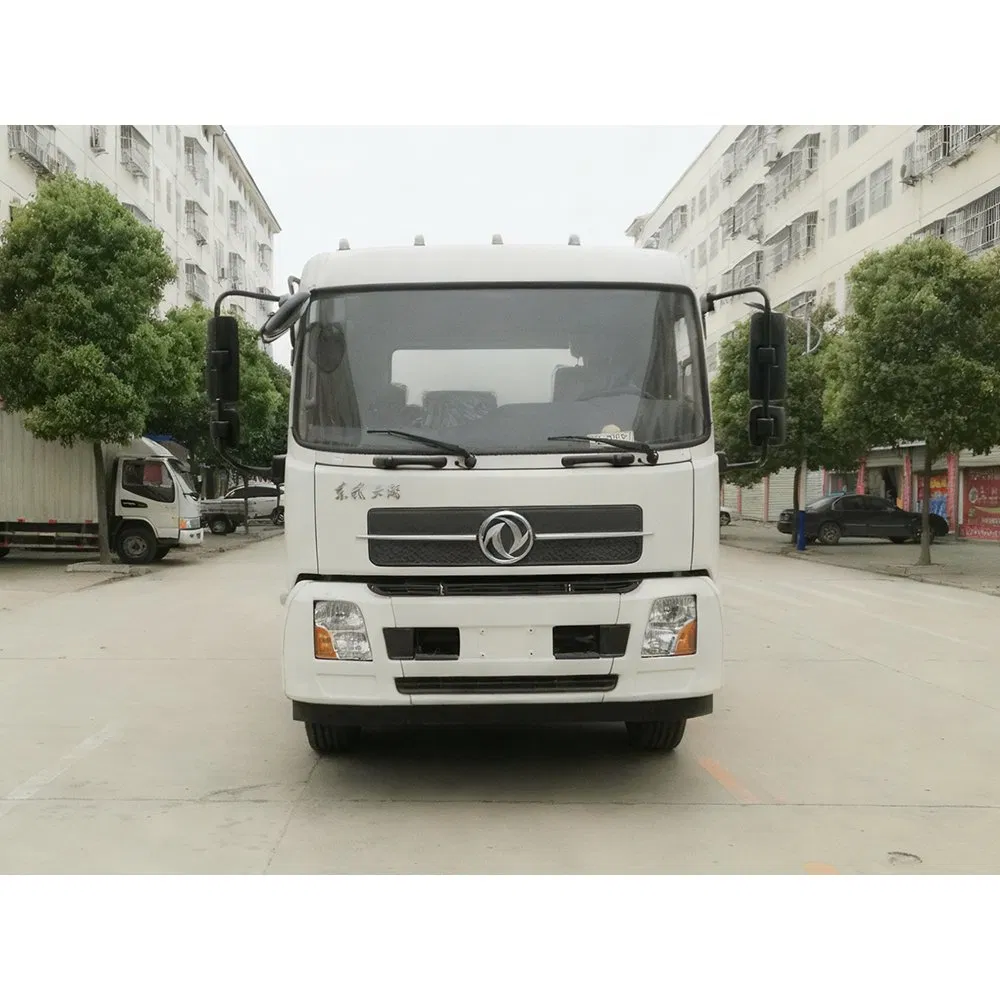
8 – 10 m³ Municipal Food Waste Truck (4x2)
|
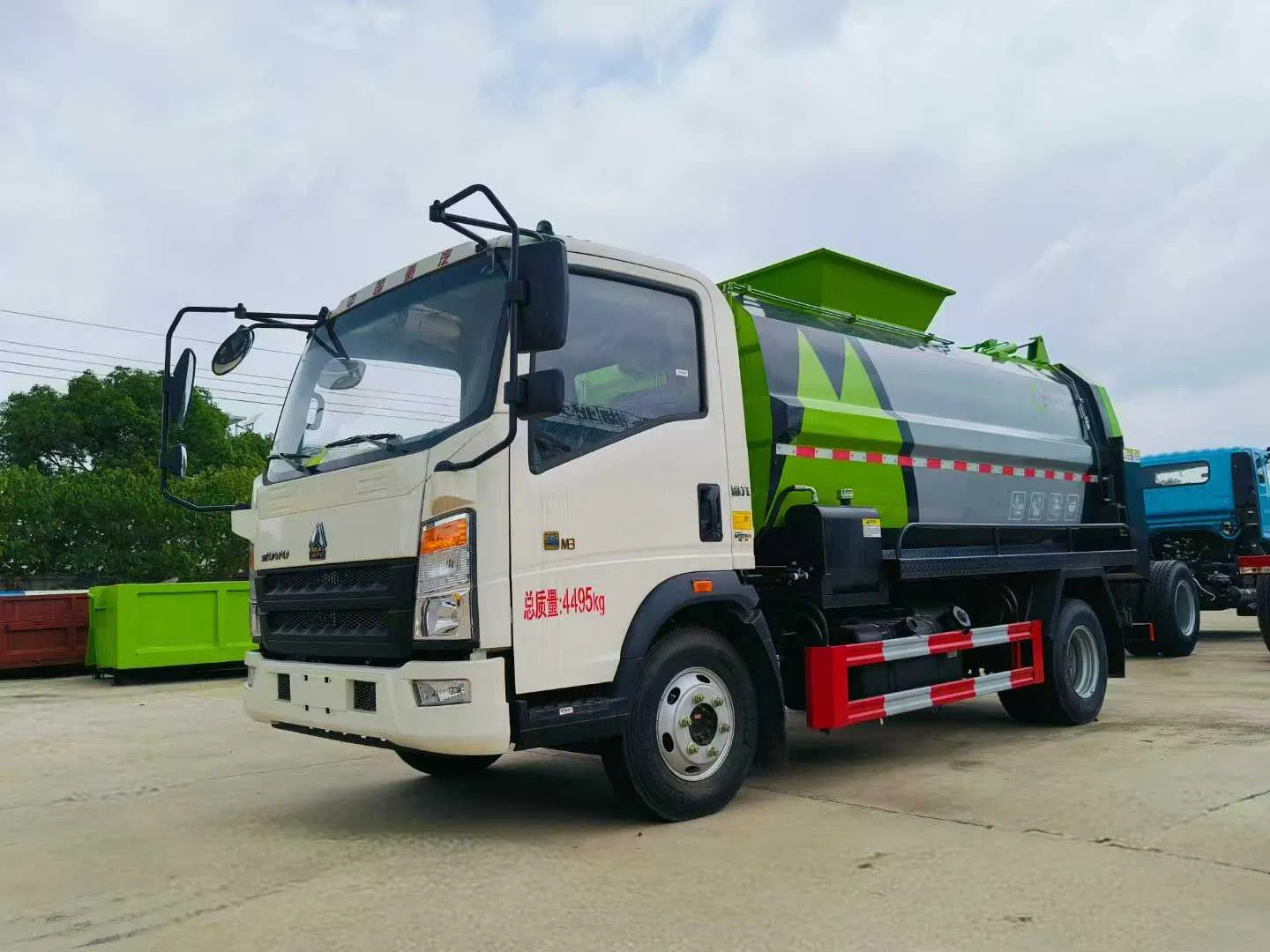
12 m³ Heavy Market & Catering Organic Truck
|
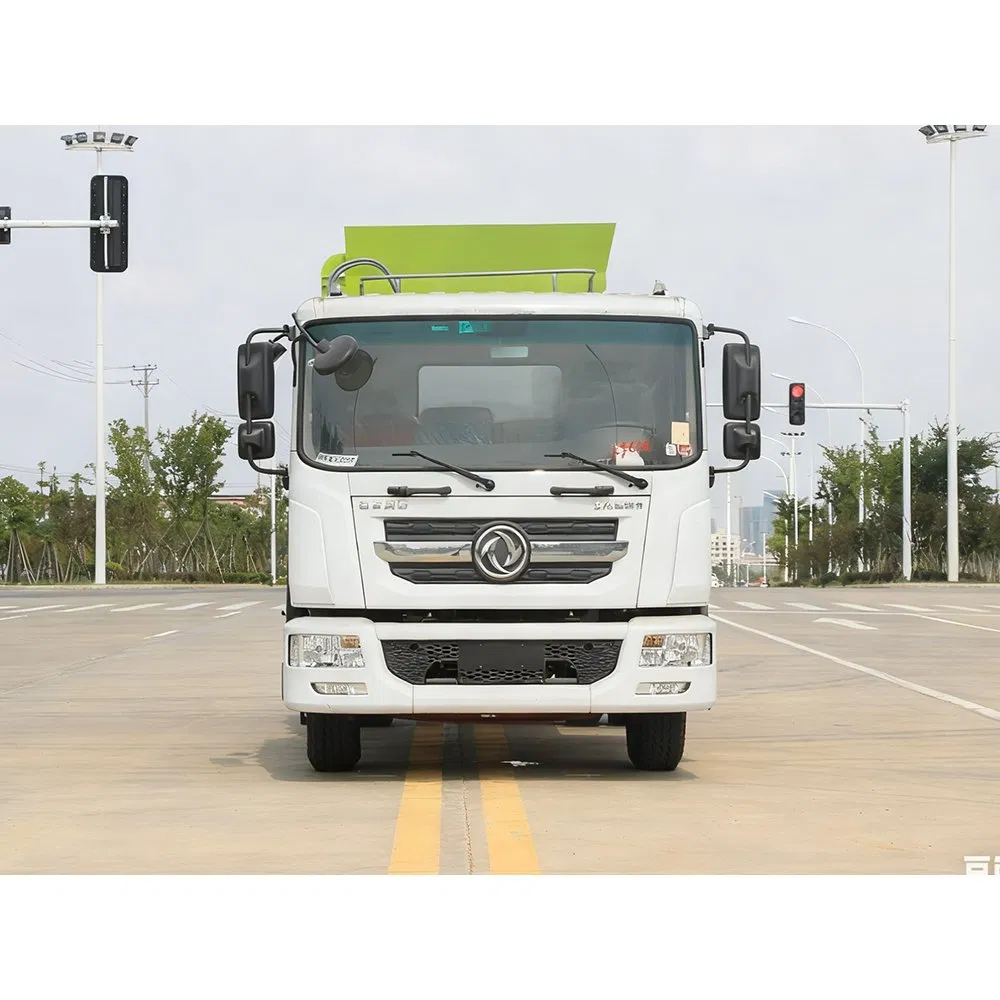
15 m³ Bulk Biogas Feedstock Collector (6x4)
|
Hygiene Verification, Export Compliance & 2-Year Spares
To guarantee zero street leakage and reliable multi-year corrosion resistance, public sanitation tenders should verify factory testing and spare seals prior to vessel loading:
- Mandatory Tender & Export Submittals: Tender-specific Manufacturer's Authorisation Form (MAF), Certificate of Origin (CO), certified SUS 304 Stainless Steel Mill Test Certificate (MTC) for tank shell and internal baffles, factory hydrostatic/water-fill rear-door leak test certificate (filled with water for ≥30 minutes showing zero drip), bin-hoist overload test report, and Pre-Shipment Inspection (SGS, Bureau Veritas, or Intertek) clearance.
- Standards & Safety Alignment: Interlocked top-lid/bin-lifter sequencing, emergency-stop pushbuttons, and rear-door safety support props are built to align with buyer-specified municipal safety clauses referencing EN 1501 functional practices upon request (formal third-party type-approval certificates are verified in writing only where explicitly contracted).
- Training & 2-Year Preventive Spares Kit: Deliveries include bilingual/English operating manuals covering daily gasket rinsing and drainage-screen backflushing, optional on-site operator commissioning, and a recommended 2-year preventive wear kit (chassis filters, hydraulic return filters, spare oil-resistant rear door EPDM/silicone gasket strips, proximity limit switches, hoist chains/rollers, high-pressure washer seals, and ball valve gaskets).
Compliance Note: Last updated November 2026. Tank capacity must be matched to wet organic density (~0.95–1.05 t/m³) and local legal axle-weight rules (LHD/RHD) prior to chassis production.
Frequently Asked Questions
1. Why must a food waste collection truck use SUS 304 stainless steel instead of carbon steel?
Kitchen and market food waste rapidly ferments into acidic organic slurry (pH 4.0–5.5) rich in salt and grease. Uncoated or painted carbon steel rusts through within 18 to 30 months under continuous chemical attack, whereas 4–5 mm SUS 304 stainless steel resists organic corrosion across a 10+ year service life and rinses clean without flaking paint.
2. How does onboard solid-liquid separation work inside a food waste truck?
Inside the sealed stainless tank, a perforated stainless steel drainage screen (or wedge-wire plate) sits along the lower floor or rear push-plate zone. As solid food scraps are gently pressed by the horizontal push-plate, free broth and oil drain into a dedicated lower wastewater holding tank—letting the crew unload dry solids and liquid wastewater separately at the treatment plant.
3. Should our tender specify push-plate ejection or hydraulic rear tipping?
Specify horizontal push-plate ejection if the truck unloads inside roofed composting or biogas halls (where overhead clearance is under 5 meters), on soft landfill ground, or when you need active solid-liquid dewatering. Specify rear hydraulic tipping only when unloading very fluid soup-like slurry into open, deep concrete reception pits with ample overhead height.
4. What chassis GVW is needed for an 8 m³ or 12 m³ food waste truck?
Because wet food waste weighs nearly 1.0 metric ton per cubic meter, an 8 m³ sealed food waste truck requires a 16–18 ton 4x2 heavy chassis, while a 12 m³ to 15 m³ unit requires a 25-ton 6x4 tandem-axle chassis to remain safely within legal rear-axle load limits.
5. Can a food waste truck also pump out restaurant grease traps?
Yes. When specified in the tender BoQ, a 5 m³ to 15 m³ food waste truck can integrate an auxiliary rotary-vane vacuum pump and DN100 suction hose alongside its 240 L side bin hoist, enabling one vehicle to collect both binned kitchen scraps and liquid grease-trap waste on the same commercial route.
Download Food Waste Truck Spec Checklist or Request Bid Quotation
Request Tender Technical Schedule & Bid Support
Share your target vehicle capacity, steering side (LHD/RHD), destination port and tender timeline to receive model technical schedules, dimensional drawings and clause-by-clause bid support.
Request Bid Quotation & Technical Schedule | Review Tender Documents We Provide
Vehicle models to compare
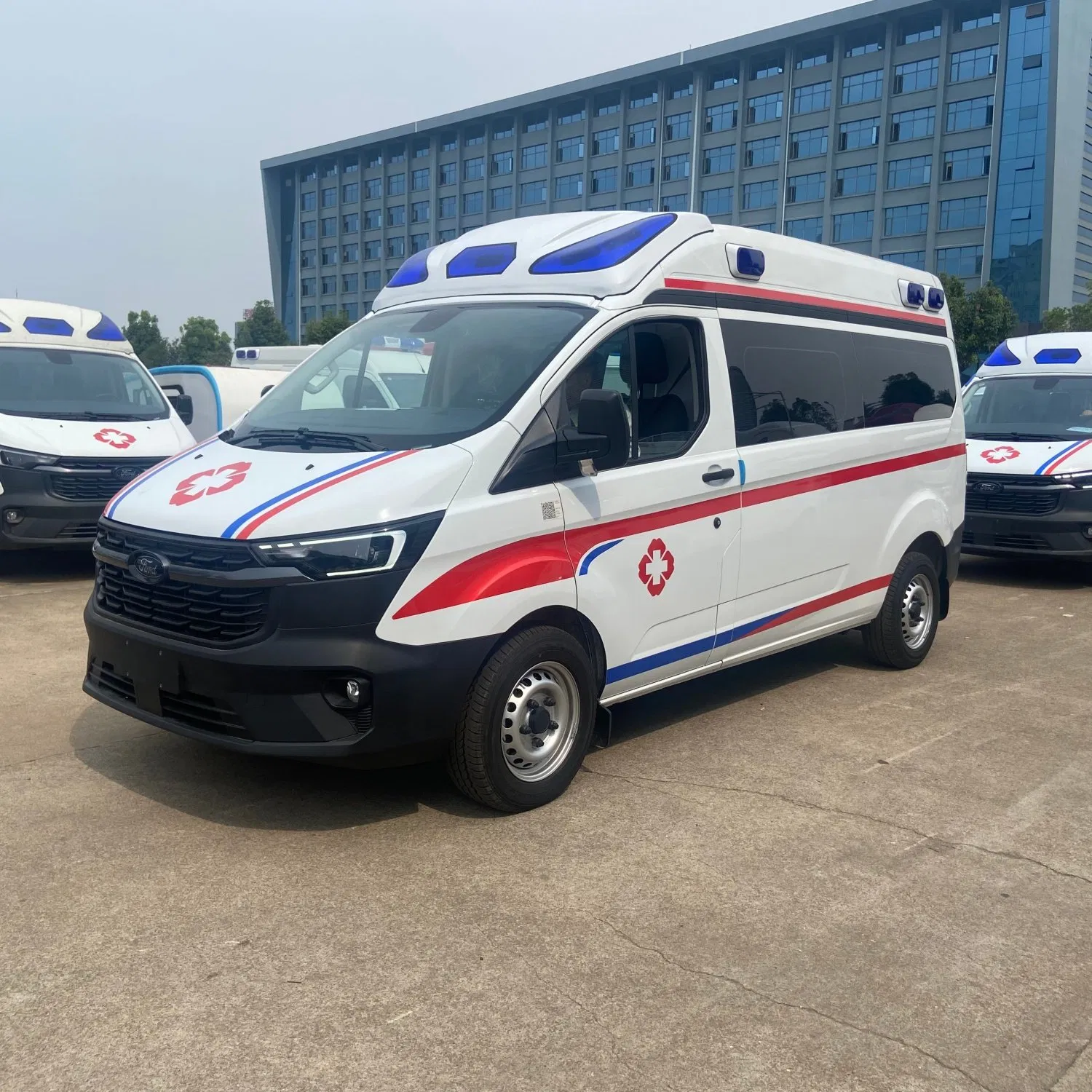
Patient Transport Ambulance CLW5030XJHCDP
The CLW5030XJHCDP is a patient transport ambulance built by Chengli Automobile Group for ministries of health, public hospitals and humanitarian NGOs. Its manufacturer record lists a 3,300 kg GVW class and 162 kW engine output. Right-hand-drive availability, final equipment fit-out and export documentation are confirmed per contract for government and donor-funded tenders.
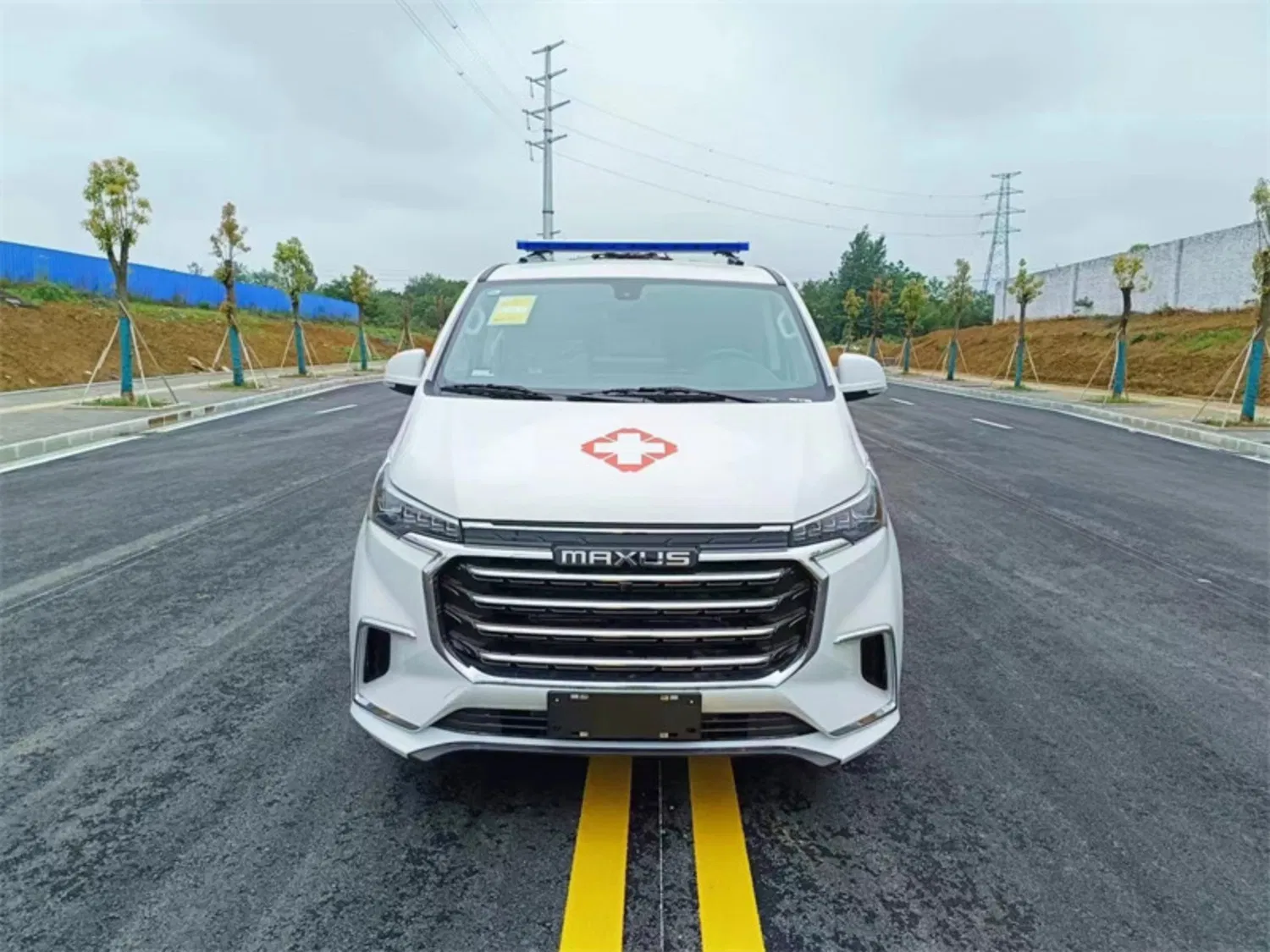
Patient Transport Ambulance CL5030XJH6AYS
The CL5030XJH6AYS is a 4x2 patient transport ambulance built by Chengli Automobile Group for ministries of health, public hospitals and humanitarian NGOs. Its manufacturer record lists a 2,900 kg GVW class and 186.4 kW engine output. Right-hand-drive availability, final equipment fit-out and export documentation are confirmed per contract for government and donor-funded tenders.
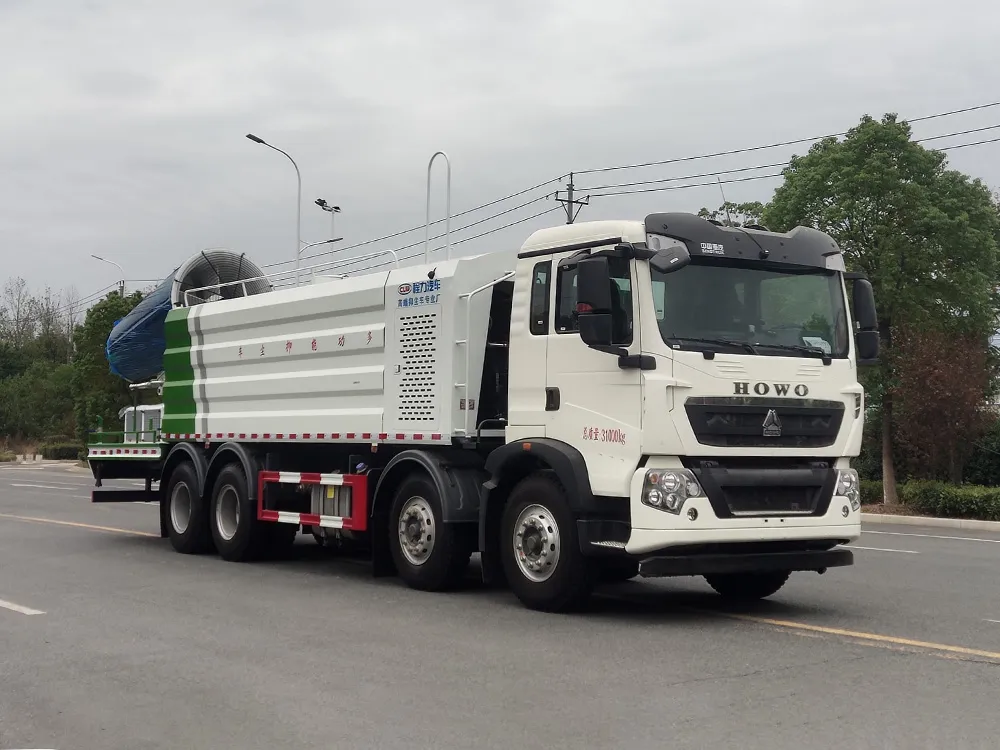
Dust Suppression Truck CL5310TDYZ6YC
The CL5310TDYZ6YC is a 8x4 Sinotruk-chassis dust suppression truck built by Chengli Automobile Group for city councils, municipal sanitation departments and public-works contractors. Its manufacturer record lists a 21 m³ key specification, a 31,000 kg GVW class and 257 kW engine output. Right-hand-drive availability, final equipment fit-out and export documentation are confirmed per contract for government and donor-funded tenders.
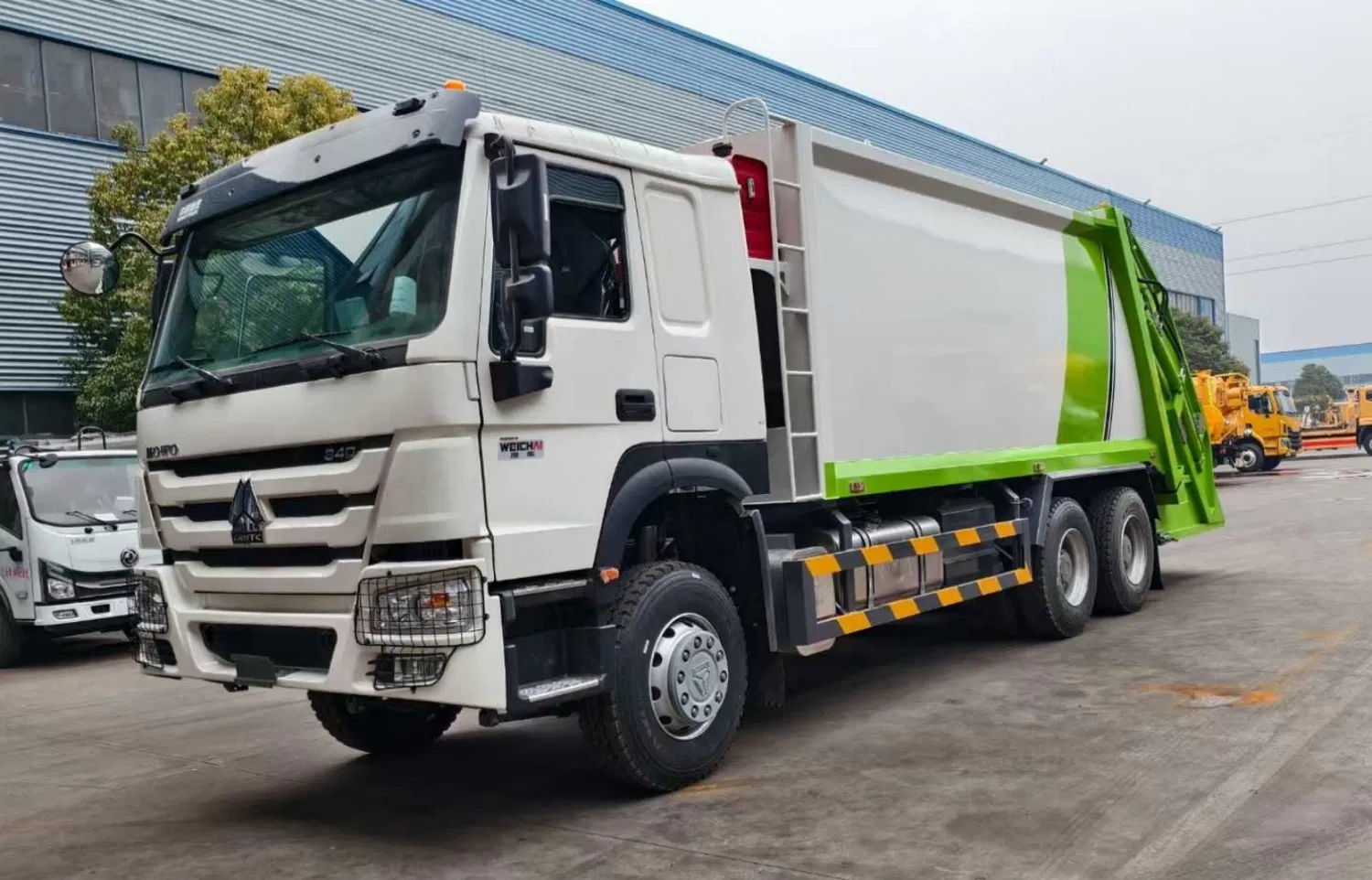
Refuse Compactor CLW5250ZYSAHJ
The CLW5250ZYSAHJ is a 6x4 refuse compactor built by Chengli Automobile Group for city councils, municipal sanitation departments and public-works contractors. Its manufacturer record lists a 20–23 m³ key specification and a 25,000 kg GVW class. Right-hand-drive availability, final equipment fit-out and export documentation are confirmed per contract for government and donor-funded tenders.
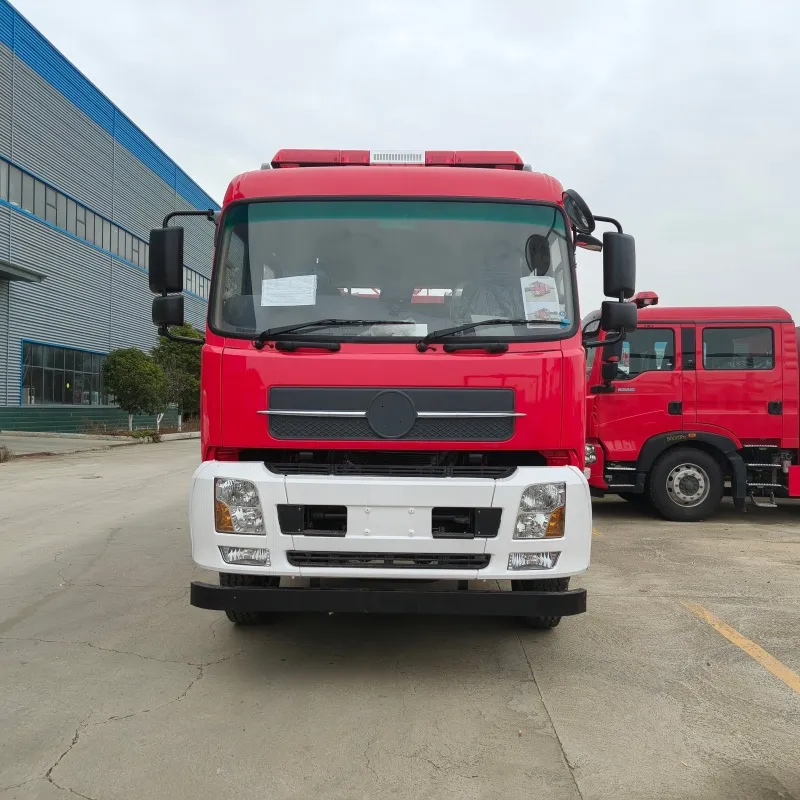
Foam Fire Truck CLW5190GXFPM50
The CLW5190GXFPM50 is a 4x2 foam fire truck built by Chengli Automobile Group for municipal fire brigades, civil defence agencies and industrial safety fleets. Its manufacturer record lists a 19,100 kg GVW class and 149.1 kW engine output. Right-hand-drive availability, final equipment fit-out and export documentation are confirmed per contract for government and donor-funded tenders.
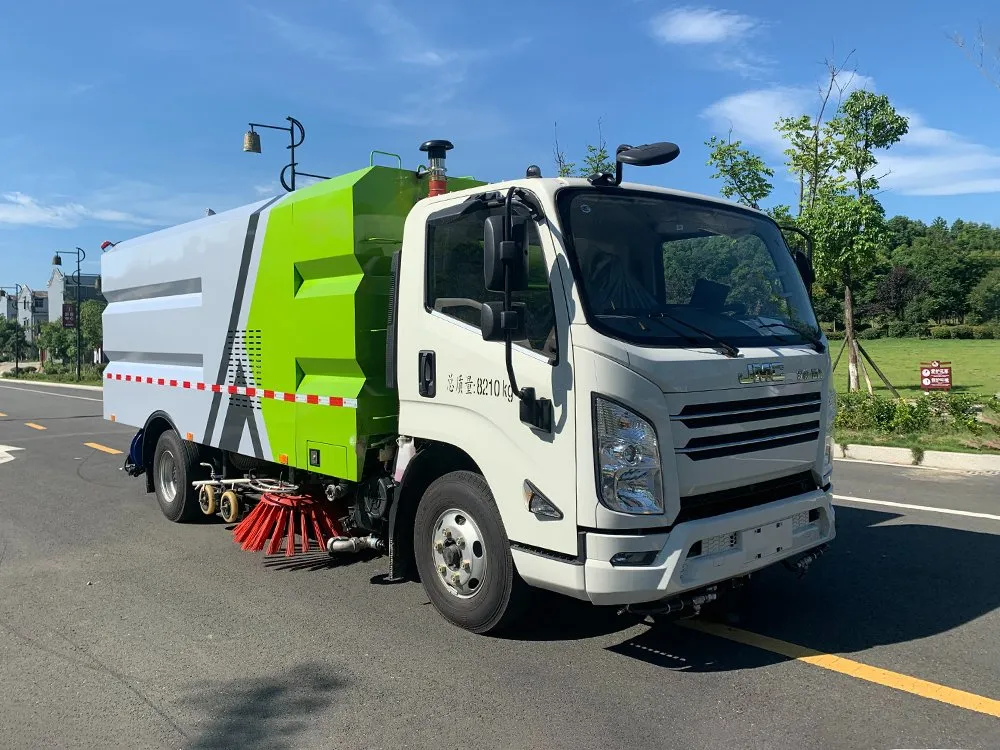
Washing-Sweeping Truck CLW5080TXSJ6
The CLW5080TXSJ6 is a 4x2 JMC-chassis washing-sweeping truck built by Chengli Automobile Group for city councils, municipal sanitation departments and public-works contractors. Its manufacturer record lists a 3 m cleaning width key specification, the JX1083TK26 chassis and a 8,210 kg GVW class. Right-hand-drive availability, final equipment fit-out and export documentation are confirmed per contract for government and donor-funded tenders.
TECHNICAL DOCUMENT REQUEST
Get the specification conversation started
Tell us your destination and vehicle requirement. PDF availability and the specification scope will be confirmed for the proposed model.