
Procurement guides
Garbage Truck Sizes & Payload Capacity Guide
25 November 2026
Municipal rear-loading refuse compactor trucks range from 4–6 m³ compact narrow-alley units (2.5–4.5 metric tons net payload) and 8–12 m³ standard city trucks (5.5–9.0 tons) up to 14–18 m³ heavy arterial compactors (10–13 tons) and 20–22 m³ bulk 6x4/8x4 haulers (14–16.5 tons). Because municipal waste in rapidly growing African, Asian, and Middle Eastern cities carries high organic moisture density (0.55–0.80 tons/m³ once compacted), true legal payload capacity is limited by chassis GVW and rear-axle ratings rather than cubic meter body size alone.
Sanitation Fleet Resources & Bid Support
Primary Action: Request Compactor Sizes & Axle-Load Matrix — 4 m³ to 22 m³ Body Dimensions, Turning Radii & Wet-Waste Payload Calculator (Requires: Email or WhatsApp, Country, Route Type)*
Secondary Action: Request Bid Quotation — Get itemized FOB/CIF proposals and GA drawings for your sanitation tender*
Refuse Compactor Size, Payload & Axle Comparison Table (4 m³ to 22 m³)
Comparing refuse trucks strictly by cubic volume misleads procurement committees—two 12 m³ compactors mounted on different chassis GVW ratings carry vastly different legal refuse tonnages. Use the structured engineering table below to match body volume, compacted net payload, axle layout, and street width limits.
| Compactor Body Size | Net Compacted Payload (Wet Urban Waste @ 0.65–0.75 t/m³) | Chassis & Axle Configuration | Typical Overall Width × Length | Standard Rear Lifter Compatibility | Optimal Urban Collection Zone | Actions |
|---|---|---|---|---|---|---|
| 4 m³ – 6 m³ (Compact Satellite) |
2.5 – 4.5 Metric Tons (≈ 30–50 × 240 L bins) |
4x2 Light Truck (7.5–10 Ton GVW | 115–140 HP) | 2,050–2,200 mm W × 6,000–6,800 mm L | 120 L / 240 L dual-bin comb lifter or small rear tipping hopper | Old city cores, narrow residential alleys, crowded open-air markets, estate feeder loops | View Models | Get Spec/Quote |
| 8 m³ – 12 m³ (Standard Municipal Workhorse) |
5.5 – 9.0 Metric Tons (≈ 70–110 × 240 L bins) |
4x2 Medium/Heavy Truck (14–18 Ton GVW | 180–240 HP) | 2,350–2,500 mm W × 7,400–8,500 mm L | 120/240 L, 660 L & 1,100 L DIN wheelie bins + optional steel skip bar | Standard city wards, suburban residential avenues, commercial strips, county towns | View Models | Get Spec/Quote |
| 14 m³ – 18 m³ (Heavy Arterial Compactor) |
10.0 – 13.0 Metric Tons (≈ 130–170 × 240 L bins) |
6x4 Tandem Rear Axle (25 Ton GVW | 290–340 HP) | 2,500 mm W × 9,200–10,100 mm L | Multi-standard lifter (240 L / 660 L / 1,100 L bins + 3 m³ ground hopper) | High-density metro corridors, wholesale markets, direct haulage to landfills 15–30 km away | View Models | Get Spec/Quote |
| 20 m³ – 22 m³ (Maximum Bulk Compactor) |
14.0 – 16.5 Metric Tons (≈ 185–220 × 240 L bins) |
6x4 Heavy (28–31T) or 8x4 (31–35T GVW | 340–400 HP) | 2,500–2,550 mm W × 10,300–11,200 mm L | Heavy-duty 660 L / 1,100 L bin lifter + heavy skip/bucket turnover mechanism | Major transfer corridors, long-haul landfill routes (25–50 km), metropolitan private waste concessions | View Models | Get Spec/Quote |
Volume (m³) vs Real-World Payload Capacity in Wet Municipal Waste
A classic mistake in municipal refuse tenders is copying European cubic-meter truck specs directly onto local African or Middle Eastern chassis without adjusting for waste density and moisture.
- Dry Packaging Waste vs. Wet Organic Municipal Waste: In Western Europe, household waste contains a high ratio of dry cardboard and plastic packaging, weighing ~150–200 kg/m³ loose and reaching ~450–550 kg/m³ after 3:1 compaction. Across major African and tropical cities (such as Lagos, Nairobi, Accra, or Dar es Salaam), municipal waste streams frequently exceed 50%–65% wet organic food waste, sand, and moisture—weighing 300–400 kg/m³ loose and reaching 650–800 kg/m³ (0.65–0.80 metric tons/m³) inside a modern hydraulic compactor body.
- Preventing Rear-Axle Overload: Multiply body volume by local compacted waste density before approving a chassis. A 14 m³ body packed tight with wet market waste carries up to 10.5 metric tons of garbage plus ~4.5 tons of steel compactor body and tailgate—requiring at least 15 tons of payload + body capacity on top of a ~6–7 ton bare chassis curb weight (totaling 21–22+ tons laden weight). Putting a 14 m³ or 16 m³ body onto an 18-ton 4x2 chassis guarantees snapped rear leaf springs, blown tires, and failed weighbridge inspections. As a strict engineering rule:
- 4–6 m³: 4x2 Light Chassis (7.5–10 T GVW)
- 8–12 m³: 4x2 Medium/Heavy Chassis (14–18 T GVW — 12 m³ is the safe ceiling for wet waste on a 4x2)
- 14–18 m³: 6x4 Tandem-Axle Chassis (25 T GVW minimum)
- 20–22 m³: 6x4 Heavy (31 T GVW) or 8x4 (31–35 T GVW)
Narrow-Alley Access Limits & Satellite-to-Mother-Truck Routing
Buying only 20 m³ compactor trucks reduces cost per ton hauled to a distant landfill, yet leaves up to 40% of older urban neighborhoods uncollected because a 10.5-meter, 2.5-meter-wide 6x4 truck cannot navigate 3.2-meter residential lanes, low overhead utility cables, or sharp cul-de-sacs.
- Physical Access Checkpoints: Before finalizing a municipal tender, measure three clearance points along collection routes: (1) clear lane width between parked cars and drainage gutters (needs ≥2.8 m for a 4–6 m³ compact truck vs. ≥3.6 m for a 14–22 m³ truck); (2) turning circle at T-junctions; and (3) overhead wire and tree-canopy clearance (most 10–22 m³ compactors stand 3.1–3.6 m tall, and rise to ~4.6–5.2 m when the rear tailgate lifts at the landfill).
- Two-Tier Collection Strategy: High-efficiency sanitation authorities pair nimble 4–6 m³ narrow-alley compactors (for door-to-door collection inside congested markets and informal settlements) with 16–22 m³ 6x4 bulk compactors staged along arterial roads or transfer points. The compact unit backs directly into the rear hopper of a heavy compactor—or dumps at a local transfer station—eliminating long, fuel-wasting landfill trips by small trucks.
Lifter Systems, Leachate Containment & Wear-Steel Durability
Two compactors of identical 12 m³ volume can have completely different lifespans depending on hydraulic tailgate engineering and corrosion protection:
- Standardized Rear Lifter Flexibility: Match the rear loading mechanism to your city's street containers—most commonly EN 840 120 L / 240 L dual comb lifters, 660 L / 1,100 L four-wheel commercial bin arms, or a ground-level steel skip-bucket / manual shovel hopper where communities bag waste at roadside collection points. Combo lifters allow one truck to serve both residential wheelie bins and open market points.
- Sealed Leachate Collection Tanks (Zero Street Dripping): Squeezing wet tropical refuse releases acidic liquid leachate during every compaction cycle. Specify a dual-seal heavy rubber tailgate gasket, hydraulic tailgate lock hooks, and two stainless or corrosion-coated under-body leachate holding tanks (150–300 L total) with lockable drain valves so foul liquid is emptied strictly at the landfill—not leaked onto city streets.
- High-Tensile Wear Steel Floor & Packing Blade: The rear hopper floor and compaction slide rails endure relentless abrasive wear from broken glass, sand, and construction grit. Specify Q345 / NM400 (or Hardox-equivalent) high-strength wear-resistant steel (5–8 mm thickness) on the hopper trough and ejector blade, paired with bi-directional hydraulic compaction cycles (18–25 seconds per cycle) and emergency stop buttons on both sides of the tailgate.
Featured Refuse Compactor Builds for Municipal Tenders
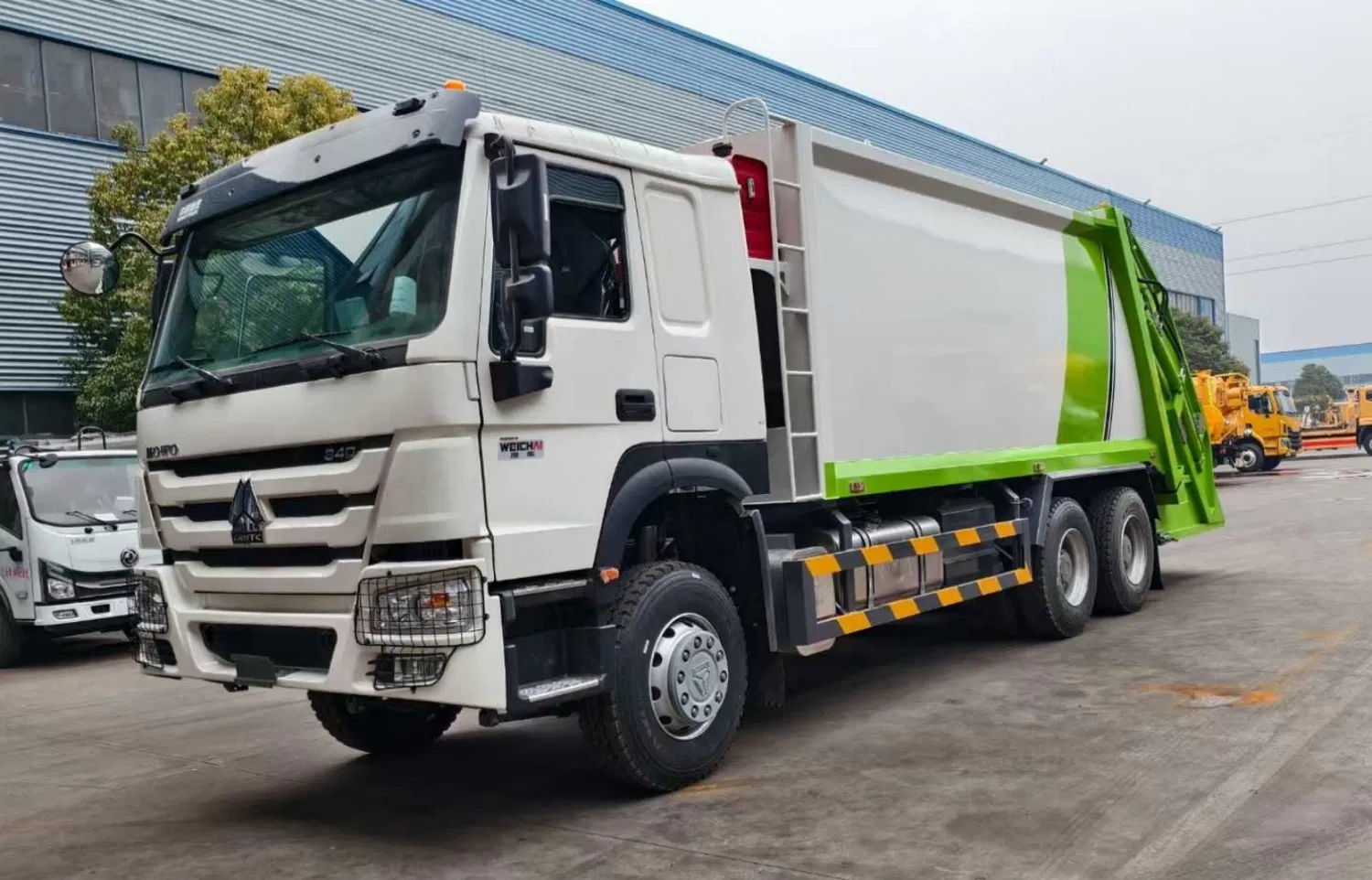
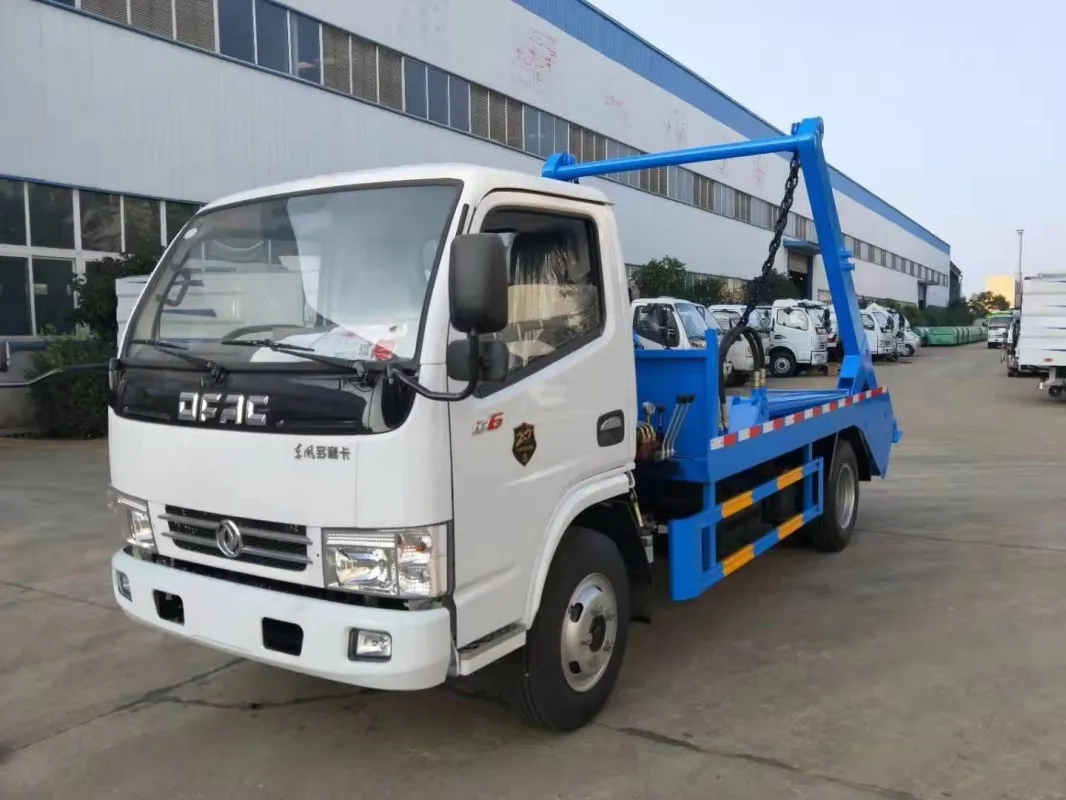
Benchmark four production-verified builds from our refuse trucks catalog covering narrow lanes, standard city wards, and heavy landfill routes.
6 m³ Compact Narrow-Alley Refuse Compactor
|
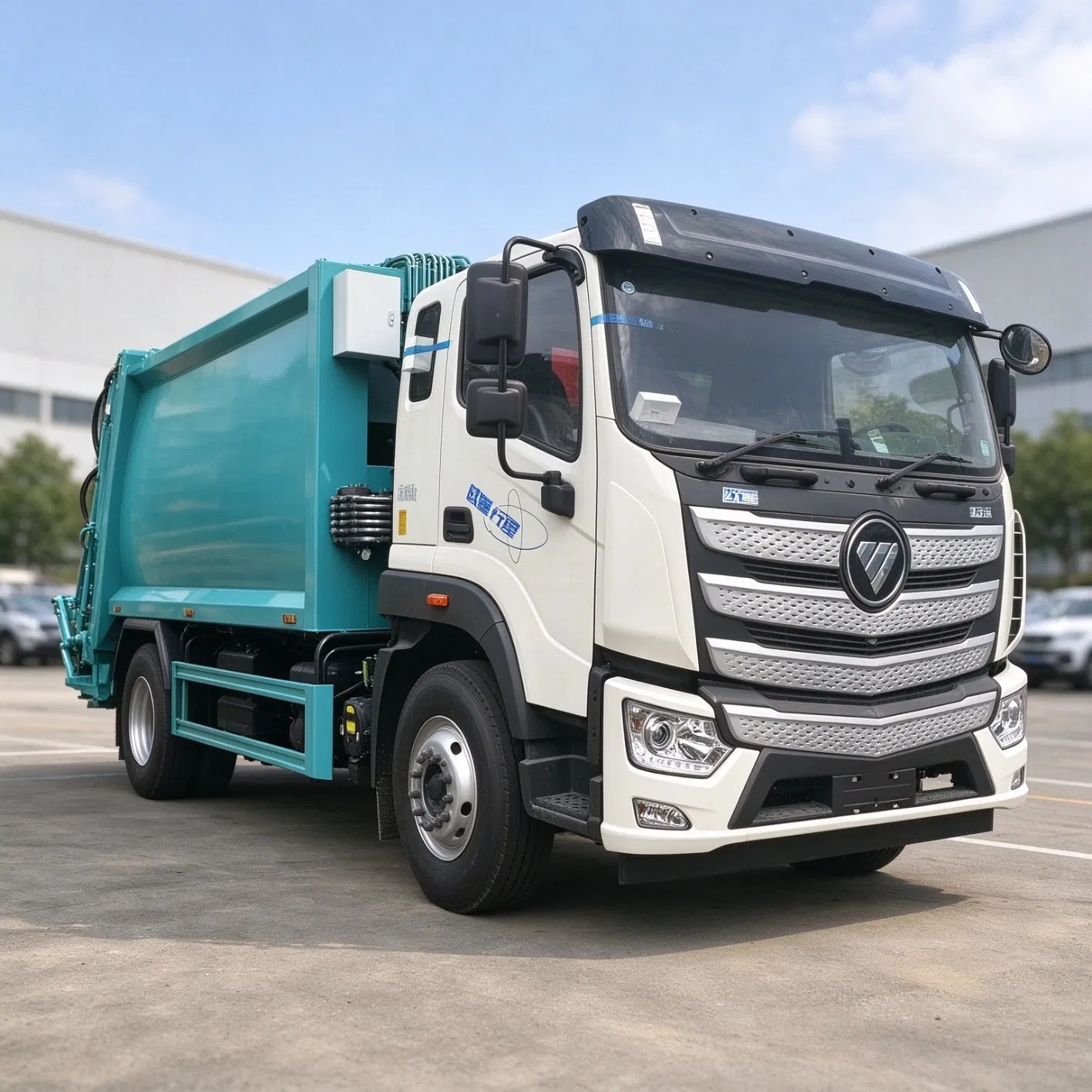
10 – 12 m³ Standard Municipal 4x2 Compactor
|
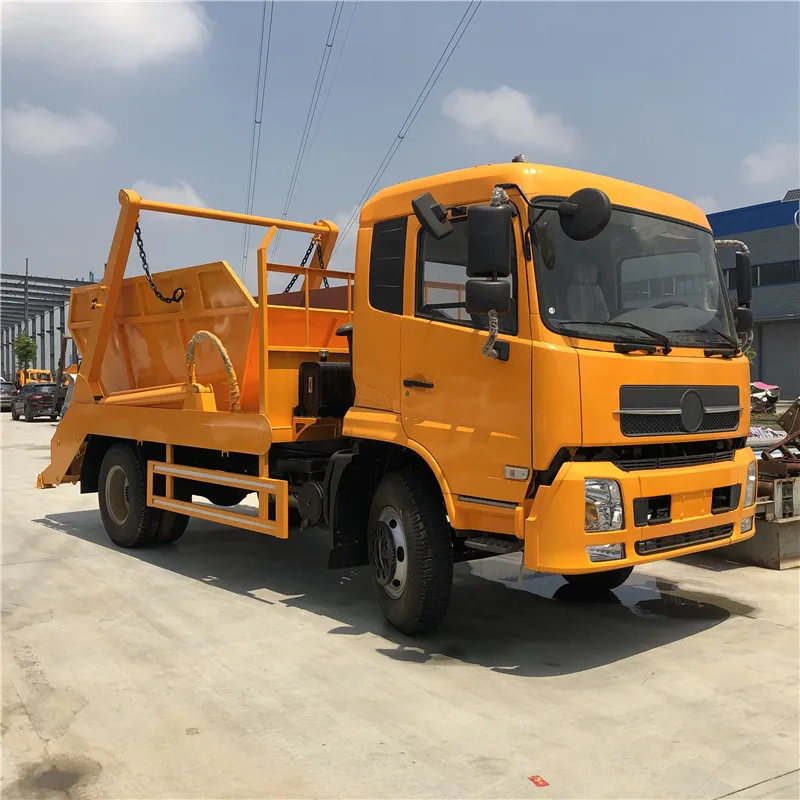
16 – 18 m³ Heavy 6x4 Arterial Compactor
|
20 – 22 m³ Bulk Long-Haul Compactor (6x4 / 8x4)
|
Tender Documentation, Hydraulic Acceptance & 2-Year Wear Spares
Municipal sanitation fleets operate 6 to 7 days a week in corrosive, abrasive conditions. Enforceable factory quality proofs and preventive wear-parts kits protect municipal budgets from premature hydraulic downtime:
- Bid & Export Submittals: Tender-specific Manufacturer's Authorisation Form (MAF), Certificate of Origin (CO), axle-load distribution and turning-radius GA drawings, hydraulic system pressure and cycle-time test report, tailgate water-tightness (leachate seal) inspection report, and Pre-Shipment Inspection (SGS, Bureau Veritas, or Intertek) for national SONCAP/PVoC clearance.
- Standards & Safety Alignment: Rear-loader emergency-stop circuits, two-hand compaction safety controls, rear footboard sensors (preventing reverse travel above safe speed while loaders stand on steps), and EN 840 bin-lifter interfaces are engineered in alignment with buyer-specified municipal safety clauses referencing EN 1501 functional guidelines upon request. Where formal third-party type-approval certificates are explicitly required by a tender, certifiable configurations are confirmed in writing prior to bid submission.
- Crew Commissioning & 2-Year Wear-Parts Package: Quotes can include on-site driver and workshop technician training (covering hydraulic PTO engagement, slide-block greasing, pressure-relief valve checks, and leachate tank flushing) plus a recommended 2-year preventive wear kit (chassis filters, hydraulic return/suction filters, cylinder seal kits, high-pressure braided hoses, proximity switches, nylon slide wear pads, and tailgate rubber seals).
Compliance Note: Last updated November 2026. Final payload capacity and legal axle weight compliance are verified against destination country road regulations (LHD/RHD) prior to build.
Frequently Asked Questions
1. What is the average size of a municipal garbage truck?
The global municipal workhorse is a 10 m³ to 12 m³ rear-loading compactor mounted on a 16- to 18-ton 4x2 chassis, carrying roughly 7 to 9 metric tons of compacted urban waste. Larger metropolitan cities rely heavily on 16 m³ to 20 m³ 6x4 compactors, while congested downtown districts use compact 4 m³ to 6 m³ trucks.
2. What is a garbage truck's real-world payload capacity?
Payload capacity scales with both body volume and chassis axle class: a 6 m³ compact truck carries 3.5–4.5 metric tons; a 12 m³ 4x2 truck carries 7.5–9.0 metric tons; an 18 m³ 6x4 truck carries 11.5–13.0 metric tons; and a 22 m³ 6x4/8x4 bulk compactor carries 14.5–16.5 metric tons of wet compacted municipal refuse.
3. Why shouldn't a city put a 16 m³ compactor body onto a 4x2 truck chassis?
Wet municipal waste compacts to 0.65–0.80 tons per cubic meter. A 16 m³ body holds 10.5 to 12.5 tons of garbage plus ~4.5 tons of steel superstructure—exceeding the legal and mechanical rear-axle rating of an 18-ton 4x2 chassis. For wet urban waste, 14 m³ and above requires a 6x4 tandem-rear-axle chassis (≥25 tons GVW).
4. What garbage bin sizes can a rear-loading compactor lift?
Modern rear-loading refuse trucks can be equipped with universal comb-and-arm lifters supporting standard 120 L and 240 L two-wheel bins, 660 L and 1,100 L four-wheel commercial bins, or a ground-level tipping skip bucket for manual bagged-waste loading at markets.
5. How do modern compactor trucks stop dirty liquid from leaking onto city streets?
Compliant compactors feature a full-perimeter compressed rubber tailgate gasket locked by hydraulic hooks, a sloped hopper drain trough, and sealed 150–300 L under-body leachate holding tanks that capture squeezed liquid during collection and discharge it cleanly at the landfill or treatment site.
Download Compactor Sizing Matrix or Request Budget Quotation
Request Tender Technical Schedule & Bid Support
Share your target vehicle capacity, steering side (LHD/RHD), destination port and tender timeline to receive model technical schedules, dimensional drawings and clause-by-clause bid support.
Request Bid Quotation & Technical Schedule | Review Tender Documents We Provide
Vehicle models to compare
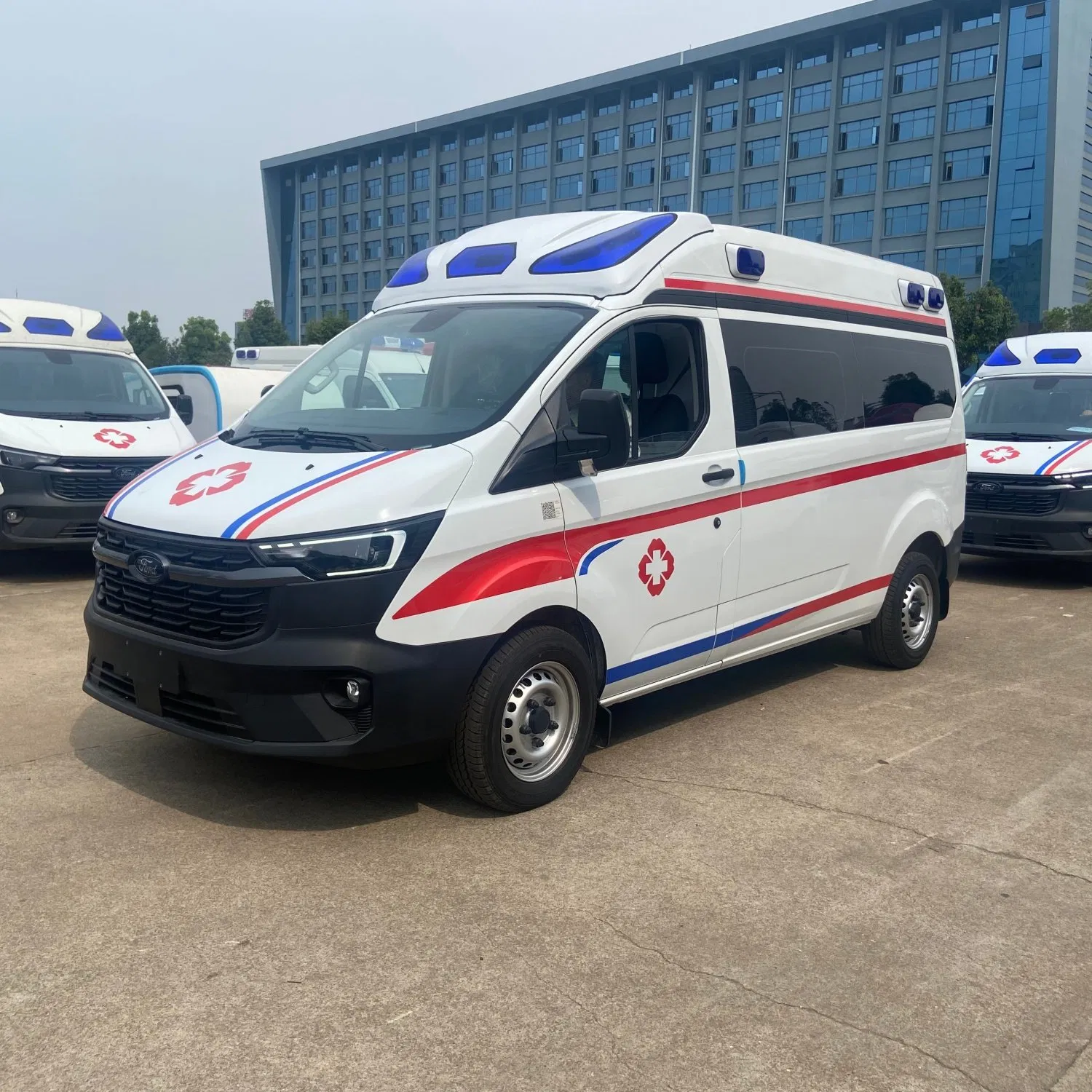
Patient Transport Ambulance CLW5030XJHCDP
The CLW5030XJHCDP is a patient transport ambulance built by Chengli Automobile Group for ministries of health, public hospitals and humanitarian NGOs. Its manufacturer record lists a 3,300 kg GVW class and 162 kW engine output. Right-hand-drive availability, final equipment fit-out and export documentation are confirmed per contract for government and donor-funded tenders.
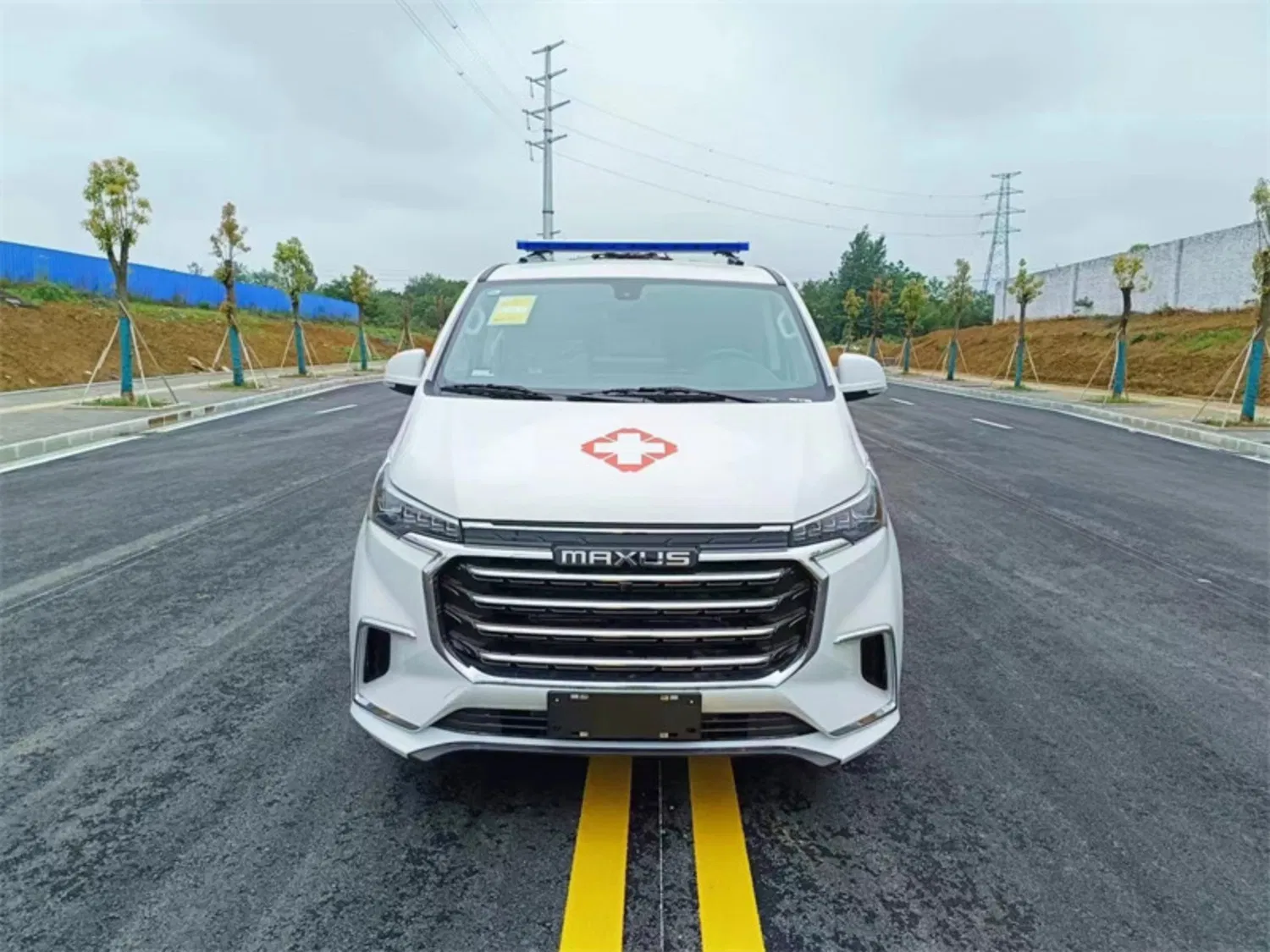
Patient Transport Ambulance CL5030XJH6AYS
The CL5030XJH6AYS is a 4x2 patient transport ambulance built by Chengli Automobile Group for ministries of health, public hospitals and humanitarian NGOs. Its manufacturer record lists a 2,900 kg GVW class and 186.4 kW engine output. Right-hand-drive availability, final equipment fit-out and export documentation are confirmed per contract for government and donor-funded tenders.
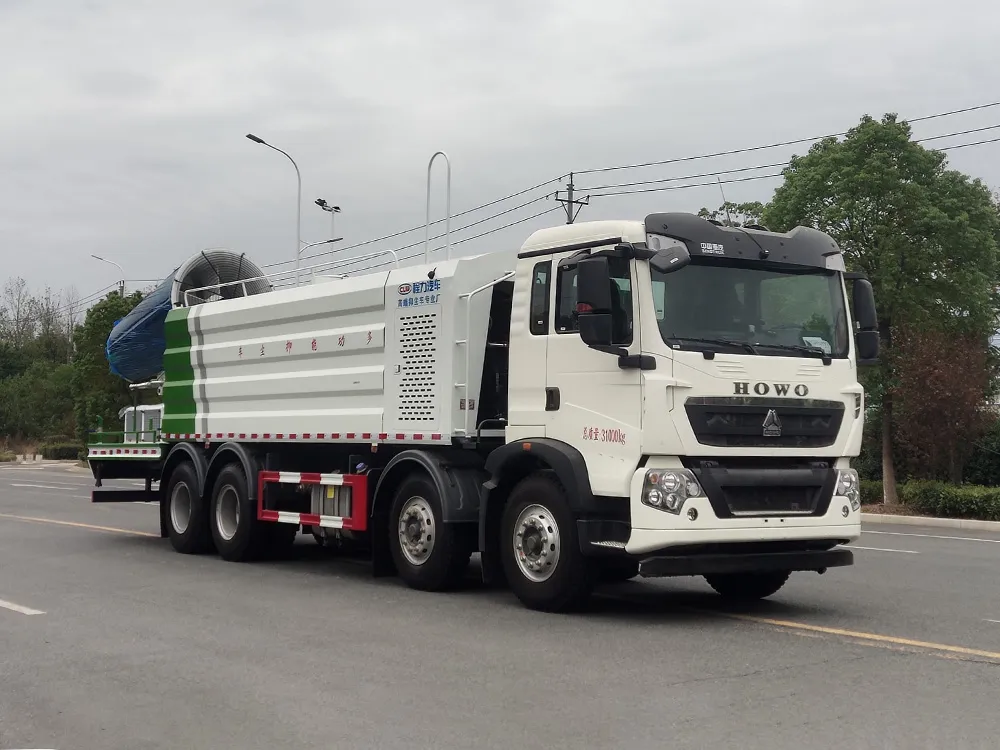
Dust Suppression Truck CL5310TDYZ6YC
The CL5310TDYZ6YC is a 8x4 Sinotruk-chassis dust suppression truck built by Chengli Automobile Group for city councils, municipal sanitation departments and public-works contractors. Its manufacturer record lists a 21 m³ key specification, a 31,000 kg GVW class and 257 kW engine output. Right-hand-drive availability, final equipment fit-out and export documentation are confirmed per contract for government and donor-funded tenders.
Refuse Compactor CLW5250ZYSAHJ
The CLW5250ZYSAHJ is a 6x4 refuse compactor built by Chengli Automobile Group for city councils, municipal sanitation departments and public-works contractors. Its manufacturer record lists a 20–23 m³ key specification and a 25,000 kg GVW class. Right-hand-drive availability, final equipment fit-out and export documentation are confirmed per contract for government and donor-funded tenders.
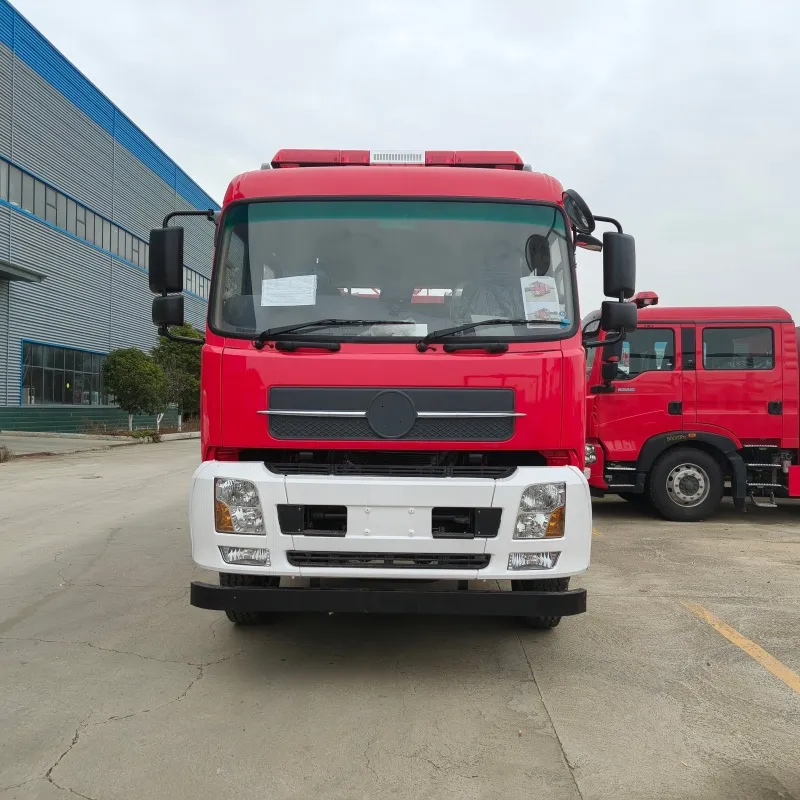
Foam Fire Truck CLW5190GXFPM50
The CLW5190GXFPM50 is a 4x2 foam fire truck built by Chengli Automobile Group for municipal fire brigades, civil defence agencies and industrial safety fleets. Its manufacturer record lists a 19,100 kg GVW class and 149.1 kW engine output. Right-hand-drive availability, final equipment fit-out and export documentation are confirmed per contract for government and donor-funded tenders.
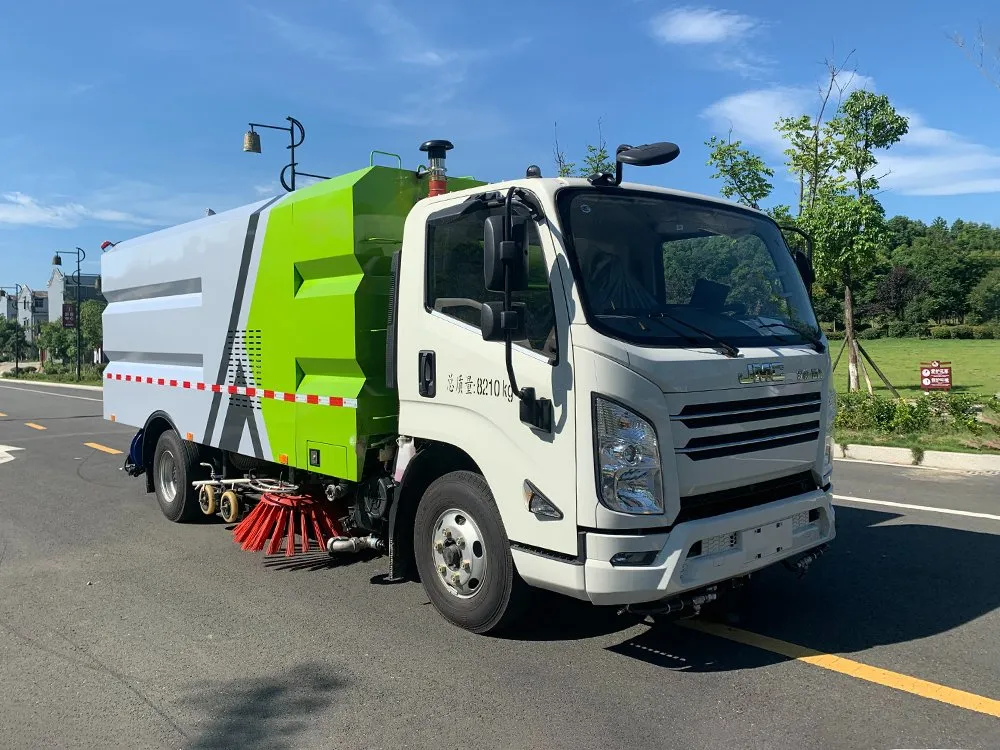
Washing-Sweeping Truck CLW5080TXSJ6
The CLW5080TXSJ6 is a 4x2 JMC-chassis washing-sweeping truck built by Chengli Automobile Group for city councils, municipal sanitation departments and public-works contractors. Its manufacturer record lists a 3 m cleaning width key specification, the JX1083TK26 chassis and a 8,210 kg GVW class. Right-hand-drive availability, final equipment fit-out and export documentation are confirmed per contract for government and donor-funded tenders.
TECHNICAL DOCUMENT REQUEST
Get the specification conversation started
Tell us your destination and vehicle requirement. PDF availability and the specification scope will be confirmed for the proposed model.