
Procurement guides
Compactor vs Hook Lift vs Skip Loader for Cities
25 November 2026
Specify a rear-loading refuse compactor for high-density residential door-to-door routes where volume compression maximizes payload per landfill trip; specify a hook lift truck for municipal transfer stations, wholesale markets, and multi-container bulk haulage using one chassis across 5 to 12 detachable roll-off bins; and specify a skip loader for tight urban construction zones, narrow market alleys, and commercial depots requiring vertical lift-and-drop placement of 4–10 m³ open or lidded skips. Rather than forcing one truck architecture to handle every urban waste stream, efficient cities deploy a blended fleet matched to street access, companion container budgets, and landfill haul distance.
City Sanitation Fleet Resources & Bid Support
Primary Action: Request City Waste Fleet Architecture & TCO Matrix — Compactor vs. Hook Lift vs. Skip Loader Container Capex & Route Worksheet (Requires: Email or WhatsApp, Country, City Population)*
Secondary Action: Request Bid Quotation — Submit your municipal sanitation tender for a blended truck-and-container proposal*
Side-by-Side Comparison: Compactor vs Hook Lift vs Skip Loader
Procurement boards frequently compare trucks strictly on single-vehicle FOB price—overlooking the companion container capital expenditure (CapEx) and landfill turnaround hours that define real five-year collection costs. Use the operational matrix below to benchmark all three systems across municipal collection workflows.
| Evaluation Dimension | Rear-Loading Refuse Compactor | Hook Lift (Roll-Off) Truck | Skip Loader (Swing-Arm) Truck | Actions |
|---|---|---|---|---|
| Core Collection Mechanism | Hydraulic tailgate lifts 120–1,100 L wheelie bins, crushes refuse (2.5:1–3:1 ratio), ejects via push-plate | Telescopic/articulated hydraulic hook arm pulls 10–24 m³ roll-off containers or mobile compactors onto chassis rails | Dual rear hydraulic swing arms lift 4–10 m³ trapezoidal steel skips vertically via side chains and set them on deck | View Refuse Fleet | Get Spec/Quote |
| Typical Payload & Volume | 6–22 m³ body | 4–16.5 metric tons compacted wet municipal waste | 8–24 m³ detachable container | 6–18 metric tons (depends on 4x2, 6x4, or 8x4 chassis) | 4–10 m³ detachable skip | 4–10 metric tons (uncompacted waste or dense construction debris) | View Refuse Fleet | Get Spec/Quote |
| Companion Container CapEx | Low per route (relies on existing household/commercial 120–1,100 L plastic wheelie bins) | High upfront (each chassis serves 5–12 heavy steel roll-off bins or 2–4 mobile transfer compactors) | Moderate upfront (each chassis serves 6–15 steel trapezoidal skip bins placed at communal points) | View Fleet Plans | Get Spec/Quote |
| Loading Speed & Crew Size | 2–3 personnel (driver + 1–2 loaders); continuous curbside stops (150–300+ bins/shift) | 1 person (driver only); 2–3 minutes to swap full container for empty bin from cab controls | 1 person (driver + occasional helper); 3–5 minutes to hook four lift chains and hoist skip | View Refuse Fleet | Get Spec/Quote |
| Transfer Station Dependency | Direct-to-landfill for ≤20 km hauls; benefits from transfer stations on >25 km hauls | Backbone of decentralized transfer stations (pairs directly with 12–20 m³ static/mobile compactor boxes) | Community drop-off points & markets; poor economics for >15 km direct landfill hauls due to loose uncompacted waste | View Fleet Plans | Get Spec/Quote |
| Handling Heavy / Bulky Debris | Unsuitable: Concrete rubble, timber beams, and scrap steel damage packing blades and cylinders | Excellent: Reinforced steel roll-off boxes handle bulky market waste, green waste, and demolition rubble | Excellent: Thick-wall open skips withstand heavy brick, sand, market sludge, and street-drain silt | View Refuse Fleet | Get Spec/Quote |
Collection Efficiency, Container Capex & One-Truck-Multi-Bin Economics
Evaluating fleet investment across a five-year municipal budget requires looking at total system cost (truck + bins + fuel + crew wages) rather than truck chassis price alone.
1. Rear-Loading Compactors: Maximum Route Tonnage per Landfill Trip
A modern compactor garbage truck compresses loose residential waste by 2.5:1 to 3:1, allowing a single 12 m³ 4x2 truck to haul 7.5–9.0 metric tons—and an 18 m³ 6x4 truck to haul 12–13 metric tons—in one sealed trip. Because the truck keeps moving continuously along residential avenues while two rear loaders empty 240 L and 1,100 L wheelie bins, it achieves the highest door-to-door household coverage and cleanest street presentation (zero open waste piles, zero leachate dripping). However, the hydraulic tailgate, slide rails, and ejector plate represent higher mechanical complexity and cannot ingest demolition rubble or heavy tree trunks.
2. Hook Lift Trucks: "One Chassis, Many Containers" Multiplier
A hook lift truck separates waste storage from truck utilization. Instead of keeping an expensive truck parked while market vendors or street sweepers slowly fill it over six hours, the city places 8 to 12 detachable 12–20 m³ steel roll-off containers at busy markets, hospitals, industrial zones, and neighborhood collection pads. A single driver arrives, drops an empty bin in 90 seconds, hooks the full container in 2 minutes, and heads straight to the landfill—achieving 6 to 10 full container cycles per day with one driver and zero waiting time. Even better, pairing a heavy 6x4 hook lift chassis with self-contained 16–20 m³ mobile compactor containers delivers both rapid bin swapping and high-density compacted payloads for long landfill hauls.
3. Skip Loaders: Tight-Footprint Drop-Off & Heavy Debris Workhorses
While a hook lift needs roughly 12 to 15 meters of straight clear space behind the truck to slide a long container off the rear rollers, a skip loader lowers a compact 4–10 m³ steel skip straight down between its twin hydraulic swing arms—even over low curb walls or inside tight 6-meter market bays. Companion steel skips are durable and affordable to fabricate or repair locally, making skip loaders ideal for municipal drain-clearing silt, market waste, and public works rubble. Their primary weakness is hauling loose, uncompacted household trash over long distances: hauling 6 m³ of loose light waste (only 1.5–2.2 tons) 25 kilometers to a landfill burns far more diesel per ton than a compactor.
Transfer Stations & Blended City Sanitation Fleet Planning
In rapidly expanding metropolitan areas where sanitary landfills sit 25 to 50 kilometers outside the city ring road, hauling distance determines which vehicle architecture wins on cost per ton:
- Short-Haul Towns & Secondary Cities (Landfill ≤ 15 km from Center): Deploy 10–12 m³ 4x2 rear-loading compactors for primary residential/commercial avenues, supplemented by 1–2 skip loaders (6–8 m³) dedicated exclusively to open markets, abattoirs, and construction/drainage debris so heavy rubble never enters compactor hoppers.
- Large Metros With Congested Markets & Distant Landfills (25–50 km Haul): Sending small 6 m³ trucks 40 km to the landfill wastes 70% of each shift in highway traffic. Build a decentralized two-stage transfer architecture—see our city sanitation fleet blueprints:
- Primary Neighborhood Collection: Compact 4–6 m³ narrow-alley compactors or tricycle/mini-tipper feeders collect waste inside dense informal wards and tip directly into 16–20 m³ mobile compactor containers staged at neighborhood mini-transfer pads (requiring zero expensive concrete ramp buildings).
- Secondary Bulk Haulage: Heavy 6x4 or 8x4 hook lift trucks shuttle those sealed, compacted 18–20 m³ containers continuously to the remote landfill—cutting per-ton diesel burn and fleet maintenance costs by 25% to 40%.
Featured Refuse Fleet Configurations for Municipal Tenders
Benchmark four production-ready builds from our refuse trucks catalog to align chassis ratings, container volumes, and hydraulic capacities with your city's collection model.
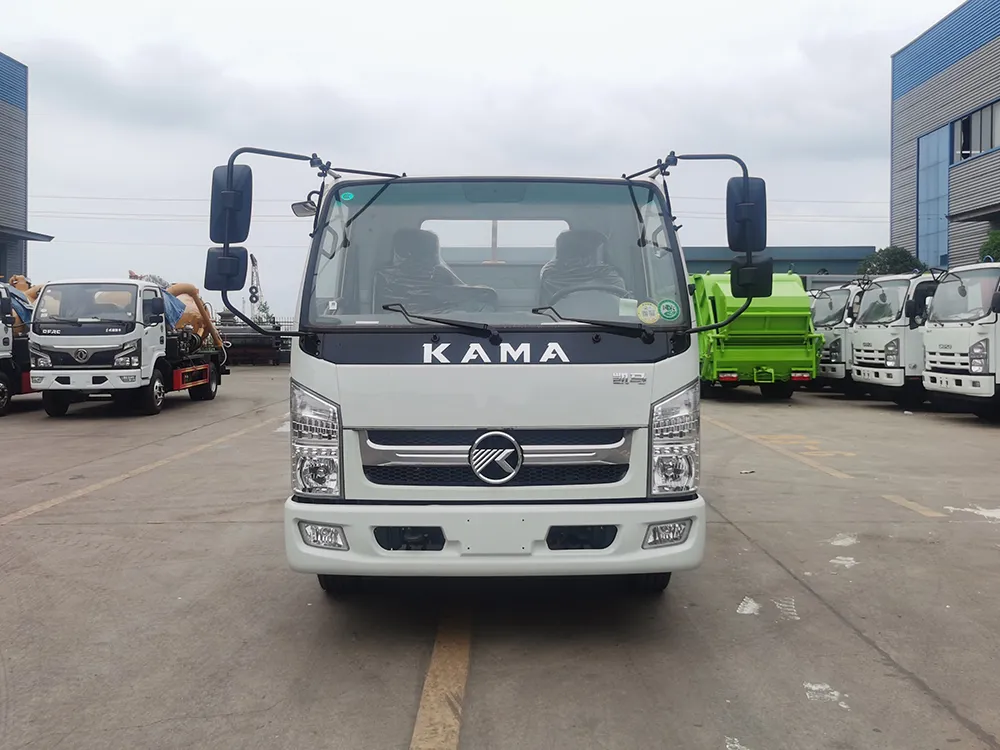
12 m³ Rear-Loading Municipal Compactor (4x2)
|
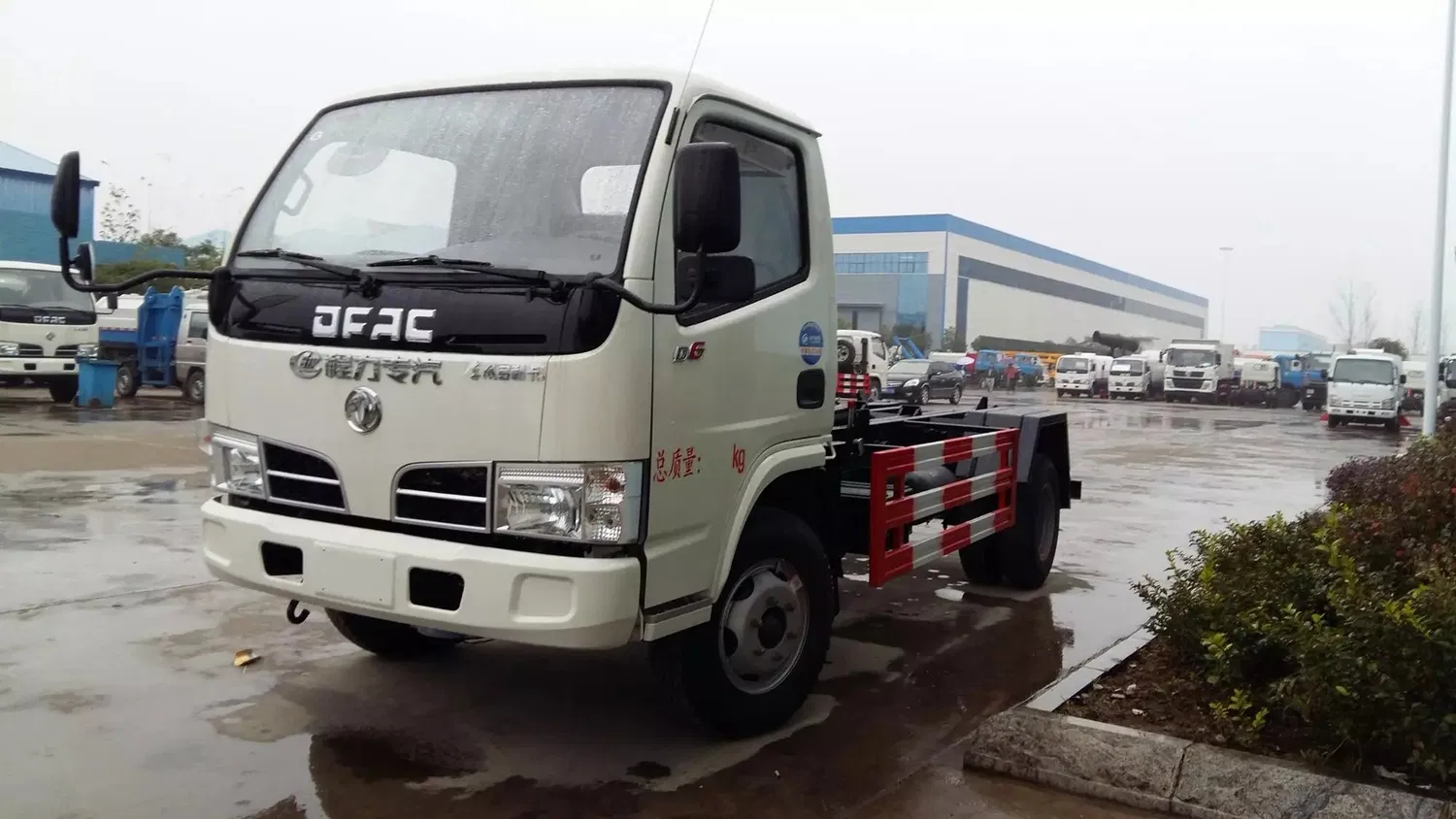
18 m³ Heavy Arterial Refuse Compactor (6x4)
|
14 – 20 Ton Hook Lift System (6x4 Roll-Off)
|
6 – 10 m³ Hydraulic Swing-Arm Skip Loader (4x2)
|
Tender Compliance, Container Interoperability & Preventive Spares
When tendering detachable-container fleets (hook lifts or skip loaders), failing to lock down dimensional hook-height and rail-spacing standards creates severe incompatibility across future procurements:
- Container Interface Standards: Always specify standard hook height (e.g., 1,570 mm DIN 30722 for heavy 14–20T hook lifts, or 900–1,450 mm for light 3–10T units) and longitudinal skid rail spacing (typically 1,060 mm center-to-center) so containers purchased in Year 1 lock safely onto trucks tendered in Year 3.
- Mandatory Export & Bid Submittals: Tender-specific Manufacturer's Authorisation Form (MAF), Certificate of Origin (CO), hydraulic load-test and rear-stabilizer safety test reports, axle-load distribution CAD drawings, container steel-thickness inspection records, and Pre-Shipment Inspection (SGS, Bureau Veritas, or Intertek) for SONCAP/PVoC clearance.
- Safety Alignment & 2-Year Spares: Hydraulic interlock valves (preventing container tipping unless chassis locks are engaged), load-holding check valves on lift cylinders, and rear-loader safety stops are built to align with buyer-specified municipal safety clauses referencing EN 1501 or DIN 30722 functional practices upon request (formal third-party type approvals are verified in writing only where explicitly contracted). Quotes can bundle on-site operator/mechanic commissioning and a 2-year wear-parts kit (chassis filters, hydraulic return filters, cylinder seal kits, high-pressure hoses, lift chains/shackles, and safety interlock switches).
Compliance Note: Last updated November 2026. Truck-to-container ratios, LHD/RHD chassis allocations, and companion steel container quantities are tailored per municipal tender BoQ.
Frequently Asked Questions
1. Which garbage truck type has the lowest cost per ton for residential city collection?
For door-to-door residential streets with wheelie bins, a rear-loading refuse compactor (10–18 m³) achieves the lowest operating cost per ton hauled because 2.5:1–3:1 compaction triples payload density compared to open-body trucks and keeps collection moving continuously with zero bin-swapping stops.
2. How many detachable containers should a city order per hook lift or skip loader truck?
To maximize chassis utilization without leaving collection pads empty during landfill trips, municipalities typically procure 6 to 10 steel containers per hook lift chassis (or 2 to 4 mobile compactor boxes per chassis at transfer pads) and 6 to 12 steel skip bins per skip loader truck.
3. Can a hook lift truck replace a conventional concrete waste transfer station?
Yes—for mid-sized cities and peri-urban districts, deploying 16–20 m³ mobile self-contained compactor containers serviced by 6x4 hook lift trucks functions as a modular "mini-transfer station" on a simple reinforced concrete pad with a 380V power plug, avoiding heavy civil-works construction costs and long permitting delays.
4. Why shouldn't a city load construction rubble or market demolition waste into a compactor truck?
Heavy concrete chunks, steel rebar, and timber beams bend hydraulic packing blades, score cylinder rods, and rupture tailgate seals inside rear-loading compactors. Dedicating skip loaders or heavy-duty steel hook lift roll-off boxes to markets, drain clearing, and construction debris protects the longevity of your residential compactor fleet.
5. Can one tender bundle trucks and extra detachable steel bins in the same shipment?
Yes. Steel skip bins and open roll-off containers are engineered with tapered walls so 3 to 5 empty skips nest cleanly inside one another during ocean shipping, dramatically lowering sea freight costs per container alongside the Ro-Ro delivery of the base trucks.
Download City Waste Fleet TCO Matrix or Request Blended Fleet Proposal
Request Tender Technical Schedule & Bid Support
Share your target vehicle capacity, steering side (LHD/RHD), destination port and tender timeline to receive model technical schedules, dimensional drawings and clause-by-clause bid support.
Request Bid Quotation & Technical Schedule | Review Tender Documents We Provide
Vehicle models to compare
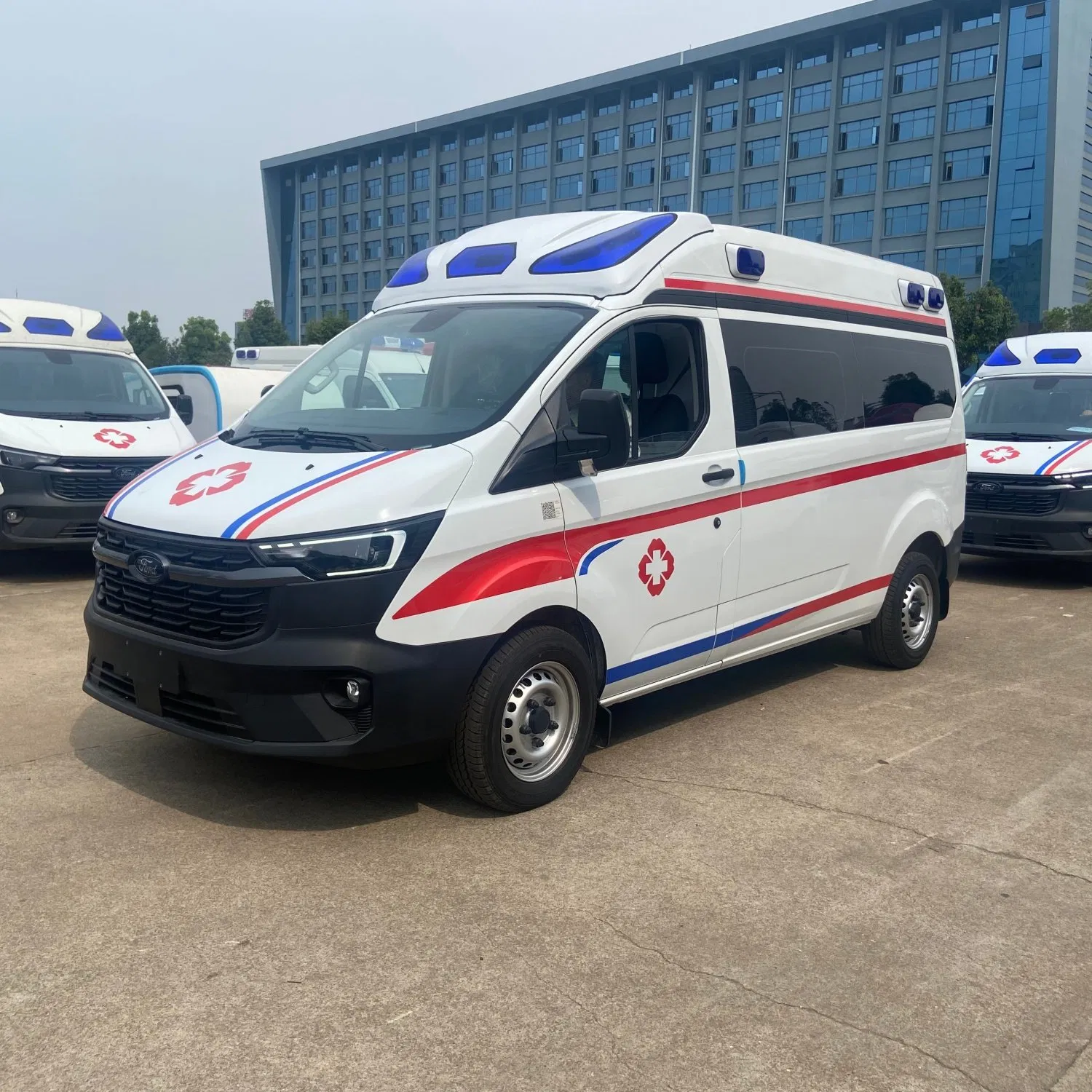
Patient Transport Ambulance CLW5030XJHCDP
The CLW5030XJHCDP is a patient transport ambulance built by Chengli Automobile Group for ministries of health, public hospitals and humanitarian NGOs. Its manufacturer record lists a 3,300 kg GVW class and 162 kW engine output. Right-hand-drive availability, final equipment fit-out and export documentation are confirmed per contract for government and donor-funded tenders.
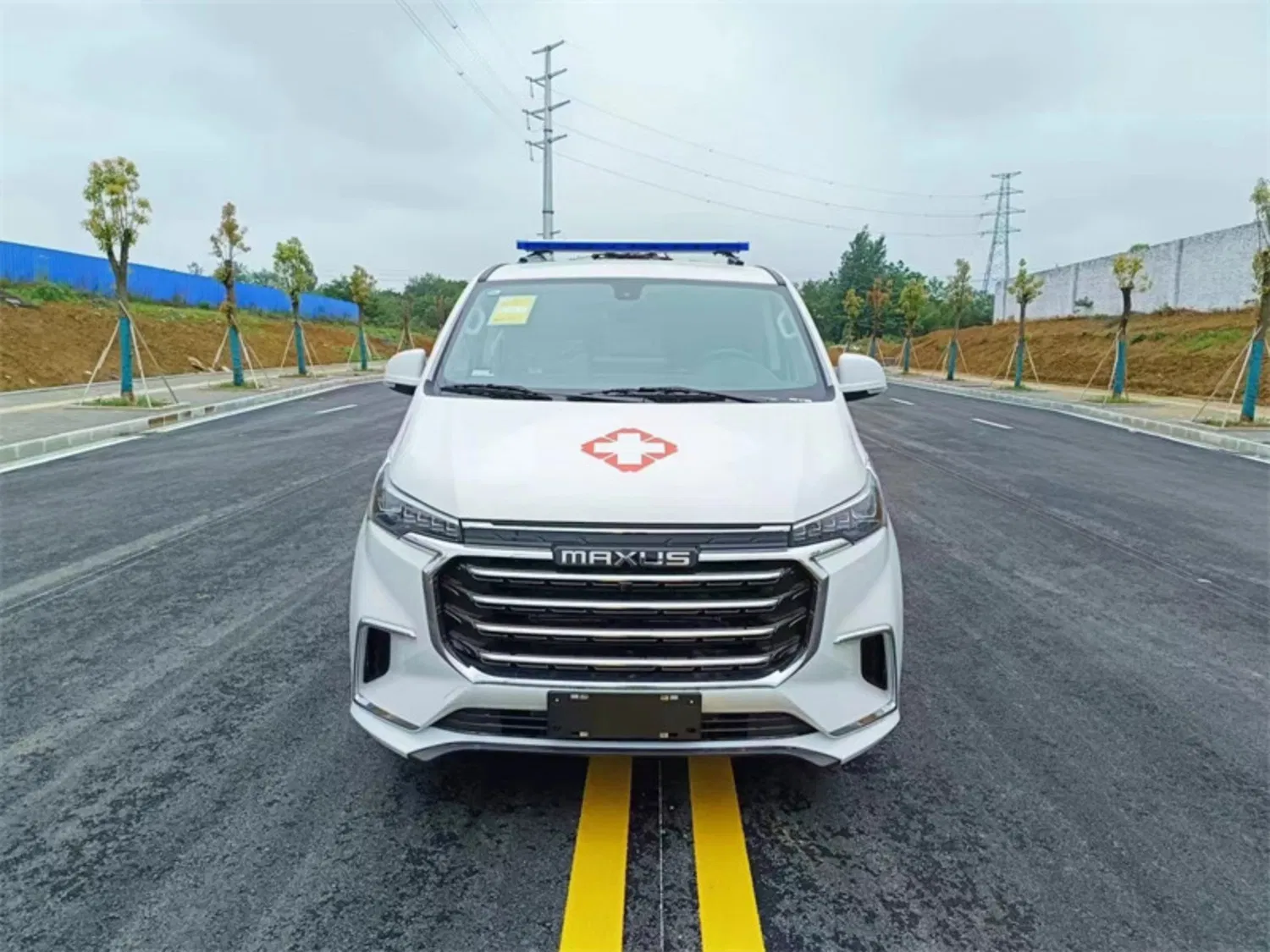
Patient Transport Ambulance CL5030XJH6AYS
The CL5030XJH6AYS is a 4x2 patient transport ambulance built by Chengli Automobile Group for ministries of health, public hospitals and humanitarian NGOs. Its manufacturer record lists a 2,900 kg GVW class and 186.4 kW engine output. Right-hand-drive availability, final equipment fit-out and export documentation are confirmed per contract for government and donor-funded tenders.
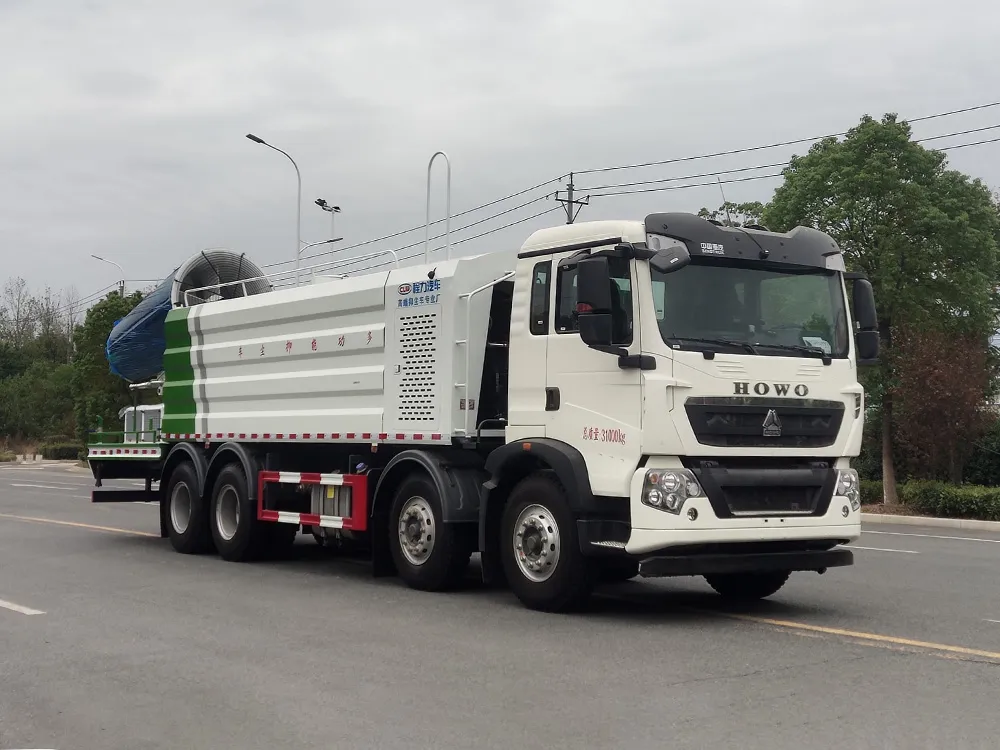
Dust Suppression Truck CL5310TDYZ6YC
The CL5310TDYZ6YC is a 8x4 Sinotruk-chassis dust suppression truck built by Chengli Automobile Group for city councils, municipal sanitation departments and public-works contractors. Its manufacturer record lists a 21 m³ key specification, a 31,000 kg GVW class and 257 kW engine output. Right-hand-drive availability, final equipment fit-out and export documentation are confirmed per contract for government and donor-funded tenders.
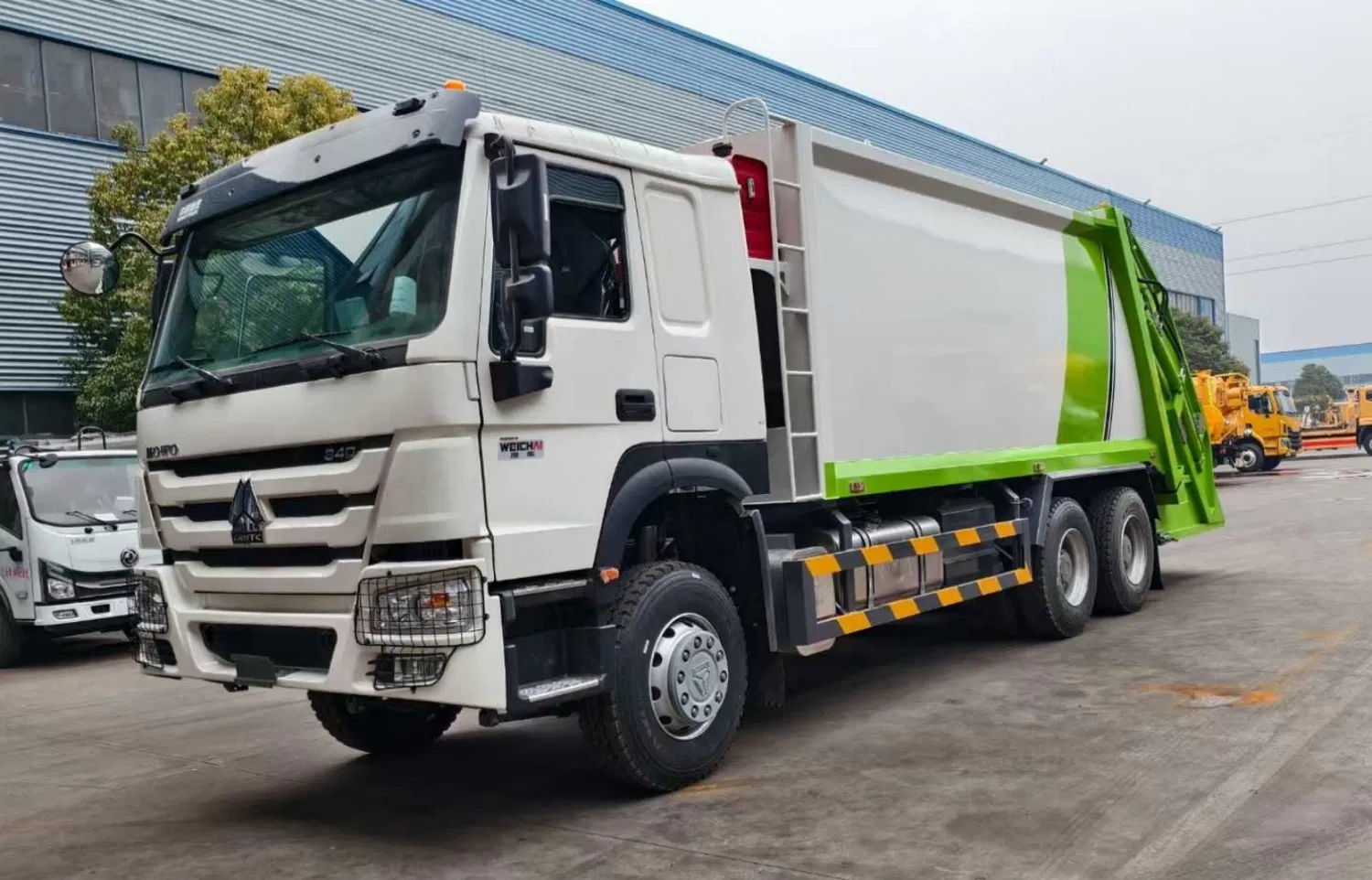
Refuse Compactor CLW5250ZYSAHJ
The CLW5250ZYSAHJ is a 6x4 refuse compactor built by Chengli Automobile Group for city councils, municipal sanitation departments and public-works contractors. Its manufacturer record lists a 20–23 m³ key specification and a 25,000 kg GVW class. Right-hand-drive availability, final equipment fit-out and export documentation are confirmed per contract for government and donor-funded tenders.
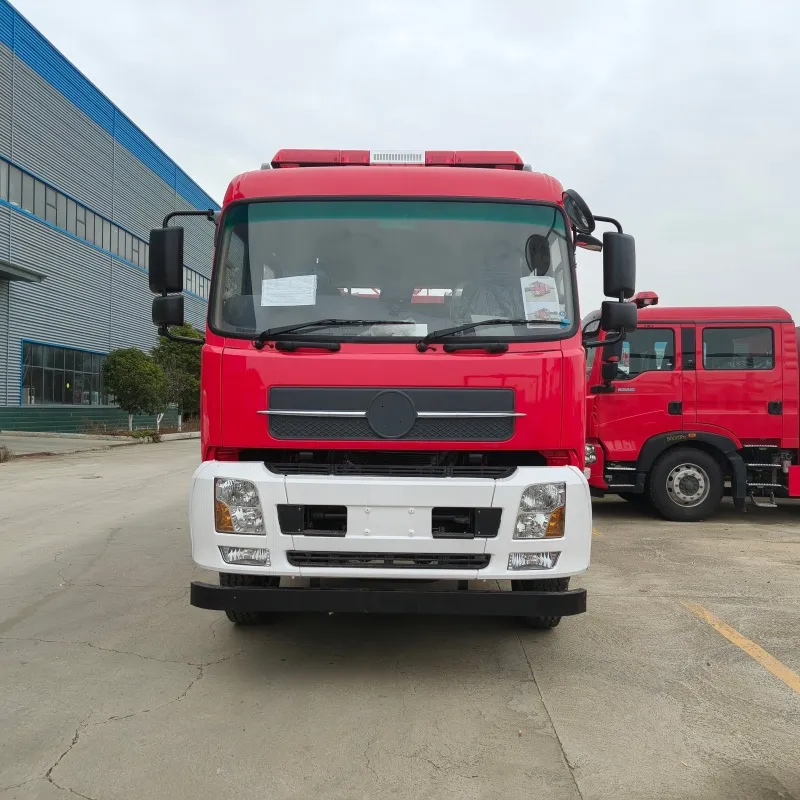
Foam Fire Truck CLW5190GXFPM50
The CLW5190GXFPM50 is a 4x2 foam fire truck built by Chengli Automobile Group for municipal fire brigades, civil defence agencies and industrial safety fleets. Its manufacturer record lists a 19,100 kg GVW class and 149.1 kW engine output. Right-hand-drive availability, final equipment fit-out and export documentation are confirmed per contract for government and donor-funded tenders.
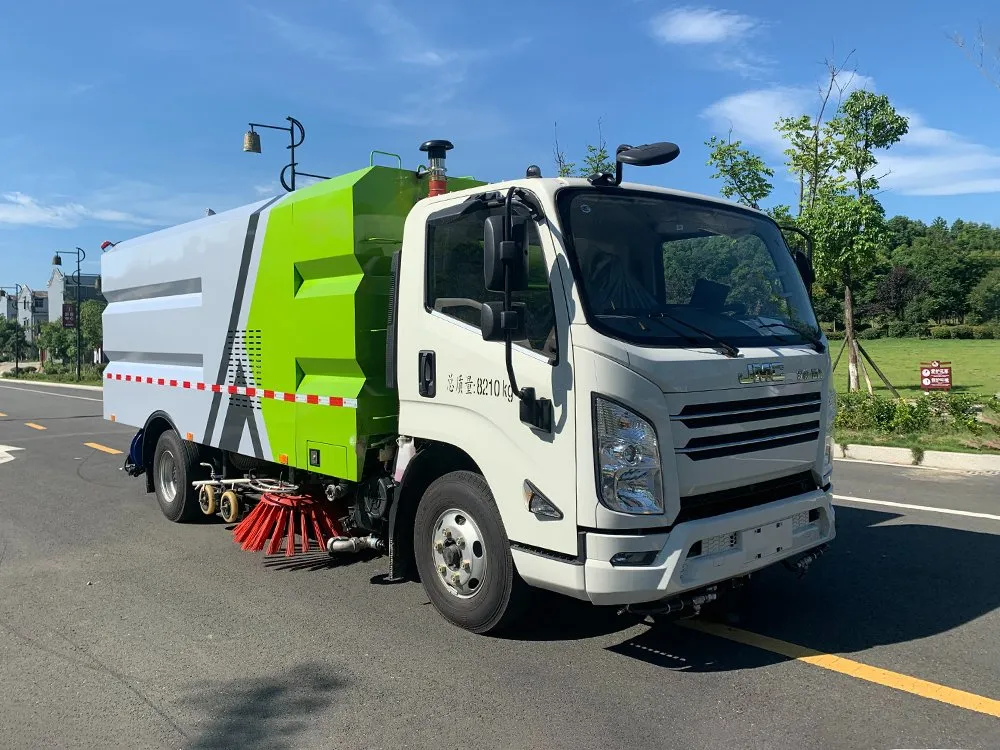
Washing-Sweeping Truck CLW5080TXSJ6
The CLW5080TXSJ6 is a 4x2 JMC-chassis washing-sweeping truck built by Chengli Automobile Group for city councils, municipal sanitation departments and public-works contractors. Its manufacturer record lists a 3 m cleaning width key specification, the JX1083TK26 chassis and a 8,210 kg GVW class. Right-hand-drive availability, final equipment fit-out and export documentation are confirmed per contract for government and donor-funded tenders.
TECHNICAL DOCUMENT REQUEST
Get the specification conversation started
Tell us your destination and vehicle requirement. PDF availability and the specification scope will be confirmed for the proposed model.