
Procurement guides
How Much Does a New Fire Truck Cost? Capacity Guide
25 November 2026
The FOB cost of a new municipal or industrial fire truck is governed by four primary technical variables: water and foam tank capacity (4,000 L to 18,000 L), fire pump flow rate (30 L/s to 100 L/s), chassis gross vehicle weight and axle drive (4x2, 4x4, or 6x4), and the loose firefighting equipment Bill of Quantities (BoQ). Because public tenders specify distinct emission standards, steering configurations, and pump brands, final unit budgets vary substantially across capacity tiers rather than following a single flat price.
Procurement Resources & Bid Support
Primary Action: Request Tender Spec Sheet — Get the 4,000 L–18,000 L Technical Comparison & BoQ Checklist (Requires: Email or WhatsApp, Destination Country, Target Tank Capacity)*
Secondary Action: Request Bid Quotation — Submit your tender schedule for an itemized FOB or CIF budget estimate*
Fire Truck Cost Drivers by Tank Size (4,000 L to 18,000 L)
When preparing capital expenditure budgets for municipal fire brigades, industrial estates, or civil defense agencies, procurement officers evaluate apparatus by agent volume and pump output. Note that exact FOB figures depend on written chassis and pump selections; the matrix below outlines the structural cost drivers across four standard procurement tiers so tender committees can align technical specifications with available funding.
| Capacity Tier & Role | Water / Foam Tank Volume | Chassis & Drive Configuration | Fire Pump & Monitor Rating | Primary Budget Drivers | Target Procuring Agency | Actions |
|---|---|---|---|---|---|---|
| Tier 1: Light Urban & Rapid Intervention | 3,000 L – 4,500 L Water (Optional 300 L – 500 L Foam) | 4x2 or 4x4 Light/Medium Duty (10–14 Ton GVW) | 30 – 40 L/s (1,800 – 2,400 L/min) @ 10 bar; Manual roof monitor | Compact wheelbase engineering, 4x4 transfer case option, crew cab seating (2+4) | District fire posts, crowded urban markets, township brigades | View Models | Get Spec/Quote |
| Tier 2: Standard Municipal First-Out | 6,000 L – 8,000 L Water (or 6,000 L Water + 1,000 L Foam) | 4x2 Heavy Duty (16–18 Ton GVW) | 50 – 60 L/s (3,000 – 3,600 L/min) @ 10 bar; Manual or electric monitor | Imported vs. domestic fire pump assembly, stainless steel tank baffles, full hose & nozzle kit | City fire departments, municipal councils, regional emergency services | View Models | Get Spec/Quote |
| Tier 3: Heavy Municipal & Industrial Support | 10,000 L – 12,000 L Water (or 9,000 L Water + 3,000 L Foam) | 6x4 Heavy Duty (25–31 Ton GVW) | 60 – 80 L/s (3,600 – 4,800 L/min) @ 10 bar; Remote-controlled roof monitor | Tandem rear axles, automatic or manual foam proportioning system, 316L stainless foam tank | Metropolitan fire commands, free trade zones, commercial ports | View Models | Get Spec/Quote |
| Tier 4: Bulk Water & High-Hazard Tanker | 15,000 L – 18,000 L Water (or 14,000 L Water + 4,000 L Foam) | 6x4 or 8x4 Heavy Duty (31–40 Ton GVW) | 80 – 100 L/s (4,800 – 6,000 L/min) @ 10 bar; High-flow remote monitor (4,800 L/min) | High-torque 380–460 HP engine, heavy suspension, around-the-pump foam proportioner | Petrochemical complexes, fuel depots, highway & peri-urban water relay units | View Models | Get Spec/Quote |
Across every tier, three hidden engineering choices regularly shift total tender pricing by 15% to 35%:
- Tank Construction Material: Standard carbon steel with epoxy anti-corrosion lining represents the baseline budget option for clean municipal water. Upgrading to 304 food-grade/municipal stainless steel or 316L marine-grade stainless steel (mandatory when carrying Class B AFFF or alcohol-resistant foam concentrates) increases material and welding hours, while polypropylene (PP) composite tanks reduce corrosion risk and curb weight at a mid-to-upper budget tier.
- Fire Pump Origin and Priming Architecture: Rear-mounted normal-pressure centrifugal pumps equipped with piston or rotary vane priming systems offer lower capital and maintenance costs. Specifying normal-and-high-pressure multi-stage pumps or internationally recognized European/North American pump assemblies (such as Ziegler, Rosenbauer, Godiva, or Hale) significantly elevates the unit price and extends factory delivery lead times.
- Loose Firefighting Equipment Package: A chassis-plus-superstructure quote without loose tools looks lower on paper, but adding positive-pressure self-contained breathing apparatus (SCBA) sets, hydraulic rescue cutters/spreaders, aluminum extension ladders, suction hoses, and delivery couplings can add 10% to 20% to the final contract value.
Water Tanker vs Foam vs Rescue Truck Budget Differences
Selecting the right apparatus category prevents municipalities from over-paying for specialized chemical systems they rarely deploy—or under-specifying industrial units that fail during hydrocarbon fires.
- Water Tanker Fire Trucks (Baseline Capital Efficiency): Designed primarily for Class A structural, residential, and brush fires, water tanker fire trucks carry a single large-volume water tank, a rear pump compartment, and standard hose reels. Because they eliminate dual-tank partitioning and chemical proportioning valves, they deliver the lowest cost per liter of firefighting capacity and are straightforward for local municipal mechanics to service.
- Foam Fire Trucks (Mid-to-High Tier Investment): When protecting fuel tank farms, aviation aprons, power plants, or industrial corridors, foam fire trucks add a dedicated 316L stainless steel foam concentrate tank (typically 10% to 25% of total liquid volume), an automatic negative-pressure or balanced-pressure foam proportioner (1%, 3%, or 6% mixing ratios), and a dual-agent roof monitor. The additional stainless steel fabrication, chemical-resistant seals, and flushing manifolds increase superstructure cost by roughly 18% to 30% over an equivalent-tonnage water tanker.
- Emergency Rescue & Equipment Tenders (Equipment-Driven Budgets): Rescue trucks carry minimal or zero extinguishing water. Instead, budget allocation shifts from tanks and pumps to body compartmentation, pneumatic telescopic lighting masts (4 x 1,000 W or LED equivalents), chassis-driven or auxiliary electrical generators (15 kW to 30 kW), front hydraulic recovery winches (12,000 lbs to 20,000 lbs), and comprehensive extrication toolsets.
Featured Fleet Models for Public & Industrial Tenders
Review representative configurations from our fire trucks catalog below to benchmark wheelbase, pump flow, and tank proportions for your upcoming tender BoQ.
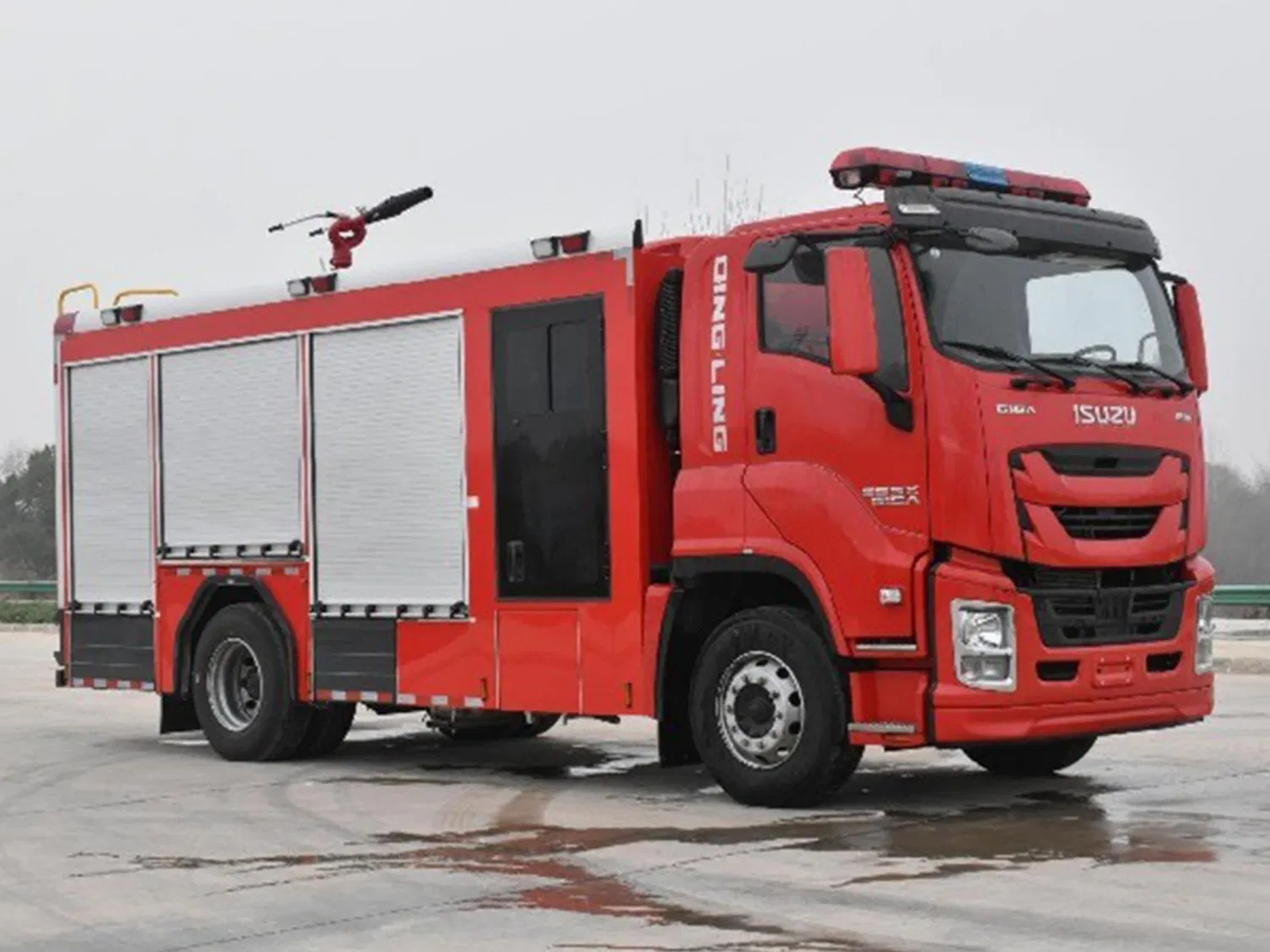
4,000 L Light Urban Water Tanker Fire Truck
|
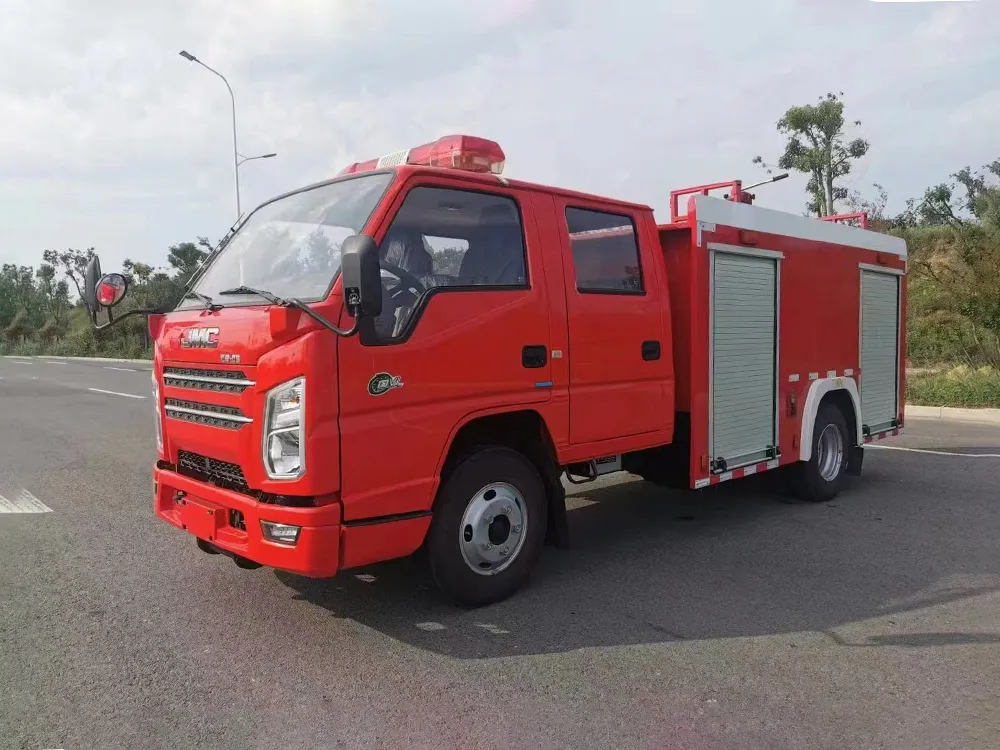
8,000 L Municipal Standard Water Tanker
|
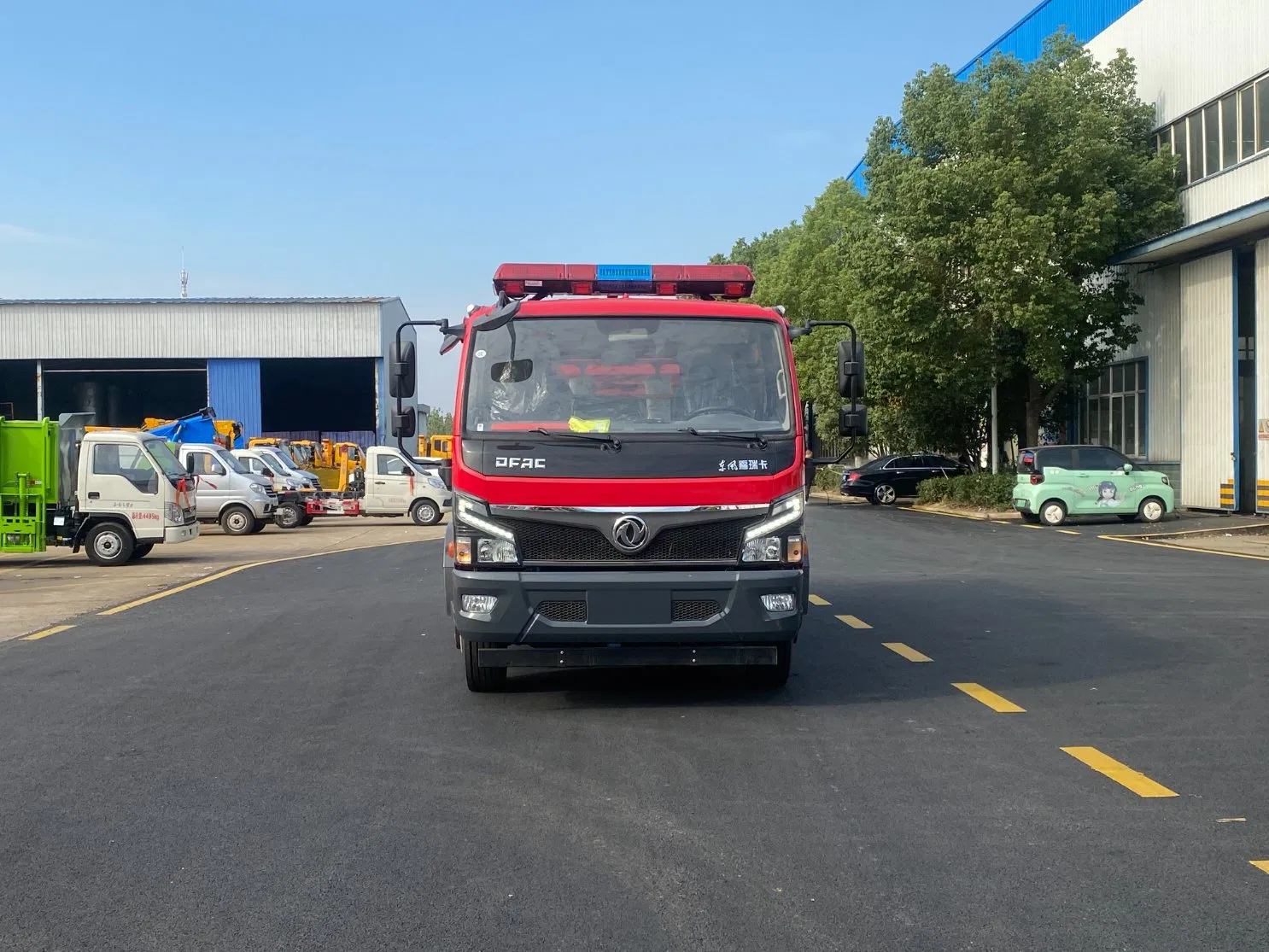
12,000 L Heavy Water & Foam Fire Truck
|
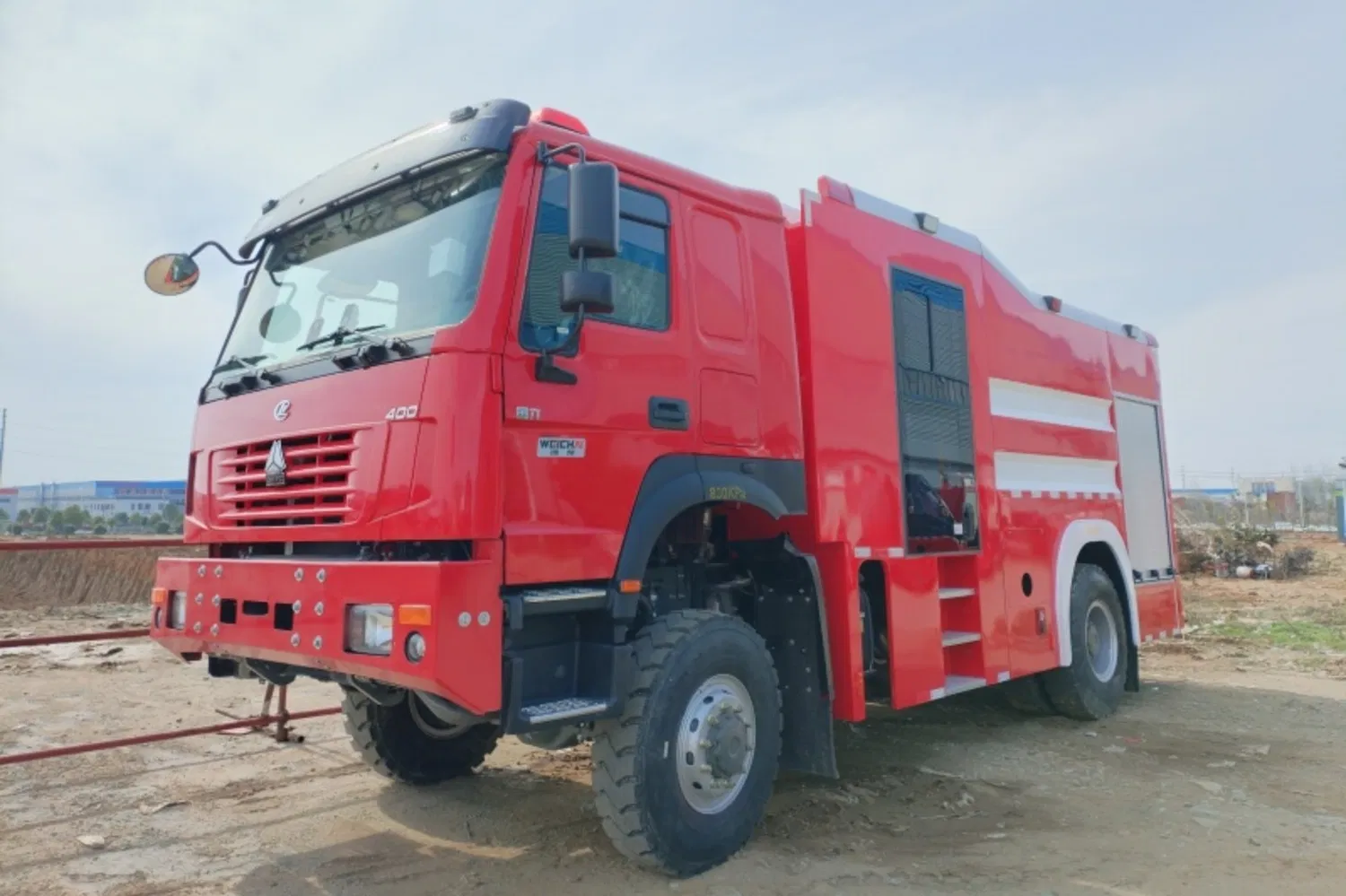
18,000 L High-Capacity Water & Foam Tender
|
Chassis, LHD/RHD & Shipping Costs to Africa and the Middle East
Beyond the superstructure, three regional deployment variables directly impact landed unit cost and delivery schedules:
- Emission Standards & Local Fuel Tolerance: Ministries and contractors in West and East Africa (such as Nigeria, Ghana, Kenya, and Tanzania) frequently specify Euro II or Euro III mechanical/common-rail diesel engines equipped with heavy-duty fuel-water separators. Specifying Euro V or Euro VI SCR after-treatment systems where ultra-low-sulfur diesel (ULSD) and AdBlue supply chains are limited increases upfront chassis cost and risks sensor derating in field service. Conversely, Gulf Cooperation Council (GCC) tenders typically mandate Euro IV/Euro V compliance alongside high-ambient cooling packages rated for 50°C+ operation.
- Left-Hand Drive (LHD) vs. Right-Hand Drive (RHD) Production Lead Times: LHD chassis (for Nigeria, Ghana, Francophone Africa, and the Middle East) are maintained in higher rolling stock volumes, enabling faster superstructure integration. RHD chassis (required for Kenya, Tanzania, Zambia, Zimbabwe, and Uganda) require dedicated factory chassis allocations, which can affect both base chassis pricing and production lead time by 3 to 5 weeks.
- Ocean Freight Mode (Ro-Ro vs. Flat Rack / Bulk Vessel): Fire trucks exceed standard container height and length limits. Depending on destination port infrastructure (e.g., Lagos/Apapa, Mombasa, Dar es Salaam, Tema, or Jebel Ali), units ship via Roll-on/Roll-off (Ro-Ro) vessels—which offer lower per-CBM freight rates and minimal port handling—or via 40-foot Flat Rack / break-bulk carriers when Ro-Ro sailings are infrequent. Marine anti-rust waxing, battery isolation, and full-body protective wrapping are factored into export preparation.
Tender Documents, Crew Training & Spare Parts Included in Quotes
Public procurement boards require verifiable compliance documentation and post-delivery lifecycle support before releasing letters of credit or milestone payments. Every formal quotation prepared for government tenders or registered local contractors includes clear definitions of documentation, standards alignment, and after-sales deliverables:
- Standard Export & Bid Documentation: Manufacturer's Authorisation Form (MAF) tailored to the specific tender reference number, Certificate of Origin (CO), Commercial Invoice, Packing List, Bill of Lading, factory hydraulic pressure test certificates, and pump performance curve sheets. Pre-Shipment Inspection (PSI) coordination with SGS, Bureau Veritas, or Intertek is supported for countries requiring PVoC/SONCAP/COC clearance.
- Engineering Standards Reference: Apparatus superstructures and fire pump installations are engineered in accordance with buyer-specified tender requirements referencing EN 1846 or NFPA 1901 functional layouts and safety guidelines upon request. Where formal third-party type-approval certificates are mandated by a tender, exact certifiable configurations are confirmed in writing prior to bid submission.
- Crew Commissioning & 2-Year Spare Parts Package: Quotes can incorporate on-site commissioning and operator/mechanic training at the receiving fire station (covering pump priming, foam proportioning calibration, and winterization/draining), alongside a recommended 2-year preventive maintenance spares kit (mechanical pump seals, pressure gauges, valve diaphragms, filters, belts, and roller-shutter latches).
Compliance & Pricing Note: Last updated November 2026. Final unit pricing is issued exclusively against confirmed chassis specifications, steering orientation, equipment BoQ, and Incoterms (FOB, CFR, or CIF).
Frequently Asked Questions
1. What is the price of a new fire truck for municipal procurement?
A new municipal fire truck's price is determined primarily by tank capacity (4,000 L to 18,000 L), pump output (30 L/s to 100 L/s), chassis brand, and included loose firefighting tools. Light 4,000 L urban units sit in the entry budget tier, 6,000–8,000 L 4x2 water tankers represent the core municipal mid-tier, and 12,000–18,000 L 6x4/8x4 water-foam tenders occupy the upper industrial budget tier. Requesting an itemized BoQ quote ensures accurate budget alignment.
2. How much do loose firefighting tools add to the base vehicle quote?
Depending on the tender's equipment schedule, a full operational accessory kit—including suction hoses, delivery hoses, branchpipes, foam inductors, SCBA breathing apparatus, portable ladders, and forcible entry tools—typically adds 10% to 20% on top of the base vehicle and pump assembly cost.
3. Should a municipal tender specify a water tanker or a water-foam fire truck?
If the brigade responds mainly to residential, commercial building, and vegetation fires, a standard water tanker fire truck maximizes water volume per dollar spent. If the coverage zone includes fuel stations, tank farms, chemical warehouses, or ports, specifying a foam fire truck with a 316L stainless steel foam tank and built-in proportioner is essential.
4. What is the typical production and delivery lead time for RHD fire trucks?
Standard LHD fire truck builds generally require 45 to 75 days from deposit and technical drawing sign-off, depending on chassis availability. Right-hand drive (RHD) chassis builds for East and Southern African markets typically require 60 to 90 days due to dedicated RHD chassis scheduling, plus 25 to 45 days for ocean transit.
5. Can you supply a Manufacturer's Authorisation Form (MAF) for local tender bidders?
Yes. Registered engineering contractors and fleet integrators bidding on Ministry of Interior, municipal council, or port authority tenders can request a tender-specific MAF, technical compliance matrix, and dimensional CAD drawings once the tender notice and target capacity are shared.
Download Tender Spec Sheet or Request Bid Quotation
Request Tender Technical Schedule & Bid Support
Share your target vehicle capacity, steering side (LHD/RHD), destination port and tender timeline to receive model technical schedules, dimensional drawings and clause-by-clause bid support.
Request Bid Quotation & Technical Schedule | Review Tender Documents We Provide
Vehicle models to compare
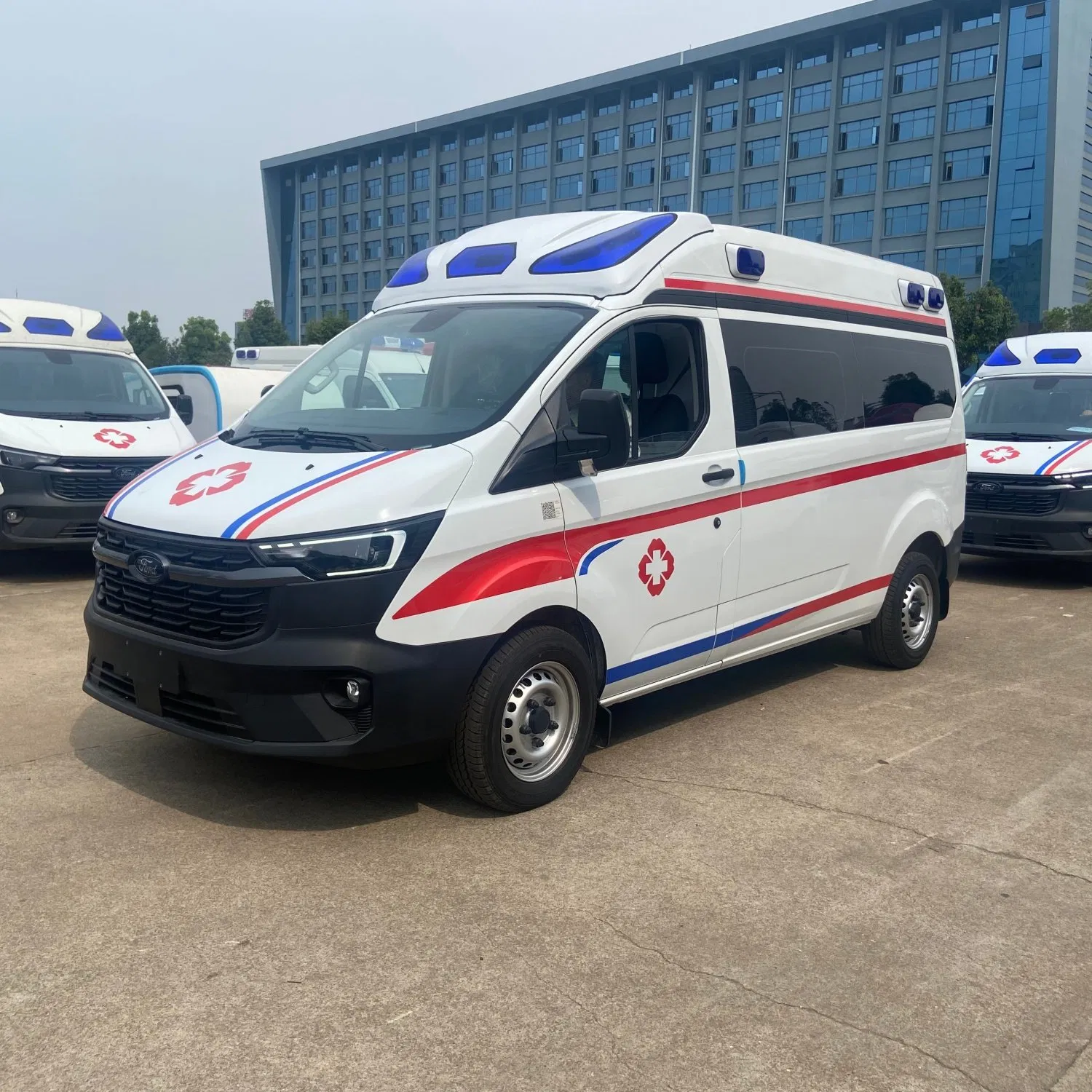
Patient Transport Ambulance CLW5030XJHCDP
The CLW5030XJHCDP is a patient transport ambulance built by Chengli Automobile Group for ministries of health, public hospitals and humanitarian NGOs. Its manufacturer record lists a 3,300 kg GVW class and 162 kW engine output. Right-hand-drive availability, final equipment fit-out and export documentation are confirmed per contract for government and donor-funded tenders.
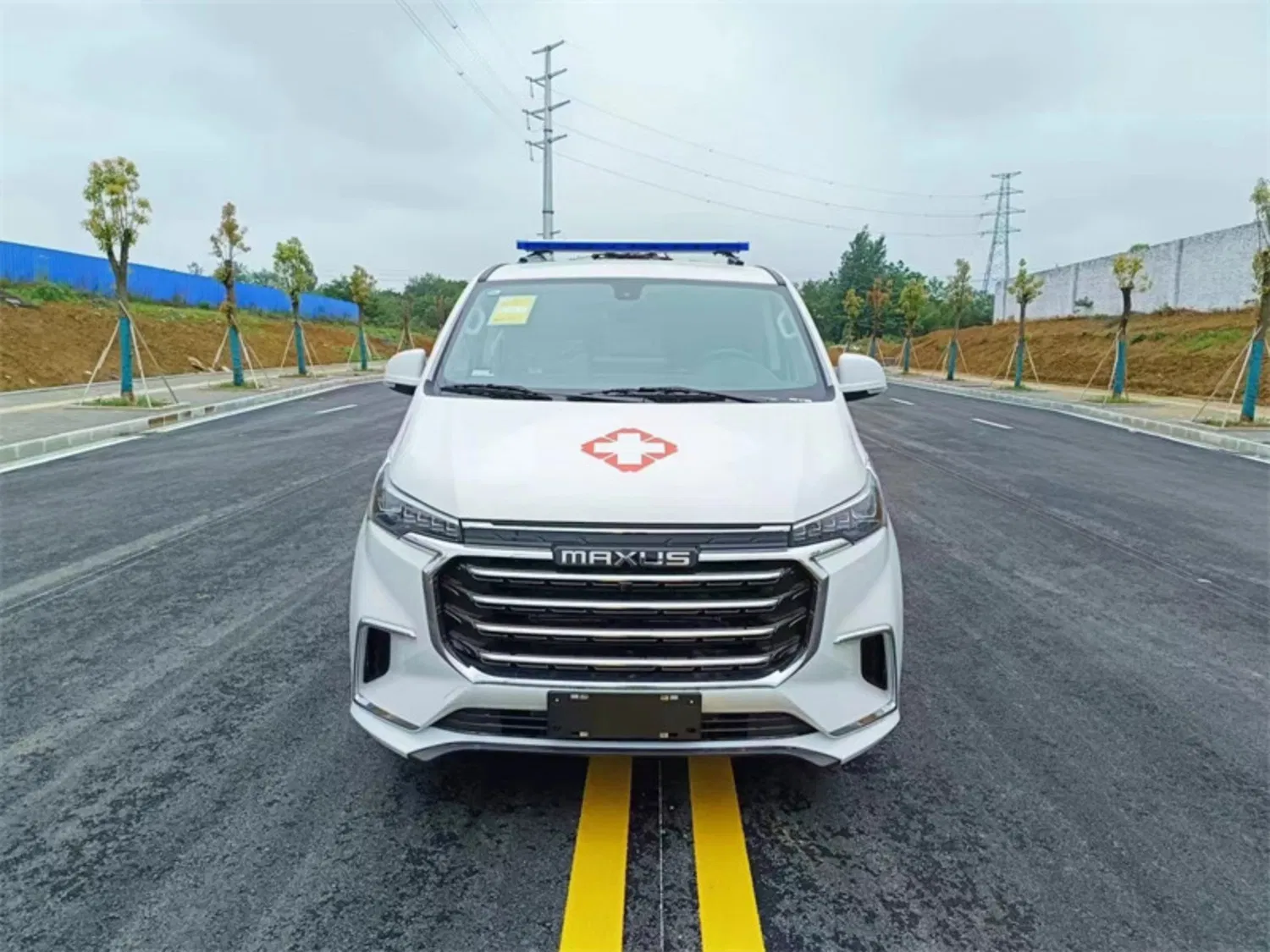
Patient Transport Ambulance CL5030XJH6AYS
The CL5030XJH6AYS is a 4x2 patient transport ambulance built by Chengli Automobile Group for ministries of health, public hospitals and humanitarian NGOs. Its manufacturer record lists a 2,900 kg GVW class and 186.4 kW engine output. Right-hand-drive availability, final equipment fit-out and export documentation are confirmed per contract for government and donor-funded tenders.
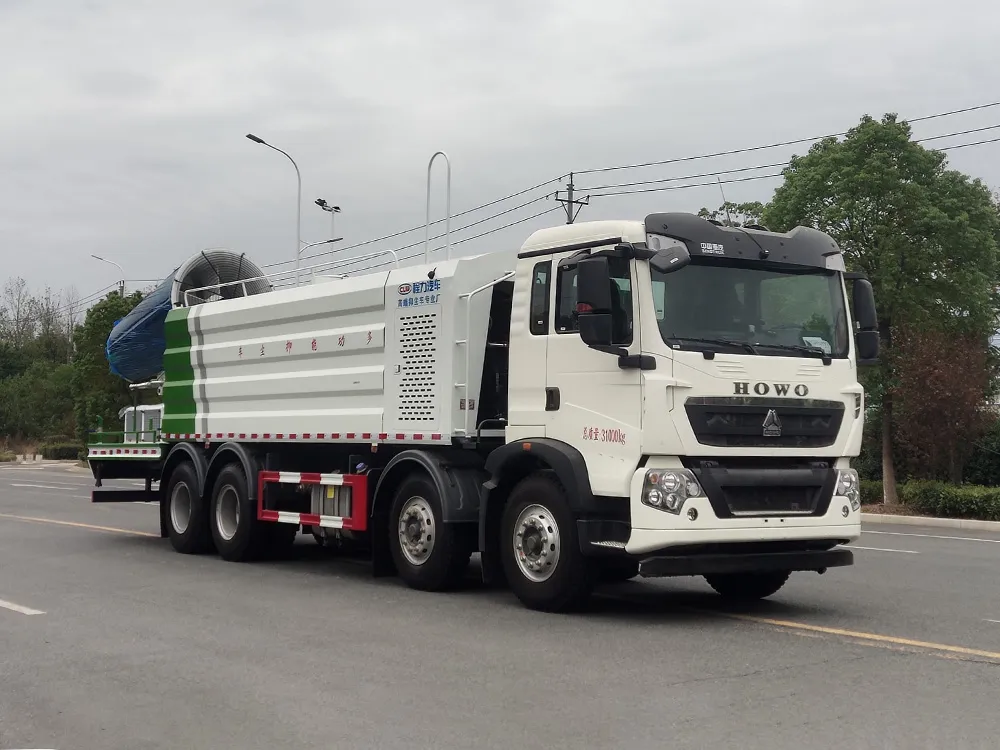
Dust Suppression Truck CL5310TDYZ6YC
The CL5310TDYZ6YC is a 8x4 Sinotruk-chassis dust suppression truck built by Chengli Automobile Group for city councils, municipal sanitation departments and public-works contractors. Its manufacturer record lists a 21 m³ key specification, a 31,000 kg GVW class and 257 kW engine output. Right-hand-drive availability, final equipment fit-out and export documentation are confirmed per contract for government and donor-funded tenders.
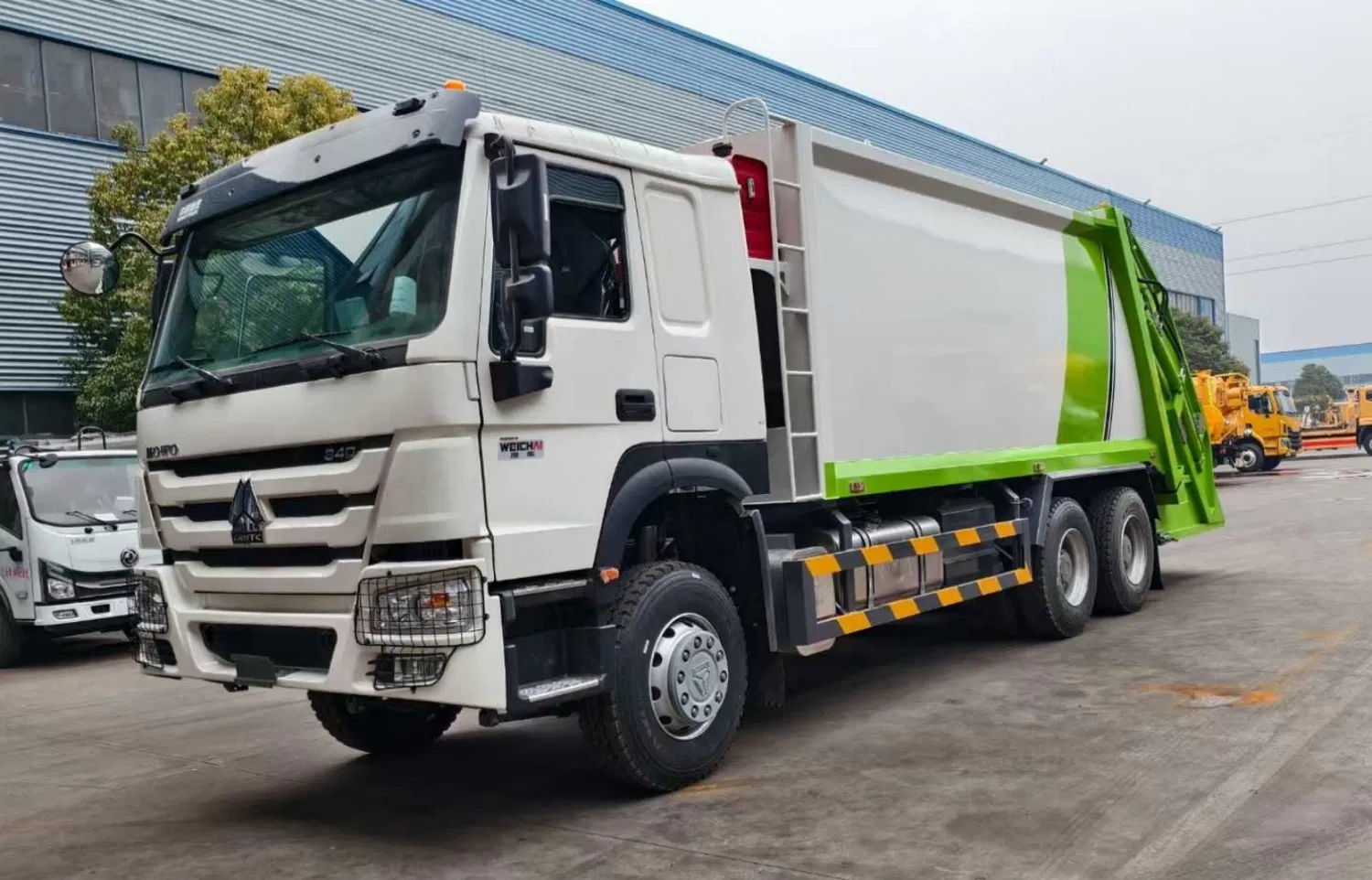
Refuse Compactor CLW5250ZYSAHJ
The CLW5250ZYSAHJ is a 6x4 refuse compactor built by Chengli Automobile Group for city councils, municipal sanitation departments and public-works contractors. Its manufacturer record lists a 20–23 m³ key specification and a 25,000 kg GVW class. Right-hand-drive availability, final equipment fit-out and export documentation are confirmed per contract for government and donor-funded tenders.
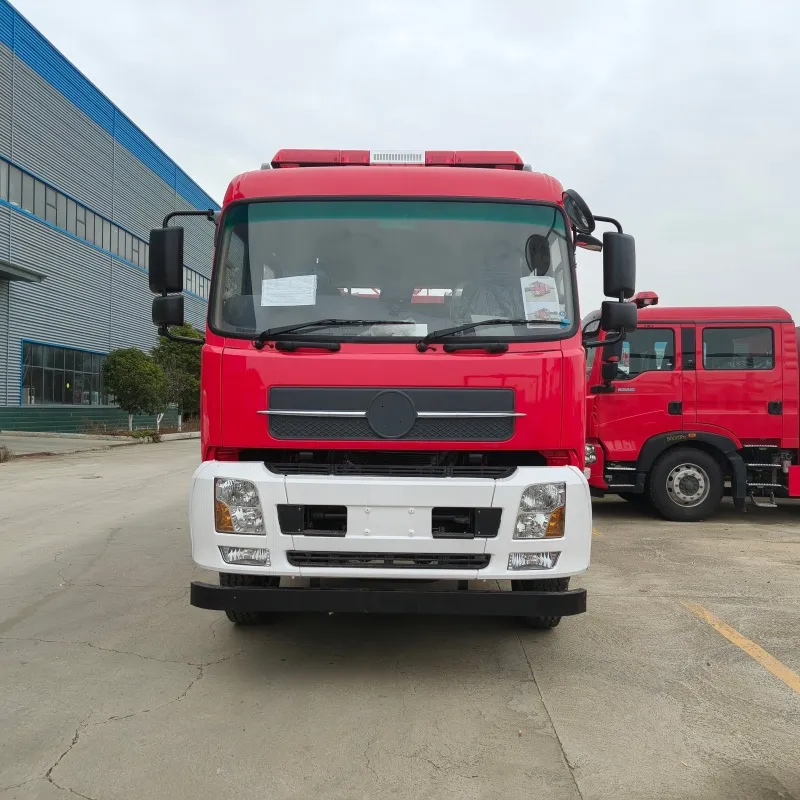
Foam Fire Truck CLW5190GXFPM50
The CLW5190GXFPM50 is a 4x2 foam fire truck built by Chengli Automobile Group for municipal fire brigades, civil defence agencies and industrial safety fleets. Its manufacturer record lists a 19,100 kg GVW class and 149.1 kW engine output. Right-hand-drive availability, final equipment fit-out and export documentation are confirmed per contract for government and donor-funded tenders.
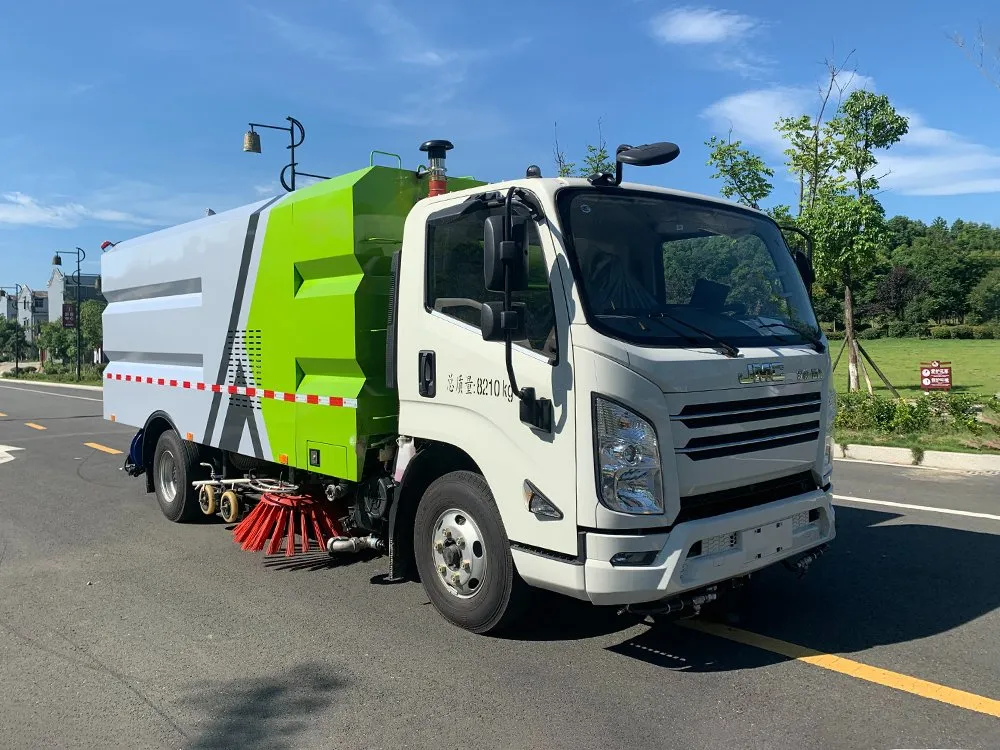
Washing-Sweeping Truck CLW5080TXSJ6
The CLW5080TXSJ6 is a 4x2 JMC-chassis washing-sweeping truck built by Chengli Automobile Group for city councils, municipal sanitation departments and public-works contractors. Its manufacturer record lists a 3 m cleaning width key specification, the JX1083TK26 chassis and a 8,210 kg GVW class. Right-hand-drive availability, final equipment fit-out and export documentation are confirmed per contract for government and donor-funded tenders.
TECHNICAL DOCUMENT REQUEST
Get the specification conversation started
Tell us your destination and vehicle requirement. PDF availability and the specification scope will be confirmed for the proposed model.