
Procurement guides
How to Write a Fire Truck Tender Specification (BoQ)
25 November 2026
A defensible fire truck tender specification (Bill of Quantities / BoQ) that prevents bid cancellations and under-built deliveries must define seven core modules in measurable, brand-neutral terms: chassis payload and emission tolerance, tank volume and corrosion-resistant material, fire pump output and priming rating, roof monitor and proportioning performance, body compartmentation, itemized loose firefighting equipment, and verifiable testing plus after-sales documentation. Writing specifications around performance thresholds rather than copied single-brand brochures ensures fair competition while disqualifying non-compliant low-cost conversions.
Tender Drafting Resources & Technical Support
Primary Action: Request Fire Truck BoQ Clause Checklist — Editable Technical Specification Reference Clauses for 4,000 L–18,000 L Tenders (Requires: Email or WhatsApp, Country, Tank Class)*
Secondary Action: Request Bid Support & Technical Review — Share your draft tender schedule for dimensional drawings and compliance feedback*
Essential Clauses Checklist (Chassis, Tank, Pump, Monitor & Lockers)
Most failed municipal fire truck tenders suffer from one of two drafting errors: vague clauses (such as "heavy-duty fire pump" with no flow or pressure figure) that allow low-grade agricultural pumps to win on price, or conflicting dimensional limits (such as demanding a 12,000 L tank on a 4x2 16-ton chassis) that force every qualified bidder to submit deviations. Use the structured checklist below when drafting or auditing your tender spec sheets.
| BoQ Module | Mandatory Technical Parameters to Specify | Sample Performance-Based Clause Wording | Common Drafting Pitfall to Avoid | Reference Links |
|---|---|---|---|---|
| 1. Chassis, Drive & Crew Cab | GVW rating (with ≥10% safety margin), drive (4x2/4x4/6x4), LHD/RHD, engine HP/torque, emission tier (Euro II–V), cab seating (1+1 or 2+4 with SCBA brackets) | "Minimum 18,000 kg GVW 4x2 heavy-duty commercial truck chassis, Euro III diesel engine ≥280 HP, factory or certified double-row crew cab seating 6 personnel with 4 integrated SCBA seat mounts." | Omitting axle-load distribution limits or specifying Euro VI engines where ULSD and AdBlue are unavailable. | View Models | Get Spec/Quote |
| 2. Water & Foam Tanks | Nominal usable volume (L), material grade (epoxy-lined carbon steel, 304 SS, 316L SS for foam, or PP), wall/baffle thickness, manhole diameter (≥450 mm), overflow/drain valves | "8,000 L nominal water tank fabricated from 304 stainless steel (minimum 4 mm bottom, 3 mm side walls and anti-surge baffles), plus separate 1,000 L 316L stainless steel foam concentrate tank with independent flush valve." | Allowing mild carbon steel for Class B foam tanks—foam concentrate rapidly corrodes bare or poorly coated carbon steel. | View Models | Get Spec/Quote |
| 3. Fire Pump & PTO System | Rated discharge flow (L/s or L/min) at 10 bar, maximum suction lift (≥7 m), priming time (≤35–50 sec), full-power sandwich PTO with dedicated heat-exchanger cooling | "Rear-mounted normal-pressure centrifugal fire pump rated at ≥50 L/s (3,000 L/min) at 1.0 MPa (10 bar), achieving 7 m suction lift within 40 seconds via automatic priming pump, driven by continuous-duty sandwich PTO." | Failing to require an auxiliary engine/PTO cooling loop for continuous stationary pumping operations exceeding 60 minutes. | View Models | Get Spec/Quote |
| 4. Roof Monitor & Foam Proportioning | Monitor flow rate (L/s), effective horizontal throw range (m) for water/foam, 360° rotation & elevation angles, manual vs. electric remote control, proportioning ratio (1%/3%/6%) | "Roof-mounted dual-purpose water/foam monitor rated ≥40 L/s at 1.0 MPa, minimum water jet reach ≥60 m and foam reach ≥50 m, 360° horizontal rotation, coupled to an adjustable 3%–6% foam proportioning system." | Listing unrealistic jet range numbers (e.g., 90 m from a 30 L/s monitor) that violate basic hydraulic physics. | View Models | Get Spec/Quote |
| 5. Bodywork & Equipment Lockers | Subframe corrosion protection, aluminum extruded framing, lockable anodized roller shutters, non-slip roof walkway, LED compartment & scene lighting, warning lightbar + 100 W siren | "Aluminum alloy subframe with corrosion-resistant bodywork, minimum 6 lockable anodized aluminum roller-shutter lockers with automatic interior LED strips, slide-out tool trays, and non-slip anti-skid roof decking." | Leaving locker layout undefined—causing heavy tools to be stacked loosely on bare floors without securing straps. | View Fleet | Get Spec/Quote |
| 6. Loose Firefighting Equipment BoQ | Exact quantity, diameter, length, and coupling standard (BS 336 Instantaneous, Storz, or NH/NST) for suction hoses, delivery hoses, nozzles, ladders, SCBA, and hand tools | "Itemized Schedule B: 2 x 4 m suction hoses with strainer, 10 x 20 m layflat delivery hoses (65 mm) with BS 336 light-alloy couplings, 2 multi-jet branchpipes, 1 foam branchpipe, 9 m aluminum extension ladder, 4 SCBA sets." | Omitting the national hose coupling standard—resulting in new trucks that cannot connect to existing city hydrants or legacy hoses. | View Specs | Get Spec/Quote |
| 7. Testing, Training & Warranty | Hydrostatic tank test (pressure & duration), 1–2 hour continuous pump endurance test, commissioning period, operator/mechanic training hours, 12–24 month warranty & 2-year spares | "Factory hydrostatic pressure test certificate for tank and manifold, certified pump performance curve at 100%/70%/50% rated flow, minimum 5-day on-site commissioning and crew training, plus 2-year recommended spares package." | Accepting delivery without a verified suction-priming and continuous-flow test witness report prior to port release. | View Guide | Get Spec/Quote |
Sizing Water & Foam Tanks for Urban vs Industrial Fire Stations
One of the first questions municipal fire chiefs and consulting engineers face when writing a BoQ is what size water tank a fire truck should carry. In regions with high-pressure pressurized city hydrants every 100 meters, smaller 2,000 L–3,000 L pumper tanks suffice as an initial attack buffer. Across much of Africa, the Middle East, and rapidly expanding peri-urban municipalities—where hydrant pressure is unreliable or non-existent—apparatus must carry self-contained extinguishing reserves matched to road geometry and hazard class:
- Dense Historic Centers, Markets & Narrow Townships (3,000 L – 4,500 L): Overall vehicle width should stay at or below 2,350–2,450 mm with a compact wheelbase (≤3,800 mm) and turning circle under 15 meters. Specifying a 12,000 L 6x4 truck for narrow market alleys guarantees delayed arrival during structural fires. A nimble 4x2 or 4x4 water tanker fire truck reaches the fire scene quickly and can be backed up by a larger bulk tanker staged on the main arterial road.
- Standard Municipal & County Fire Stations (6,000 L – 8,000 L): The global B2G workhorse tier. Mounted on an 18-ton 4x2 heavy chassis with a 50–60 L/s pump, an 8,000 L water tank (or 7,000 L water + 1,000 L foam split) delivers 2.5 to 4 minutes of full monitor discharge—or 10 to 15 minutes of dual handline attack—while staying within standard single-rear-axle bridge and road weight limits.
- Industrial Parks, Fuel Depots, Ports & Highway Stations (10,000 L – 18,000 L): Hydrocarbon, chemical warehouse, and logistics hub fires require sustained foam blanket application. Tenders for these jurisdictions should specify 6x4 or 8x4 heavy-duty foam fire trucks carrying 9,000–14,000 L of water plus 2,000–4,000 L of Class B foam concentrate, paired with 60–100 L/s pumps and remote-controlled monitors so firefighters can maintain safe standoff distances from radiant heat.
- Multi-Unit Starter Fleets: When equipping a newly commissioned municipal fire station from scratch, splitting procurement into 1 rapid-response 4,000–6,000 L unit + 1 bulk 12,000–15,000 L water/foam support tanker yields far stronger operational resilience than buying two identical oversized vehicles. See our fire station starter fleet architecture for balanced deployment models.
Reference Apparatus Models for BoQ Benchmarking
Use the production-verified specifications below to sanity-check chassis GVW, tank ratios, and pump ratings while assembling your tender BoQ.
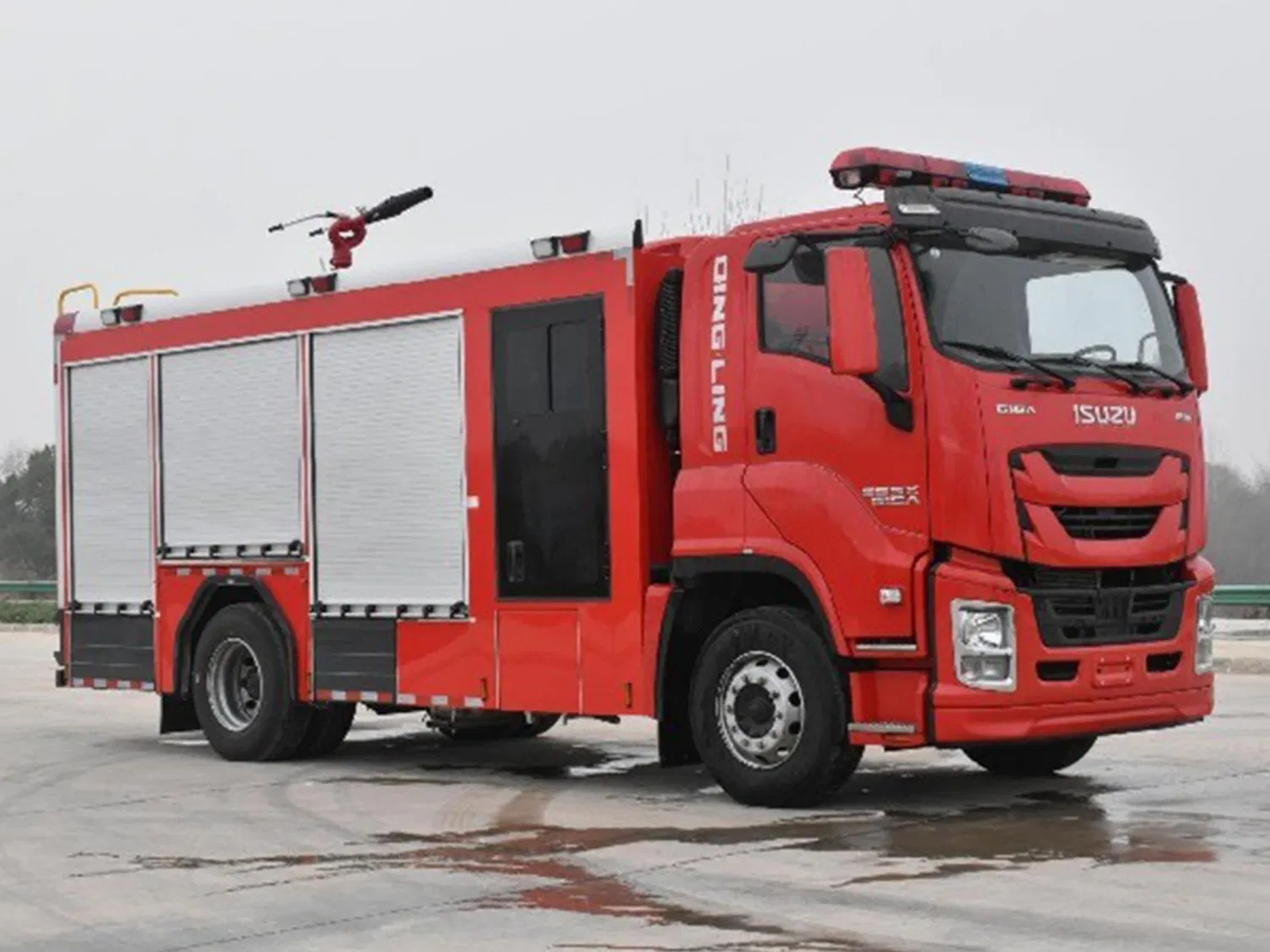
4,000 L Compact Urban Water Tanker
|
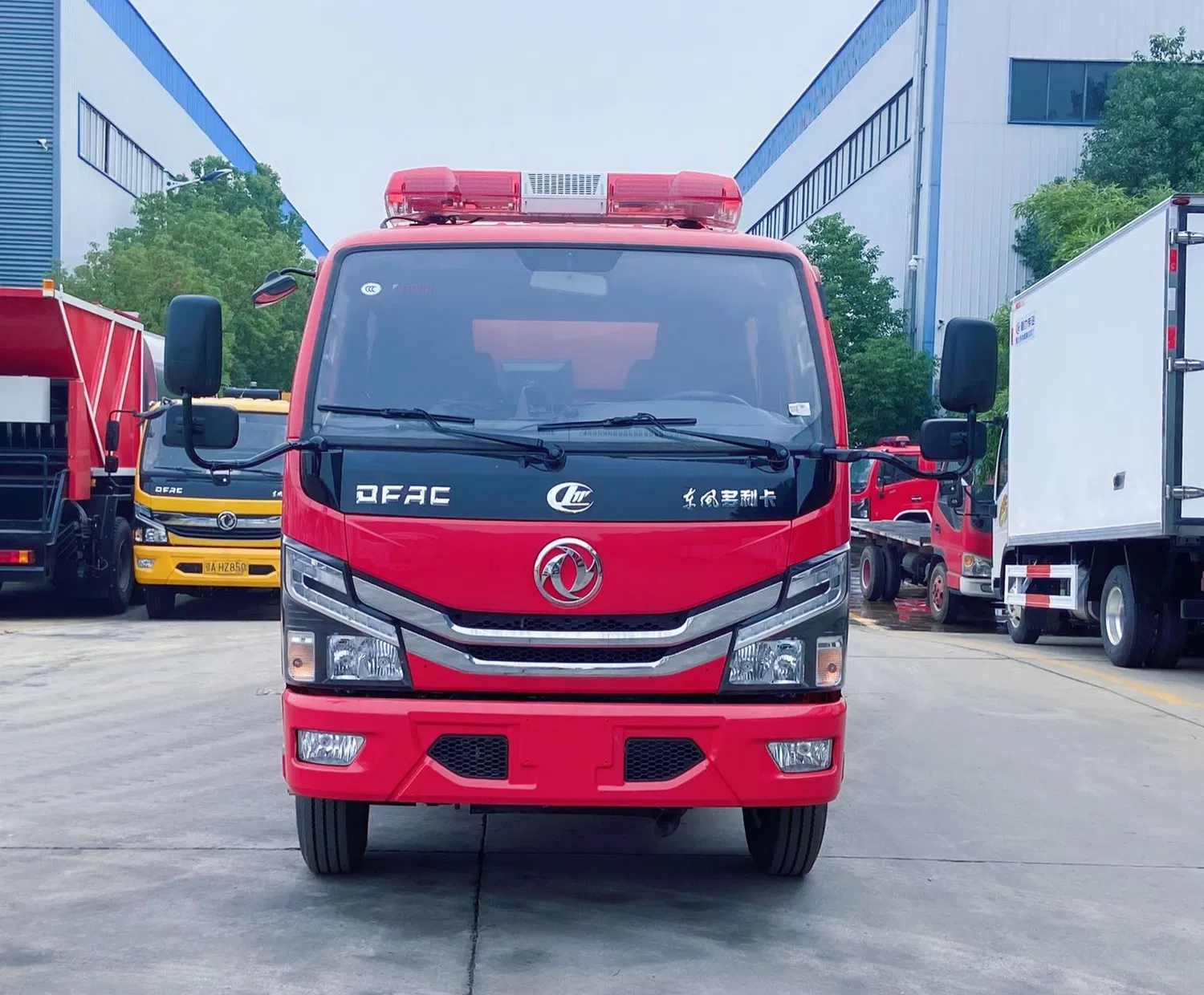
8,000 L Municipal First-Out Water / Foam Truck
|
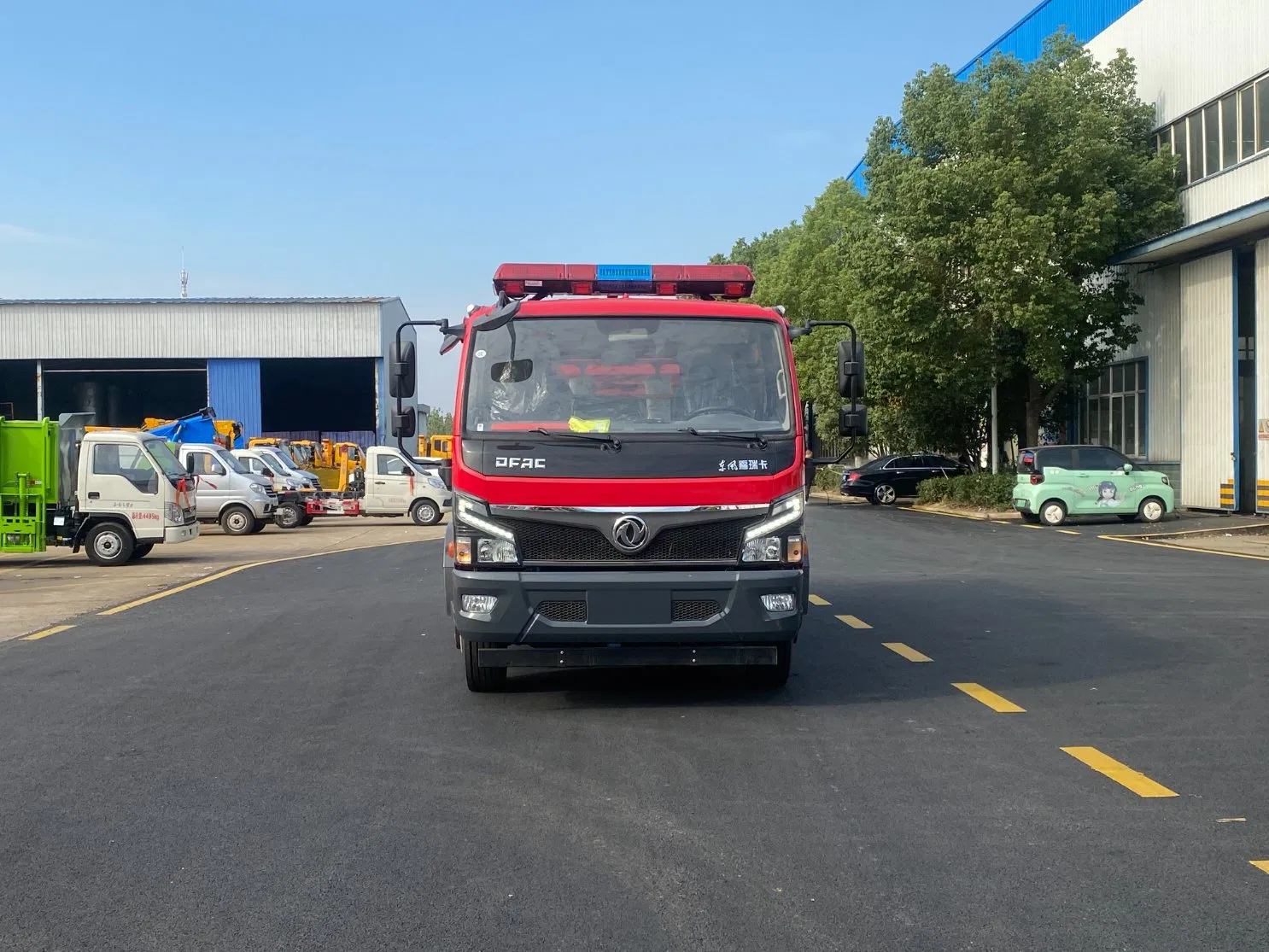
12,000 L Heavy Industrial Water & Foam Truck
|
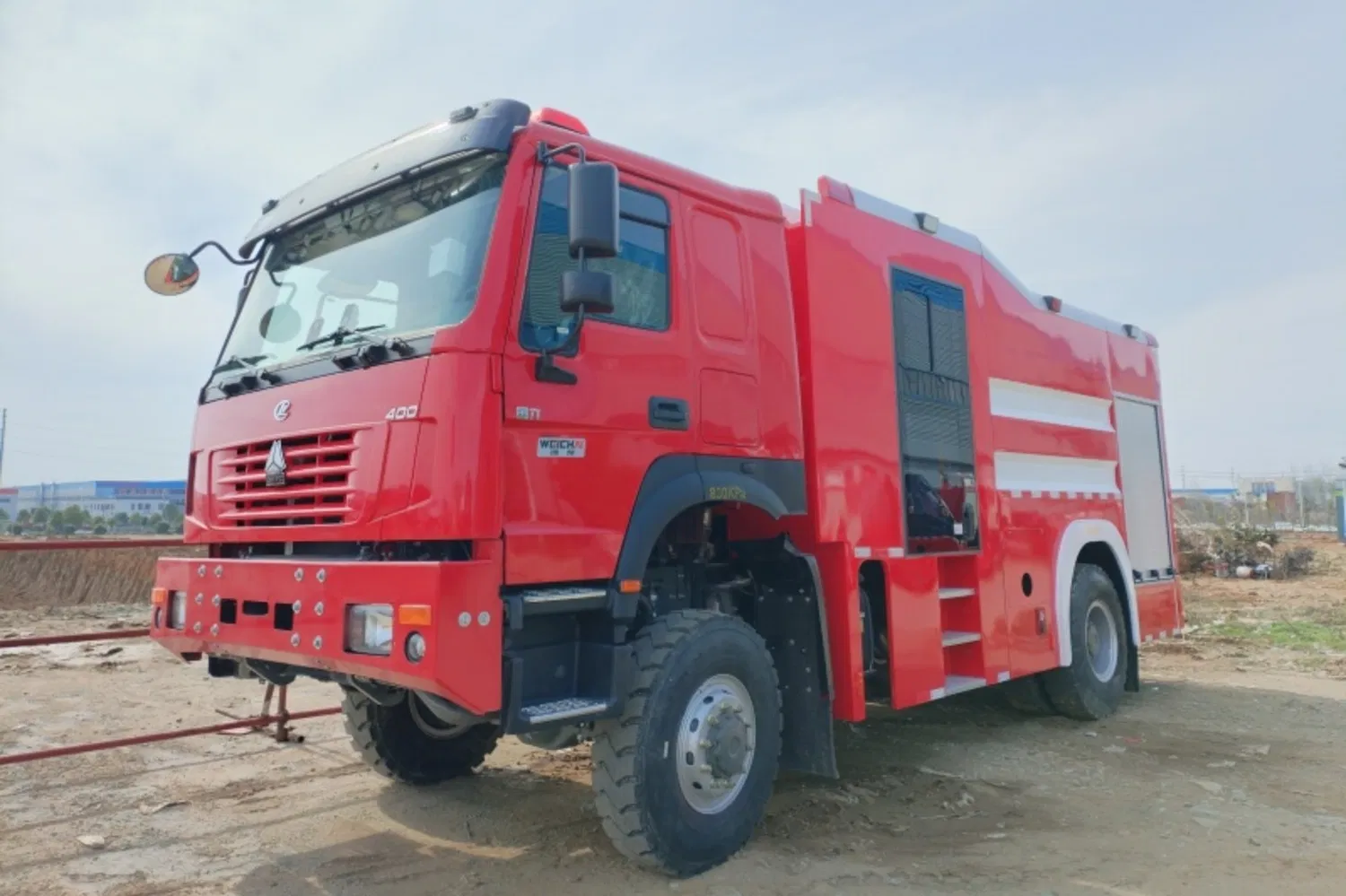
18,000 L Bulk Relay Water & Foam Tanker
|
Referencing EN 1846 & NFPA Clauses Without Over-Specifying
Public procurement laws generally require technical specifications to cite recognized international benchmarks—most commonly EN 1846 (European standard for firefighting and rescue service vehicles) or NFPA 1901 / NFPA 1900 (North American automotive fire apparatus standard). However, indiscriminately pasting "The entire vehicle must be 100% certified to both EN 1846 and NFPA 1901" into a municipal tender creates two severe risks:
- Contradictory Technical Requirements: EN 1846 (metric dimensions, 10 bar normal-pressure pump classes like FPN 10-3000, European electrical and axle rules) and NFPA 1901 (imperial GPM ratings at 150 psi, North American lighting/electrical protocols) contain conflicting structural rules. Requiring simultaneous dual certification makes compliance physically impossible.
- Budget Escalation and Zero-Bid Tenders: Formal third-party laboratory type-approval across every sub-component of EN 1846 or UL-listed NFPA compliance can double unit acquisition cost and limit eligible bidders to a handful of European or US assemblers with 12- to 18-month backlogs.
Best-Practice Drafting Approach: Instead of blanket certification language that triggers failed bids, specify the exact functional clauses you need—such as pump classification (e.g., performance aligned with EN 1028 FPN 10-3000), stability tilt-angle verification, corrosion-resistant tank construction, and ergonomic locker access—using phrasing like "designed and built in general conformity with EN 1846 functional safety and layout guidelines, or equivalent recognized national/international fire apparatus standard." Where a tender truly mandates third-party EN 1846 or NFPA certification (for example, ICAO airport crash tenders), explicitly separate that requirement and budget accordingly. For deeper clause examples, consult our standards in public vehicle tenders reference guide.
Mandatory Supplier Documents (MAF, Testing, Commissioning & Training)
Technical specifications only protect the procuring agency when backed by enforceable bid qualification and acceptance deliverables. Include a dedicated Schedule of Mandatory Submittals in your bidding documents requiring every bidder to provide:
- At Bid Submission Stage:
- Tender-Specific Manufacturer's Authorisation Form (MAF): Signed and stamped on factory letterhead, referencing the exact tender number, procuring entity, and model designation—preventing unauthorized brokers from bidding without factory backing.
- Point-by-Point Technical Compliance Matrix: A line-by-line table confirming "Comply / Exceed / Deviation" against every BoQ clause, accompanied by general arrangement (GA) dimensional drawings showing axle loads, wheelbase, and locker layout.
- Factory Quality & Reference Dossier: ISO 9001 quality management certificate, proof of specialized fire apparatus production experience (past delivery references for municipal or industrial brigades), and warranty commitment letter.
- Prior to Shipment (Factory Acceptance & Export Clearance):
- Hydrostatic & Pump Performance Test Reports: Signed factory test certificates verifying tank leak integrity under pressure, suction priming time at 7 m lift, and continuous rated pump discharge (minimum 1–2 hours) with zero overheating.
- Pre-Shipment Inspection (PSI) & Export Pack: SGS, Bureau Veritas, or Intertek inspection report (where required by national import rules), Certificate of Origin (CO), Commercial Invoice, Packing List, and full chassis VIN/engine number schedule.
- At Delivery & Commissioning:
- Bilingual/English Technical Manuals: Chassis operation and workshop manuals, superstructure electrical/hydraulic schematics, pump maintenance guide, and illustrated spare parts catalog with OEM part numbers.
- On-Site Crew Training & 2-Year Spares Kit: Structured 3- to 5-day hands-on training for drivers, pump operators, and fleet mechanics covering PTO engagement, vacuum priming, foam proportioner flushing, and troubleshooting, paired with a sealed 2-year preventive wear-parts package (mechanical seals, diaphragms, gauges, filters, belts, and roller-shutter springs).
Compliance & Drafting Note: Last updated November 2026. PublicSectorVehicles.com supplies fire apparatus built to buyer-specified tender clauses referencing EN 1846 or NFPA functional layouts; where formal third-party type-approval certificates are required, certifiable build options are confirmed in writing prior to bid submission.
Frequently Asked Questions
1. What size water tank does a municipal fire truck typically have?
Most municipal fire brigades specify 6,000 L to 8,000 L water tanks on 4x2 18-ton chassis as their primary city first-out apparatus. Dense narrow-street districts typically specify 3,000 L to 4,500 L compact trucks, while industrial estates, ports, and areas without pressurized hydrants specify 10,000 L to 18,000 L 6x4 or 8x4 water-foam tankers.
2. How should a tender committee objectively evaluate and select the best fire truck builder?
Rather than relying on brand names alone, tender committees should score bidders using a weighted technical evaluation grid: verifiable chassis/pump provenance (25%), full compliance with tank material, pump flow, and axle-load stability calculations (30%), proven export delivery references for similar public tenders (20%), spare parts availability and warranty commitment (15%), and factory testing plus on-site commissioning plans (10%).
3. Why do fire truck tenders fail or receive zero responsive bids?
The three leading causes of failed fire truck tenders are: (1) pairing an oversized tank with an undersized chassis GVW that violates axle limits; (2) mixing incompatible standards (such as demanding simultaneous EN 1846 and NFPA 1901 third-party certifications); and (3) copying proprietary dimensions from a single brand's brochure, which legally restricts competition and triggers bidder protests.
4. Should loose firefighting equipment be included in the same tender lot as the fire truck?
Yes, bundling the primary operational loose equipment (suction hoses, delivery hoses matching local hydrant couplings, nozzles, branchpipes, ladders, and SCBA sets) into Schedule B of the vehicle lot ensures custom mounting brackets are fabricated inside the lockers at the factory, preventing loose tools from rattling or causing injury during emergency response.
5. Can you review our draft fire truck BoQ before we publish the tender?
Yes. Procurement officers, municipal engineers, and registered contractors can request a complimentary technical sanity check covering chassis GVW balance, axle load distribution, tank-to-pump sizing, LHD/RHD chassis lead times, and editable reference specification sheets.
Download Fire Truck BoQ Clause Checklist or Request Tender Support
Request Tender Technical Schedule & Bid Support
Share your target vehicle capacity, steering side (LHD/RHD), destination port and tender timeline to receive model technical schedules, dimensional drawings and clause-by-clause bid support.
Request Bid Quotation & Technical Schedule | Review Tender Documents We Provide
Vehicle models to compare
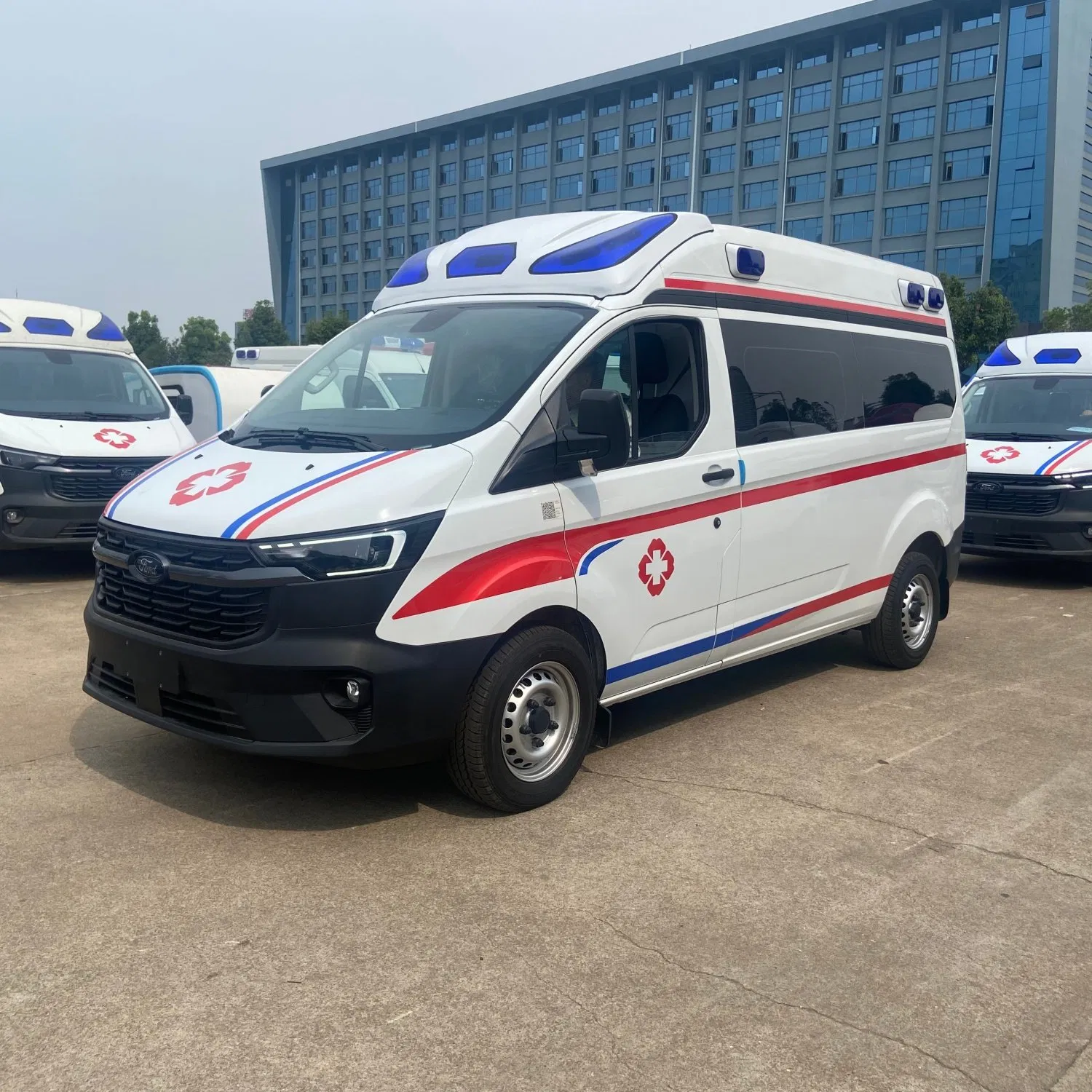
Patient Transport Ambulance CLW5030XJHCDP
The CLW5030XJHCDP is a patient transport ambulance built by Chengli Automobile Group for ministries of health, public hospitals and humanitarian NGOs. Its manufacturer record lists a 3,300 kg GVW class and 162 kW engine output. Right-hand-drive availability, final equipment fit-out and export documentation are confirmed per contract for government and donor-funded tenders.
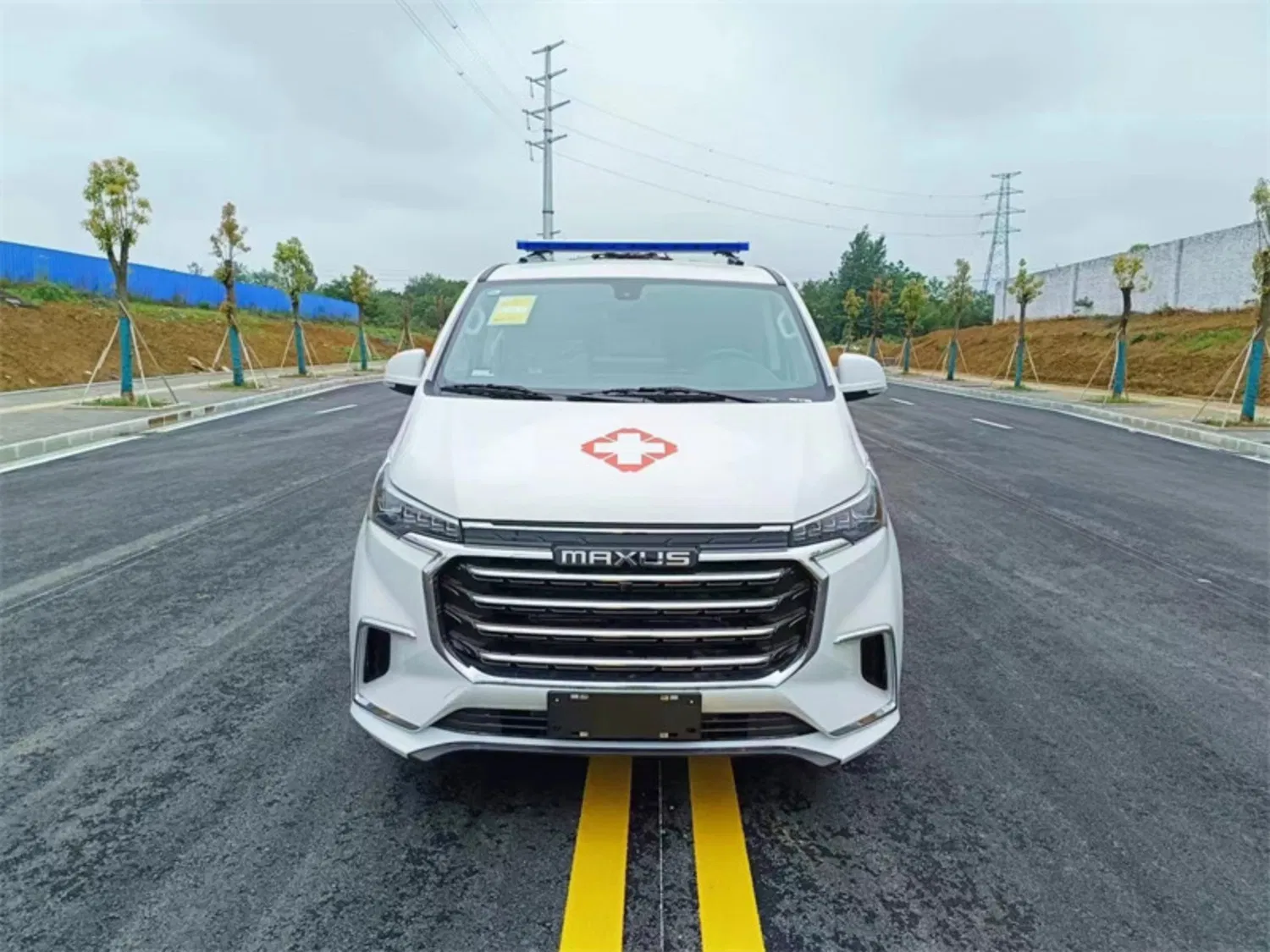
Patient Transport Ambulance CL5030XJH6AYS
The CL5030XJH6AYS is a 4x2 patient transport ambulance built by Chengli Automobile Group for ministries of health, public hospitals and humanitarian NGOs. Its manufacturer record lists a 2,900 kg GVW class and 186.4 kW engine output. Right-hand-drive availability, final equipment fit-out and export documentation are confirmed per contract for government and donor-funded tenders.
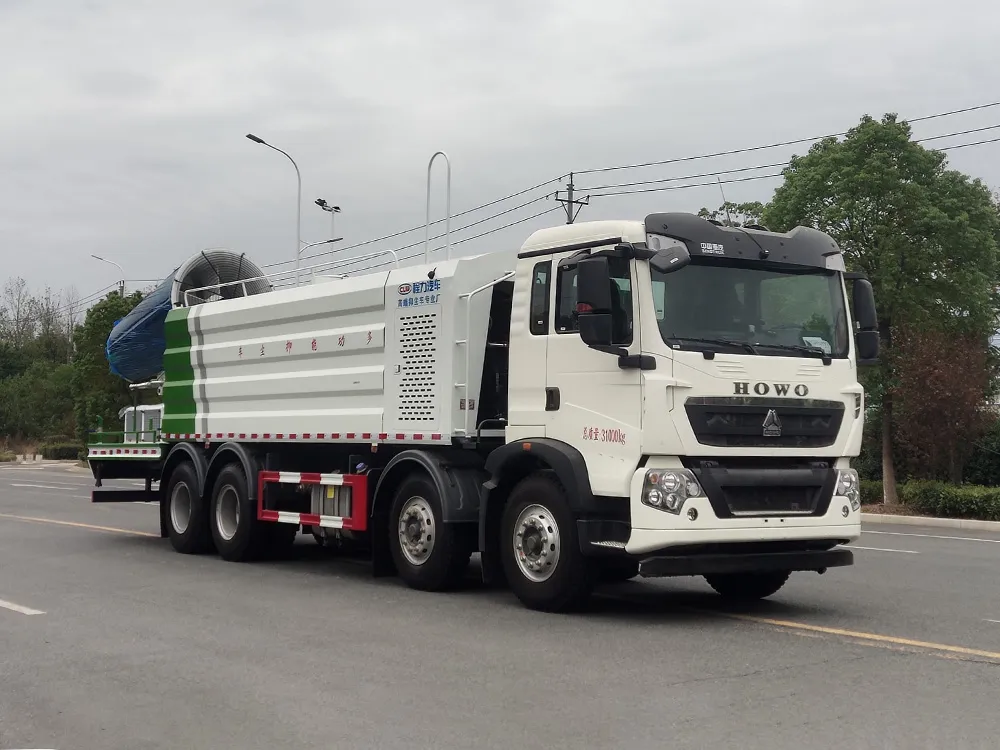
Dust Suppression Truck CL5310TDYZ6YC
The CL5310TDYZ6YC is a 8x4 Sinotruk-chassis dust suppression truck built by Chengli Automobile Group for city councils, municipal sanitation departments and public-works contractors. Its manufacturer record lists a 21 m³ key specification, a 31,000 kg GVW class and 257 kW engine output. Right-hand-drive availability, final equipment fit-out and export documentation are confirmed per contract for government and donor-funded tenders.
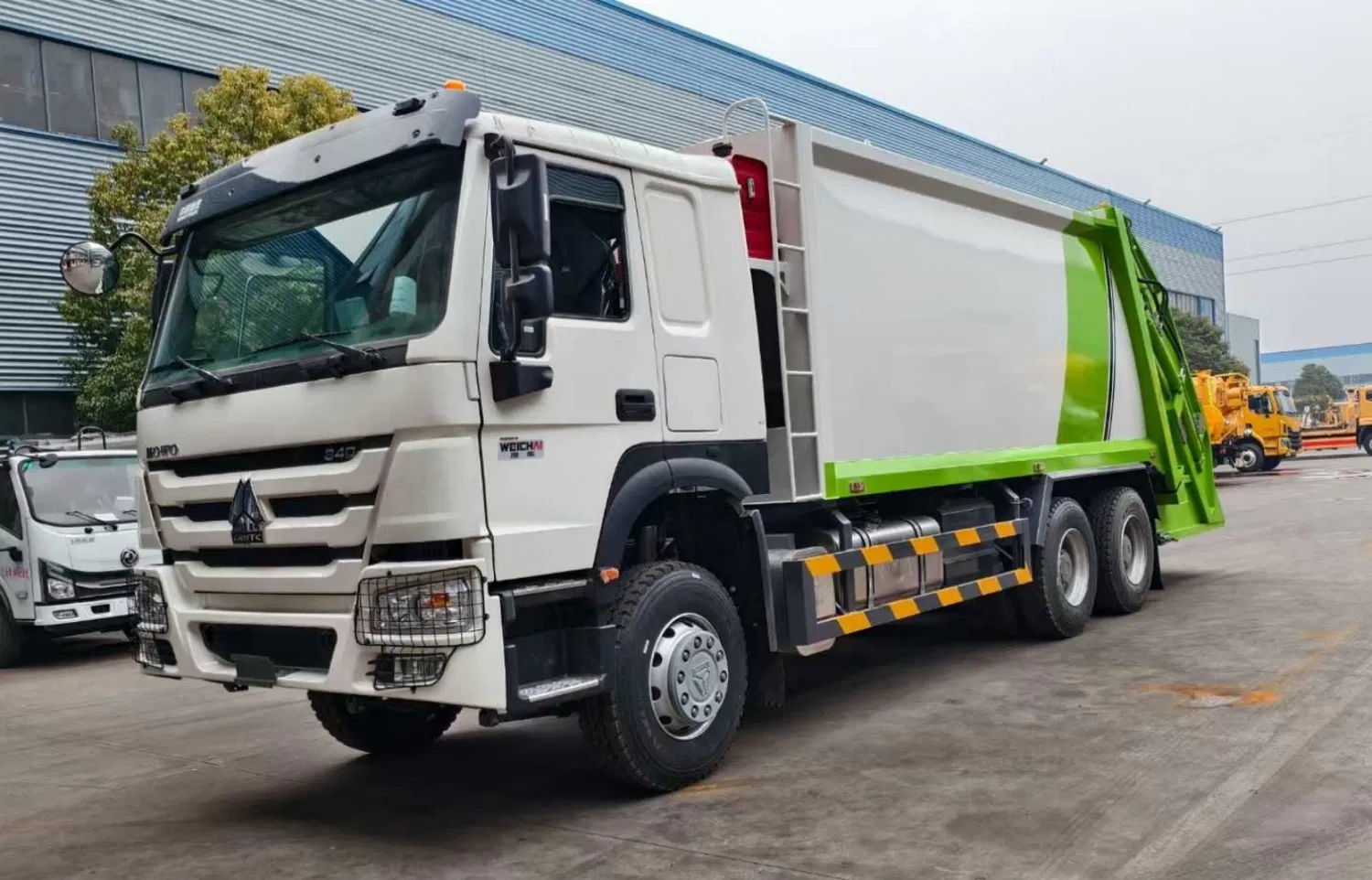
Refuse Compactor CLW5250ZYSAHJ
The CLW5250ZYSAHJ is a 6x4 refuse compactor built by Chengli Automobile Group for city councils, municipal sanitation departments and public-works contractors. Its manufacturer record lists a 20–23 m³ key specification and a 25,000 kg GVW class. Right-hand-drive availability, final equipment fit-out and export documentation are confirmed per contract for government and donor-funded tenders.
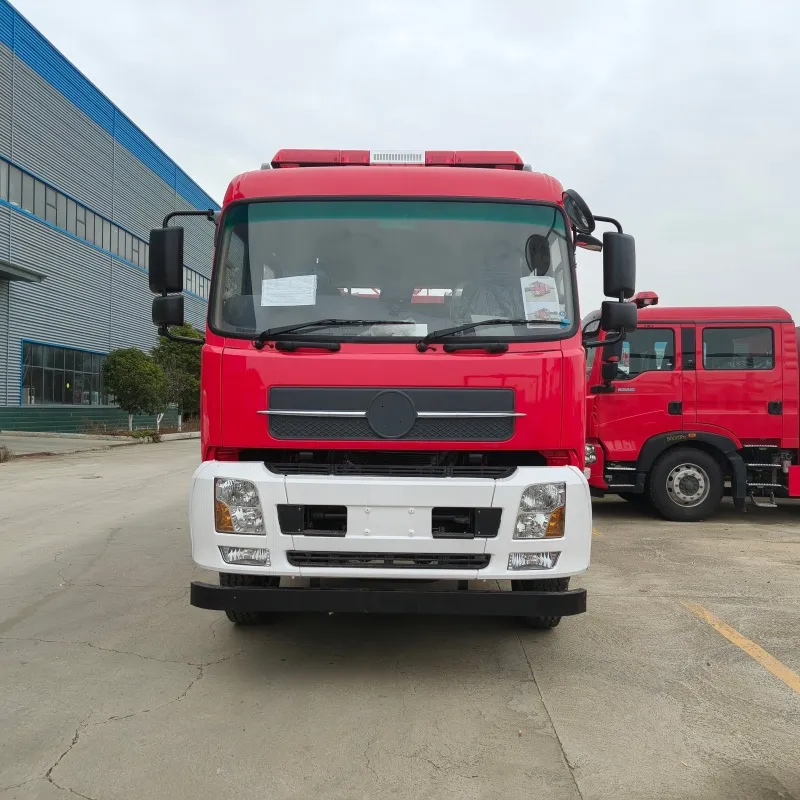
Foam Fire Truck CLW5190GXFPM50
The CLW5190GXFPM50 is a 4x2 foam fire truck built by Chengli Automobile Group for municipal fire brigades, civil defence agencies and industrial safety fleets. Its manufacturer record lists a 19,100 kg GVW class and 149.1 kW engine output. Right-hand-drive availability, final equipment fit-out and export documentation are confirmed per contract for government and donor-funded tenders.
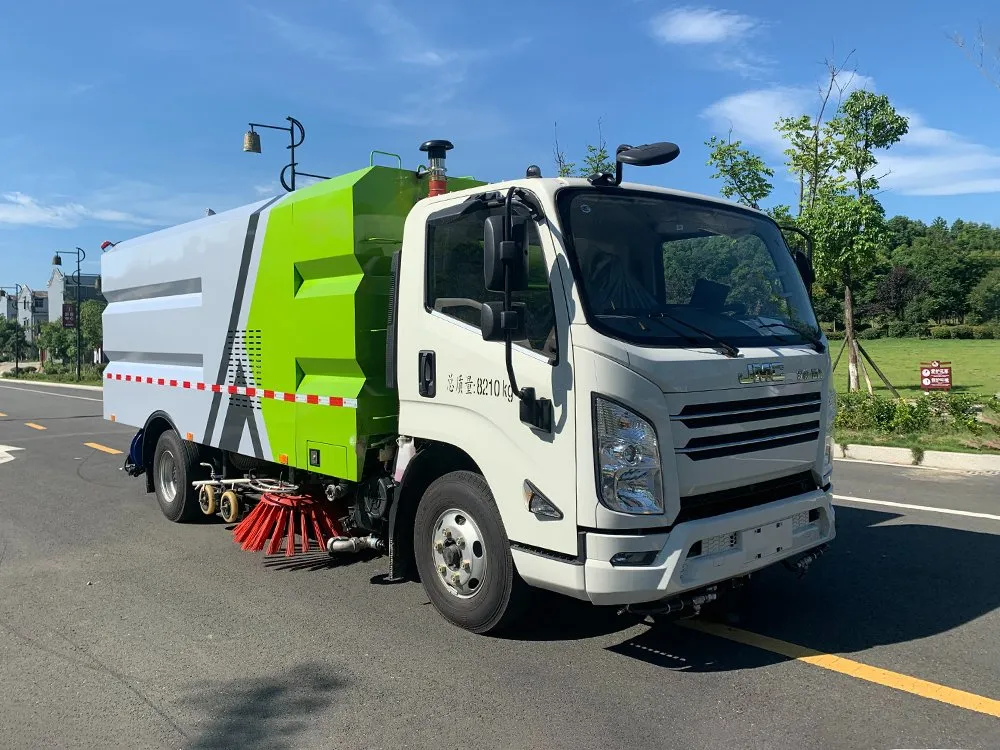
Washing-Sweeping Truck CLW5080TXSJ6
The CLW5080TXSJ6 is a 4x2 JMC-chassis washing-sweeping truck built by Chengli Automobile Group for city councils, municipal sanitation departments and public-works contractors. Its manufacturer record lists a 3 m cleaning width key specification, the JX1083TK26 chassis and a 8,210 kg GVW class. Right-hand-drive availability, final equipment fit-out and export documentation are confirmed per contract for government and donor-funded tenders.
TECHNICAL DOCUMENT REQUEST
Get the specification conversation started
Tell us your destination and vehicle requirement. PDF availability and the specification scope will be confirmed for the proposed model.