
Procurement guides
Water Tanker vs Foam Fire Truck: Which to Specify?
25 November 2026
Specify a water tanker fire truck when your response zone consists predominantly of Class A structural, residential, market, and vegetation fires where maximum water volume per capital dollar is the top priority; specify a foam fire truck whenever your jurisdiction includes fuel stations, hydrocarbon tank farms, chemical warehouses, aviation aprons, or commercial ports requiring Class B vapor suppression. While both apparatus types share similar chassis and centrifugal pump architectures, foam units add a dedicated corrosion-resistant 316L stainless steel concentrate tank, proportioning manifold, and dual-agent monitor that alter acquisition budget, payload balance, and post-incident maintenance routines.
Procurement Resources & Bid Support
Primary Action: Request Water vs. Foam Fire Truck Spec Matrix — Side-by-Side Technical Comparison & Tender Selection Worksheet (Requires: Email or WhatsApp, Country, Primary Hazard Profile)*
Secondary Action: Request Bid Quotation — Submit your tender BoQ for an itemized comparison of water vs. water-foam builds*
Side-by-Side Comparison: Water Tanker vs Foam Fire Truck
When procurement committees evaluate different fire truck types for a municipal or industrial tender, confusing single-agent water tenders with dual-agent water-foam apparatus either wastes capital budget on unused chemical piping or leaves firefighters unable to extinguish liquid hydrocarbon fires. Use the structured comparison below to match each apparatus class to its operational envelope.
| Comparison Dimension | Water Tanker Fire Truck (Single Agent) | Water & Foam Fire Truck (Dual Agent) | Heavy Industrial Foam Tender (High-Hazard) | Actions |
|---|---|---|---|---|
| Primary Fire Class | Class A (residential buildings, timber, markets, solid combustibles, brush) | Class A + Class B (structural fires, fuel stations, road tankers, light industrial) | Major Class B hydrocarbon & polar solvent fires (refineries, tank farms, ports) | View All Fire Trucks | Get Spec/Quote |
| Tank Architecture & Volume | Single baffled water compartment (3,000 L to 18,000 L) | Split dual-tank layout (e.g., 6,000 L water + 1,000–2,000 L foam, or 9,000 L + 3,000 L) | High-ratio foam split (e.g., 10,000–14,000 L water + 3,000–6,000 L foam concentrate) | View Water Models | Get Spec/Quote |
| Recommended Tank Material | Epoxy-lined carbon steel, 304 stainless steel, or PP composite | Water: 304 SS or epoxy steel; Foam tank: Mandatory 316L stainless steel or PP | 316L marine-grade stainless steel or heavy-wall PP for both tanks | View Foam Models | Get Spec/Quote |
| Proportioning & Monitor | Direct water pump + single-agent water monitor (30–80 L/s); optional portable foam eductor | Built-in around-the-pump negative-pressure or manual proportioner (3% / 6%) + dual water/foam monitor | Automatic balanced-pressure or electronic foam proportioning (1% / 3% / 6%) + electric remote monitor (60–100 L/s) | View Foam Models | Get Spec/Quote |
| Relative Capital Budget | 1.0x Baseline (Lowest cost per liter of carried extinguishing agent) | 1.18x – 1.30x over same-tonnage water tanker | 1.35x – 1.65x+ (High-flow 6x4/8x4 chassis + remote monitor + automatic mixer) | View Water Models | Get Spec/Quote |
| Maintenance & Post-Use Care | Minimal: drain pump, inspect strainers, refill tank | Moderate: mandatory clean-water flush of proportioner, valves & monitor after every foam discharge | Structured: flushing cycle, proportioner calibration checks, foam concentrate shelf-life rotation | View All Models | Get Spec/Quote |
Tank Partitioning, 316L Stainless Steel & Proportioning Systems
Understanding why a foam truck costs more—and where low-cost bids cut corners—requires looking closely at three internal engineering subsystems that separate durable foam fire trucks from standard water tankers.
1. Tank Partitioning and Center-of-Gravity Control
A standard water tanker fire truck carries one uniform liquid density (1.0 kg/L) inside longitudinally and transversely baffled compartments. A water-foam truck carries two physically isolated tanks (typically 80%–85% water and 15%–20% foam concentrate for municipal units, or 70% water and 30% foam for petrochemical units). Because foam concentrate is slightly denser (~1.03–1.10 kg/L) and cannot be allowed to contaminate the main water reserve during transit, the foam tank must be engineered with completely separate welds, independent vent/overflow relief valves, a dedicated fill manhole, and balanced positioning over the rear axle line so partial discharge does not destabilize cornering.
2. Why 316L Stainless Steel or PP Is Non-Negotiable for Foam Tanks
Class B firefighting foam concentrates—including AFFF, FFFP, alcohol-resistant AR-AFFF, and modern fluorine-free (F3) formulations—contain aggressive surfactants and chlorides that rapidly pit mild carbon steel and even strip standard interior epoxy coatings within 24 to 36 months. Once flakes of rusted coating detach, they clog proportioner orifices during an emergency. Every B2G tender specifying an onboard foam tank should explicitly require SUS 316L marine-grade stainless steel (minimum 3–4 mm wall thickness) or welded polypropylene (PP) copolymer for the foam compartment, paired with stainless steel or bronze foam-wetted valves and piping.
3. Proportioning System Tiers: Portable Eductor vs. Around-the-Pump vs. Automatic
- Portable Inline Foam Eductor (For Water Tankers): A municipal water tanker carrying four 25-liter jerrycans of foam concentrate and a handheld Venturi inline eductor can fight an isolated vehicle fire or small petrol spill without paying for a built-in foam tank. However, setup takes precious minutes and discharge flow is restricted to a single handline (~200–400 L/min).
- Around-the-Pump (ATP) Negative-Pressure Proportioner (Standard Municipal Foam Trucks): Uses a bypass Venturi loop tapping main pump discharge pressure to draw foam concentrate at selectable 3% or 6% ratios into the pump suction side. It is mechanically robust, affordable, and well-suited to municipal brigades with straightforward maintenance workshops.
- Balanced-Pressure / Electronic Direct-Injection Proportioning (Industrial & Port Tenders): Automatically meters 1%, 3%, or 6% concentrate accurately even when pump pressure fluctuates or multiple handlines and the roof monitor open simultaneously. Essential for refineries, tank farms, and high-viscosity alcohol-resistant foams.
Urban Fire Stations vs Fuel Depots, Ports & Industrial Zones
Procurement authorities often ask whether every truck in a municipal fleet should carry onboard foam. Operational data from municipal and industrial fire services shows a clear dividing line based on district hazard mapping:
- Dense Residential Districts, Rural Counties & Water-Relay Routes → Specify Water Tanker Fire Trucks: In neighborhoods without pressurized street hydrants, the primary bottleneck during a house, warehouse, or market fire is raw water volume. Converting 2,000 liters of an 8,000-liter tank into a foam cell reduces onboard Class A water capacity by 25%—forcing the crew to run dry faster during routine building fires. For rural counties, township posts, and secondary water-shuttle units, pure water tanker fire trucks carrying a portable 200 L/min foam eductor and 100 L of removable foam drums deliver far better day-to-day readiness.
- Highway Corridors, Mixed Commercial Cities & Fuel Stations → Specify Dual-Agent Municipal Water-Foam Trucks (80/20 Split): Modern city centers combine high-density residential blocks with retail petrol stations, diesel generator yards, and LPG/fuel tanker traffic. A 4x2 or 6x4 municipal apparatus configured with 6,000–9,000 L of water plus 1,000–2,000 L of foam concentrate acts as a versatile first-out responder capable of suppressing overturned fuel tankers before fire spreads into adjacent buildings.
- Refineries, Bulk Fuel Depots, Seaports & Industrial Free Zones → Specify Heavy Foam Fire Trucks (70/30 Split): Hydrocarbon pool fires cannot be extinguished with plain water—in fact, direct water streams spread burning fuel across concrete aprons and drains. Industrial brigades require heavy 6x4 or 8x4 foam fire trucks with 3,000–4,000 L of 316L foam storage, 60–100 L/s pumps, and electric remote-controlled monitors capable of laying a thick vapor-sealing foam blanket from 60 to 75 meters away.
Featured Water & Foam Apparatus for Public Tenders
Compare four production-ready configurations across our fire trucks range to align tank splits, chassis GVW, and monitor outputs with your tender requirements.
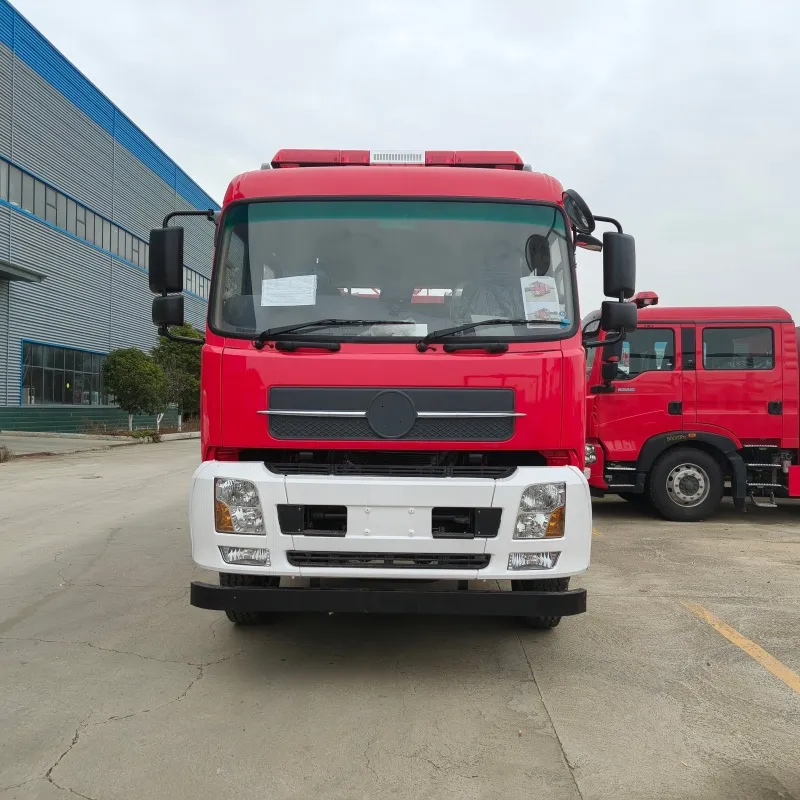
6,000 L Municipal Water Tanker Fire Truck
|
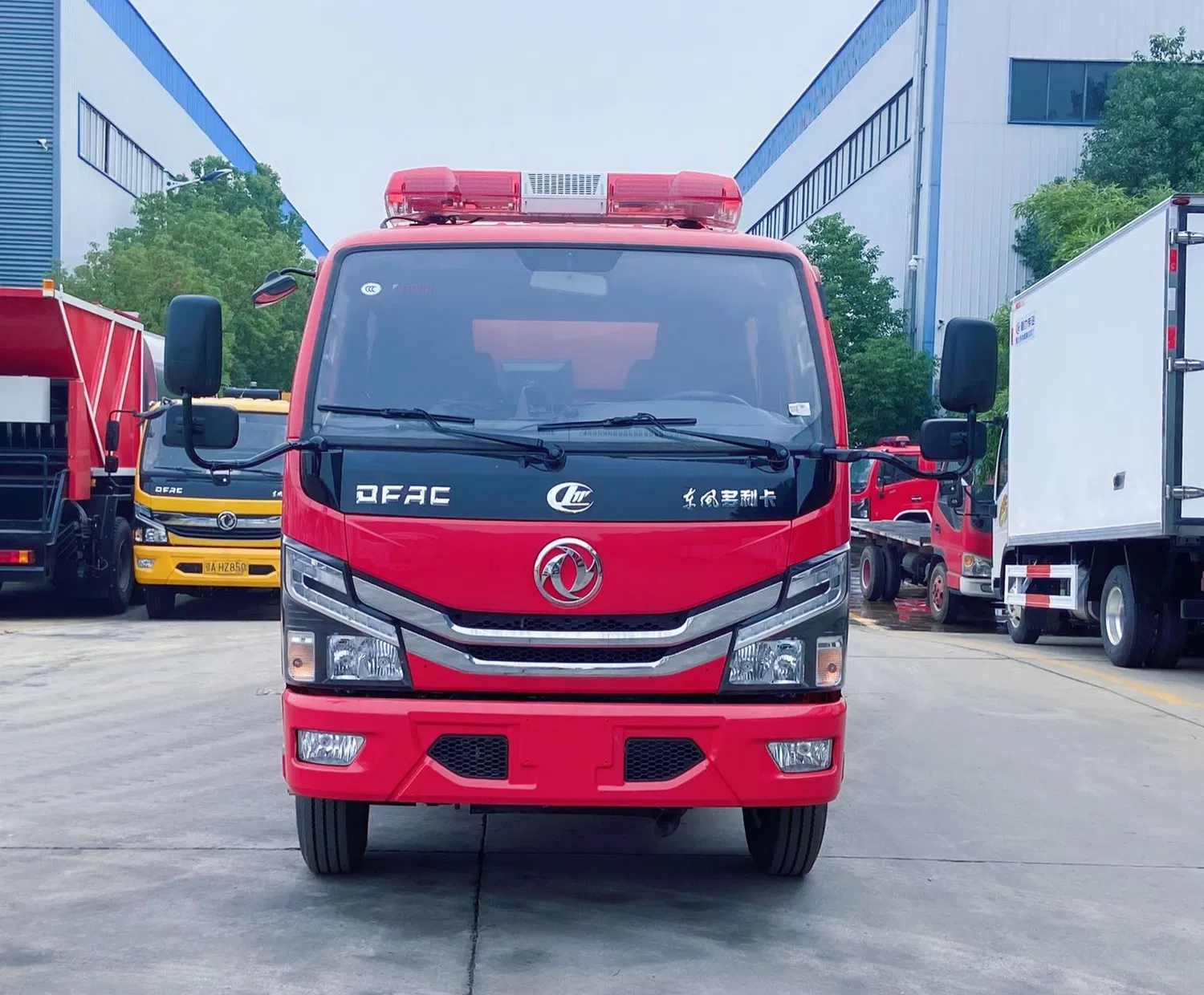
10,000 L Heavy Water Relay Fire Truck
|
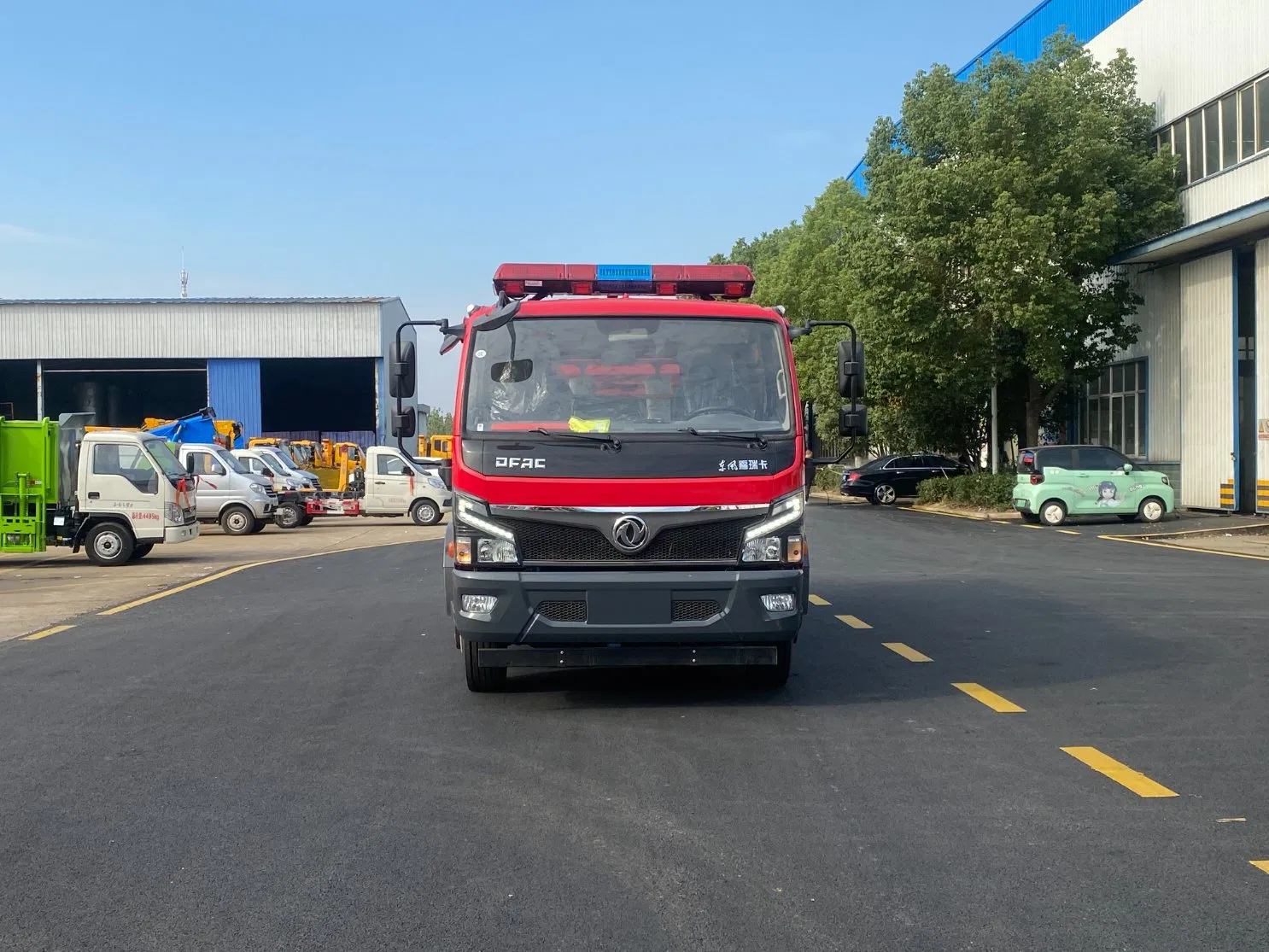
8,000 L Dual-Agent Municipal Water & Foam Truck
|
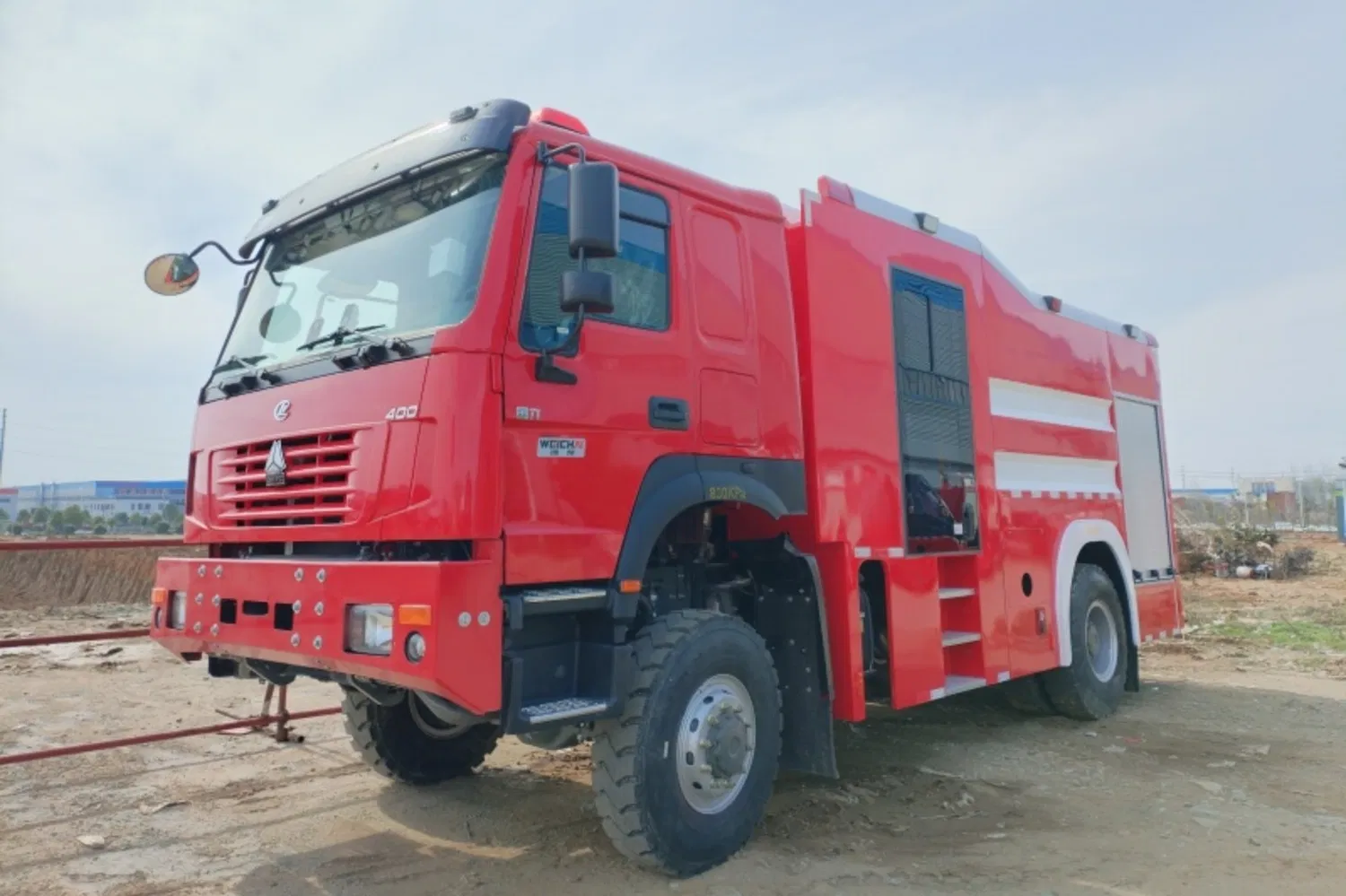
12,000 L Heavy Industrial Water & Foam Tender
|
Tender Compliance, Flushing Protocols & Spare Parts Verification
Whichever agent architecture your tender specifies, enforceable factory testing and after-sales documentation prevent premature corrosion and pump seizure during municipal service:
- Mandatory Tender & Export Submittals: Tender-specific Manufacturer's Authorisation Form (MAF), Certificate of Origin (CO), 316L stainless steel Mill Test Certificate (MTC) for foam tanks, factory hydrostatic pressure test reports, and witness-verified pump discharge and foam-proportioning refractometer calibration certificates. Pre-Shipment Inspection (SGS, Bureau Veritas, or Intertek) is coordinated prior to vessel loading.
- Standards & Engineering Alignment: Apparatus hydraulics, tank baffles, and control panel layouts are engineered in alignment with buyer-specified tender clauses referencing EN 1846 or NFPA 1901 functional guidelines upon request. Where third-party type-approval certificates are explicitly mandated in a tender, certifiable configurations are verified in writing prior to bid submission.
- Operator Training & Flushing Protocol: Foam fire truck deliveries include hands-on station commissioning covering proportioner metering checks and mandatory fresh-water flushing procedures after every foam operation—the single most effective step to prevent hardened concentrate from seizing metering valves. Recommended 2-year preventive spares kits cover mechanical pump seals, proportioner check valves, EPDM/Viton foam-resistant gaskets, pressure gauges, and hose couplings.
Compliance Note: Last updated November 2026. Tank splits, LHD/RHD chassis allocations, and foam proportioning ratios (1%/3%/6%) are customized per tender BoQ.
Frequently Asked Questions
1. What are the main fire truck types procured by municipal fire services?
Municipal fire services primarily procure four core apparatus types: water tanker fire trucks for Class A structural fires and low-hydrant areas, water-foam fire trucks for mixed urban and fuel-station hazards, emergency rescue tenders equipped with hydraulic extrication tools and lighting masts, and aerial ladder or water tower trucks for high-rise urban firefighting.
2. Can a water tanker fire truck fight a petrol or diesel fire?
Plain water alone cannot extinguish burning petrol or light diesel—it sinks below the fuel and spreads the flaming liquid. However, a standard water tanker equipped with a portable Venturi inline foam eductor and removable 25-liter foam drums can suppress small vehicle or localized fuel spills. For fuel depots, ports, or major highway fuel-tanker incidents, a dedicated built-in foam fire truck is required.
3. Why must the foam tank be built from 316L stainless steel instead of carbon steel?
Firefighting foam concentrates contain corrosive surfactants and salts that rapidly degrade mild carbon steel and peel standard epoxy tank linings. Fabricating the foam cell from SUS 316L stainless steel or heavy-wall polypropylene prevents rust particles from clogging proportioning valves and protects long-term structural tank integrity.
4. What is the standard water-to-foam tank ratio for municipal vs. industrial fire trucks?
For general municipal fire stations handling mostly building fires with occasional fuel incidents, a 4:1 to 6:1 water-to-foam ratio (such as 6,000 L water + 1,000–1,500 L foam) balances Class A endurance with rapid Class B readiness. For petrochemical plants, fuel tank farms, and ports, a 3:1 or 2.5:1 ratio (such as 9,000 L water + 3,000 L foam) supports sustained foam-blanket operations.
5. Should a new municipal fire station buy one water truck and one foam truck?
Yes. For a two-bay municipal station protecting both residential neighborhoods and commercial fuel corridors, deploying one high-volume water tanker alongside one dual-agent water-foam truck maximizes total water capacity for structural fires while maintaining immediate Class B foam capability without over-paying for redundant proportioning hardware on both units.
Download Water vs. Foam Spec Sheet or Request Bid Quotation
Request Tender Technical Schedule & Bid Support
Share your target vehicle capacity, steering side (LHD/RHD), destination port and tender timeline to receive model technical schedules, dimensional drawings and clause-by-clause bid support.
Request Bid Quotation & Technical Schedule | Review Tender Documents We Provide
Vehicle models to compare
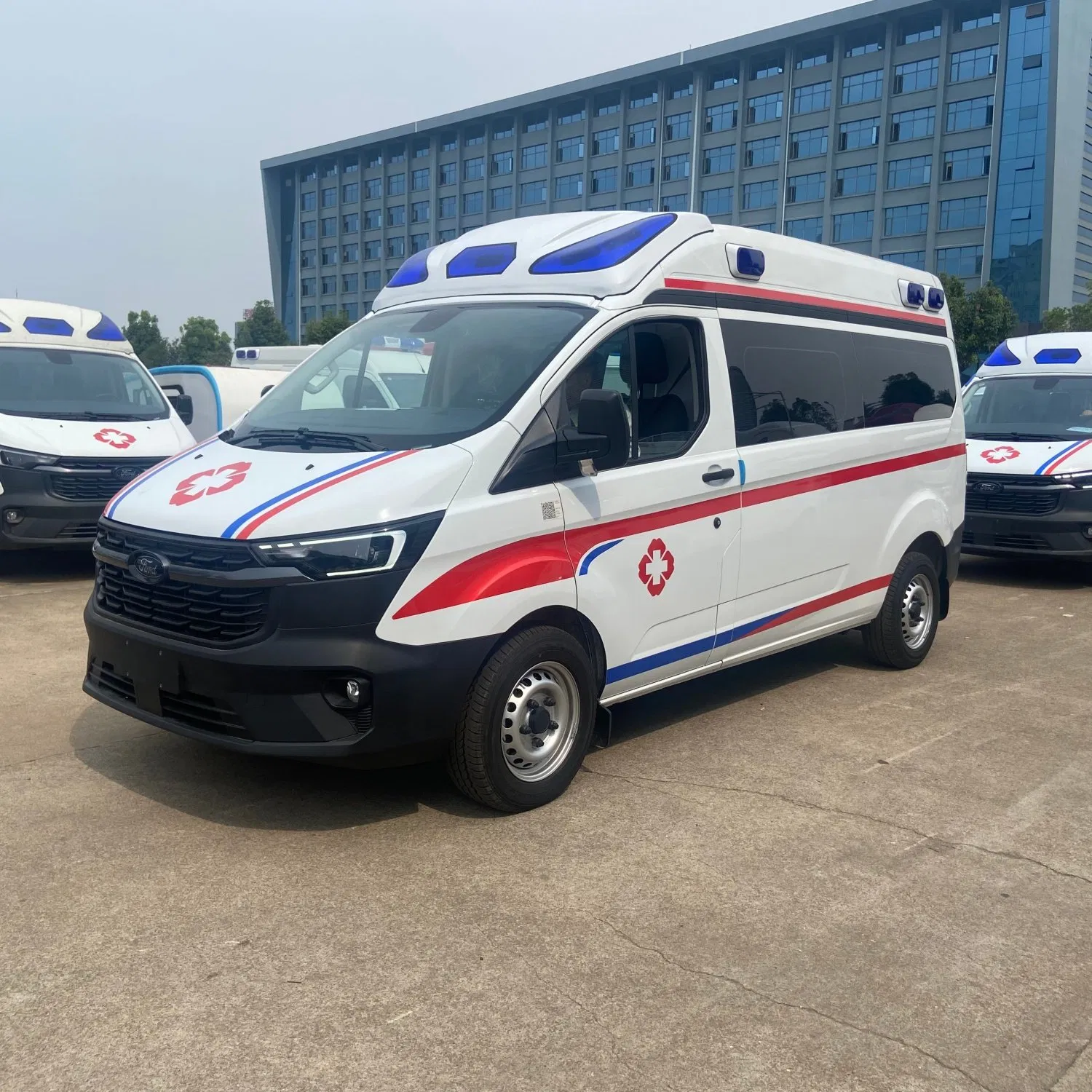
Patient Transport Ambulance CLW5030XJHCDP
The CLW5030XJHCDP is a patient transport ambulance built by Chengli Automobile Group for ministries of health, public hospitals and humanitarian NGOs. Its manufacturer record lists a 3,300 kg GVW class and 162 kW engine output. Right-hand-drive availability, final equipment fit-out and export documentation are confirmed per contract for government and donor-funded tenders.
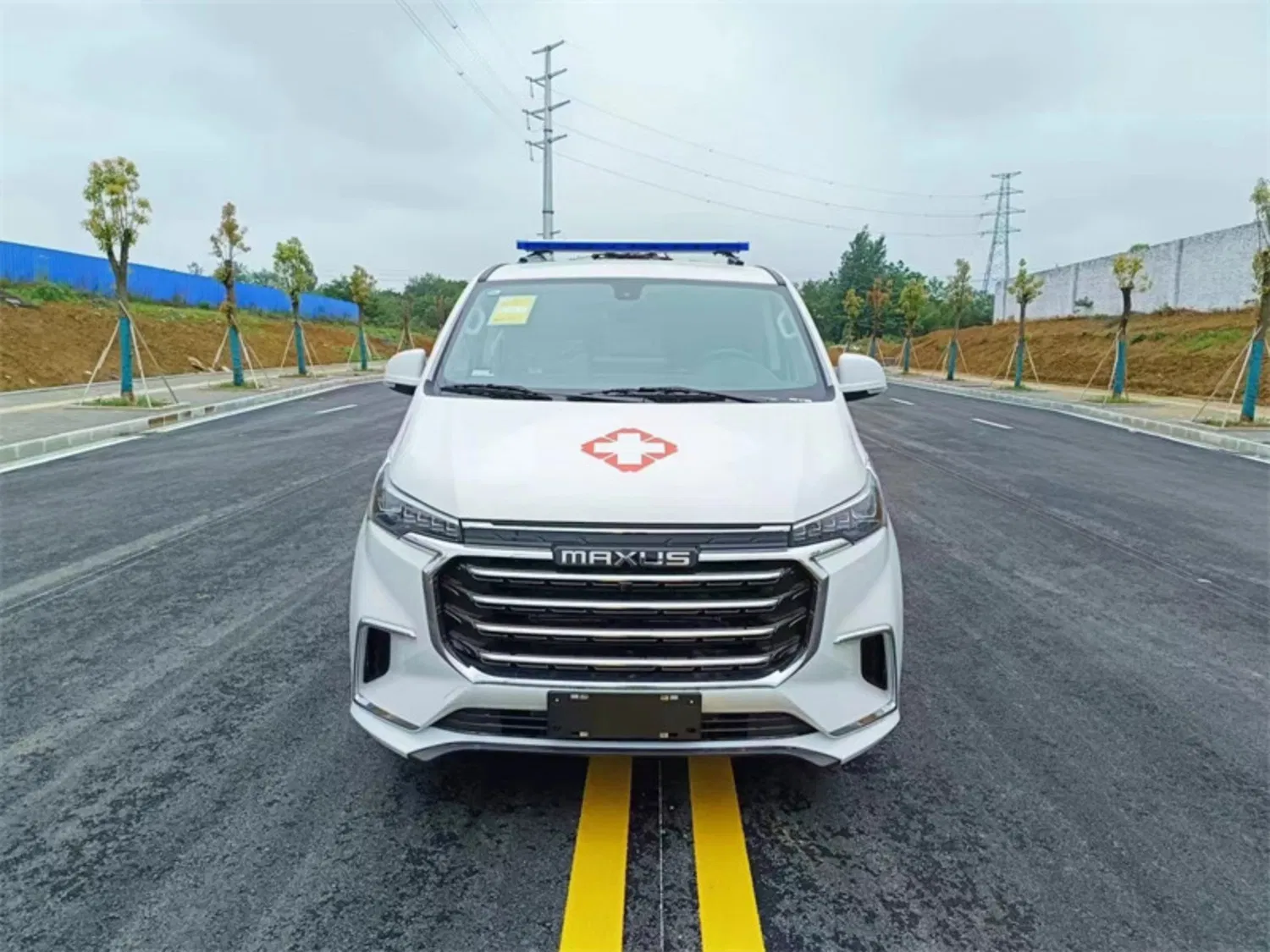
Patient Transport Ambulance CL5030XJH6AYS
The CL5030XJH6AYS is a 4x2 patient transport ambulance built by Chengli Automobile Group for ministries of health, public hospitals and humanitarian NGOs. Its manufacturer record lists a 2,900 kg GVW class and 186.4 kW engine output. Right-hand-drive availability, final equipment fit-out and export documentation are confirmed per contract for government and donor-funded tenders.
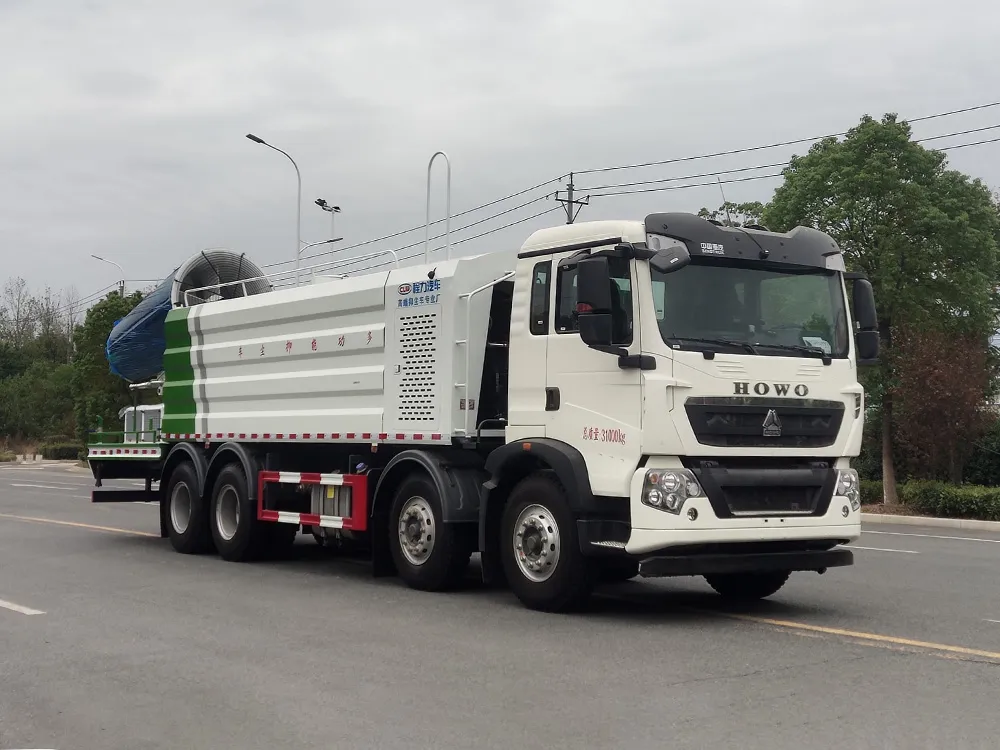
Dust Suppression Truck CL5310TDYZ6YC
The CL5310TDYZ6YC is a 8x4 Sinotruk-chassis dust suppression truck built by Chengli Automobile Group for city councils, municipal sanitation departments and public-works contractors. Its manufacturer record lists a 21 m³ key specification, a 31,000 kg GVW class and 257 kW engine output. Right-hand-drive availability, final equipment fit-out and export documentation are confirmed per contract for government and donor-funded tenders.
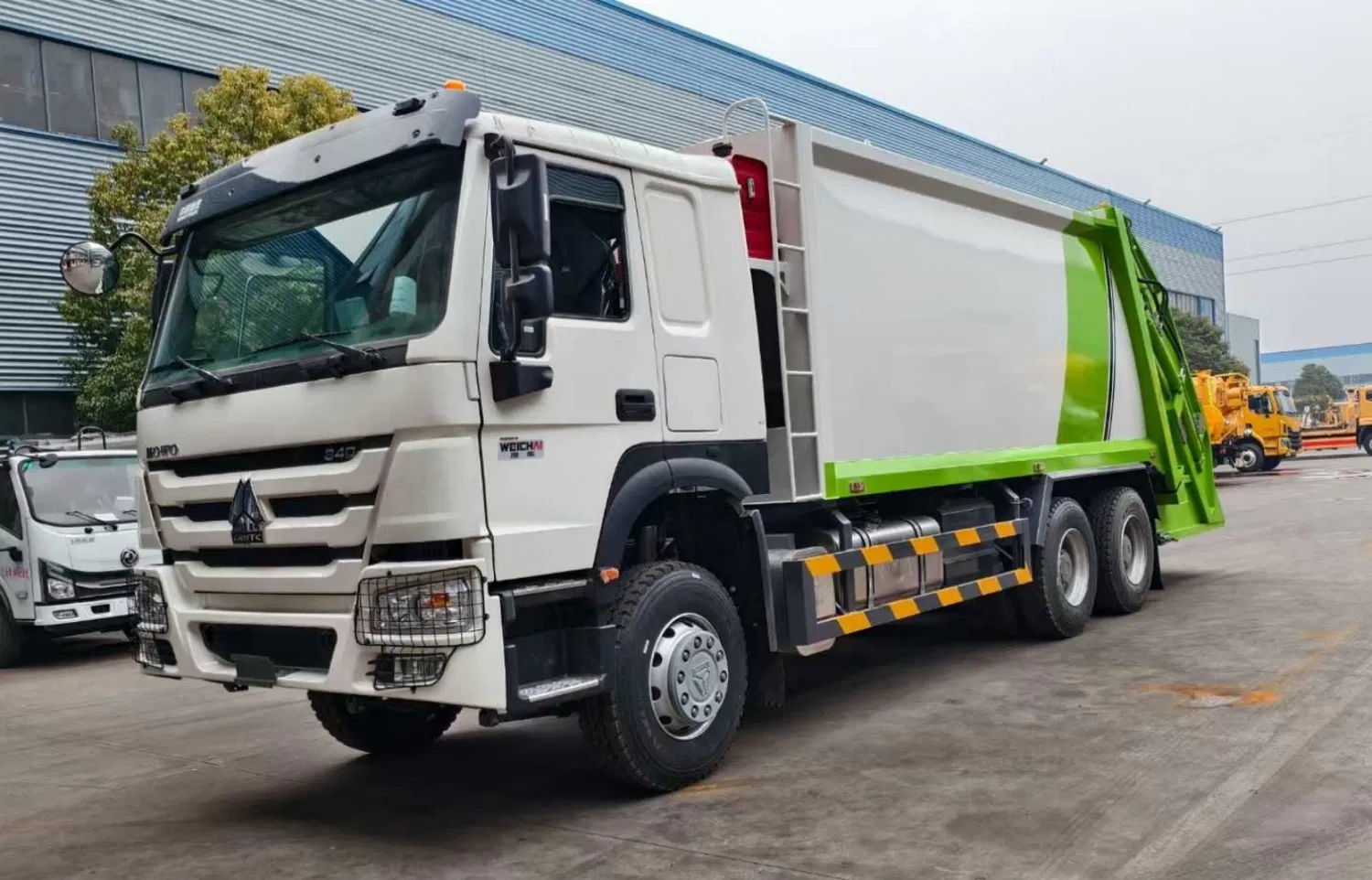
Refuse Compactor CLW5250ZYSAHJ
The CLW5250ZYSAHJ is a 6x4 refuse compactor built by Chengli Automobile Group for city councils, municipal sanitation departments and public-works contractors. Its manufacturer record lists a 20–23 m³ key specification and a 25,000 kg GVW class. Right-hand-drive availability, final equipment fit-out and export documentation are confirmed per contract for government and donor-funded tenders.
Foam Fire Truck CLW5190GXFPM50
The CLW5190GXFPM50 is a 4x2 foam fire truck built by Chengli Automobile Group for municipal fire brigades, civil defence agencies and industrial safety fleets. Its manufacturer record lists a 19,100 kg GVW class and 149.1 kW engine output. Right-hand-drive availability, final equipment fit-out and export documentation are confirmed per contract for government and donor-funded tenders.
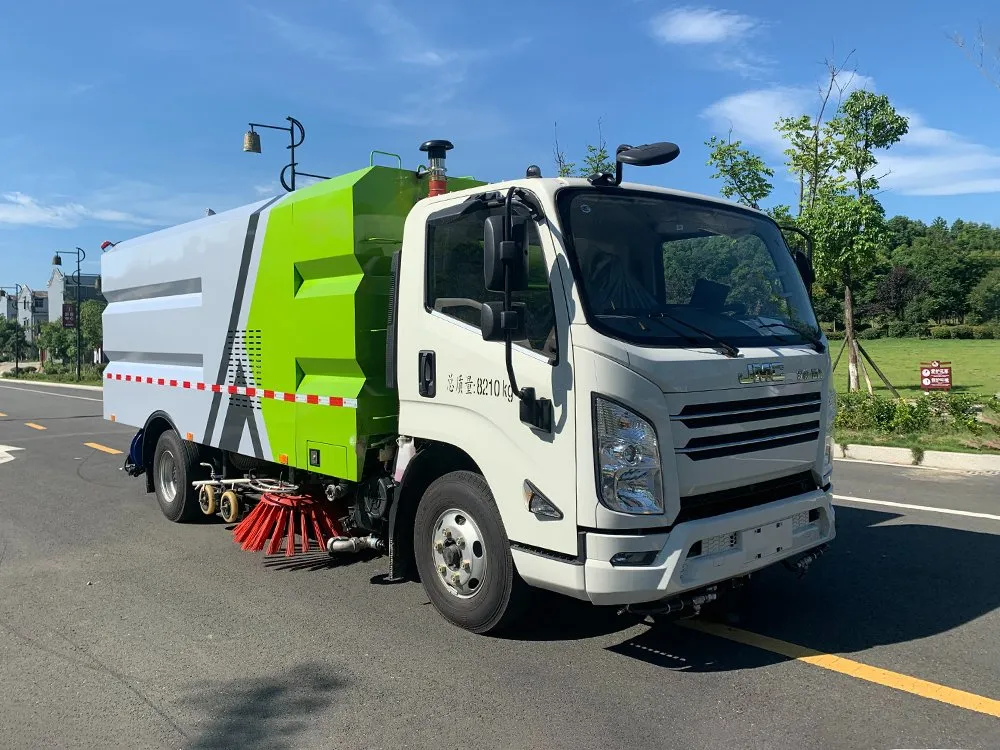
Washing-Sweeping Truck CLW5080TXSJ6
The CLW5080TXSJ6 is a 4x2 JMC-chassis washing-sweeping truck built by Chengli Automobile Group for city councils, municipal sanitation departments and public-works contractors. Its manufacturer record lists a 3 m cleaning width key specification, the JX1083TK26 chassis and a 8,210 kg GVW class. Right-hand-drive availability, final equipment fit-out and export documentation are confirmed per contract for government and donor-funded tenders.
TECHNICAL DOCUMENT REQUEST
Get the specification conversation started
Tell us your destination and vehicle requirement. PDF availability and the specification scope will be confirmed for the proposed model.