
PUBLIC FLEET PROCUREMENT
Plan a sanitation fleet around the collection round
A sanitation fleet should be planned around collection rounds and cleaning routes. Body volume matters, but loading time, legal payload, disposal queues and the distance back to the depot often determine how much work a vehicle can complete in a shift. Begin with a route survey and the containers already used by residents, businesses or collection crews.
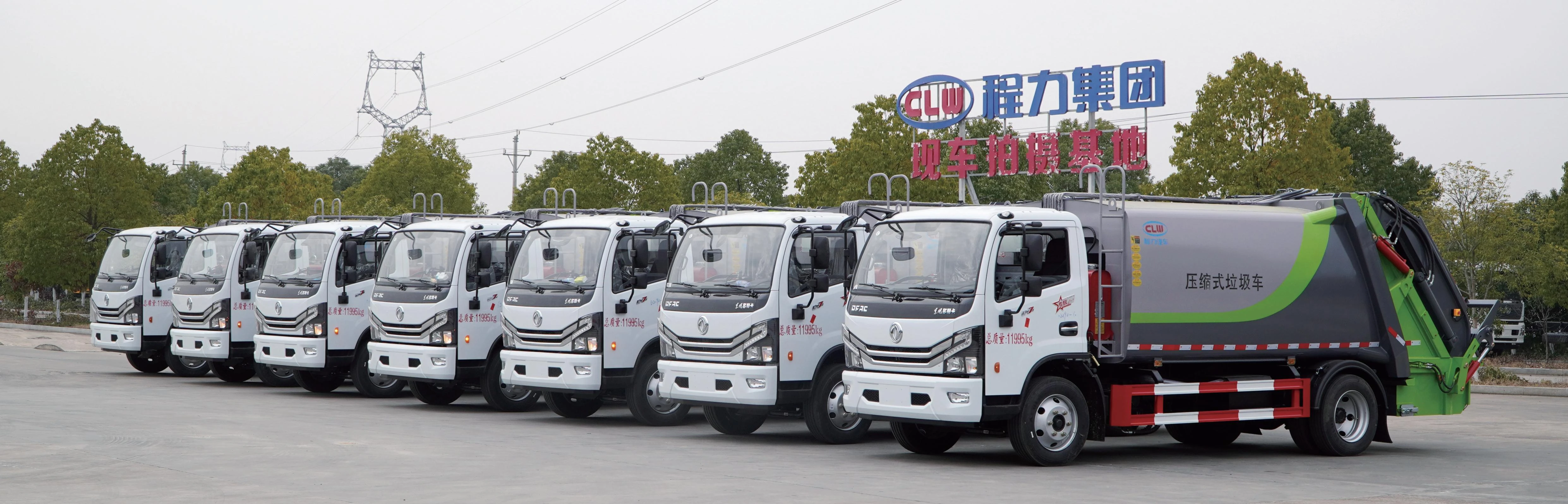
Match the vehicle to the collection method
| Duty | What to specify | How to assess the proposal |
|---|---|---|
| Bin collection with compaction | Container sizes, lifting interface, waste characteristics and crew position | Check the actual bin interface, body loading arrangement and usable payload |
| Container transfer | Container dimensions, attachment points, loaded mass and transfer-site access | Confirm chassis compatibility and the collection-to-disposal workflow |
| Street sweeping and washing | Road widths, debris type, water refill points and daily route length | Compare sweeping width, water use, hopper discharge and turning requirements |
| Water distribution and road washing | Working-water duty, spray arrangement, refill method and hose equipment | Review tank material, pump operation and access to service points |
Chengli manufactures refuse-collection and street-cleaning vehicles for different operating duties. Each offered vehicle is defined by its model, configuration and equipment schedule.
Calculate a working round before choosing body size
Record collection stops, travel time between stops, loading time and the full disposal round trip. Include time for queues, washing, refuelling and shift changes. A larger body can reduce disposal trips, but it must remain compatible with road access, axle loading and the density of the waste being collected.
For a mixed service area, separate narrow-access rounds from higher-volume routes. The fleet can then use different vehicle sizes while sharing a planned maintenance and parts system. Do not make one oversized vehicle responsible for every route if it cannot reach the collection points.
Specify the depot and maintenance package
- Confirm parking space, workshop access, wash-down arrangements and water supply.
- Identify the hydraulic, electrical, pump and lifting components that the local team will service.
- Request an initial list of filters, seals, hoses, switches and other model-specific service parts.
- Include operator instruction for loading, unloading, daily checks and safe isolation before maintenance.
Turn the route survey into an acceptance plan
Ask for the agreed container interface and working equipment to be demonstrated before dispatch. At handover, reconcile the vehicle identification, loose tools, manuals and parts package against the contract inventory. Plan a supervised operating round so the buyer's team can check the service workflow with the supplied configuration.
Illustrative municipal sanitation fleet mix (baseline planning example)
The allocation below illustrates how a mid-sized municipality typically combines compactors, container trucks and sweepers rather than relying on one vehicle size for every district. Exact quantities must be sized against local waste generation (kg/person/day), shift hours and landfill round-trip time.
| District zone | Recommended vehicle type | Typical capacity tier | Operational rationale |
|---|---|---|---|
| Old town & narrow markets | Compact refuse compactor / food waste truck | 5–8 m³ (4x2 light/medium) | Short wheelbase navigates tight alleys and wet market waste |
| Primary residential wards | Standard rear-loading refuse compactor | 12–18 m³ (4x2 / 6x4) | Balances high compaction payload with legal axle limits |
| Bulk transfer & construction points | Hook-lift or skip-loader truck | Multi-bin roll-on/roll-off | One truck services multiple stationary containers per shift |
| Main avenues & commercial corridors | Road sweeper & washing-sweeping truck | 6–18 t GVW class | Combines vacuum debris capture with high-pressure dust control |
Published sanitation models for municipal fleet tenders
The models below are published in our current catalog with manufacturer specifications and can be used as baseline references when preparing tender technical schedules or requesting formal quotations:
| Model code | Vehicle role | Key listed parameters | Specification page |
|---|---|---|---|
| CL5045ZYS6AHQ | Compact Refuse Compactor (5.8 m³) | 4x2 | narrow urban streets & markets | View specifications |
| CLW5181ZYS6 | Heavy Municipal Refuse Compactor (18 t GVW) | 4x2 | high-density municipal collection rounds | View specifications |
| CL5120ZXX6GH | Dongfeng Hook-Lift Container Truck | 4x2 | multi-bin transfer station logistics | View specifications |
| CLW5161ZBST5 | Heavy Skip Loader Truck | 4x2 | bulk markets & construction debris skips | View specifications |
| CLW5180TCA6 | Dongfeng Food Waste Collection Truck | 4x2 | sealed organic & market waste collection | View specifications |
| CLW5182TXSZ6 | Sinotruk Washing-Sweeping Truck (18 t) | 4x2 | high-pressure road washing & vacuum sweeping | View specifications |
City sanitation fleet FAQs
How do we choose between compactors, hook lifts and skip loaders?
Use rear-loading compactors for door-to-door or wheeled-bin residential routes, hook lifts for high-volume transfer stations with detachable roll-on containers, and skip loaders for open markets or dense rubble skips.
Can bin-lifter mechanisms match our city's existing 240 L / 1,100 L bins?
Yes. Specify your exact wheeled-bin standards (such as 120 L, 240 L, 660 L or 1,100 L EN 840 bins) in the enquiry so the rear hopper lifter arms and comb bars are matched before manufacturing.
What spare parts should be bundled with a new sanitation fleet?
Bundle hydraulic seals, compaction slide blocks, PTO kits, sweeper brooms, suction hoses and chassis service filters for the first 12–24 months; factory spare parts remain supported for at least 5 years.
Vehicle models to compare
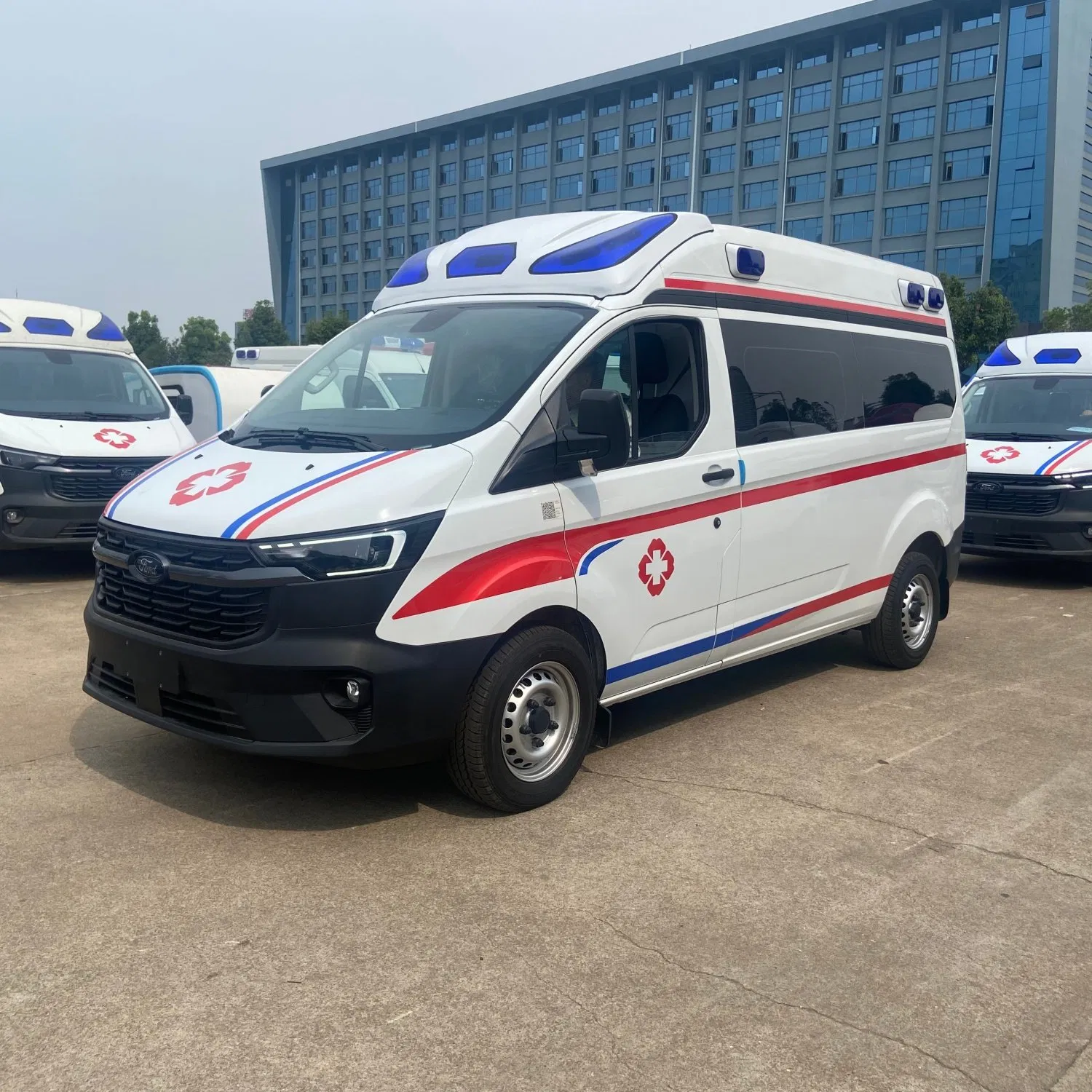
Patient Transport Ambulance CLW5030XJHCDP
The CLW5030XJHCDP is a patient transport ambulance built by Chengli Automobile Group for ministries of health, public hospitals and humanitarian NGOs. Its manufacturer record lists a 3,300 kg GVW class and 162 kW engine output. Right-hand-drive availability, final equipment fit-out and export documentation are confirmed per contract for government and donor-funded tenders.
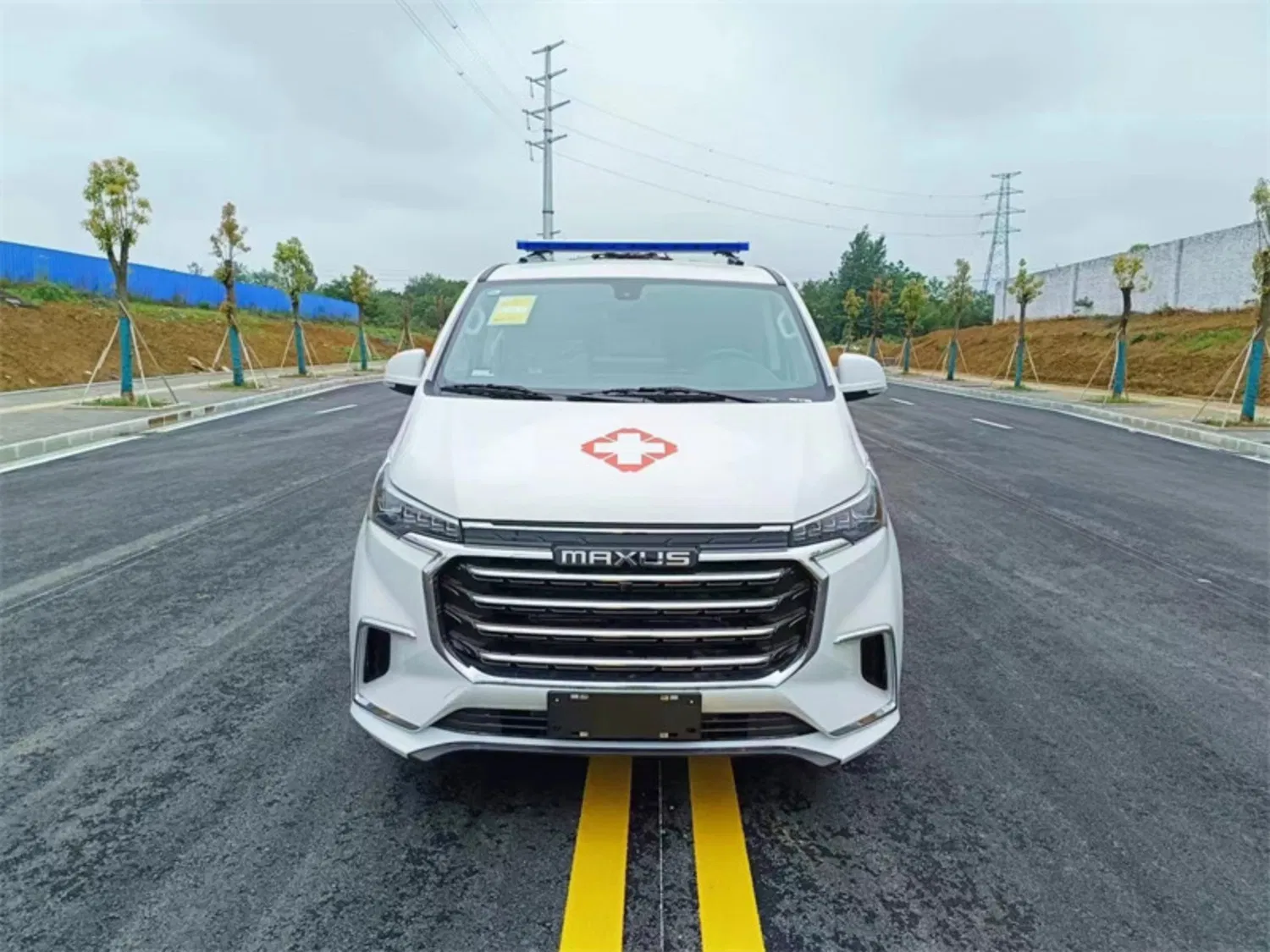
Patient Transport Ambulance CL5030XJH6AYS
The CL5030XJH6AYS is a 4x2 patient transport ambulance built by Chengli Automobile Group for ministries of health, public hospitals and humanitarian NGOs. Its manufacturer record lists a 2,900 kg GVW class and 186.4 kW engine output. Right-hand-drive availability, final equipment fit-out and export documentation are confirmed per contract for government and donor-funded tenders.
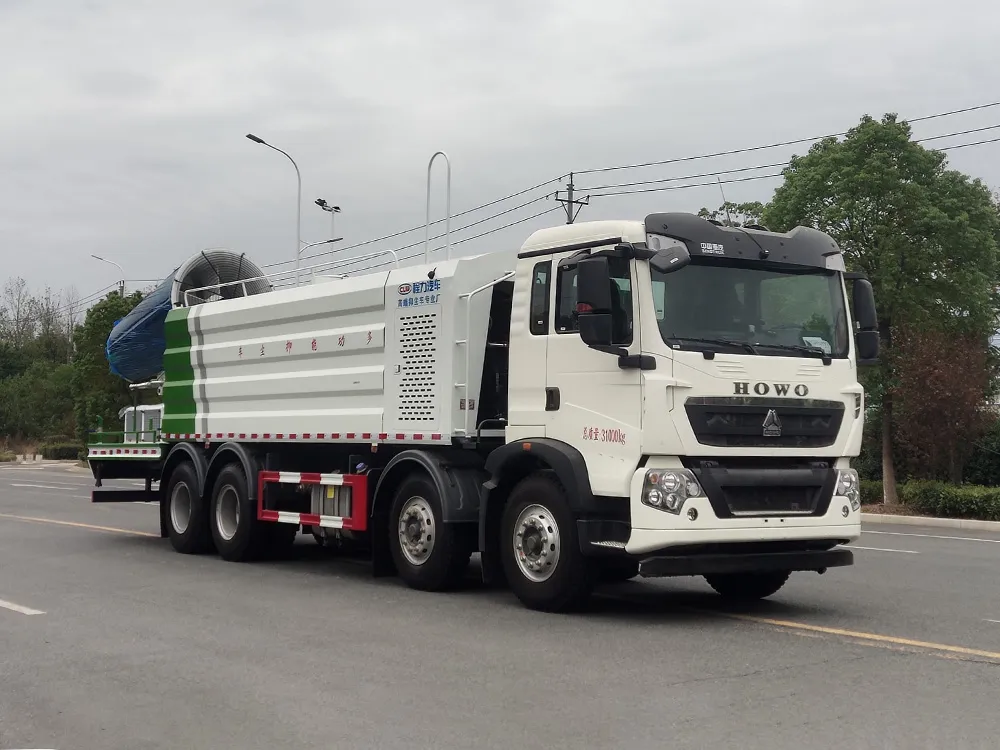
Dust Suppression Truck CL5310TDYZ6YC
The CL5310TDYZ6YC is a 8x4 Sinotruk-chassis dust suppression truck built by Chengli Automobile Group for city councils, municipal sanitation departments and public-works contractors. Its manufacturer record lists a 21 m³ key specification, a 31,000 kg GVW class and 257 kW engine output. Right-hand-drive availability, final equipment fit-out and export documentation are confirmed per contract for government and donor-funded tenders.
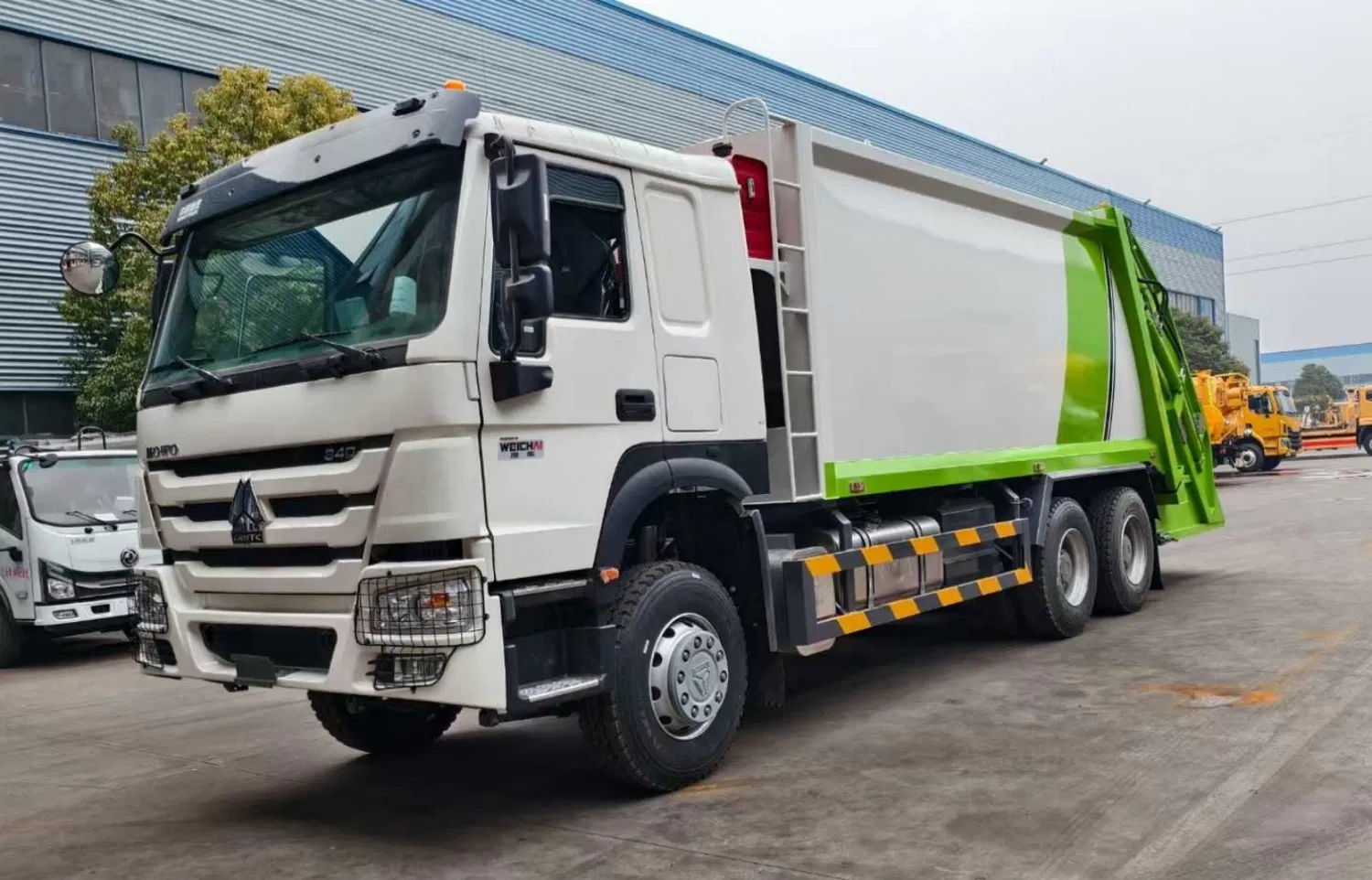
Refuse Compactor CLW5250ZYSAHJ
The CLW5250ZYSAHJ is a 6x4 refuse compactor built by Chengli Automobile Group for city councils, municipal sanitation departments and public-works contractors. Its manufacturer record lists a 20–23 m³ key specification and a 25,000 kg GVW class. Right-hand-drive availability, final equipment fit-out and export documentation are confirmed per contract for government and donor-funded tenders.
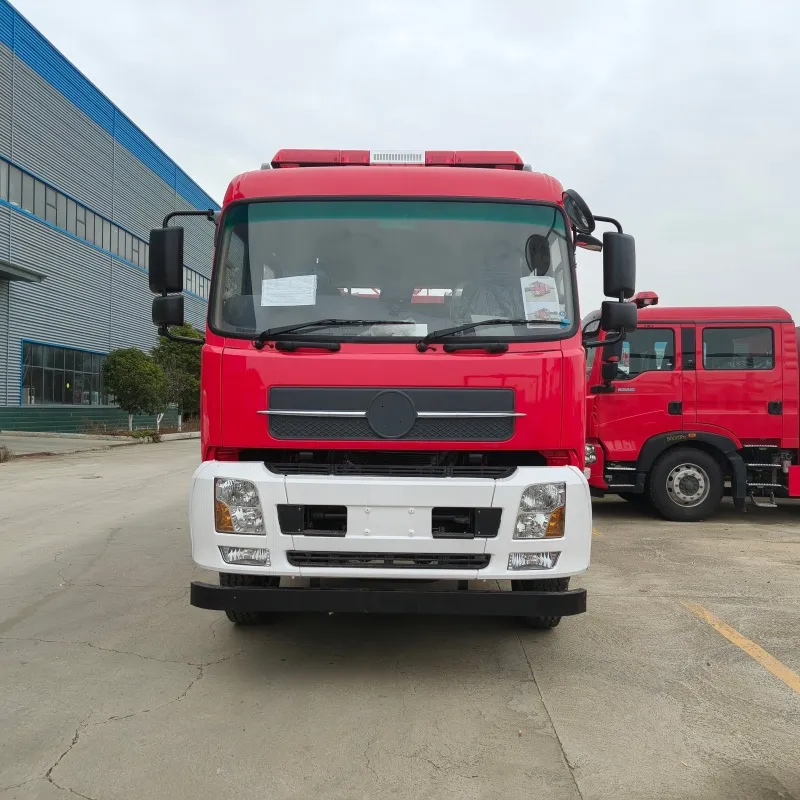
Foam Fire Truck CLW5190GXFPM50
The CLW5190GXFPM50 is a 4x2 foam fire truck built by Chengli Automobile Group for municipal fire brigades, civil defence agencies and industrial safety fleets. Its manufacturer record lists a 19,100 kg GVW class and 149.1 kW engine output. Right-hand-drive availability, final equipment fit-out and export documentation are confirmed per contract for government and donor-funded tenders.
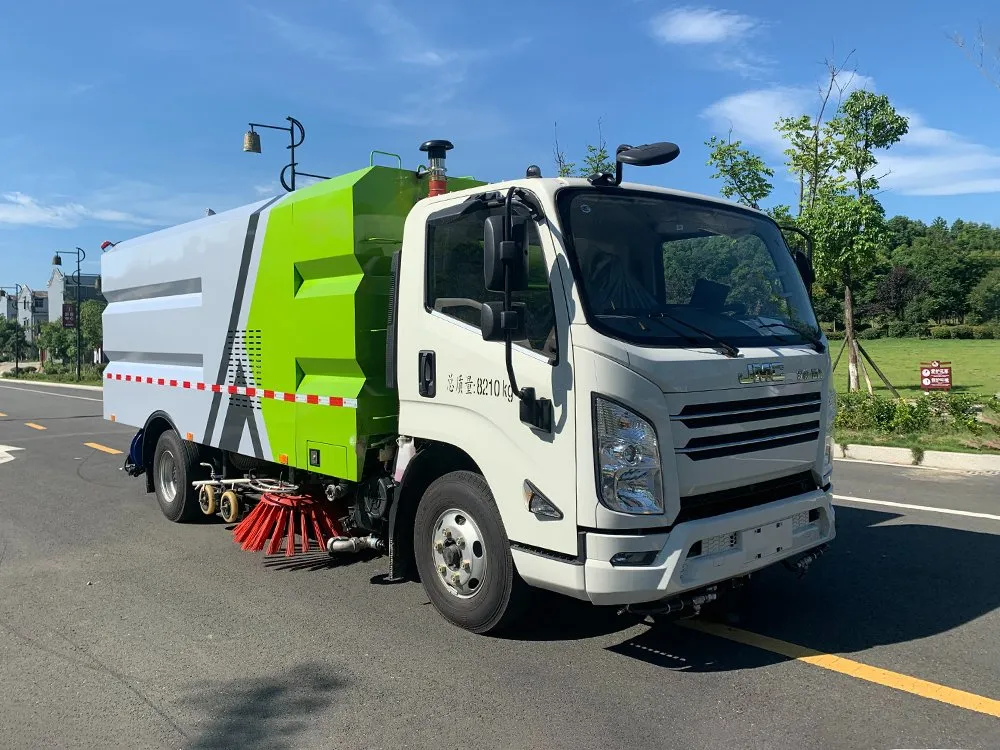
Washing-Sweeping Truck CLW5080TXSJ6
The CLW5080TXSJ6 is a 4x2 JMC-chassis washing-sweeping truck built by Chengli Automobile Group for city councils, municipal sanitation departments and public-works contractors. Its manufacturer record lists a 3 m cleaning width key specification, the JX1083TK26 chassis and a 8,210 kg GVW class. Right-hand-drive availability, final equipment fit-out and export documentation are confirmed per contract for government and donor-funded tenders.
TECHNICAL DOCUMENT REQUEST
Get the specification conversation started
Tell us your destination and vehicle requirement. PDF availability and the specification scope will be confirmed for the proposed model.