
PUBLIC FLEET PROCUREMENT
Plan delivery, inspection and operator training
Delivery is a sequence of production, inspection, dispatch and handover activities. Training and documentation should be planned alongside those milestones so the receiving team knows how the supplied vehicle and working equipment will be brought into service.
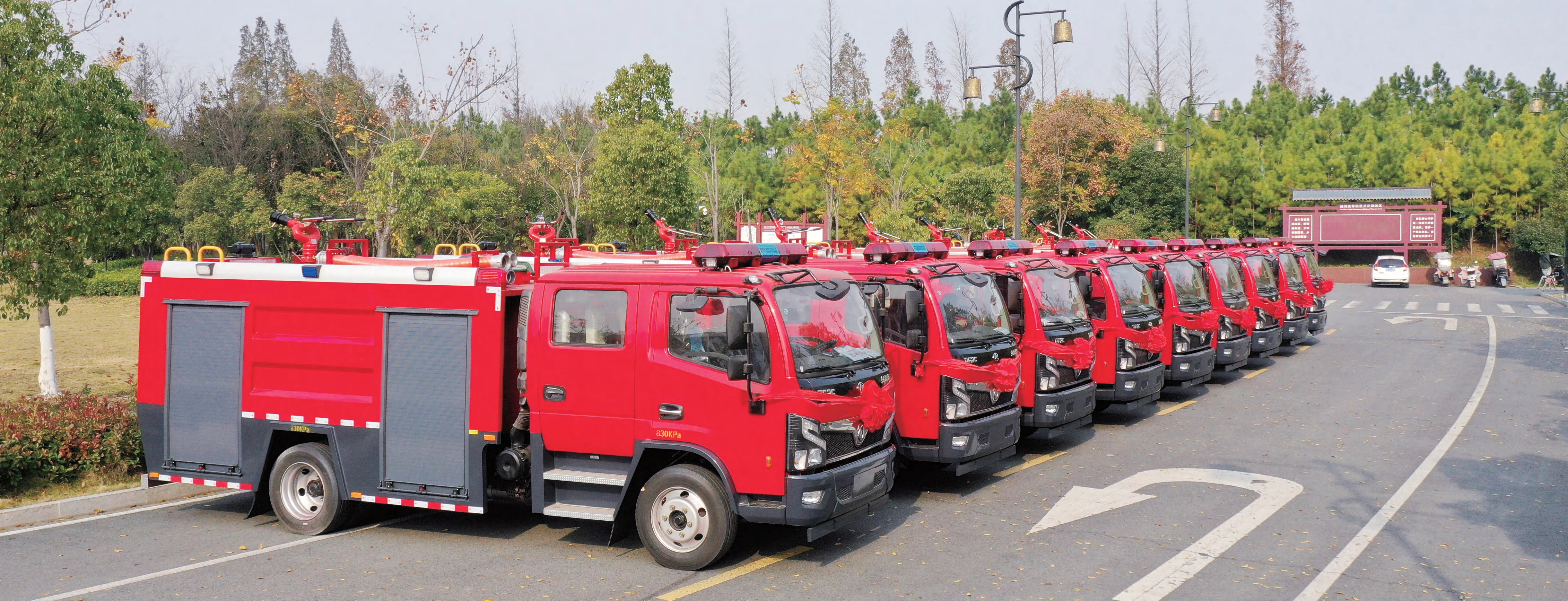
Agree a schedule with clear starting points
The usual production planning reference is 30–90 days after the deposit, with the order's configuration and agreed programme determining the final schedule. Production time and international transit are separate. The quotation should identify the production trigger, inspection window, dispatch arrangement and delivery milestones for the selected vehicles.
| Milestone | Practical checks and records |
|---|---|
| Configuration approval | Approved specification, equipment inventory, drawings where required and document language |
| Pre-shipment inspection | Vehicle identity, agreed functional demonstrations, condition photographs and open-item record |
| Dispatch | Packing and loose-item lists, shipping documents and batch identification |
| Receipt and handover | Arrival condition, inventory reconciliation, manuals, parts and signed receiving record |
| Operator familiarisation | Controls, working equipment, daily checks and the agreed maintenance syllabus |
Choose inspection and transport arrangements
Buyers can discuss video inspection, a factory visit or inspection by an appointed third party. The factory-visit location is Chengli Automobile Industrial Park in Zengdu Economic Development Zone, Suizhou, Hubei 441300, China. Confirm the appointment and production location before making travel plans.
Shipping can be planned around the vehicle dimensions, quantity and route. Transport options include container, flat-rack and breakbulk arrangements, with roll-on/roll-off transport discussed for larger batches. The quotation should name the delivery rule and place, booking responsibility and the documents required by the buyer's importer. Import clearance and registration are normally handled by the buyer.
Plan the training programme by audience
Drivers need vehicle controls and daily checks; equipment operators need instruction for the fitted working systems; workshop staff need maintenance access, service references and parts identification. Training may take place at the factory or be arranged at the customer's site. Confirm the syllabus, attendee numbers, duration, language and schedule with the vehicle order.
Factory-training accommodation, meals and local transport are agreed on an order-by-order basis. Overseas travel, visas, accommodation and on-site service arrangements should also be itemised in the proposal. This keeps the training budget clear for both parties.
Prepare a handover pack the team can use
Include the approved specification, equipment inventory, operating and maintenance references, relevant inspection records and the agreed initial parts list. English, French, Russian, Spanish and Arabic manuals can be requested; confirm the available language for the selected equipment before ordering. Keep one vehicle identification and service record for each unit.

Production, inspection & handover timeline (typical reference)
Actual delivery schedules depend on chassis availability, LHD/RHD build slots, specialised equipment lead times and ocean sailing frequency. The table below outlines the standard milestones from contract activation to fleet commissioning:
| Milestone | Typical timeframe | Verification & buyer role |
|---|---|---|
| 1. Technical drawing sign-off | 5–10 working days after order | Buyer approves GA drawing, paint/livery, wiring and equipment list |
| 2. Chassis & superstructure build | 30–90 days after deposit | Progress photos/updates; RHD or custom medical/fire builds sit at upper range |
| 3. Factory acceptance test (FAT) | 3–5 days before dispatch | Video walkthrough, on-site inspection in Suizhou, or buyer-arranged SGS/BV |
| 4. Export port & ocean transit | Per vessel schedule (Ro-Ro / bulk / container) | Bill of Lading, packing list, certificate of origin and shipping advice issued |
| 5. Handover & operator training | At delivery or via remote/on-site schedule | Operator controls, daily checks, PTO/pump safety and workshop maintenance brief |
Delivery and training FAQs
Can our engineers inspect the vehicles at the factory before balance payment?
Yes. On-site inspection and live video walkthroughs are supported at Chengli Automobile Industrial Park in Suizhou, China, and third-party inspection agencies such as SGS or BV are welcomed.
What languages are available for operation and maintenance manuals?
Vehicle manuals and technical guides can be supplied in English, French, Arabic, Spanish or Russian as agreed in the contract.
How is operator and mechanic training delivered?
Standard orders include comprehensive manuals, video operation guides and remote engineering support; on-site commissioning and training at destination can be quoted as a separate contract line item.
Vehicle models to compare
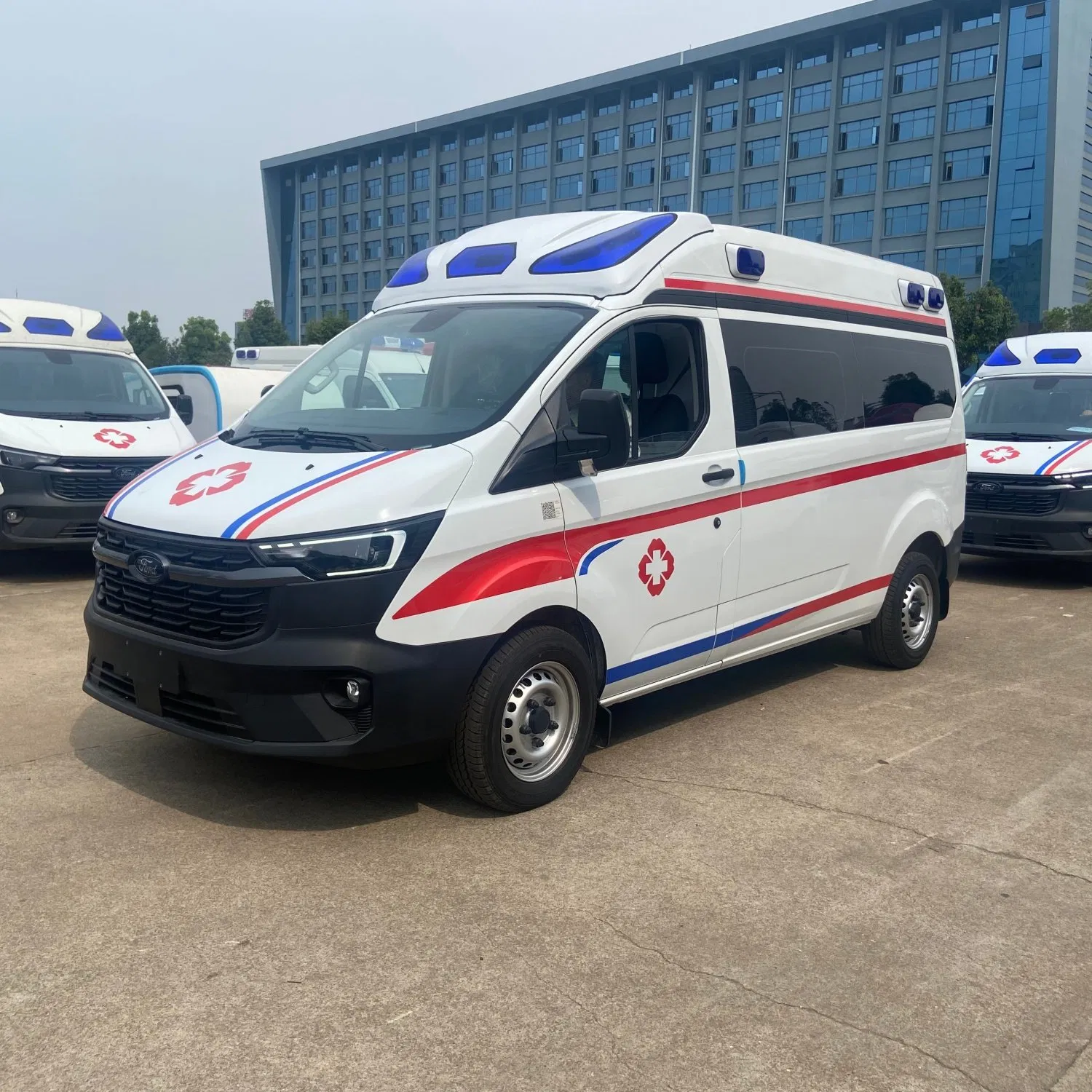
Patient Transport Ambulance CLW5030XJHCDP
The CLW5030XJHCDP is a patient transport ambulance built by Chengli Automobile Group for ministries of health, public hospitals and humanitarian NGOs. Its manufacturer record lists a 3,300 kg GVW class and 162 kW engine output. Right-hand-drive availability, final equipment fit-out and export documentation are confirmed per contract for government and donor-funded tenders.
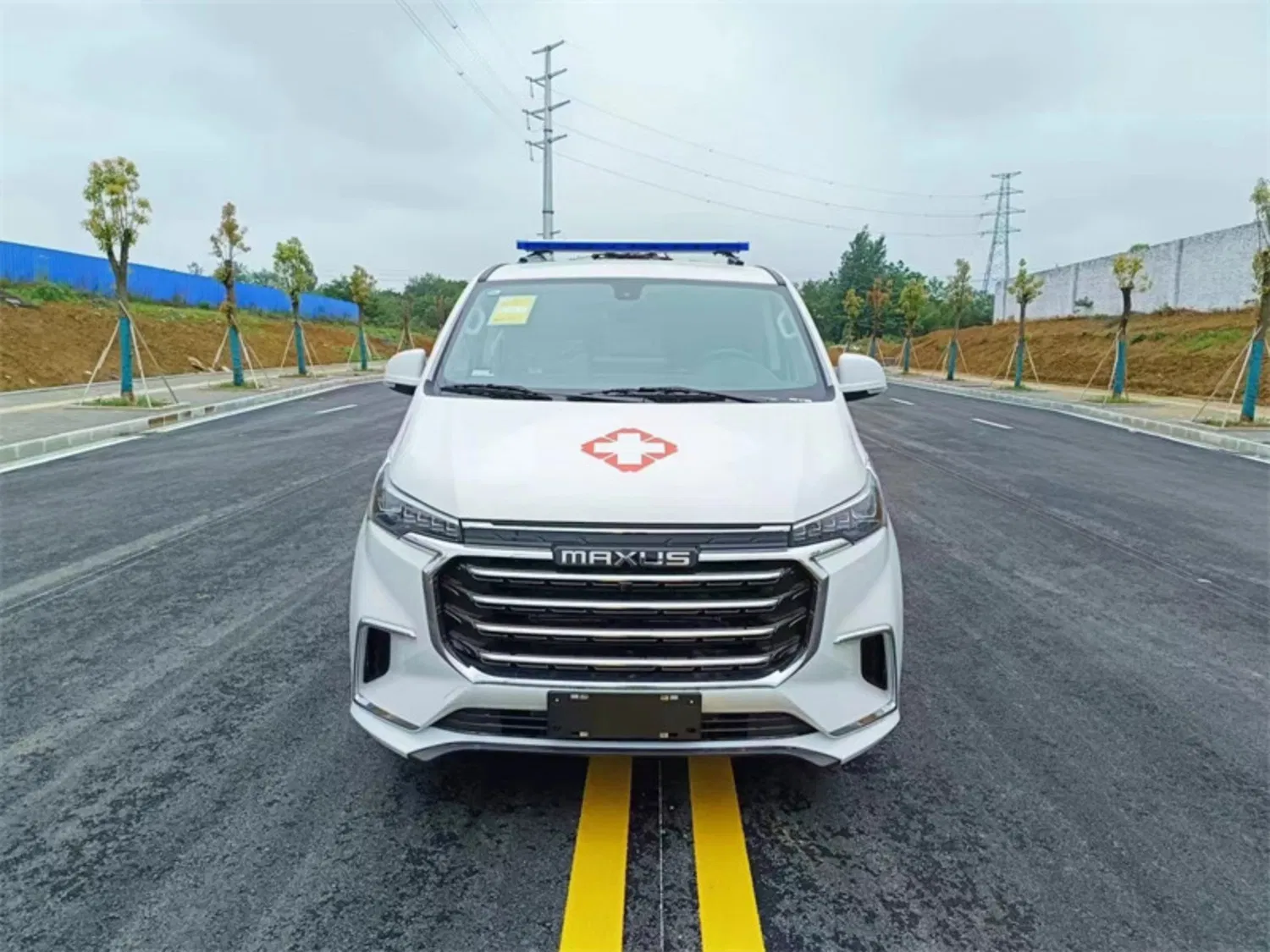
Patient Transport Ambulance CL5030XJH6AYS
The CL5030XJH6AYS is a 4x2 patient transport ambulance built by Chengli Automobile Group for ministries of health, public hospitals and humanitarian NGOs. Its manufacturer record lists a 2,900 kg GVW class and 186.4 kW engine output. Right-hand-drive availability, final equipment fit-out and export documentation are confirmed per contract for government and donor-funded tenders.
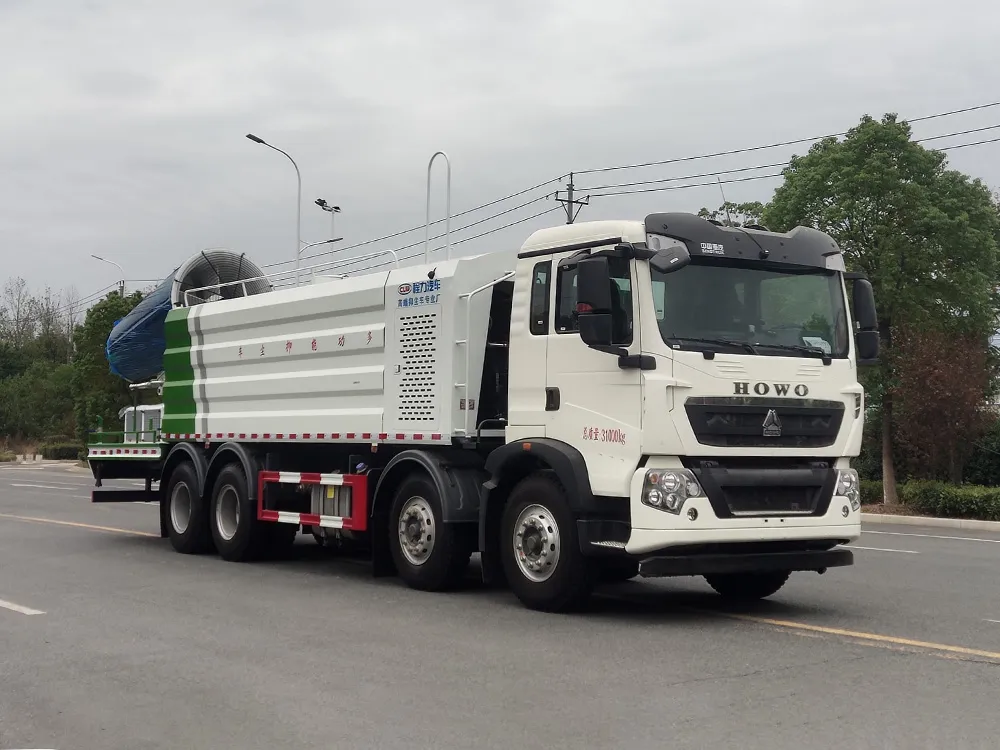
Dust Suppression Truck CL5310TDYZ6YC
The CL5310TDYZ6YC is a 8x4 Sinotruk-chassis dust suppression truck built by Chengli Automobile Group for city councils, municipal sanitation departments and public-works contractors. Its manufacturer record lists a 21 m³ key specification, a 31,000 kg GVW class and 257 kW engine output. Right-hand-drive availability, final equipment fit-out and export documentation are confirmed per contract for government and donor-funded tenders.
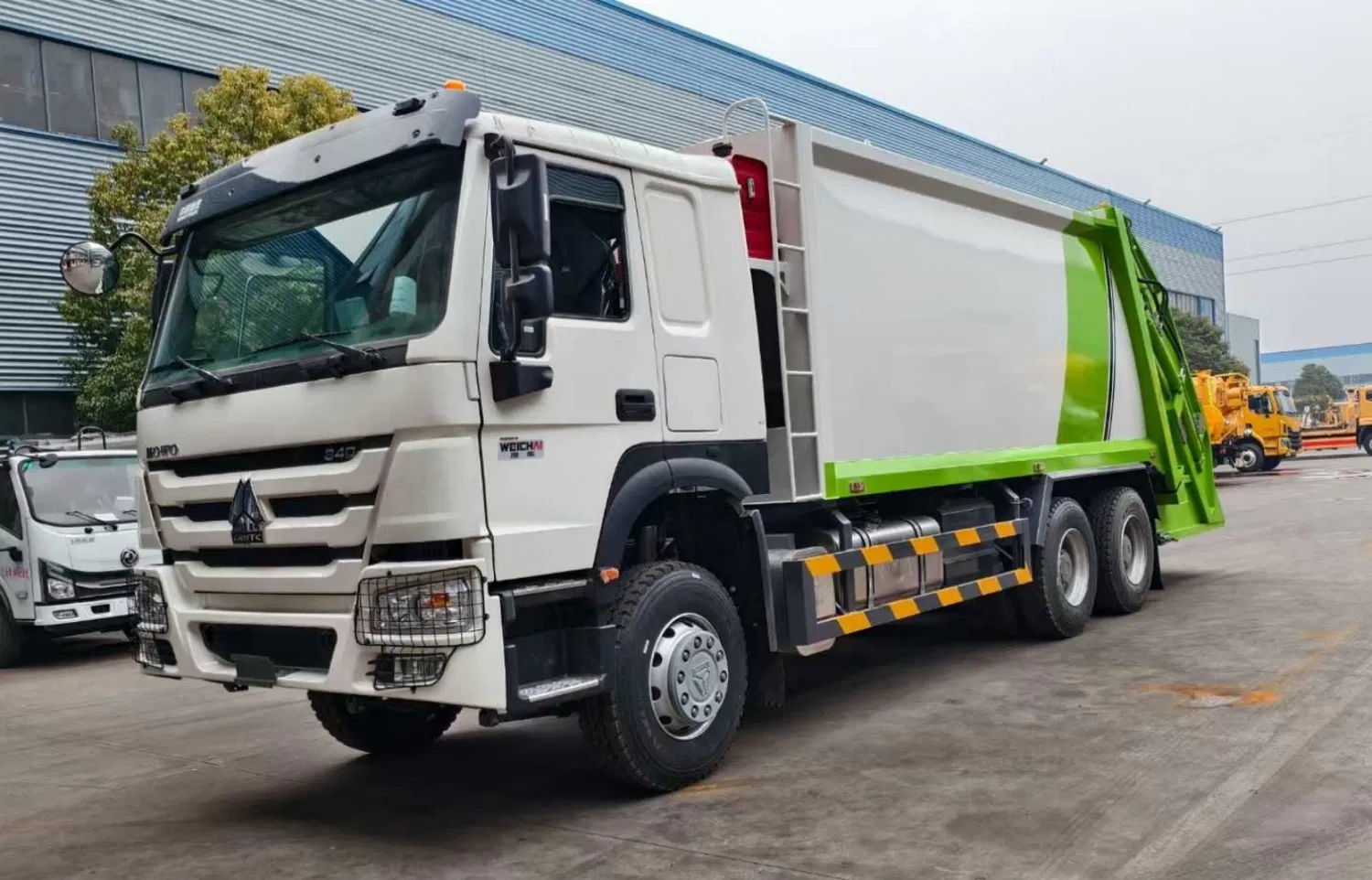
Refuse Compactor CLW5250ZYSAHJ
The CLW5250ZYSAHJ is a 6x4 refuse compactor built by Chengli Automobile Group for city councils, municipal sanitation departments and public-works contractors. Its manufacturer record lists a 20–23 m³ key specification and a 25,000 kg GVW class. Right-hand-drive availability, final equipment fit-out and export documentation are confirmed per contract for government and donor-funded tenders.
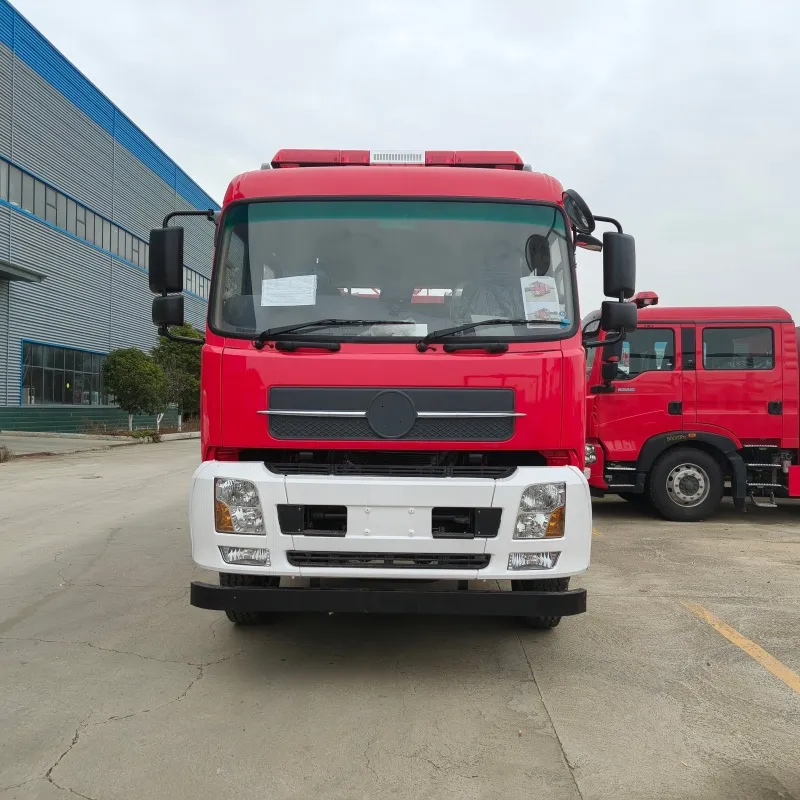
Foam Fire Truck CLW5190GXFPM50
The CLW5190GXFPM50 is a 4x2 foam fire truck built by Chengli Automobile Group for municipal fire brigades, civil defence agencies and industrial safety fleets. Its manufacturer record lists a 19,100 kg GVW class and 149.1 kW engine output. Right-hand-drive availability, final equipment fit-out and export documentation are confirmed per contract for government and donor-funded tenders.
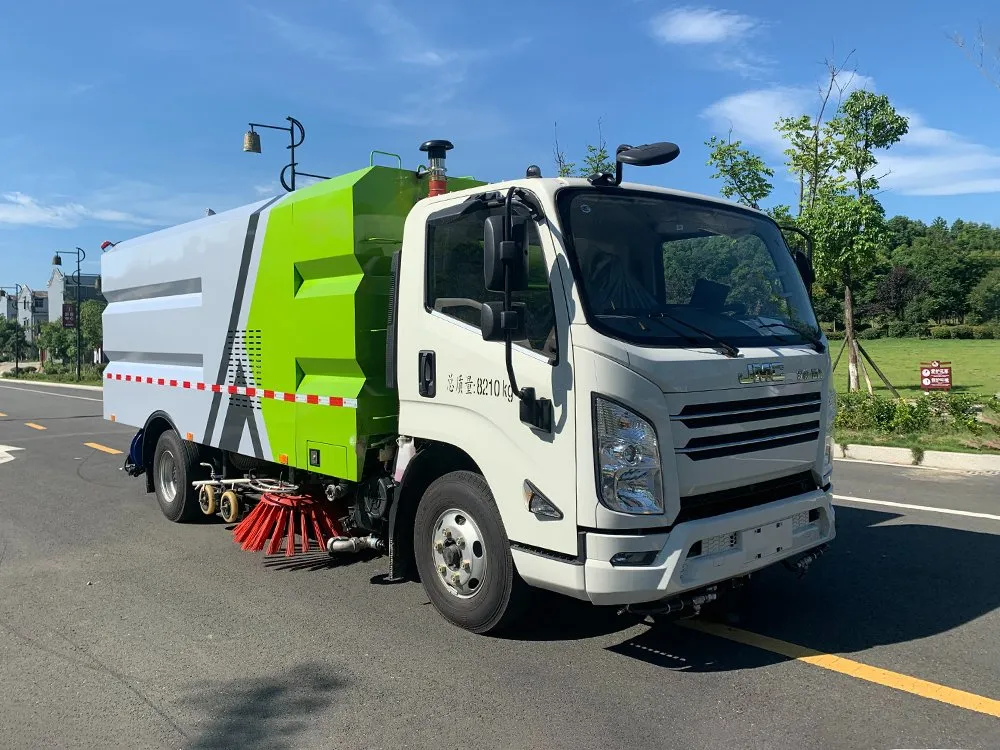
Washing-Sweeping Truck CLW5080TXSJ6
The CLW5080TXSJ6 is a 4x2 JMC-chassis washing-sweeping truck built by Chengli Automobile Group for city councils, municipal sanitation departments and public-works contractors. Its manufacturer record lists a 3 m cleaning width key specification, the JX1083TK26 chassis and a 8,210 kg GVW class. Right-hand-drive availability, final equipment fit-out and export documentation are confirmed per contract for government and donor-funded tenders.
TECHNICAL DOCUMENT REQUEST
Get the specification conversation started
Tell us your destination and vehicle requirement. PDF availability and the specification scope will be confirmed for the proposed model.