
PUBLIC FLEET PROCUREMENT
Payment terms and fleet quotation planning
The commercial proposal should show how the fleet will be paid for and what the quoted amount includes. PublicSectorVehicles can discuss payment methods and delivery terms alongside the vehicle and equipment scope. Funding approval, bank terms and any tender-specific guarantees are separate matters to review with the responsible parties.
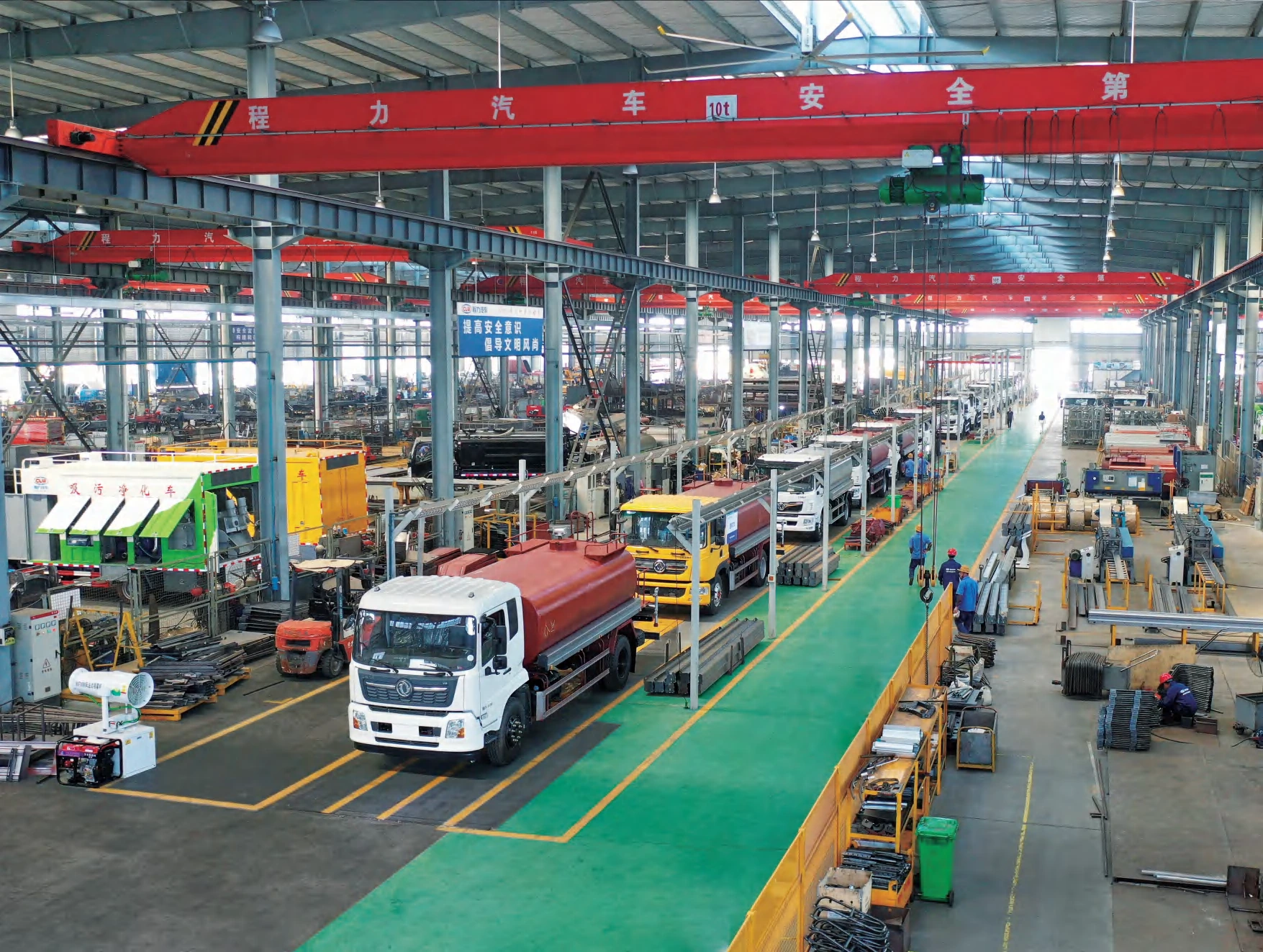
Payment methods and quotation basis
Telegraphic transfer and letters of credit are payment methods that can be considered. US dollars are the usual quotation basis. The letter-of-credit wording and bank requirements should be reviewed for the particular transaction before issuance.
The usual reference payment split is 30% deposit and 70% balance, generally before dispatch, with special orders and vehicle types discussed separately. The written quotation and contract should set the actual amounts, due dates, production trigger and documents required for each payment.
Compare complete commercial scopes
| Price element | What to establish |
|---|---|
| Vehicles | Quantity, named models, chassis, body configuration and equipment inventory |
| Options and initial parts | Separate prices and a clear list of included and optional items |
| Inspection and training | Scope, location, participants and allocation of travel or agency costs |
| Transport | Delivery rule, named place, booking scope and any insurance arrangement |
| Destination costs | Import, clearance, registration and other buyer-side responsibilities |
Delivery rules need a named place
FCA, FOB, CFR, CIF, DAP and CIP are available for discussion. Specify the named port or place and the agreed Incoterms edition in the contract. The chosen rule allocates particular transport, cost and risk responsibilities; payment milestones and the transfer of ownership also need their own contract terms.
Incoterms & payment structure comparison for public tenders
Selecting clear trade terms and payment instruments aligns the supplier's manufacturing cash flow with government treasury or donor disbursement rules.
| Commercial element | Standard confirmed options | Key tender points to specify |
|---|---|---|
| Quotation currency | US Dollars (USD) | State validity period required by tender rules (typically 30–90 days) |
| Trade terms (Incoterms) | FCA, FOB China, CFR, CIF, DAP, CIP | Identify exact discharge port or inland delivery point for CIF/DAP |
| Telegraphic Transfer (TT) | Reference 30% deposit / 70% balance before dispatch | Balance payable after factory acceptance test (FAT) and inspection sign-off |
| Letter of Credit (LC) | Irrevocable LC at sight (subject to issuing bank review) | Share draft LC clauses early to verify shipping and inspection document wording |
| Phased multi-unit orders | Batch-by-batch FAT and pro-rata shipment billing | Allows partial shipments and staggered port clearance for large fleets |
Payment and financing FAQs
Can quotations be issued on both FOB China and CIF destination port basis?
Yes. Providing both FOB China and itemised ocean freight/insurance to your destination port (CIF) makes budget comparison straightforward for tender committees.
Are Letters of Credit (LC) accepted for ministry and donor tenders?
Yes, irrevocable Letters of Credit can be considered subject to issuing-bank and clause verification prior to contract signing.
Why are prices not posted as fixed numbers on product pages?
Public-sector truck pricing varies materially with chassis brand, LHD/RHD, emission tier, tank material (carbon steel vs 304/316L stainless), pump/medical BoQ and shipping terms; written USD quotations are issued against your confirmed technical schedule.
Plan a fleet order around the budget programme
For a multi-vehicle procurement, send the quantities by role and any required delivery phases. Batch pricing is reviewed order by order, and phased delivery can be discussed. Define which vehicles, equipment, documents and support activities belong to each phase so the commercial comparison remains clear.
Before paying, reconcile the seller, invoice reference and beneficiary details with the signed transaction documents through an established contact. Requests for bonds, guarantees, credit periods or external financing should be raised early so availability and responsibility can be assessed as part of the bid.
Vehicle models to compare
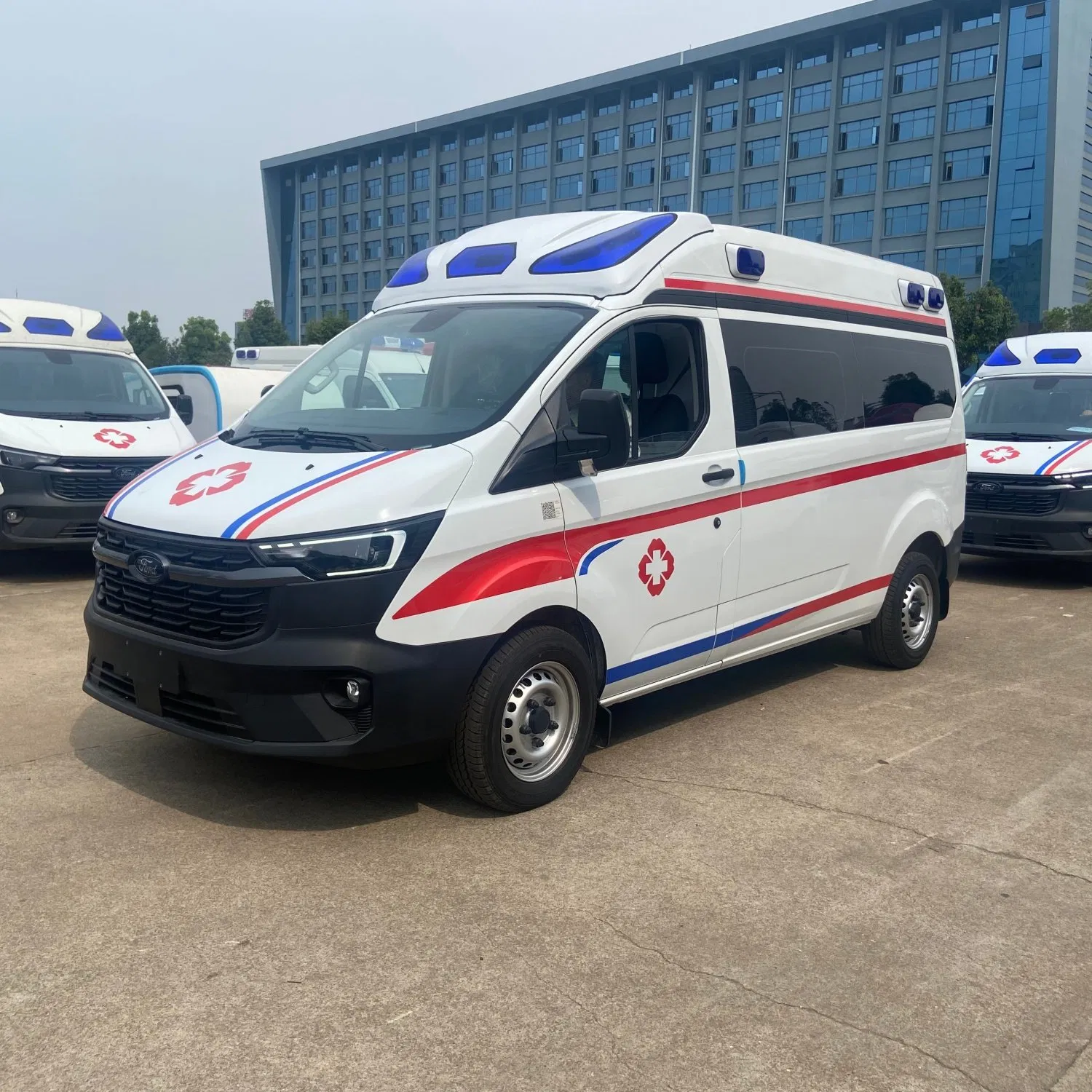
Patient Transport Ambulance CLW5030XJHCDP
The CLW5030XJHCDP is a patient transport ambulance built by Chengli Automobile Group for ministries of health, public hospitals and humanitarian NGOs. Its manufacturer record lists a 3,300 kg GVW class and 162 kW engine output. Right-hand-drive availability, final equipment fit-out and export documentation are confirmed per contract for government and donor-funded tenders.
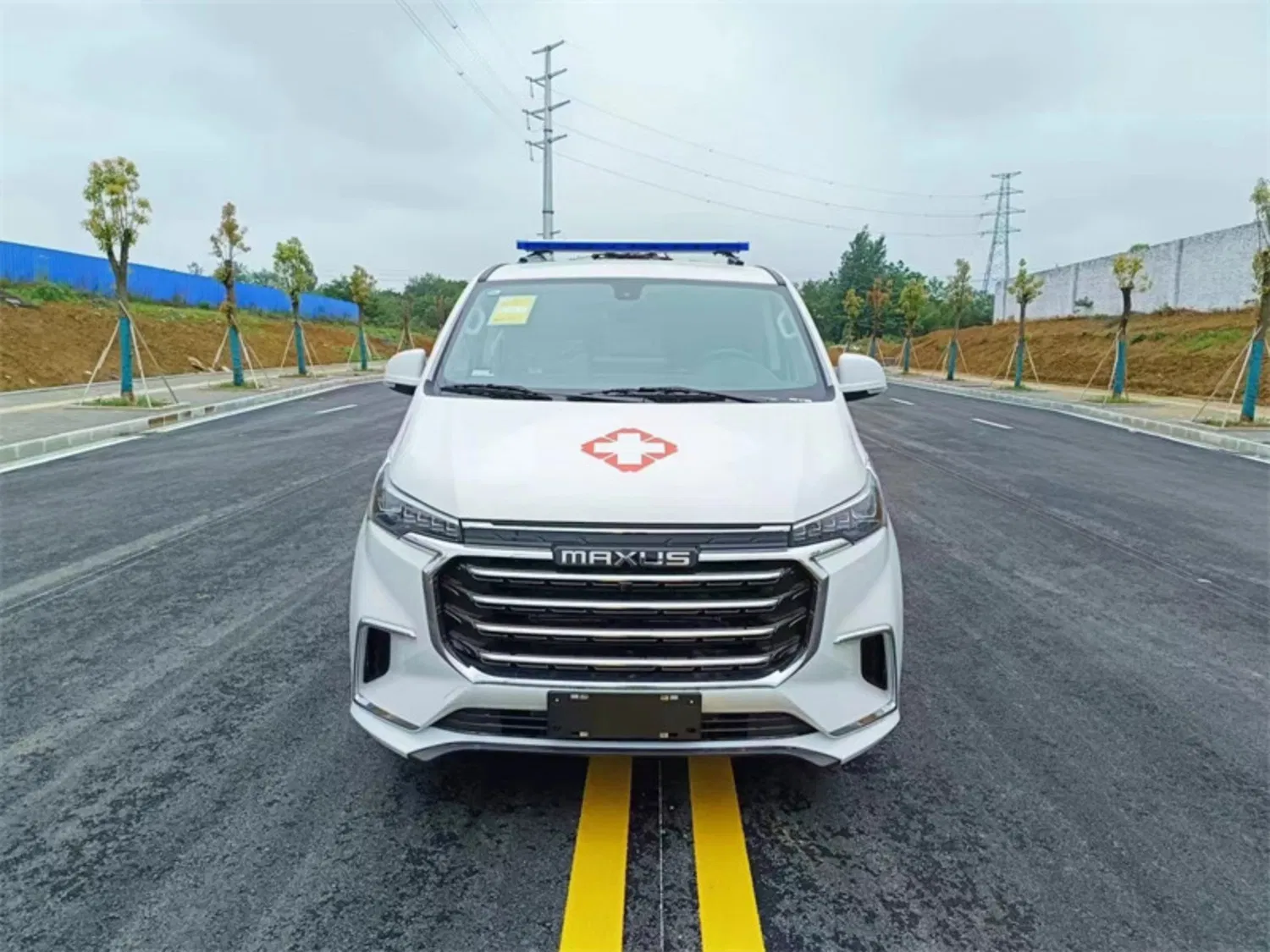
Patient Transport Ambulance CL5030XJH6AYS
The CL5030XJH6AYS is a 4x2 patient transport ambulance built by Chengli Automobile Group for ministries of health, public hospitals and humanitarian NGOs. Its manufacturer record lists a 2,900 kg GVW class and 186.4 kW engine output. Right-hand-drive availability, final equipment fit-out and export documentation are confirmed per contract for government and donor-funded tenders.
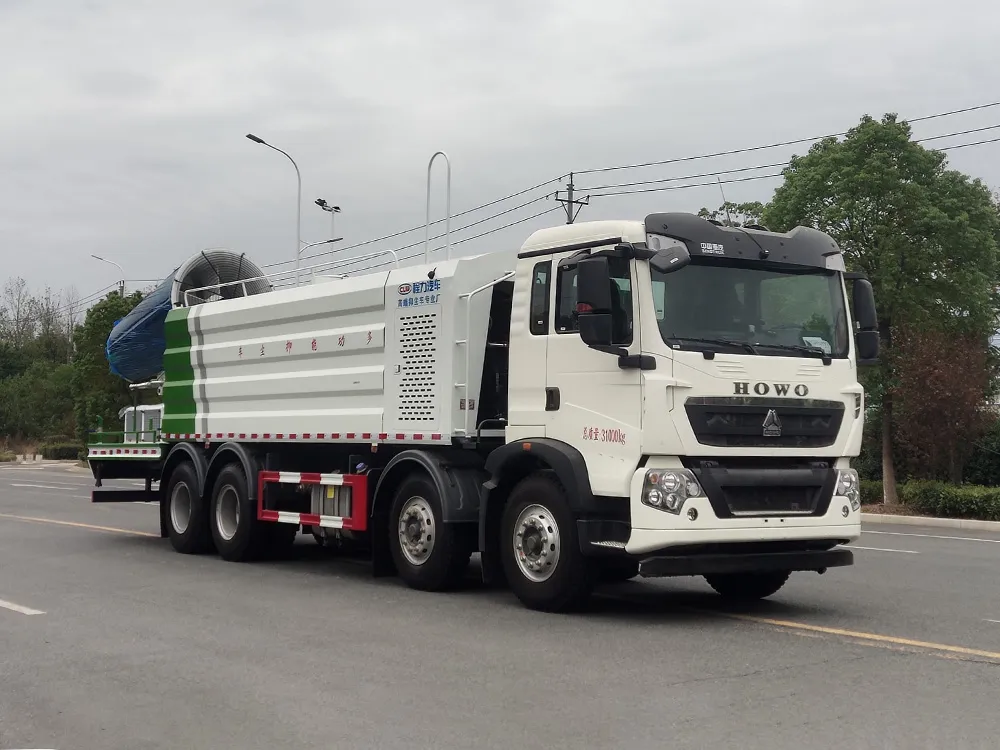
Dust Suppression Truck CL5310TDYZ6YC
The CL5310TDYZ6YC is a 8x4 Sinotruk-chassis dust suppression truck built by Chengli Automobile Group for city councils, municipal sanitation departments and public-works contractors. Its manufacturer record lists a 21 m³ key specification, a 31,000 kg GVW class and 257 kW engine output. Right-hand-drive availability, final equipment fit-out and export documentation are confirmed per contract for government and donor-funded tenders.
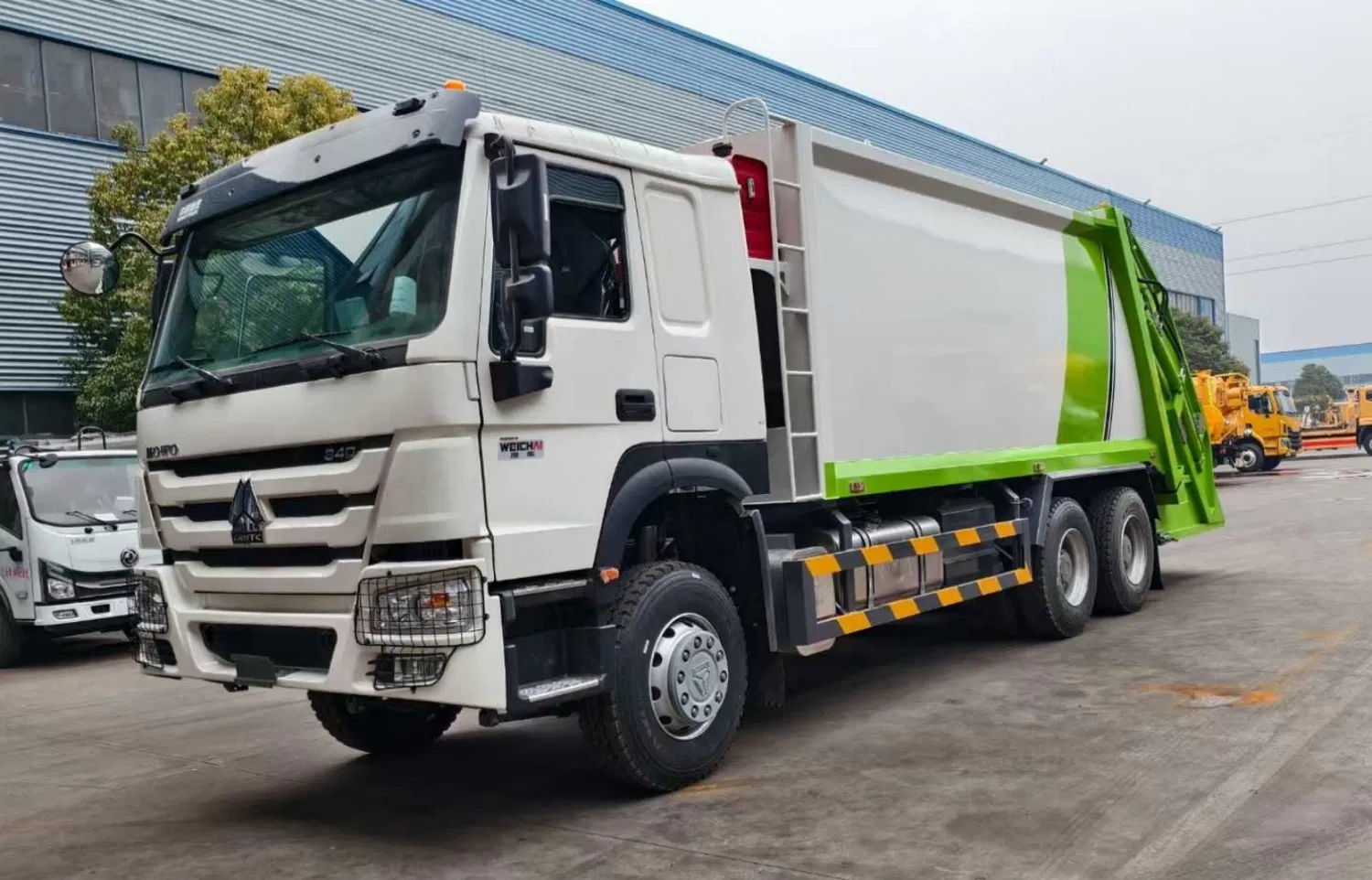
Refuse Compactor CLW5250ZYSAHJ
The CLW5250ZYSAHJ is a 6x4 refuse compactor built by Chengli Automobile Group for city councils, municipal sanitation departments and public-works contractors. Its manufacturer record lists a 20–23 m³ key specification and a 25,000 kg GVW class. Right-hand-drive availability, final equipment fit-out and export documentation are confirmed per contract for government and donor-funded tenders.
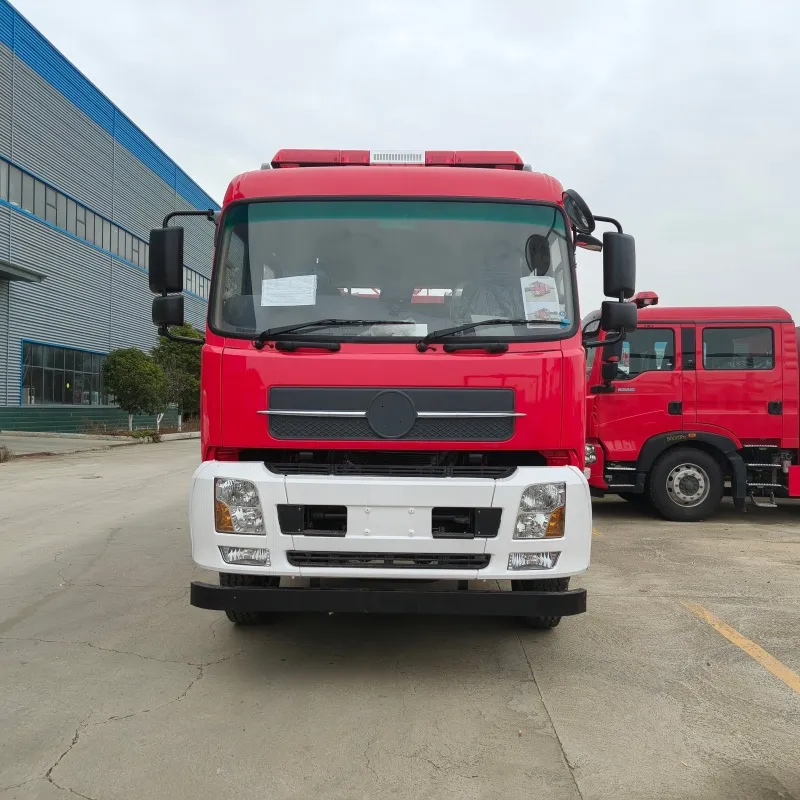
Foam Fire Truck CLW5190GXFPM50
The CLW5190GXFPM50 is a 4x2 foam fire truck built by Chengli Automobile Group for municipal fire brigades, civil defence agencies and industrial safety fleets. Its manufacturer record lists a 19,100 kg GVW class and 149.1 kW engine output. Right-hand-drive availability, final equipment fit-out and export documentation are confirmed per contract for government and donor-funded tenders.
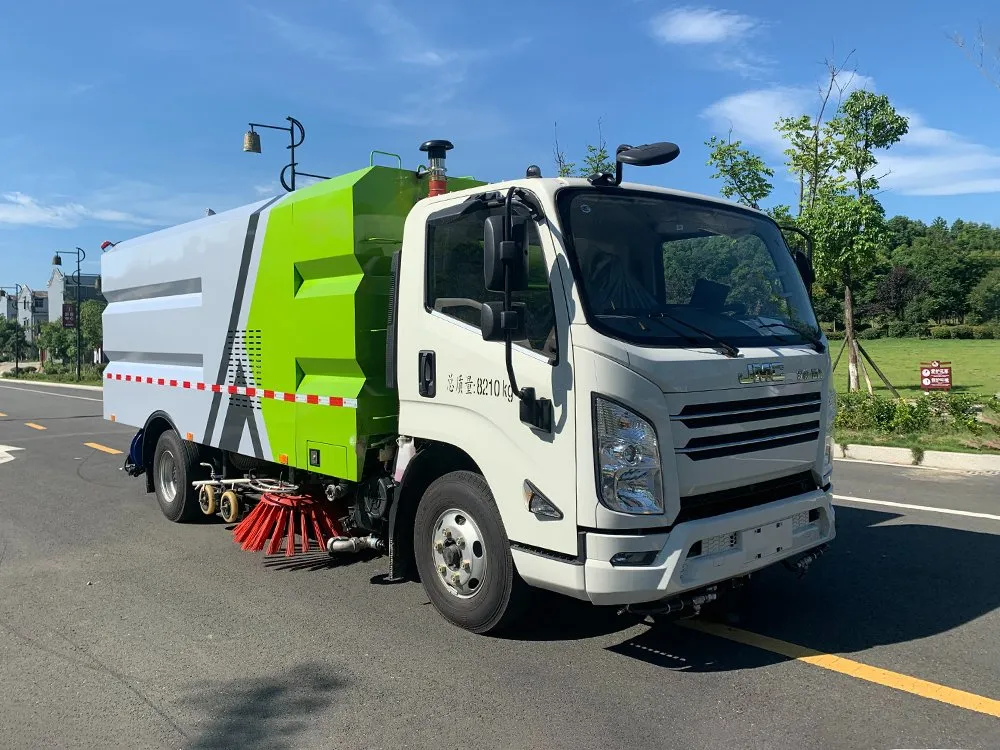
Washing-Sweeping Truck CLW5080TXSJ6
The CLW5080TXSJ6 is a 4x2 JMC-chassis washing-sweeping truck built by Chengli Automobile Group for city councils, municipal sanitation departments and public-works contractors. Its manufacturer record lists a 3 m cleaning width key specification, the JX1083TK26 chassis and a 8,210 kg GVW class. Right-hand-drive availability, final equipment fit-out and export documentation are confirmed per contract for government and donor-funded tenders.
TECHNICAL DOCUMENT REQUEST
Get the specification conversation started
Tell us your destination and vehicle requirement. PDF availability and the specification scope will be confirmed for the proposed model.