
PUBLIC FLEET PROCUREMENT
Build an ambulance fleet around the patient pathway
An ambulance procurement should begin with the transport service the hospital intends to run. Routine referrals, transfers requiring a higher level of care and journeys over difficult access routes create different vehicle and cabin requirements. Involve the clinical team, transport manager and maintenance team before finalising the equipment list.
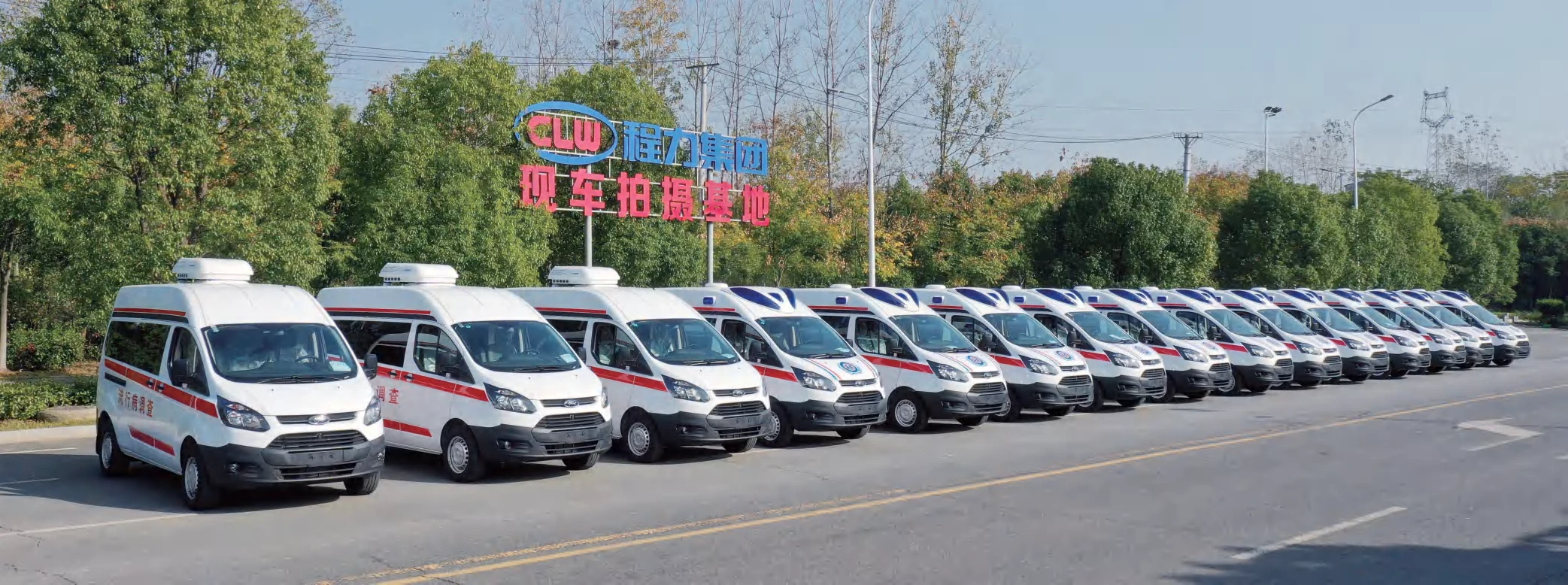
Separate the transport roles
| Role | Questions for the hospital | Vehicle review |
|---|---|---|
| Routine patient transfer | What assistance, crew and patient-access arrangements are needed? | Stretcher access, seating, storage, ventilation and daily journey pattern |
| Emergency or higher-acuity transfer | Which devices, supplies and staff are approved for the service? | Equipment mounting, electrical supply, access around the patient and usable cabin layout |
| Difficult-access referral | What surfaces, gradients and seasonal access problems occur on the route? | Ground clearance, traction, suspension, turning space and the available chassis |
| Mobile clinical outreach | Which examinations or services will be performed at the destination? | Working rooms, staff workflow, utilities, equipment and privacy arrangements |
Illustrative district hospital fleet tiering
Public health networks lower capital and maintenance costs by separating high-volume routine transfers from critical-care ICU and infectious isolation duties rather than over-specifying every vehicle.
| Clinical duty tier | Recommended vehicle class | Primary fit-out focus | Target route profile |
|---|---|---|---|
| Routine clinic referrals & discharges | Patient transport ambulance (4x2 van) | Roll-in stretcher, attendant seating, basic O2 & cabin A/C | Paved urban and district tarmac roads |
| Emergency stabilisation & trauma | BLS / ICU (ALS) ambulance | Dual O2 manifold, inverter/shore power, monitor & ventilator mounts | Hospital-to-hospital critical transfers |
| Infectious outbreak response | Negative pressure ambulance | Sealed bulkhead partition, HEPA filtration & pressure monitoring | Disease control & isolation referrals |
| Rural outreach & vaccination | Mobile clinic truck / 4x4 ambulance | Consultation zoning, cold-box power, high ground clearance | Remote villages and unpaved feeder tracks |
Published medical vehicle models for health tenders
The models below are published in our current catalog with manufacturer specifications and can be used as baseline references when preparing tender technical schedules or requesting formal quotations:
| Model code | Vehicle role | Key listed parameters | Specification page |
|---|---|---|---|
| CL5034XJH6YS | Patient Transport Ambulance (2,800 kg GVW) | 4x2 van | 135 kW | clinic-to-hospital referrals | View specifications |
| CLW5043XJH6YS | Foton Patient Transport Ambulance | 4x2 van | urban & regional transfers | View specifications |
| CL5032XJH6YS | JMC ICU / ALS Ambulance | 4x2 van | critical care & referral fit-out | View specifications |
| CL5046XJH6YS | JMC Negative Pressure Ambulance | 4x2 van | infectious isolation transfer | View specifications |
| CL5040XYL6AYS | Mobile Clinic Outreach Unit | 4x2 | rural screening & vaccination outreach | View specifications |
District hospital fleet FAQs
Are clinical devices (defibrillators, ventilators, monitors) included in the base vehicle quote?
Base vehicle pricing covers the chassis, medical cabin conversion, stretcher, cabinets, oxygen piping and electrical system; specific clinical devices are itemised and quoted separately to match your Ministry of Health approved equipment list.
How are EN 1789 tender requirements handled?
We do not make blanket certification claims. Specific EN 1789 clauses required by your tender are reviewed clause by clause on request against the proposed base van and cabin fit-out.
Can ambulances be supplied in RHD for East and Southern African health ministries?
LHD is standard, and RHD is subject to chassis order confirmation. Share your destination country and quantity early so RHD base-van availability and lead time (typically 60–90 days) are confirmed.
Make the cabin schedule an itemised document
List each stretcher, seat, storage unit and medical device by function and required specification. Identify which items are supplied with the vehicle and which will be installed or supplied by the buyer. Record the required electrical interfaces, mounting arrangements and relevant evidence for each item. A BLS or ICU label should lead to an explicit inventory that both parties can review.
Where an ambulance standard is named in a tender, provide its edition and the clauses to be assessed. The clinical and procuring teams should approve the intended care configuration. Vehicle photographs are useful for discussing layouts, while the signed specification defines the equipment actually being purchased.
Plan inspection around the complete vehicle
The inspection schedule should cover vehicle identity, cabin access, seating and storage, the fitted equipment inventory and demonstrations of the agreed electrical and auxiliary systems. Include space for recording serial numbers and receiving manuals. Clinical-use protocols and approval of the medical equipment remain with the buyer's responsible clinical team.
Prepare people and support before handover
Identify drivers, cabin operators and workshop personnel who need familiarisation. Request training on vehicle controls, auxiliary equipment, daily checks and the relevant maintenance procedures. Agree the document language and an initial parts list before dispatch so the fleet can enter service with the correct reference material and service items.
Vehicle models to compare
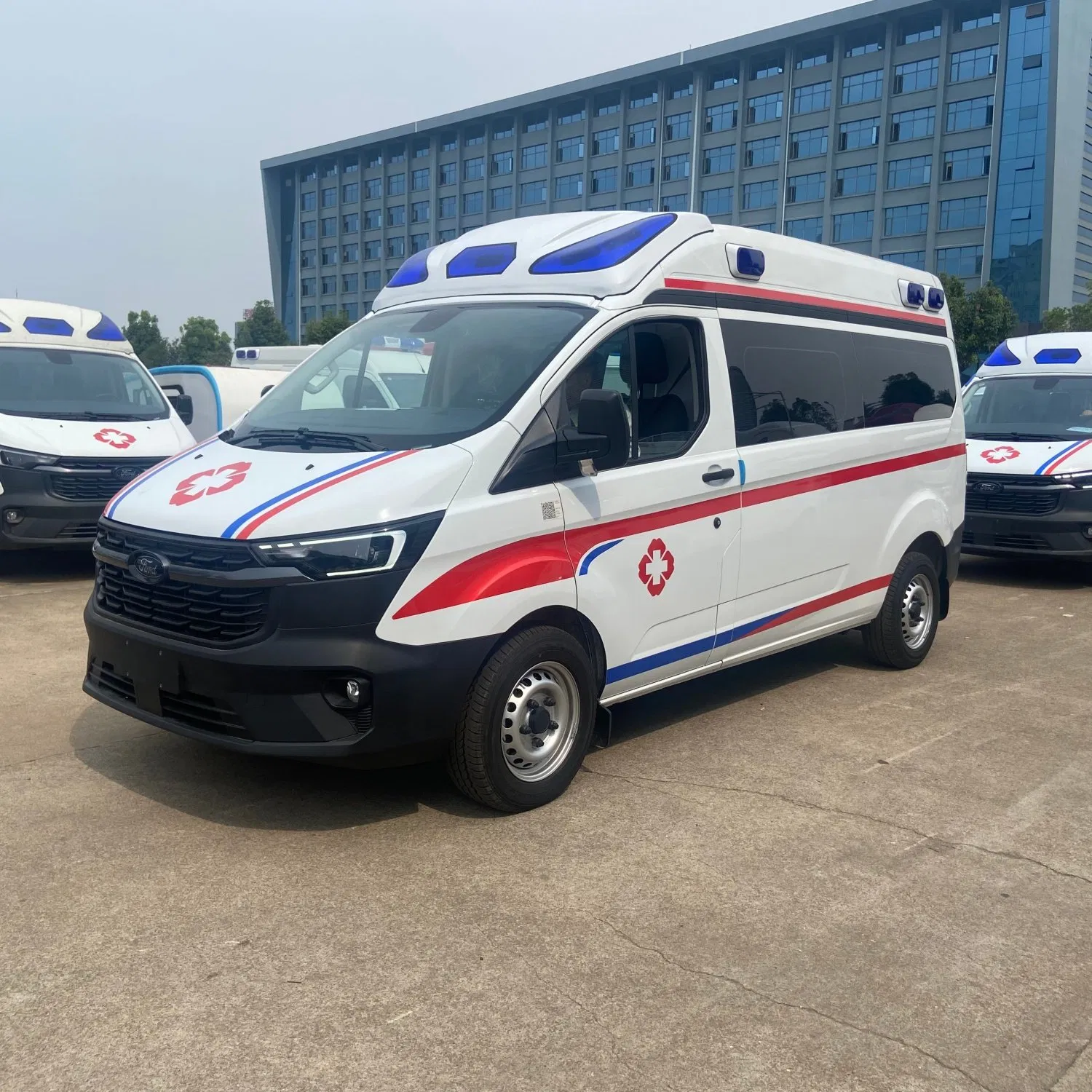
Patient Transport Ambulance CLW5030XJHCDP
The CLW5030XJHCDP is a patient transport ambulance built by Chengli Automobile Group for ministries of health, public hospitals and humanitarian NGOs. Its manufacturer record lists a 3,300 kg GVW class and 162 kW engine output. Right-hand-drive availability, final equipment fit-out and export documentation are confirmed per contract for government and donor-funded tenders.
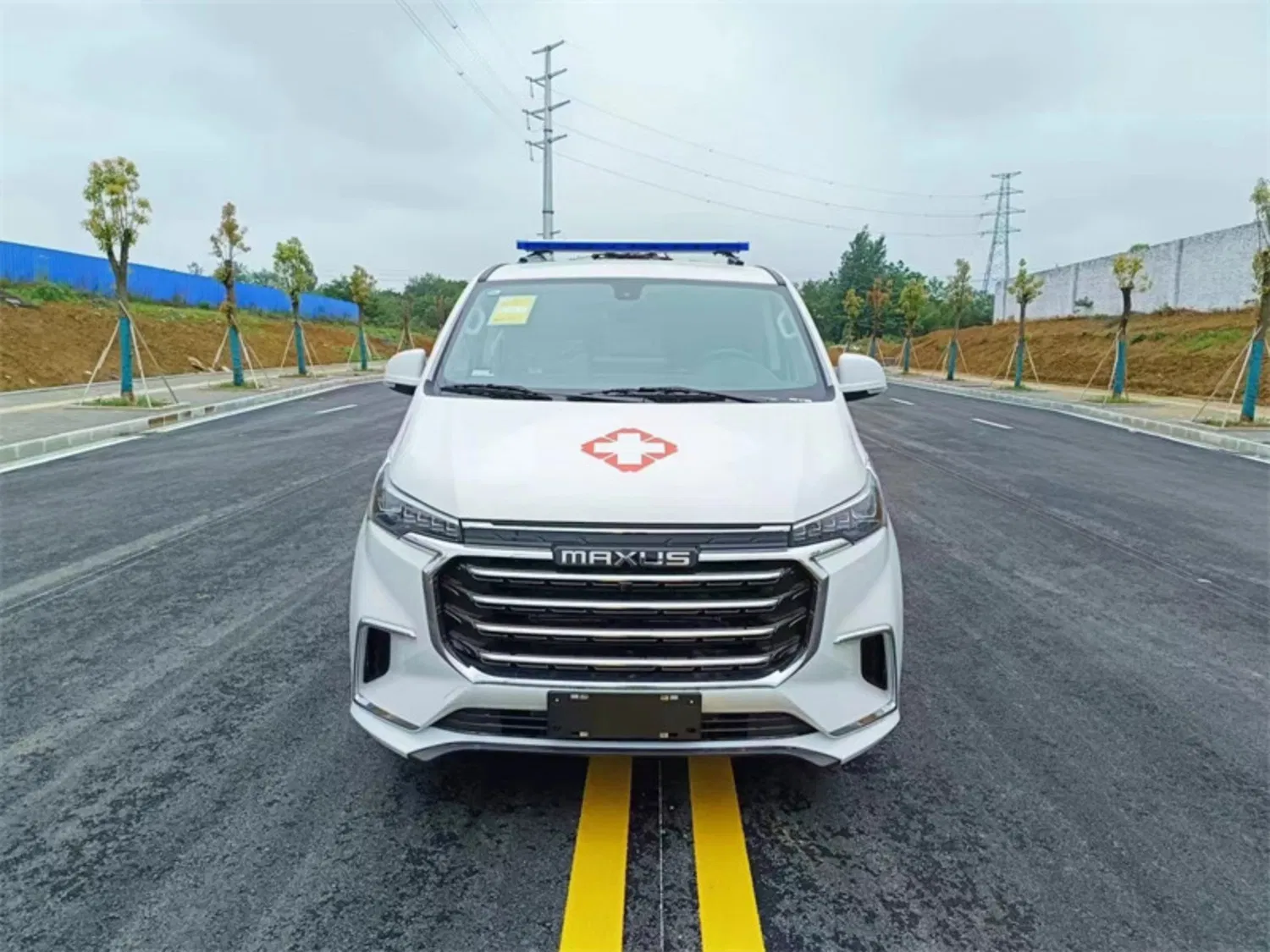
Patient Transport Ambulance CL5030XJH6AYS
The CL5030XJH6AYS is a 4x2 patient transport ambulance built by Chengli Automobile Group for ministries of health, public hospitals and humanitarian NGOs. Its manufacturer record lists a 2,900 kg GVW class and 186.4 kW engine output. Right-hand-drive availability, final equipment fit-out and export documentation are confirmed per contract for government and donor-funded tenders.
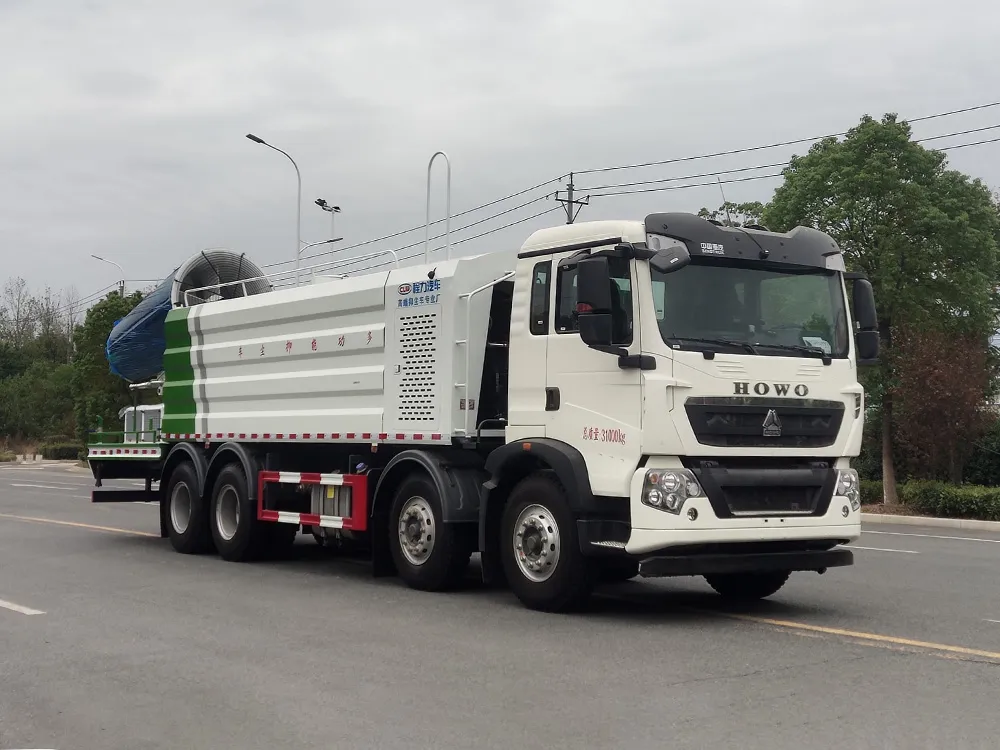
Dust Suppression Truck CL5310TDYZ6YC
The CL5310TDYZ6YC is a 8x4 Sinotruk-chassis dust suppression truck built by Chengli Automobile Group for city councils, municipal sanitation departments and public-works contractors. Its manufacturer record lists a 21 m³ key specification, a 31,000 kg GVW class and 257 kW engine output. Right-hand-drive availability, final equipment fit-out and export documentation are confirmed per contract for government and donor-funded tenders.
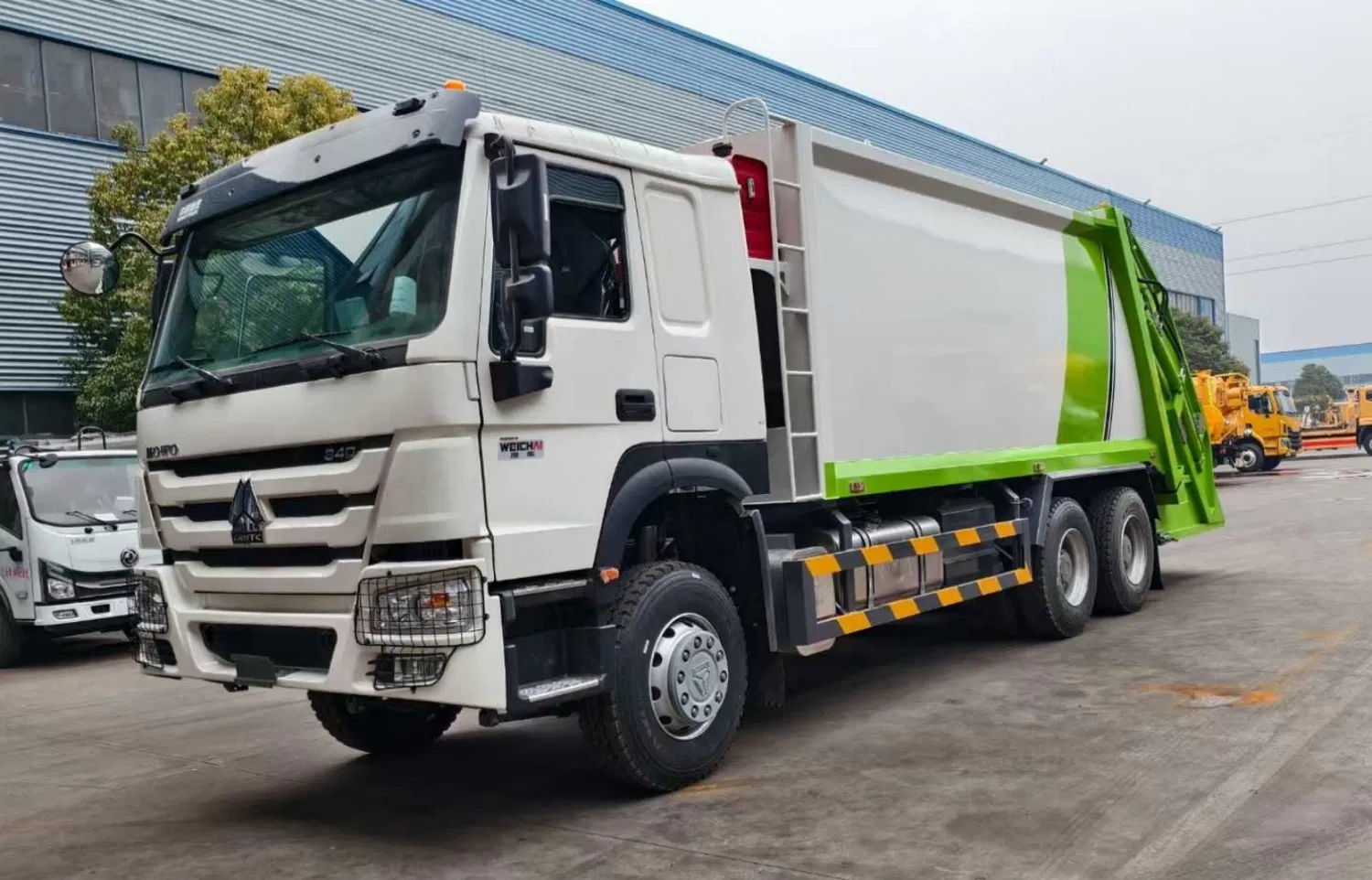
Refuse Compactor CLW5250ZYSAHJ
The CLW5250ZYSAHJ is a 6x4 refuse compactor built by Chengli Automobile Group for city councils, municipal sanitation departments and public-works contractors. Its manufacturer record lists a 20–23 m³ key specification and a 25,000 kg GVW class. Right-hand-drive availability, final equipment fit-out and export documentation are confirmed per contract for government and donor-funded tenders.
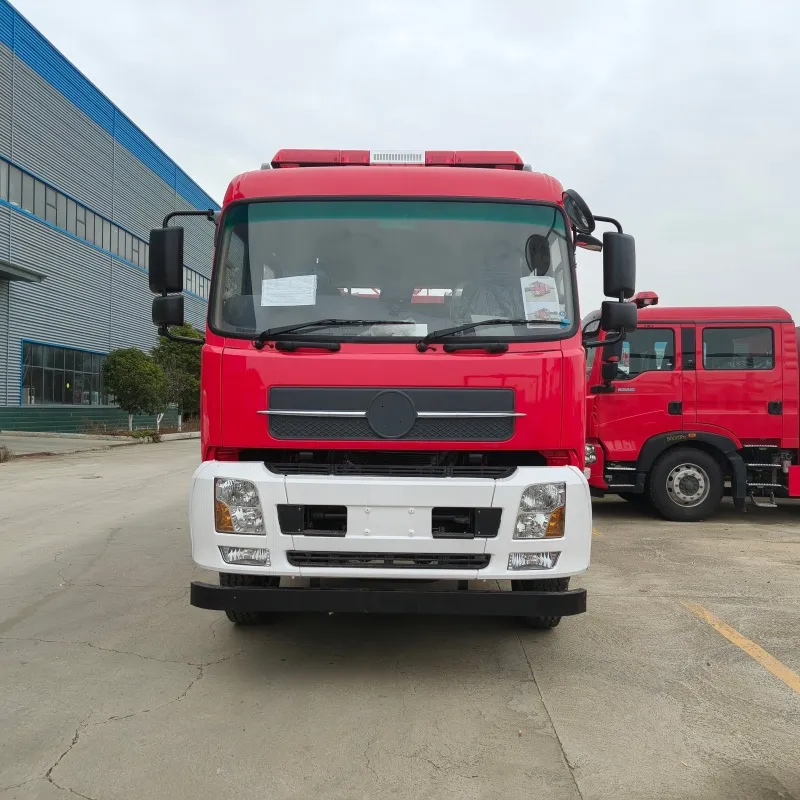
Foam Fire Truck CLW5190GXFPM50
The CLW5190GXFPM50 is a 4x2 foam fire truck built by Chengli Automobile Group for municipal fire brigades, civil defence agencies and industrial safety fleets. Its manufacturer record lists a 19,100 kg GVW class and 149.1 kW engine output. Right-hand-drive availability, final equipment fit-out and export documentation are confirmed per contract for government and donor-funded tenders.
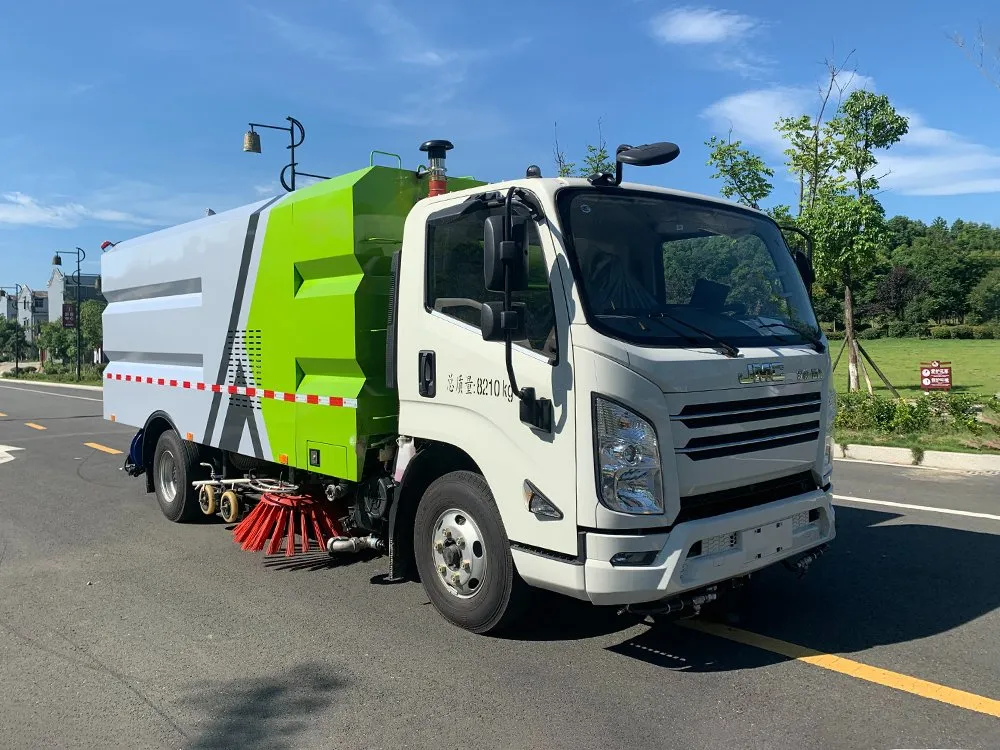
Washing-Sweeping Truck CLW5080TXSJ6
The CLW5080TXSJ6 is a 4x2 JMC-chassis washing-sweeping truck built by Chengli Automobile Group for city councils, municipal sanitation departments and public-works contractors. Its manufacturer record lists a 3 m cleaning width key specification, the JX1083TK26 chassis and a 8,210 kg GVW class. Right-hand-drive availability, final equipment fit-out and export documentation are confirmed per contract for government and donor-funded tenders.
TECHNICAL DOCUMENT REQUEST
Get the specification conversation started
Tell us your destination and vehicle requirement. PDF availability and the specification scope will be confirmed for the proposed model.